High-Precision Titanium Fasteners & Fluid Port Assemblies
Explore our certified Grade 5 (Ti-6Al-4V) engineered hardware, featuring high-cycle fatigue resistance, vacuum-deposited PVD finishes, and tight micron-level concentricity designed for demanding hydraulic and mechanical linkages.
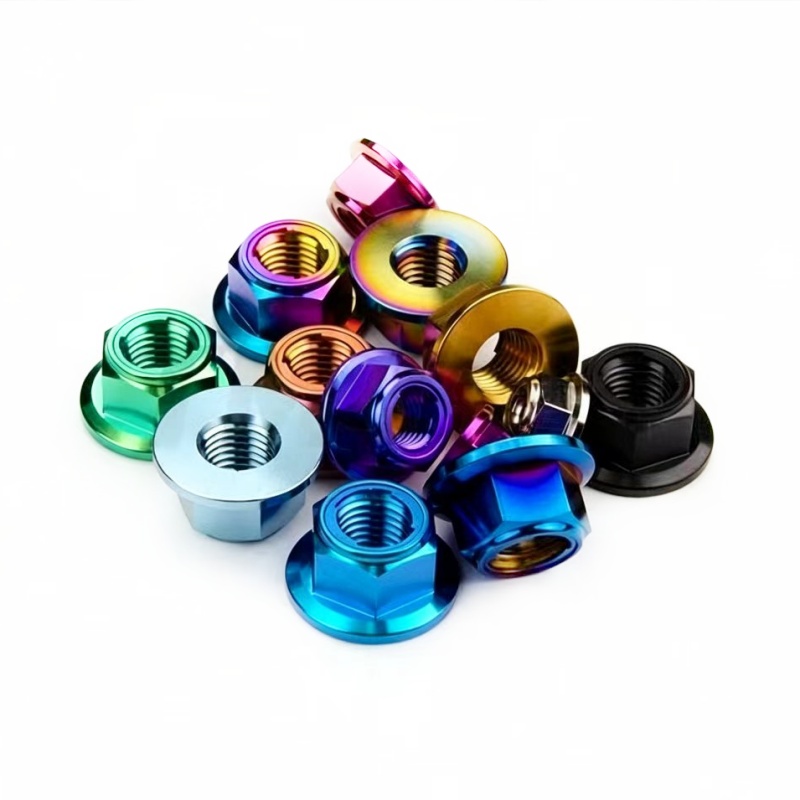
GR5 Titanium Lock Anti Loosening Nut Bicycle Motorcycle Car Locked Tightly M6 M8 M10 PVD Finished
- Thread Specification: M6, M8, M10 (Metric Pitch)
- Finish Treatment: Vacuum PVD Multilayer
- Yield Offset (0.2%): ≥ 828 MPa
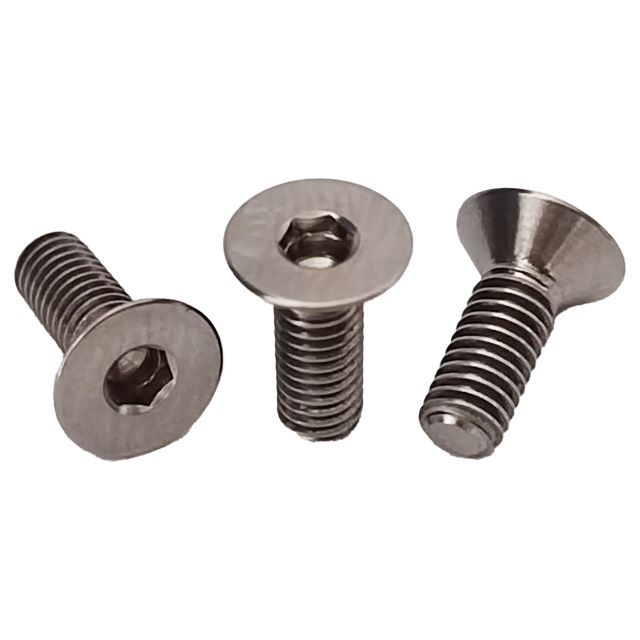
GR5 Titanium Bolts M8*20mm CNC Machined Countersunk Head Hex Socket Bolts Flat Head Allen Screws
- Shank Dimension: M8 × 20mm (Rolled Thread)
- Head Geometry: 90° Countersunk Hex Socket
- Machining Process: Swiss Multi-Axis CNC Turning
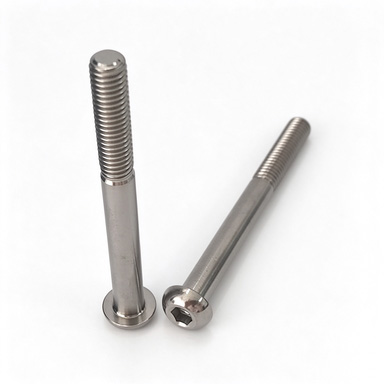
GR5 Titanium Bolts M6*70mm Factory Price Button Head Inner Hex Bolts Lightweight Screws
- Shank Length: M6 × 70mm Long-Reach
- Profile: Low-Drag Dome Button Head
- Tensile Strength: ≥ 950 MPa
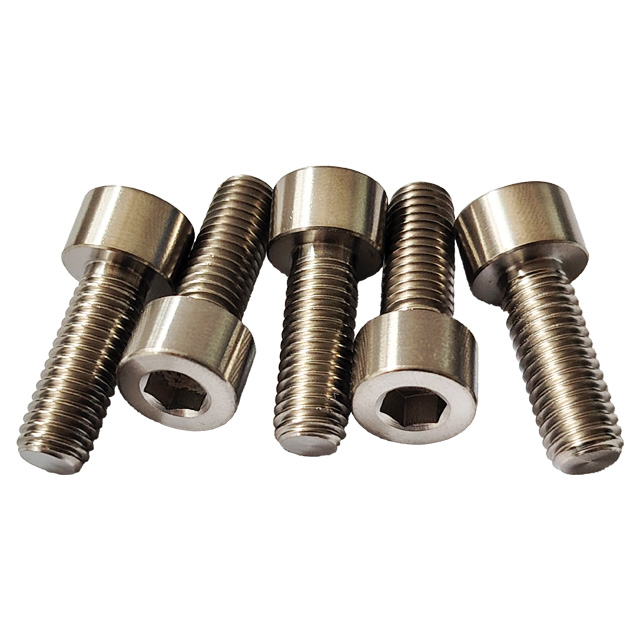
GR5 Titanium Bolts M8*25mm High Strength Cylindrical Head Hex Socket Bolts Cup Head Screws
- Standard Spec: DIN 912 / ISO 4762 Equivalent
- Dimensions: M8 × 25mm Pitch 1.25mm
- Preload Reliability: Unsurpassed Clamping Force
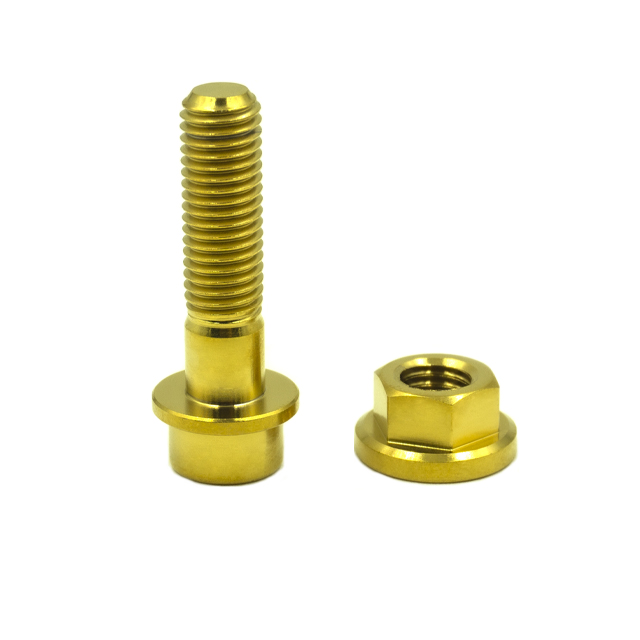
PSSTI GR5 Titanium Gold Flange Head Bolts Round Head Structural Fasteners M7*27
- Dimensions: M7 × 27mm Non-Standard
- Coating Hardness: ≥ 2300 HV (Gold TiN)
- Surface Roughness: Ra ≤ 0.4 μm Underhead
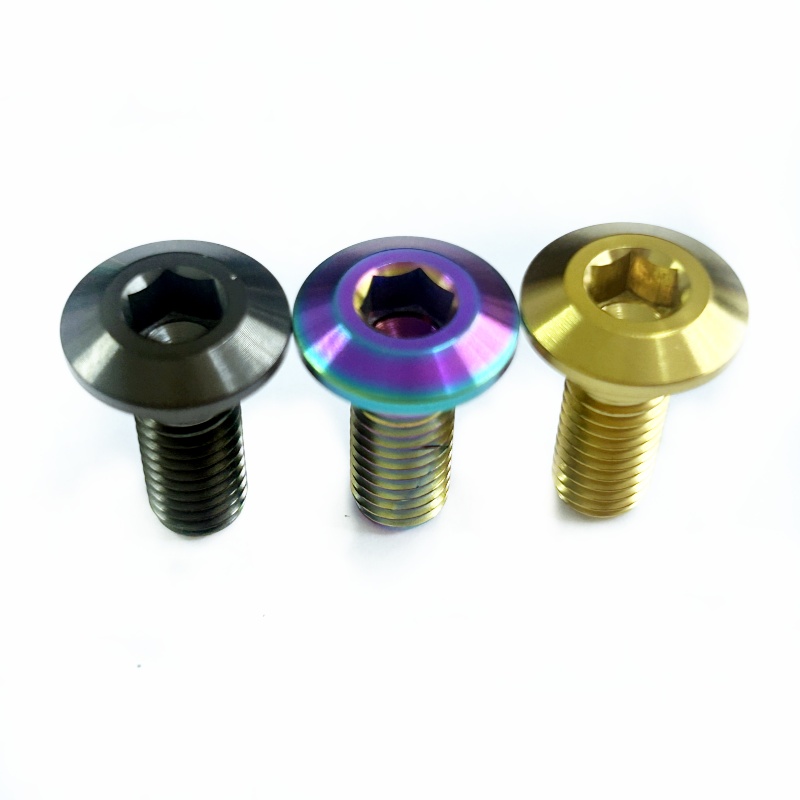
M8 Gr5 Titanium Bolts Shoulder Screws Hex Socket Head Bolts for Disc Brake Caliper Refit
- Shoulder Tolerance: h7 Precision Ground
- Primary Application: Brake Rotor & Caliper Mount
- Thermal Expansion: 8.6 × 10⁻⁶ / K
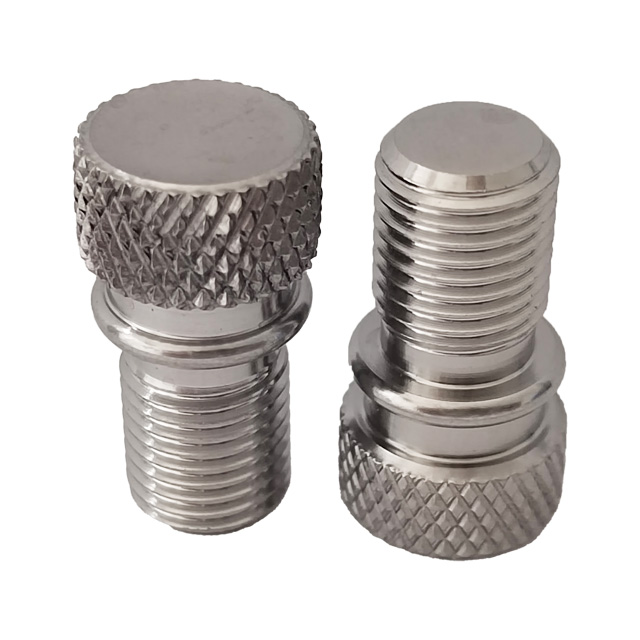
GR5 Titanium Bolts M9*1.0*12mm Cylindrical Head Knurled Bolts Hand-Tightening Screws
- Fine Thread Pitch: M9 × 1.0 × 12mm
- Grip Enhancement: Diamond Knurl Banding
- Weight Reduction: 44% Lighter Than Alloy Steel
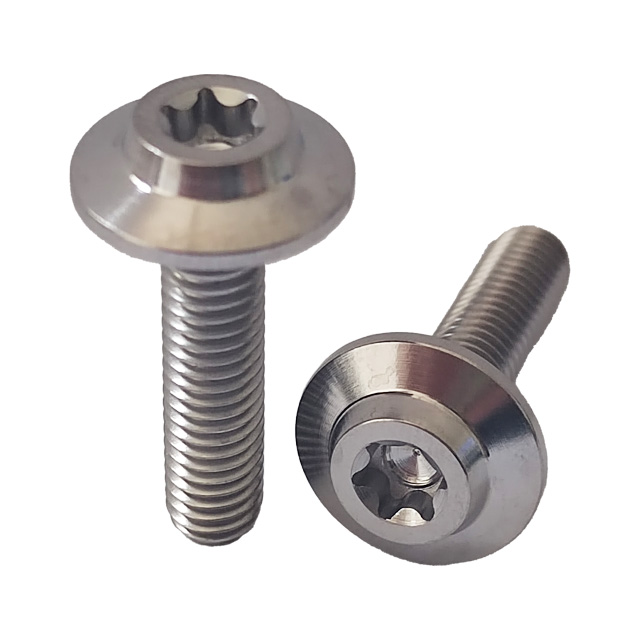
GR5 Titanium Bolts M6*25mm Umbrella Flange Head Inner Torx Bolts High Quality Taper Plum Screws
- Drive Style: High-Torque Torx (T30 Plum)
- Integrated Flange: Wide Load Distribution Base
- Corrosion Rating: Impervious to Road De-icing Salts
Fluid Dynamics and Fracture Mechanics in Titanium Banjo Fasteners
A titanium banjo bolt is fundamentally different from a standard solid structural bolt. It operates simultaneously as a critical threaded mechanical tension fastener and as a high-pressure hydraulic fluid conduit. Designed to connect a brake line or clutch line to master cylinders and calipers, it contains a central hollow axial bore intersect by one or more radial cross-drilled fluid ports. Under extreme braking maneuvers in motorsport, aviation, or high-performance automotive platforms, hydraulic line pressures frequently oscillate from ambient pressure to cyclical spikes exceeding 180 to 250 bar (2,600 to 3,600 PSI).
Cross-Hole Stress Concentration
Drilling the lateral fluid exit hole through the threaded root section drastically alters shear-stress distribution. Poor machining leaves microscopic burrs and acute internal angles, resulting in notch factors ($K_t$) over 3.2. Navzo implements 5-axis ECM deburring and micro-radiusing ($R \ge 0.3\,\text{mm}$) at every internal junction, virtually eliminating premature fatigue shear during dynamic fluid pulsations.
Thread Rolling vs. Single-Point Cut
Cut threads physically sever the continuous titanium metallurgical grain boundary lines, causing localized vulnerability to hydraulic micro-cracking. Navzo cold-rolls all external threads on cold-headed GR5 blanks. This plastic deformation burnishes thread flanks, induces advantageous compressive residual stresses, and yields an unmatched fatigue lifespan improvement of +240% over subtractively turned fasteners.
Optimized Hydrodynamic Orifice
Brake lever modulation stiffness relies on instantaneous volume transfer without localized turbulence. By precisely balancing internal axial core diameter with cross-port discharge orifices, our CFD-modeled banjo geometries minimize fluid flow drag, mitigating cavitation under rapid ABS pulsation cycles while maintaining the structural hoop thickness needed to support 35 Nm torque preloads.
When selecting standard metric configurations—such as M10 × 1.0mm (predominantly specified by European OEM brake architectures like Brembo, Magura, and AP Racing) versus M10 × 1.25mm (Japanese OEM setups including Nissin, Tokico, and Sumitomo)—thread pitch integrity determines clamp retention under severe vibration. Titanium’s modulus of elasticity (~114 GPa) is roughly half that of alloy steel (~210 GPa). This inherent elasticity functions as an integrated lock washer, flexing elastically to prevent banjo bolt back-out under race-track heat cycling.
Metallurgical Comparison: GR5 Titanium vs. Alternative Alloys
Understanding why aerospace and motorsport engineering directors are replacing stainless steel, mild steel, and low-grade aluminum banjo fittings with aerospace-grade Ti-6Al-4V Grade 5.
| Alloy Specification | Density (g/cm³) | Tensile Strength (MPa) | Yield Strength (MPa) | Fatigue Limit (10⁷ Cycles) | Corrosion Resistance | Galling Susceptibility | Unsprung Weight Saving |
|---|---|---|---|---|---|---|---|
| Navzo GR5 Titanium (Ti-6Al-4V) | 4.43 | ≥ 895 – 1000 | ≥ 828 | 510 MPa | Exceptional (Immune to Chlorides) | Controlled via PVD / Lubricant | 44% vs. Steel (~ Baseline) |
| Commercially Pure Ti (Grade 2) | 4.51 | 345 – 450 | 275 | 180 MPa | Exceptional | High | 43% (Inadequate for High Pressure) |
| Austenitic Stainless (AISI 316L) | 8.00 | 580 – 680 | 240 – 300 | 260 MPa | High (Vulnerable to Pitting) | Medium-High | 0% (Standard Benchmark) |
| Alloy Steel 10.9 (Zinc Plated) | 7.85 | 1040 | 940 | 420 MPa | Poor (Prone to Hydrogen Embrittlement) | Low | 0% (Heavy Benchmark) |
| Aerospace Aluminum 7075-T6 | 2.81 | 570 | 505 | 160 MPa | Moderate (Prone to Stress Cracking) | Low-Medium | 64% (Risk of Shear at Neck) |
Future Procurement Trends in Titanium Banjo Hardware (2025–2030)
Strategic purchasing managers are fundamentally transforming how they audit, contract, and source precision titanium hardware. Here are the four dominant supply chain vectors driving global demand.
Upstream Cluster Integration
Global OEMs are actively bypassing regional trading intermediaries to integrate directly with primary production clusters. Sourcing straight from Baoji, China ("Titanium Valley") provides direct ingot-to-part provenance, eliminating intermediate distributor markups and shielding annual contracts from commodity market volatility.
EN 10204 3.1 Traceability
The influx of counterfeit or low-strength Commercially Pure (CP) titanium mislabeled as Ti-6Al-4V has prompted stringent quality audits. Tier-1 racing and aerospace buyers now enforce lot-specific EN 10204 Type 3.1 mill test certificates, complete with ultrasonic flaw detection and chemical spectrometry logs for every production batch.
Lightweighting EV Brake Lines
Electric vehicles (EVs) and high-power electric motorcycles carry heavier battery assemblies, placing extreme pressure on unsprung suspension mass. Replacing heavy steel banjo couplings and brake caliper fasteners with titanium reduces unsprung rotational mass at wheel hubs, yielding faster suspension damping response and enhanced range efficiency.
Hybrid Rapid-Manufacturing
Procurement teams demand hybrid manufacturing flexibility. Prototyping and custom race iterations demand 5-axis Swiss-machining turnaround within 7 days, coupled with the capacity to transition seamlessly into multi-die high-speed cold-heading machines capable of producing 200,000 units per month for OEM vehicle factory lines.
Technological Innovations in Banjo Bolt Manufacturing
How cutting-edge surface physics, fluid engineering, and integrated sensor couplings are redefining fluid fastener reliability across the next generation of hydraulic control hardware.
Integrated Monolithic Bleeder Banjos
Conventional hydraulic bleeding requires separate bleed nipples on caliper housings, creating extra leak paths and weight. Navzo’s next-gen banjo designs integrate a micro-seated stainless steel bleed ball inside the titanium hex head cap, enabling direct, high-point air evacuation while slashing installation footprint and weight by 35%.
Nanocomposite Diamond-Like Carbon (DLC)
While bare titanium threads can gall against bare aluminum or titanium interfaces, modern Physical Vapor Deposition (PVD) has revolutionized surface tribology. Applying a 2–3 μm film of hydrogenated Diamond-Like Carbon (DLC) or Titanium Carbo-Nitride (TiCN) yields a surface hardness >2800 HV with an ultra-low friction coefficient (μ = 0.08–0.12), eliminating thread seizure without messy paste lubricants.
Pressure-Transducer Integrated Banjos
With electronic telemetry dominating modern race setups and autonomous test beds, smart banjo bolts are emerging. These fasteners feature an internal hollow sensor well that houses micro-piezoelectric pressure transducers, measuring dynamic brake line pressure pulses directly at the caliper entrance without altering hydraulic line geometry.
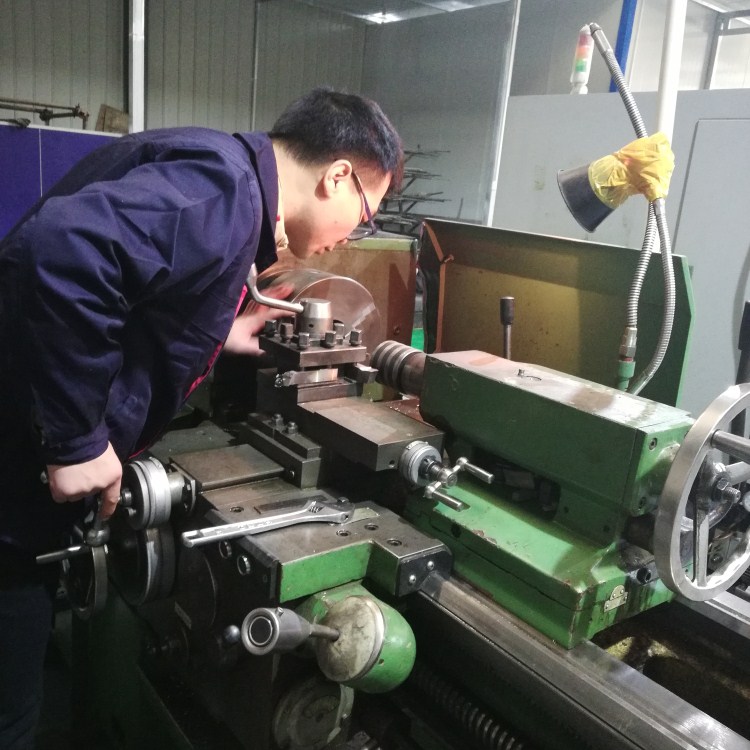
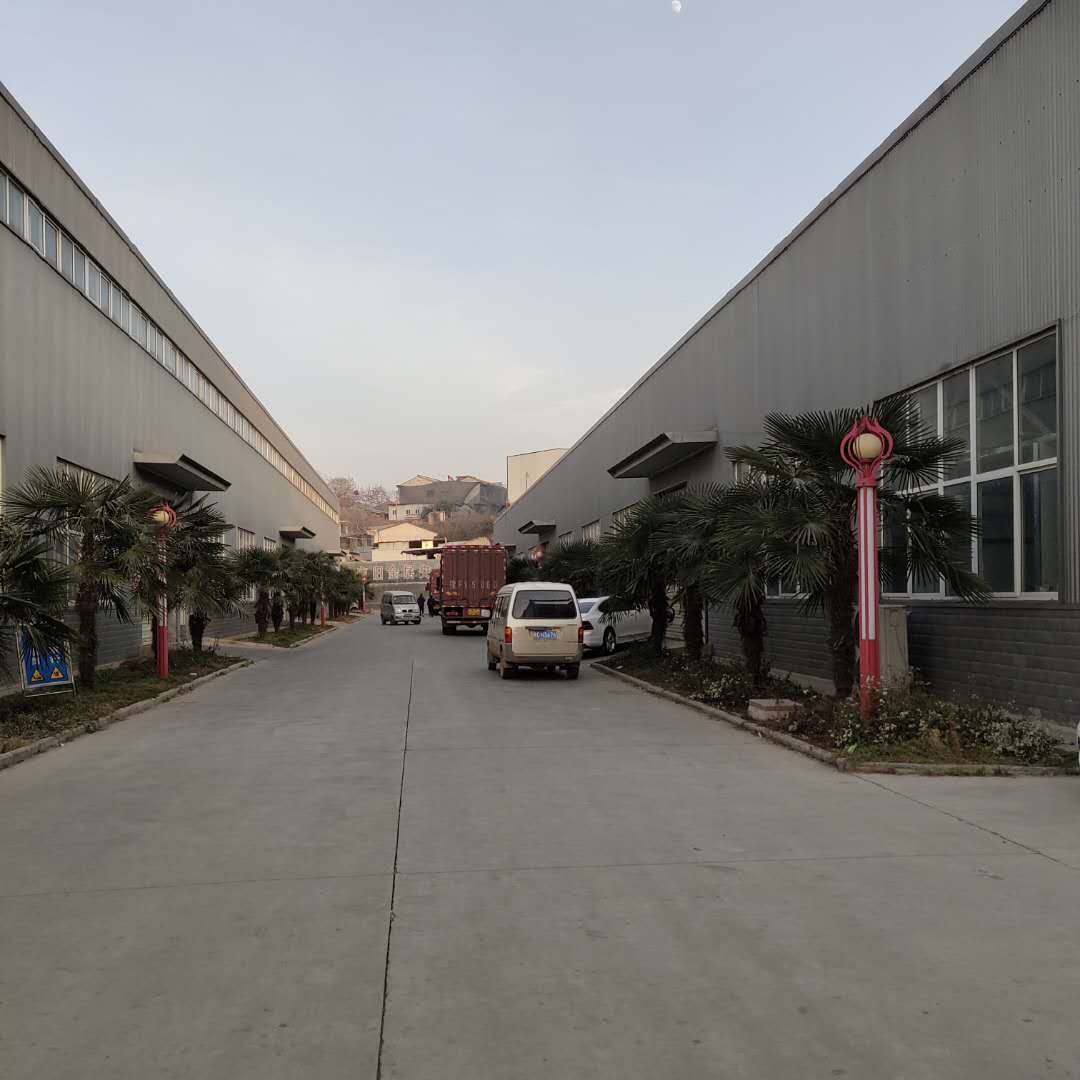
Engineered in China's Titanium Valley
Founded on January 10, 2011 on Yucai Road in the High-tech Development Zone of Baoji, Shaanxi, Navzo Precision Titanium Products Co., Ltd. is a verified manufacturer and direct exporter of aerospace and motorsport-grade fasteners, titanium bars, and CNC precision components.
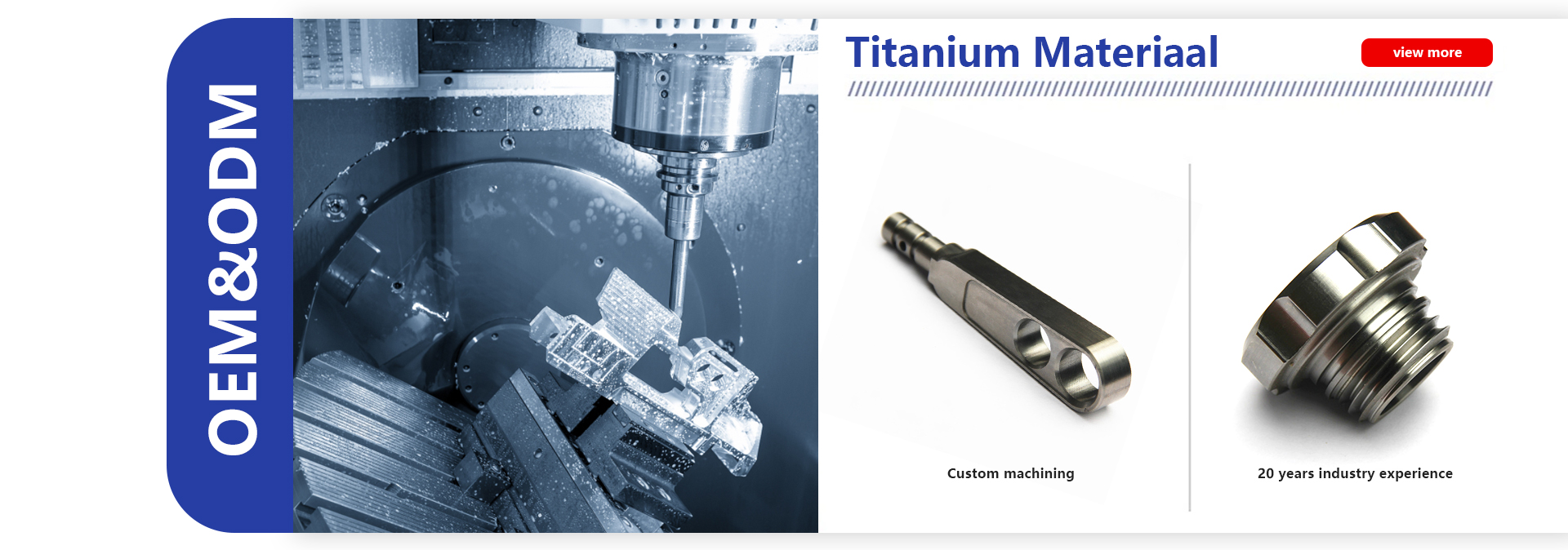
Operating within the world’s most concentrated titanium production cluster, Navzo leverages direct access to certified raw sponge and refined bar stock. We control the complete production chain under an ISO-certified quality management system: from multi-station cold heading and 5-axis CNC machining to high-precision thread rolling, custom PVD coating, and automated optical sorting.
-
100% Traceable GR5 Stock Direct mill test certificates (EN 10204 3.1)
-
Sub-Hour Responsiveness 100% inquiry reply rate under 60 minutes
-
Multi-Axis CNC Machining Micron tolerances down to ±0.005mm
-
Proven Global Supply Key accounts across US, DE, JP, RU, KR, NL
Procurement & Technical FAQ: Titanium Banjo Bolts
In-depth technical answers addressing metallurgy, tightening torques, sealing washer compatibility, galling mitigation, and production lead times.
What thread pitches are standard for brake banjo bolts, and how do I avoid mis-threading?
The two dominant thread standards for automotive and motorcycle brake systems are M10 × 1.0mm (very fine pitch) and M10 × 1.25mm (standard fine pitch). European brake assemblies (Brembo, Magura, Formula, AP Racing) predominantly utilize M10 × 1.0mm. In contrast, Japanese brake calipers and master cylinders (Nissin, Tokico, Sumitomo) typically specify M10 × 1.25mm. Double banjo bolts (used when stacking two line fittings onto a single master cylinder port) require precise shank lengths (typically 30–32mm) to ensure both cross-ports align perfectly with each banjo ring fitting. Never force thread engagement; Navzo marks thread pitch on packaging and laser-etches head faces upon request.
What is the recommended installation torque for a titanium banjo bolt?
Because a banjo bolt has a hollow axial channel and cross-drilled fluid holes, its shear cross-section is smaller than a standard solid fastener. For an M10 Grade 5 (Ti-6Al-4V) banjo bolt, the recommended installation torque is typically 20 to 25 Nm (15 to 18 ft-lbs), depending on whether soft copper or aluminum crush washers are used. Over-torquing beyond 35 Nm risks stretching the cross-drilled shank neck or stripping internal caliper threads. We strongly recommend using a calibrated torque wrench with clean threads lightly coated with anti-seize paste or synthetic brake assembly fluid.
What crush washer material should be paired with titanium to prevent galvanic corrosion?
Both annealed copper crush washers and temper-grade aluminum crush washers are compatible with titanium banjo fittings. High-purity annealed aluminum washers are preferred in motorsport environments because their galvanic potential closely matches forged aluminum caliper housings, eliminating galvanic cell creation. When using copper washers, ensure regular inspection in harsh, salty, or marine environments. For high-vibration racing applications, Dowty-style bonded rubber-to-metal seals provide outstanding sealing with lower required seating preloads.
How does Navzo eliminate thread galling in titanium-to-aluminum brake ports?
Titanium has a natural, passive oxide film (TiO2) that can generate high friction when rubbed against itself or other light metals under dry contact pressure. Navzo mitigates galling through three methods: (1) cold-rolling threads to a surface finish under Ra 0.4 μm; (2) applying vacuum Physical Vapor Deposition (PVD) coatings like DLC or TiN, which add a durable lubricious barrier; and (3) advising the application of an anti-seize compound containing molybdenum disulfide or PTFE during dry assembly.
Why is Ti-6Al-4V Grade 5 mandatory over Commercially Pure (CP) titanium for banjo bolts?
Commercially Pure Grade 2 titanium possesses a tensile strength of only 345–450 MPa, which is lower than mild steel. A hollow banjo bolt made from Grade 2 can stretch, deform, or experience fatigue shearing under high hydraulic brake pressures (up to 200 bar) and tightening torque loads. In contrast, Navzo’s Ti-6Al-4V Grade 5 is an alpha-beta alloy with an ultimate tensile strength exceeding 895–1000 MPa and a yield strength over 828 MPa, delivering the structural safety factor essential for safety-critical braking systems.
Can Navzo customize banjo bolts to bespoke customer 2D/3D CAD drawings?
Yes. Custom OEM and ODM manufacturing represents over 60% of our production volume. Customers can provide 2D blueprints (PDF, DWG) or 3D CAD files (STEP, IGES). Our engineering team evaluates manufacturability, thread runout, and cross-hole placement before configuring our 5-axis CNC Swiss screw machines and multi-station cold headers. Custom head designs (pre-drilled hex for safety wire, Torx T30/T40 drives, umbrella flanges) and laser brand engraving are fully supported.
What quality inspection records and material certifications accompany orders?
Every production batch includes an EN 10204 Type 3.1 Mill Test Certificate detailing raw ingot chemical composition (Ti, Al, V, Fe, C, N, H, O) and room-temperature mechanical tensile/yield data. For finished parts, we supply dimensional inspection reports generated with optical profile projectors and coordinate measuring machines (CMM), plus thread gauge pass/fail verifications and batch salt-spray corrosion logs.
What are the standard order MOQs, sample lead times, and dispatch arrangements?
For catalog items and standard metric sizes (e.g., M10x1.0x20mm, M10x1.25x20mm, single and double banjos), our typical minimum order quantity (MOQ) is 100 to 200 units. For fully customized OEM geometries, pilot sample runs of 20 to 50 pieces can be arranged with tooling turnaround within 10 to 14 days. Volume production orders typically ship in 20 to 30 days via DHL/FedEx air express or palletized sea freight, packed in export-grade vacuum blisters and shockproof cartons.
Accelerate Your Titanium Fastener Supply Line
Connect directly with Navzo’s factory engineering department in Baoji. Send your technical drawings, thread specifications, and quantity requirements to receive a fast manufacturing review and formal quote within 1 hour.