[email protected] On-site Verified Titanium Manufacturer · Baoji, China
ISO 9001 & AS9100 Precision Certified Mill Cluster

Top Trusted Titanium Alloy Fasteners Factories & Exporter

Global Technical Procurement Architecture: High-Tensile Ti-6Al-4V (Grade 5) Cold-Headed & CNC-Turned Fasteners Directly from Baoji's Premier Engineering Cluster.

2011+
Pioneered in Baoji Valley
≤1h
Rapid Engineering RFQ Response
895+
MPa Tensile Yield Strength
34%
Global Verified Reorder Rate
100%
EN 10204 3.1 Traceable MTRs
Engineered Inventory

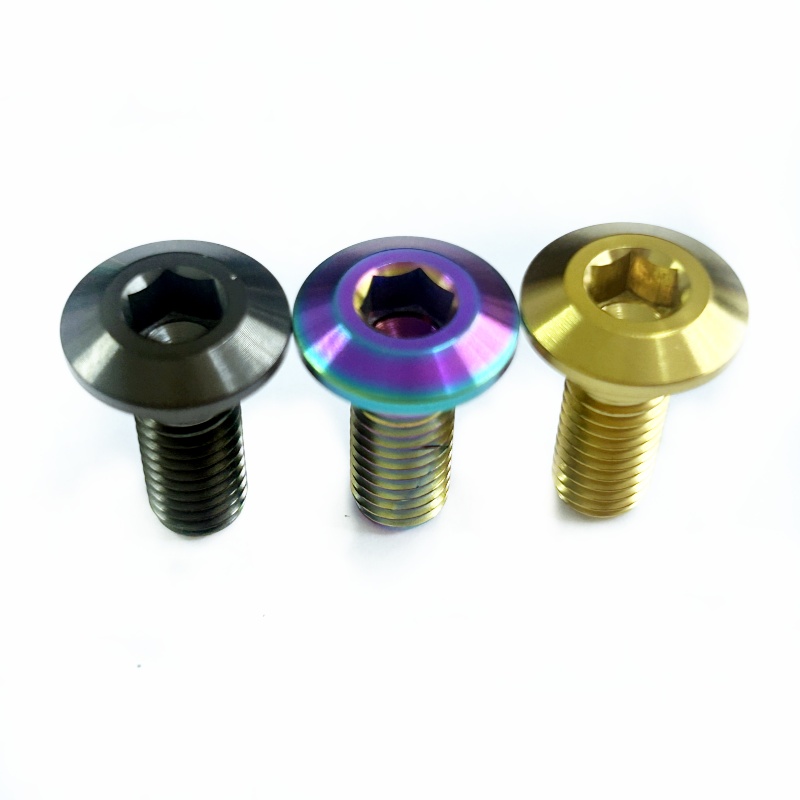
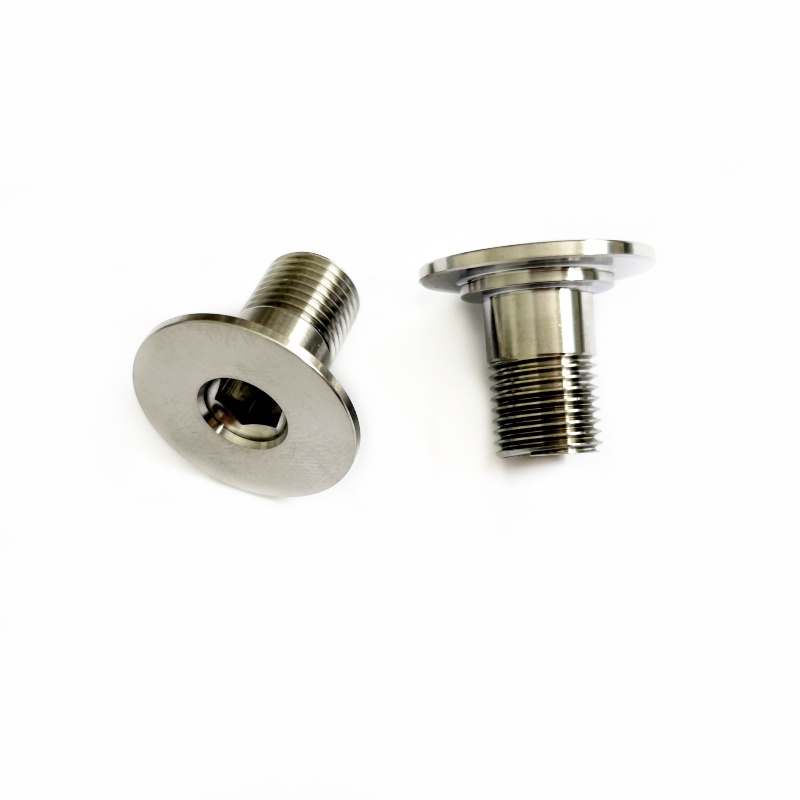
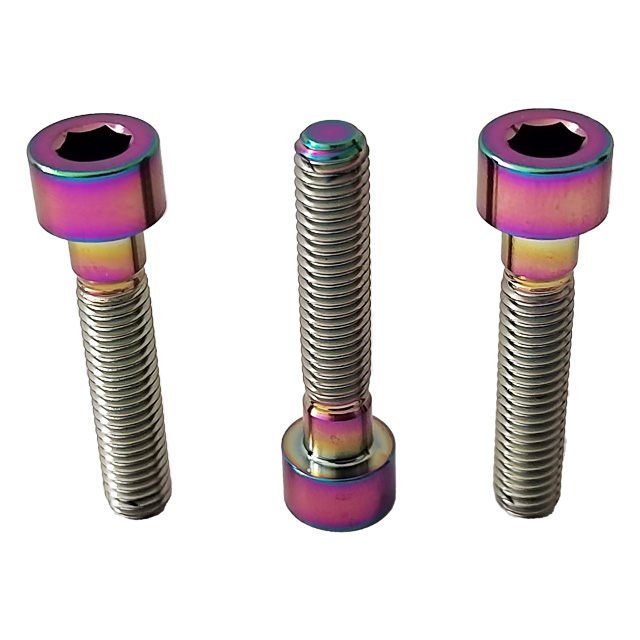
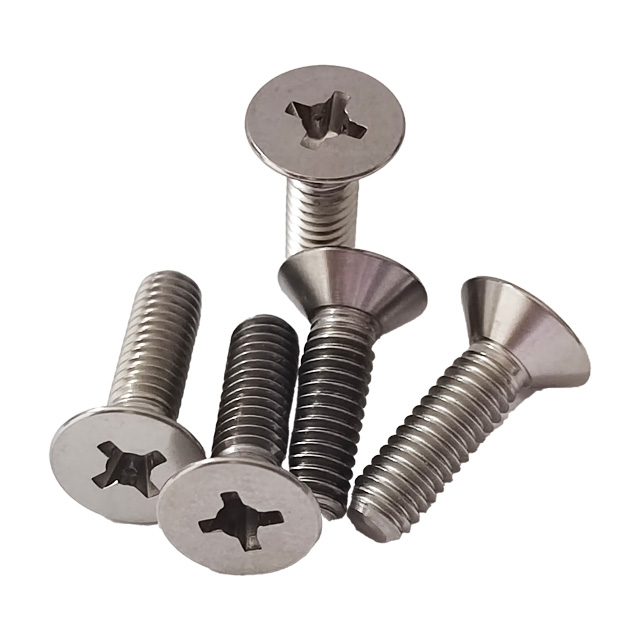
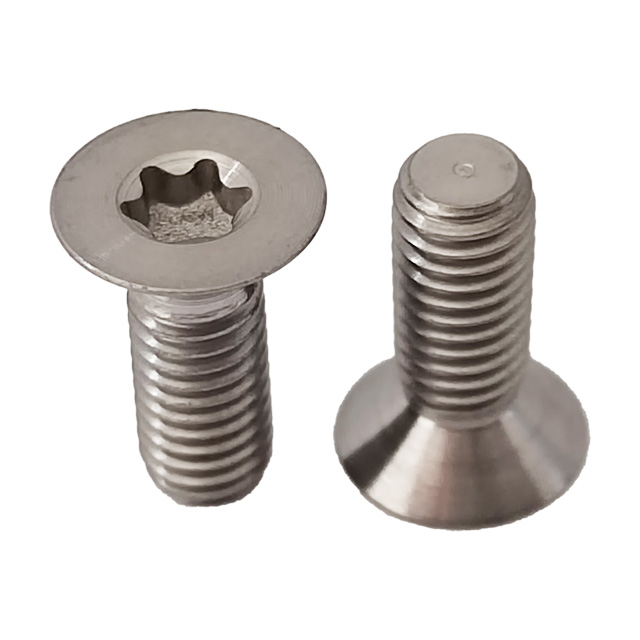
High-Performance GR5 (Ti-6Al-4V) Fasteners Catalog

Precision-manufactured utilizing vacuum arc remelted (VAR) titanium bars. Each fastening solution undergoes calibrated thread-rolling and dimensional optical verification to meet stringent DIN, ISO, and custom OEM mechanical benchmarks.

Send an Inquiry
Empirical Metallurgy

Comparative Mechanical Properties: GR5 Titanium vs. Conventional Fastener Alloys

Evaluating strength-to-weight ratios, operational thermal limits, and chloride stress-corrosion resistance helps supply chain directors replace outdated alloy steel and heavy austenitic stainless steels.

Alloy Grade Density (g/cm³) Yield Strength (MPa) Tensile Strength (MPa) Modulus of Elasticity (GPa) Chloride Pitting Resistance Engineering Assessment
GR5 Ti-6Al-4V (Navzo) 4.43 828 – 910 895 – 1,020 114 Immune Optimal structural aerospace/motorsport benchmark
GR2 Commercially Pure 4.51 275 – 380 345 – 485 103 Immune Superior ductility for low-stress chemical plating/anodes
AISI 316L Stainless Steel 8.00 220 – 290 520 – 680 193 Moderate (Susceptible to crevice corrosion) 80% heavier with 60% lower yield limit than GR5
Grade 10.9 Structural Steel 7.85 900 – 940 1,000 – 1,040 206 Extremely Poor (Requires sacrificial zinc/cadmium) High strength but prohibitive weight and rapid rust potential
7075-T6 Aerospace Aluminum 2.81 460 – 505 525 – 570 72 Subject to intergranular exfoliation Insufficient shear and thread strip threshold for critical joints

44.2% Unsprung Mass Reduction

Replacing ferrous hardware on rotating hub assemblies, disc brake rotors, and suspension links drastically minimizes rotational inertia, delivering immediate improvements in vehicle damping response and cyclic efficiency.

Self-Passivating TiO&sub2; Protective Film

Upon exposure to trace atmospheric oxygen, titanium instantaneously synthesizes an amorphous rutile/anatase titanium dioxide oxide layer, insulating the substrate against chlorine ions, sea sprays, and hot nitric acid chemistries.

Fatigue-Resistant Thread Rolling

Rather than machining or cutting threads—which severs grain flow lines—Navzo executes cold thread rolling between hardened carbide dies, inducing residual surface compressive stress that prevents high-cycle fatigue initiation.

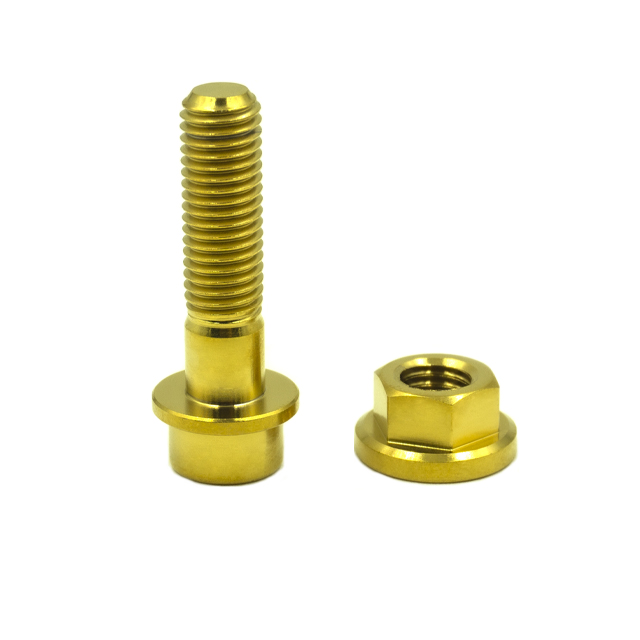
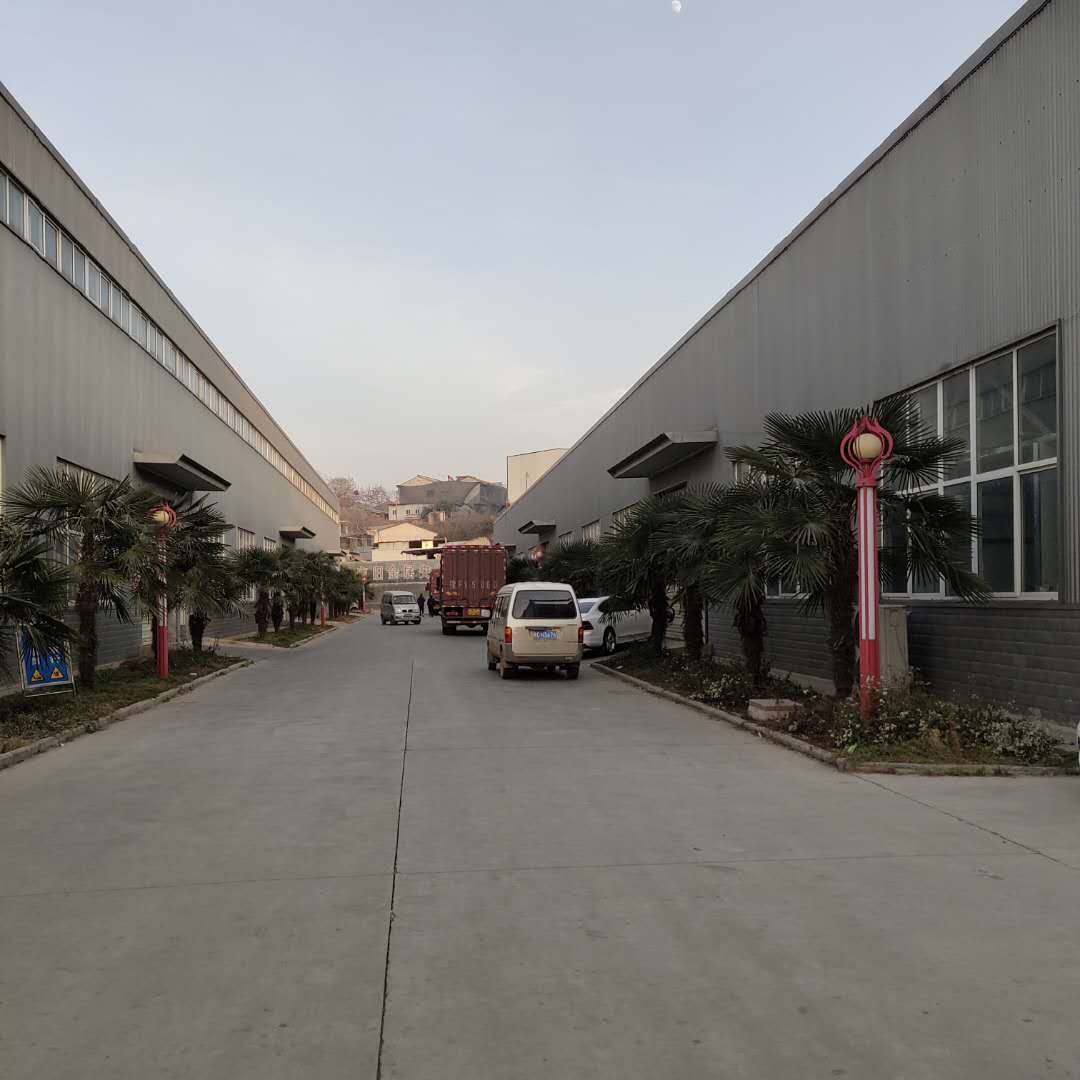
Navzo Precision Titanium machining and manufacturing workshops in Baoji China
Baoji Titanium Valley Nexus

Integrated Manufacturing from Raw Ingot to Precision Fastener

Founded on January 10, 2011, within the High-tech Development Zone of Baoji, Shaanxi, Navzo Precision Titanium Products Co., Ltd. is physically positioned at the core of the largest titanium manufacturing cluster on earth. Baoji produces over 60% of China's titanium ingots and supplies more than 20% of global titanium sponge requirements.

This geographical integration shortens our raw material procurement cycle from weeks to hours. By working alongside national metallurgical institutes, our facilities maintain end-to-end chemical and mechanical oversight, avoiding intermediate markup and irregular sub-tier batch variables.

  • 100% Vacuum Arc Remelting (VAR) Double-Melt Titanium: Ensures ultra-low interstitial gas limits (O ≤ 0.18%, H ≤ 0.012%, N ≤ 0.03%).
  • Multi-Station Cold Heading & High-Speed Swiss CNC Lathes: High-precision tolerances sustained down to ±0.005 mm across custom non-standard heads.
  • Total Chemical & Metallurgical Traceability: Mill Test Certificates conforming directly to EN 10204 3.1 supplied alongside every export consignment.
Inspection Infrastructure

End-to-End Quality Verification Architecture

Precision fastening failures in motorsport and aerospace are unacceptable. Navzo subjects every batch of raw billet, pre-form blank, and finished bolt to multi-tier metallurgical and dimensional qualification.

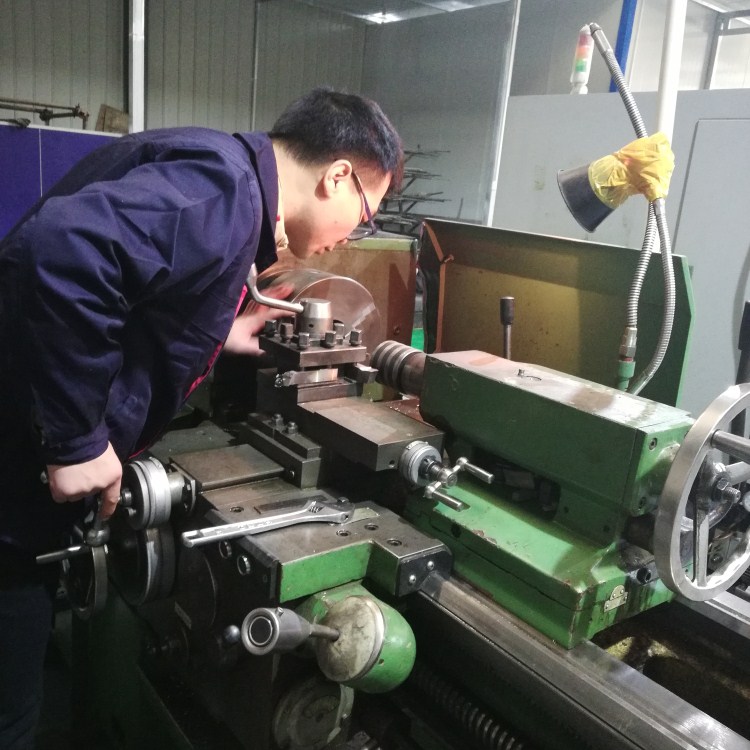
CNC Machining processing for custom titanium precision parts

Precision CNC Lathe Turning

High-precision multi-axis Swiss CNC turning stations handle intricate aerospace geometries, countersinks, and specialized drilled lightening channels with surface roughness under Ra 0.4 μm.

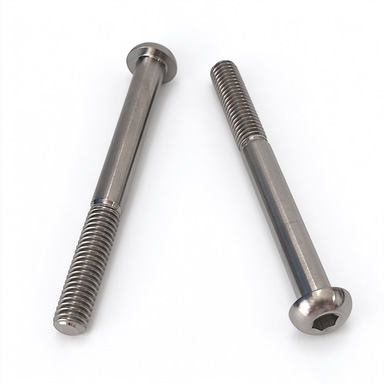
Dimensional verification and mechanical testing on titanium bolts

Optical Sorting & Gauging

100% automated optical profile projection inspects major thread diameters, pitch accuracy, drive depth, and run-out eccentricity, guaranteeing zero defect escapes to foreign automated assembly lines.

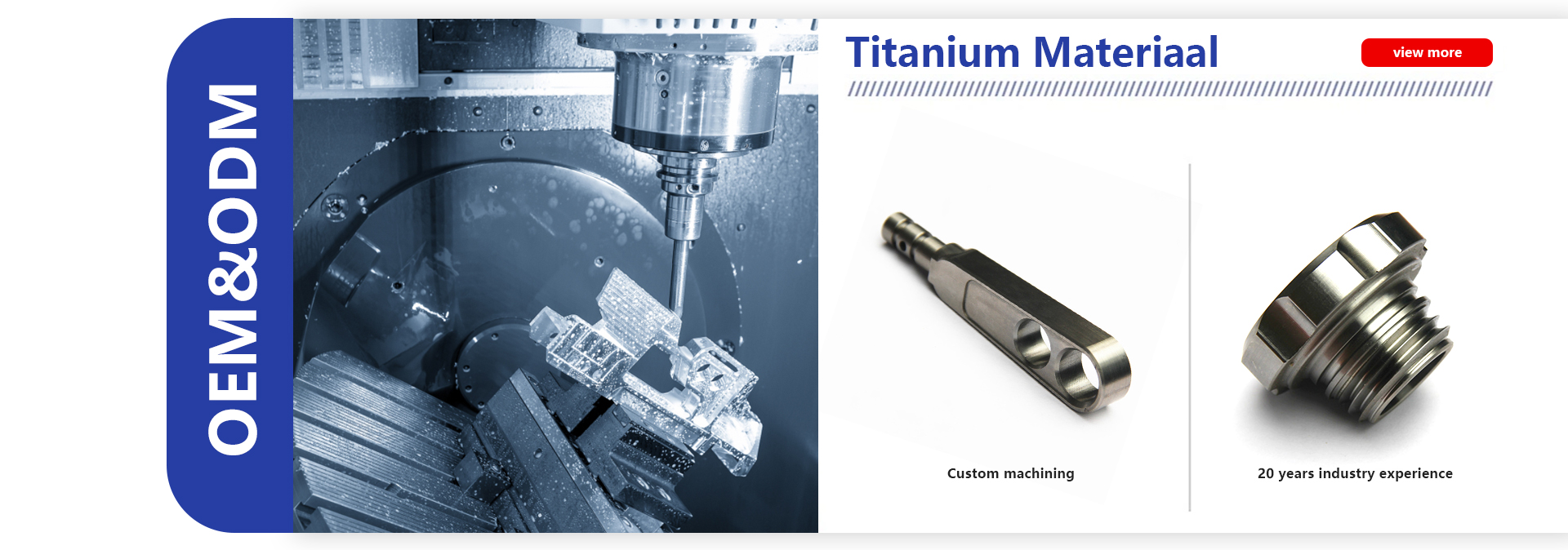
Automated workshop equipment for mass production of titanium screws

Cold/Warm Header Press Line

Specialized induction-assisted warm heading preserves grain flow line continuity across fastener transitions, increasing dynamic head shear integrity by 35% compared to conventionally machined fasteners.

Industry Forecasting

Future Procurement Trends in Titanium Alloy Fasteners (2025–2030)

Global supply chain disruptions, lightweighting mandates in e-mobility, and the decarbonization of commercial air travel are reshaping how engineering leaders procure non-ferrous hardware.

Direct-to-Cluster Mill Disintermediation

Tier-1 automotive and aerospace integrators are moving away from multi-layered regional stockists in Western markets. Engineering teams now bypass third-party trading markups by contracting directly with vertically integrated Baoji manufacturing clusters, reducing procurement expenses by 32% to 45% while obtaining origin-guaranteed MTR certifications.

Mass-Neutralization in Hyper-Performance BEVs

As heavy 800V automotive battery packs push curb weights higher, electric hypercars and performance luxury crossovers turn to GR5 titanium subframe bolts, wheel lug nuts, and battery casing hardware to shed 35–60 kg of parasitic chassis mass without compromising crash shear values.

Standardization of Circular Recycled Ingot

Driven by European CBAM (Carbon Border Adjustment Mechanism) environmental compliance, major global importers now audit recycled titanium scrap handling. Forward-thinking plants deploy closed-loop vacuum arc remelt circuits to lower carbon footprints per unit fastener by up to 58%.

R&D Horizons

Next-Generation Technological & Metallurgical Engineering

Continuous material science innovations expand the working horizons of titanium alloy threaded connections in extreme vibration, marine submersion, and high-wear environments.

PVD Diamond-Like Carbon (DLC) Anti-Galling Barriers

Titanium's natural propensity toward galling under thread engagement friction has traditionally necessitated anti-seize paste. Emerging PVD (Physical Vapor Deposition) functional coatings deposit sub-micron layers of Diamond-Like Carbon (DLC) or Titanium Aluminum Nitride (TiAlN). These engineered coatings drop thread friction coefficients down to μ = 0.08, providing dry anti-galling protection throughout repeated service torquing cycles.

Ultra-Fine Grain (UFG) Cryogenic Forging

Severe plastic deformation (SPD) and warm-rotary swaging processes break down the internal alpha-beta grains of Ti-6Al-4V to sub-micrometer regimes. This structural refinement increases ultimate tensile thresholds beyond 1,180 MPa while raising notched Charpy impact energy, yielding high-shear titanium fasteners that directly rival Class 12.9 alloy steels.

Grade 23 Ti-6Al-4V ELI (Extra Low Interstitial) Adoption

Originally developed for surgical implantation and cryogenic rocket plumbing, ASTM F136 / AMS 4930 ELI titanium reduces allowable oxygen contents to ≤ 0.13%. This low-oxygen configuration eliminates micro-fissuring in sub-zero aerospace operations and deep-sea submersibles subjected to multi-atmosphere hydraulic cycling.

Additive Manufacturing-Compliant Fastening Interfaces

As topology-optimized 3D-printed titanium structures populate aerospace brackets, conventional hex and socket bolts create stress risers. Navzo's research wing has engineered curved-underside flange bolts and self-aligning conical interfaces configured to seat safely on raw additive-manufactured titanium surfaces without local spot-facing.

Technical Q&A

Frequently Asked Questions: Industrial & OEM Titanium Procurement

Clear, engineering-driven answers to frequent technical questions regarding galling mitigation, torque tension calculations, galvanic isolation, and raw material validation.

Q01. How does thread galling occur in titanium fasteners, and what are the standard preventative measures?
Titanium has a relatively low modulus of elasticity (~114 GPa) and high chemical reactivity under friction, making it susceptible to cold-welding adhesion (galling) when threaded against itself or stainless steel under elevated contact pressures. To eliminate this issue, engineers recommend using molybdenum disulfide (MoS&sub2;) paste, nickel-based anti-seize, or requesting Navzo's specialized anti-galling PVD coatings or Type II anodic conversion treatments.
Q02. How should engineering teams recalculate tightening torque when switching from Grade 8.8/10.9 steel to GR5 titanium?
Because Grade 5 titanium shares a comparable yield profile with Grade 10.9 alloy steel (~830–900 MPa) but has nearly half the shear and elastic modulus, standard torque formulas (T = K × D × F) must be recalibrated. When dry, titanium displays a higher friction coefficient (K ≈ 0.25–0.30), but when lubricated with anti-seize, K drops to 0.12–0.15. Generally, torquing values should be calibrated down by 15% to 20% compared to dry steel values to avoid over-stretching the fastener's root diameter.
Q03. What galvanic corrosion issues arise when titanium contacts aluminum or carbon fiber (CFRP)?
Titanium is galvanically noble. When paired directly with carbon fiber reinforced polymers (CFRP), it demonstrates near-perfect galvanic neutrality, making it the industry standard for aerospace composites (unlike steel, which corrodes against carbon). However, when paired directly with anodized aluminum (6061-T6, 7075-T6) in salt-spray marine environments, the aluminum component acts as a sacrificial anode. We recommend zinc-free epoxy primer isolators, wet-installed fluoropolymer washers, or specialized cadmium-alternative barrier coatings to preserve structural life.
Q04. What certified testing documentation is delivered with custom OEM export orders?
Every export lot is dispatched with comprehensive EN 10204 3.1 Mill Test Reports (MTR). This encompasses spectroscopic chemical decomposition (verifying Ti, Al, V, Fe, C, N, H, O content per ASTM B348 / AMS 4928), tensile fracture elongation tests, yield proof tests, Rockwell C hardness logs, thread gauge acceptance verification (GO/NOGO 6g/6H), and optional ultrasonic non-destructive testing (NDT) reports confirming the absence of internal voids.
Q05. Why choose cold/warm thread rolling over CNC cut threads for dynamic high-vibration applications?
Cutting threads on a lathe physically cuts through the titanium grain microstructure, leaving micro-notches at thread roots that act as fatigue initiation sites under cyclic vibration. Cold or induction-assisted warm thread rolling displaces the alloy plastically without cutting. This preserves grain boundary continuity, burnishes thread flanks to a mirror Ra 0.2 μm finish, and introduces beneficial residual compressive stress, increasing operational fatigue life by 300% to 400%.
Q06. What is the functional and thermal difference between Anodized, PVD, and Burnt Blue finishes?
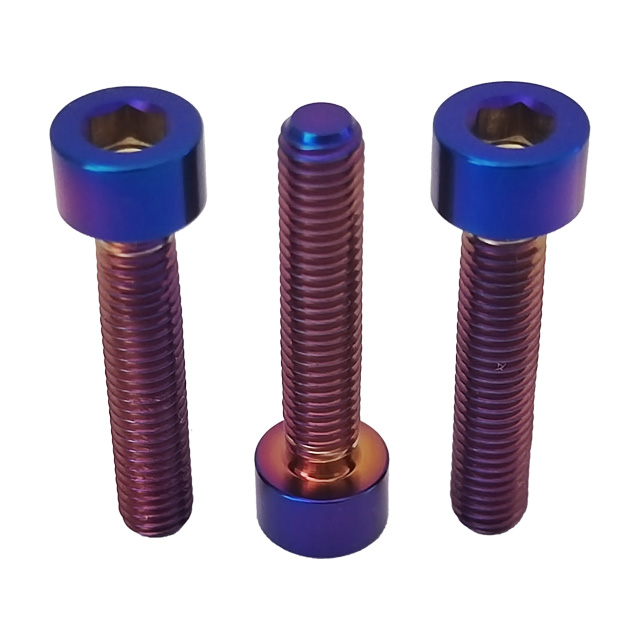
Type II electrochemical anodizing uses voltage variations to grow an interference oxide layer, providing bright decorative hues (gold, blue, purple) suitable for bicycles and clean environments up to 280°C. Burnt Blue is an artisanal thermal flame oxidation layer favored in Japanese motorsport for its distinctive heat-tint gradient. PVD (Physical Vapor Deposition) is a high-vacuum plasma deposition process that creates a thin, extremely hard ceramic barrier (TiN, DLC, TiCN) with superior scratch resistance and operational limits exceeding 600°C.
Q07. How does Navzo mitigate hydrogen embrittlement during pickling and surface descaling?
Titanium readily absorbs nascent hydrogen during chemical pickling, forming titanium hydrides that can cause catastrophic delayed brittle failure under static tensile loads. Navzo employs strictly controlled nitric-hydrofluoric acid ratios (HNO&sub3; > 10 × HF) to inhibit hydrogen pick-up, followed by mandatory high-vacuum dehydrogenation thermal baking (680°C – 720°C for 4 hours) whenever hydrogen measurements approach 100 ppm.
Q08. What are your minimum order quantities (MOQ) and production turnaround cycles for bespoke drawings?
For standard DIN catalog hardware held in raw headed inventory, MOQs start from 100–200 units per size, with surface finishing and packaging fulfilled in 5–7 days. For custom OEM parts based on 2D prints or 3D CAD models (STEP/IGES), rapid prototyping typically delivers in 10–12 working days. High-volume container production runs are scheduled within a 25–35 day turnaround window, complete with full dimensional verification reports.
Accelerate Your Titanium Fastener Supply Chain

Partner directly with Navzo Precision Titanium in Baoji, China. Submit your design drawings (PDF/CAD), target alloy specifications, annual usage quantities, and surface requirements. Our engineering procurement office provides formal DFM feedback and competitive FOB/CIF quotation within one hour during operational business hours.

Send an Inquiry