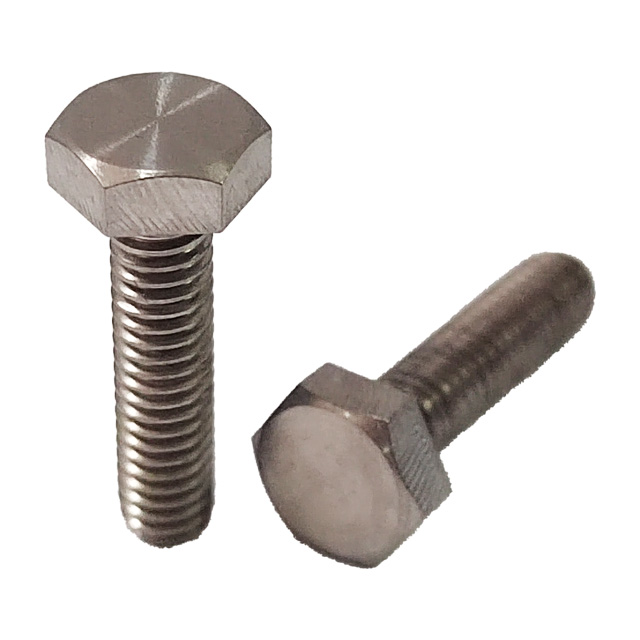
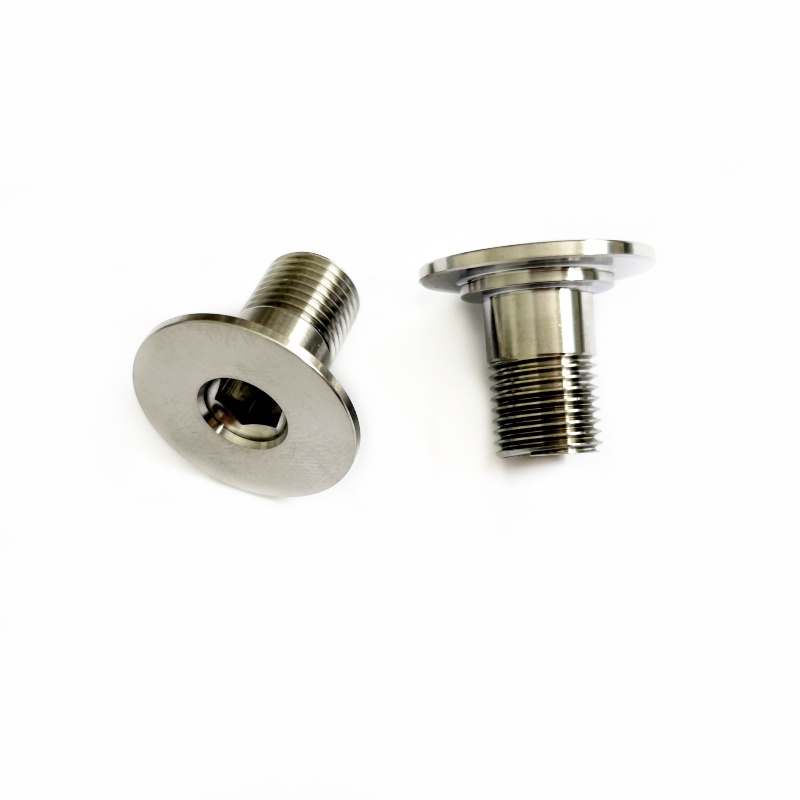
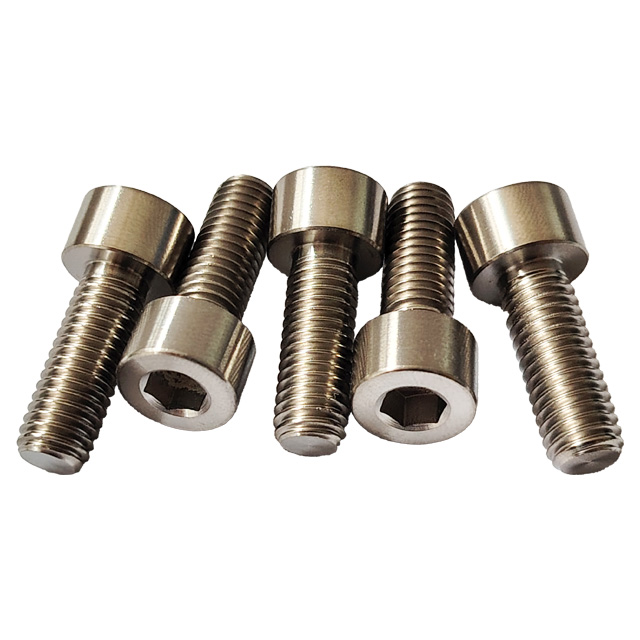
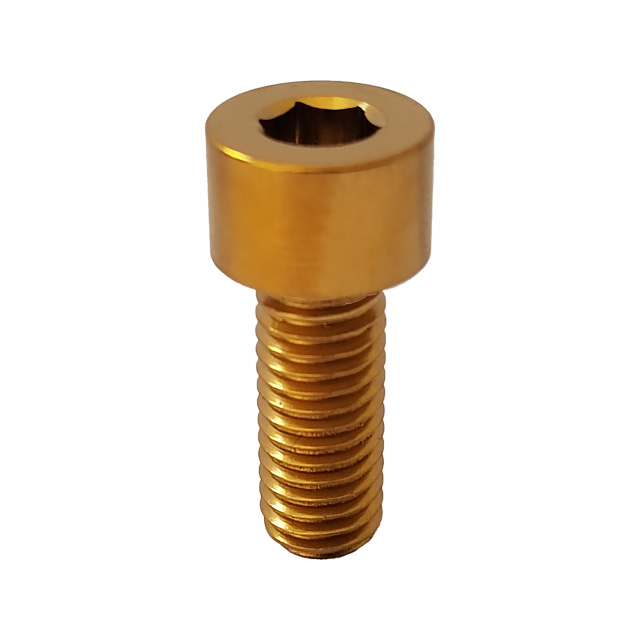
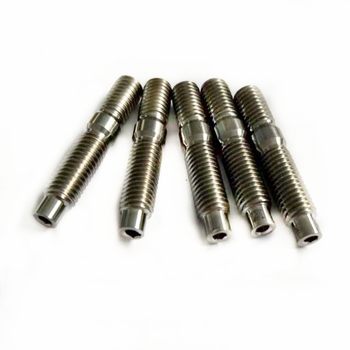
Engineered for lightweighting, extreme tensile loads, and zero galvanic degradation in motorsport, aerospace, marine, and high-spec bicycle architectures.
Metallurgical Superiority: Grade 5 Titanium (Ti-6Al-4V) in Critical Joints
A technical evaluation of structural load capacity, density-to-strength ratios, and cyclic fatigue behavior between aerospace-grade titanium and standard structural fastener alloys.
Fastener Material Specification
Density (g/cm³)
Tensile Strength (MPa)
Yield Strength (MPa)
Shear Strength (MPa)
Corrosion Resistance
Fatigue Life Cycle Ratio
Navzo GR5 Titanium (Ti-6Al-4V Cold-Formed/Rolled)
4.43
895 - 1050
828 - 950
550 - 620
Immune to Cl-, Salts, Nitric Acid
1.00 (Benchmark Reference)
GR2 Commercially Pure Titanium (ASTM B348)
4.51
345 - 480
275 - 380
240 - 310
Extreme Chemical Passivity
0.48 (Low-load Ductile)
Marine Grade Stainless Steel (AISI 316 / A4-80)
8.00
800
600
480
High (Prone to Pitting Crevice)
0.62 (Moderate Cyclic Load)
High-Tensile Carbon Alloy Steel (Class 10.9)
7.85
1040
940
620
Poor (Immediate Oxidation Without Coat)
0.74 (Hydrogen Embrittlement Risk)
High-Tensile Carbon Alloy Steel (Class 12.9)
7.85
1220
1100
720
Poor (Extreme Hydrogen Cracking Risk)
0.81 (Notch Sensitive)
Aerospace Aluminum Alloy (7075-T6 Hardened)
2.81
572
503
331
Moderate (Subject to Exfoliation)
0.39 (Rapid Stress Corrosion)
Thread Rolling vs. Thread Cutting
Navzo utilizes cold and warm thread-rolling processes rather than traditional cutting. Thread rolling maintains uninterrupted metallurgical grain flow along the root and crest contours, elevating thread-root fatigue endurance by 35% to 42% under severe vibration conditions.
Gall-Free Fastening Dynamics
Titanium naturally builds a transparent TiO2 passive film that can gall under unlubricated friction. Through proprietary micro-arc oxidation, dry-film lubricant bonding, and specialized PVD anti-friction coatings, our fasteners guarantee consistent nut clamping torque without thread galling.
Extreme Mass-Reduction Multiplier
With a density of only 4.43 g/cm³, substituting heavy 10.9-grade steel fasteners with Navzo Grade 5 titanium instantly removes 44% of un-sprung mass in performance wheel hubs, brake caliper mounts, and aerospace linkages, drastically lowering moment of inertia and resonant oscillation.
Enterprise Manufacturing Engine
Navzo Precision Titanium Co., Ltd. — China Titanium Valley Hub
Founded on January 10, 2011, and nestled in the core High-tech Industrial Development Zone of Baoji (Shaanxi, China), Navzo Precision Titanium operates at the epicentre of the world's most concentrated titanium manufacturing cluster. This strategic positioning provides our engineering team with direct, traceable access to premium titanium sponge stock and advanced forging mills.
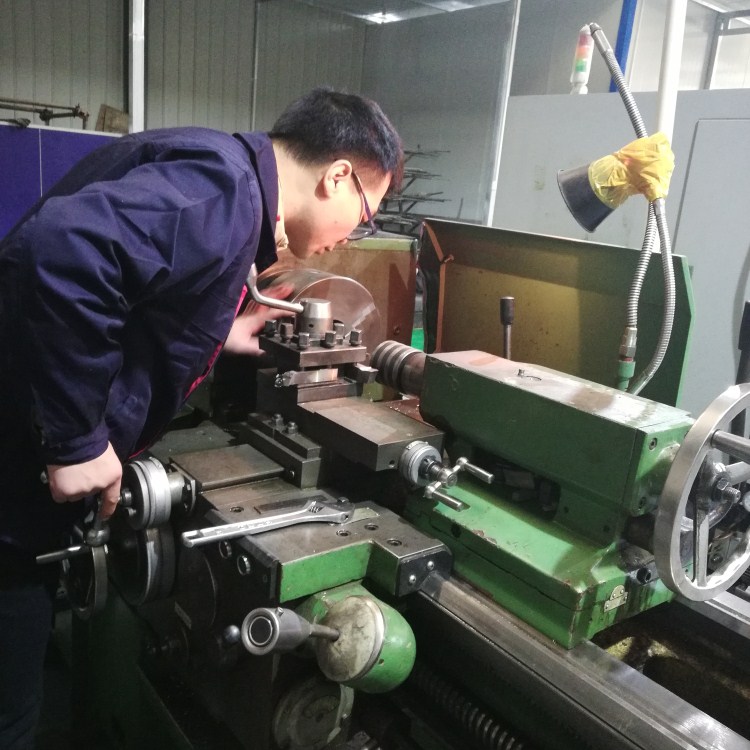
As an on-site verified manufacturer ranked among the top-tier titanium bolt suppliers on global procurement networks, we run comprehensive multi-axis CNC Swiss-machining centers, cold heading presses, precision thread-rolling machines, and optical laser sorting lines under strict quality regimens.
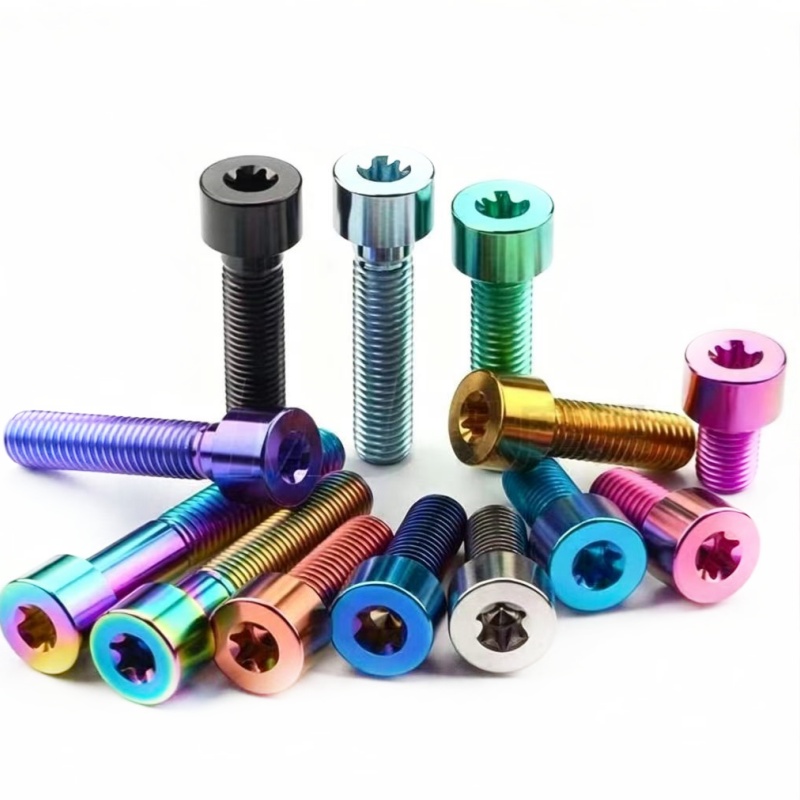
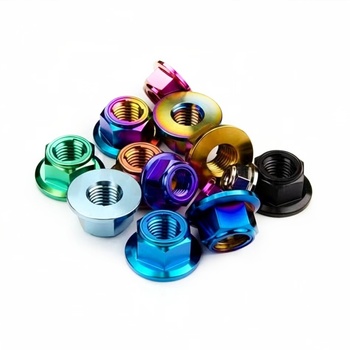
Every industrial environment requires a tailored surface layer. Navzo integrates four specialized surface modifications designed to optimize aesthetic appeal, scratch hardness, and friction coefficients.
Electrolytic Anodizing
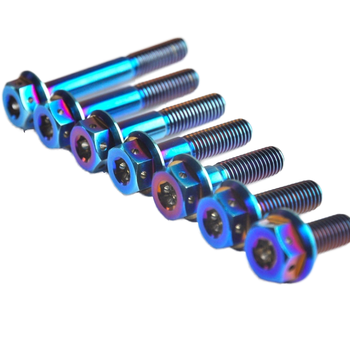
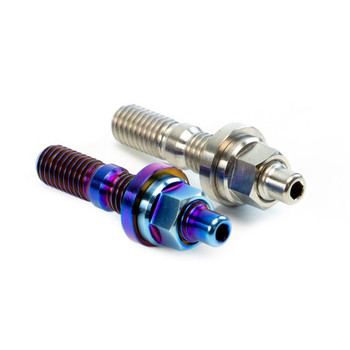
Utilizes precise voltage tuning to build an interference titanium oxide barrier layer. Produces vibrant gold, blue, purple, and green colors without paint or dyes. Maintains micro-tolerance thread geometry.
Thermal Burnt Blue
A specialized high-temperature oxidation process that generates an authentic blue-violet gradient. Highly coveted in aftermarket superbike exhausts, automotive turbochargers, and racing engine bays.
Physical Vapor Deposition (PVD)
Vacuum-deposited ultra-thin titanium carbonitride (TiCN) or diamond-like carbon (DLC) films. Yields exceptional surface hardness (>2500 HV) and ultra-low friction for components subject to repeated torquing.
Natural Chemical & Mirror Polish
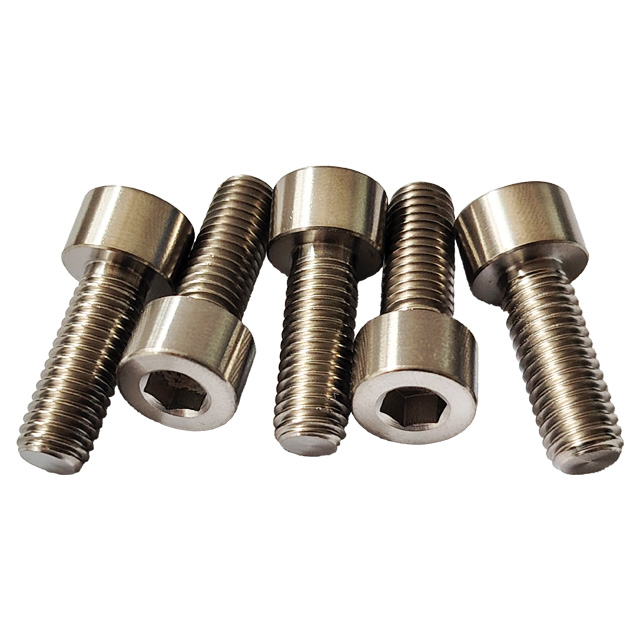
Mechanical micro-polishing followed by chemical passivation cleans out iron impurities, leaving a brilliant metallic luster. Designed for high-heat industrial, marine, and medical equipment where pure titanium contacts fluids.
Macro Industry Dynamics
Technological & Industry Development Trends
Key technological shifts reshaping titanium fastener engineering, production economics, and cross-industry deployment across the upcoming decade.
Trend 01 • 2025 - 2028
Near-Net-Shape Cold & Warm Heading
Transitioning from pure billet subtractive turning to multi-station rotary warm heading. Decreases raw titanium waste scrap by over 60%, drastically reducing unit price while preserving internal structural grain flow.
Trend 02 • 2026 - 2029
Integrated Sensor & Smart Fasteners
Precision CNC cavity drilling allows integration of micro-strain transducers, RFID tags, or ultrasound reflective sensors inside the shank to continuously transmit bolt preload clamp telemetry in mission-critical aerospace structures.
Trend 03 • 2025 - 2030
Next-Gen Beta Alloys for High Temperature
Adoption of Ti-6242 (Ti-6Al-2Sn-4Zr-2Mo) and Ti-5553 alloys engineered to withstand sustained operational temperatures above 450°C without undergoing creep deformation in commercial aircraft turbine cowls and race exhaust manifolds.
Trend 04 • 2026 - 2030
Automated AI Vision Quality Sorting
Implementation of 360-degree inline dual-camera laser sorters that inspect 100% of fastener pitch diameters, pitch angle, hex drive depth, and micro-burr imperfections at rates exceeding 300 pieces per minute with zero false escapes.
Procurement Strategic Forecast
Future Global Titanium Fastener Procurement Trends
Actionable supply chain intelligence for procurement directors, Tier-1 automotive sourcing specialists, and aerospace supply heads looking to secure a resilient, high-margin competitive moat.
EV Battery Pack & Inverter Mass-Reduction
Electric vehicle engineering teams are actively pivoting from stainless steel M6/M8 pack fasteners to custom Grade 5 titanium bolts. Beyond dropping chassis weight to extend battery range, titanium delivers complete immunity to battery fluid electrolyte corrosive exposure and eliminates thermal shorting interference.
Consolidation of Drawing-to-Finished Part Cycles
Global original equipment manufacturers (OEMs) are discarding multi-tier broker chains in favor of direct Baoji manufacturer integration. Sourcing directly from Navzo bypasses middleman markups by 20% to 35%, accelerates rapid 3D CAD/STEP prototype approval, and consolidates raw mill heat batch documentation.
Stringent Scope-3 Carbon & ESG Mill Auditing
European and North American buyers are progressively mandating transparent ESG accounting for high-energy titanium sponge reduction. By collaborating with closed-loop recycling Baoji facilities, Navzo ensures high-purity recycled virgin blends with complete carbon-footprint verification.
Procurement Knowledge Base
Frequently Asked Questions on Custom Titanium Fasteners
Comprehensive technical and commercial answers directly compiled by Navzo's senior metallurgical engineers and international logistics directors.
What is the specific metallurgical distinction between Grade 5 (Ti-6Al-4V) and Grade 2 Titanium Fasteners?
Grade 5 (Ti-6Al-4V, ASTM B348 / AMS 4928) is an alpha-beta alloy engineered specifically for high mechanical stress. It exhibits a minimum tensile strength of 895 MPa and yield strength of 828 MPa, making it equivalent to 10.9-grade high-tensile steel. In contrast, Grade 2 is commercially pure titanium with a tensile strength around 345–480 MPa. Grade 2 is ideal for chemical immersion, plating racks, and marine exhaust flanges where extreme corrosion resistance is required, but structural tensile loading is minimal.
How do you resolve thread galling when installing titanium fasteners into matching threads?
Galling (cold welding) happens when dry titanium threads rub under pressure, causing the protective titanium dioxide film to break down and micro-weld. Navzo eliminates galling through three established methods: 1) applying an anti-seize paste with copper, nickel, or molybdenum disulfide (MoS2) base; 2) applying a dry-film PTFE or vacuum PVD carbon coating directly to the screw; and 3) pairing titanium bolts with hard-anodized aluminum 7075-T6 or tin-bronze matching nuts.
Can Navzo manufacture custom fastener geometries directly from proprietary 2D/3D CAD files?
Yes. Over 50% of our production volume is OEM/ODM custom manufacturing. We accept STEP, IGES, DXF, DWG, and PDF engineering drawings. Our engineering division conducts a Design for Manufacturability (DFM) review within 1 hour to verify tooling clearances, thread root radii, head transit angles, and CNC cycle viability before preparing sample pilot prototypes.
What is the recommended installation torque for Grade 5 Titanium vs. standard steel bolts?
Because Grade 5 Titanium has an elastic modulus of approximately 114 GPa (roughly half of structural carbon steel at 210 GPa), titanium undergoes greater elastic elongation under the same clamp load. When using anti-seize lubricant (friction coefficient μ ≈ 0.10 to 0.12), torque should be set to 75% to 85% of standard 10.9 steel values. For example, an M6 Grade 5 titanium bolt lubricated typically requires 9.0 to 10.5 Nm of torque.
Does galvanic corrosion occur when titanium fasteners interface with aluminum or carbon fiber?
When coupled with carbon fiber composites (CFRP), titanium is the most chemically compatible metal available because their electrical electrode potentials are very close. This completely avoids the catastrophic galvanic corrosion seen between carbon fiber and steel or aluminum. When joining titanium bolts to raw aluminum in saltwater environments, we recommend our specialized dielectric barrier anodizing or an insulating barrier washer to isolate the dissimilar metals.
What quality verification documentation and certifications accompany each shipment?
Every industrial production batch leaves our Baoji plant with an official EN 10204 Type 3.1 Mill Test Certificate (MTC) detailing complete chemical composition (spectrometric elemental breakdown of C, Fe, N, O, H, V, Al, and Ti balance) and physical test results (tensile, yield, elongation, reduction of area). Furthermore, we supply full optical dimensional inspection reports and thread gauge certification upon request.
Partner with China's Premier Titanium Fastener Manufacturer
Looking to lighten an aerospace linkage, eliminate motorsport wheel failure, or build custom-engineered titanium components? Request our comprehensive engineering specifications catalog or send your custom technical drawings for an instant engineering assessment.