Engineered for High-Stress Kinematics and Severe Environments
In high-performance automotive racing, elite superbike chassis, aerospace assemblies, and high-spec cycling, standard fastener metallurgy fails under thermal cycling and vibrational fatigue. Navzo Precision Titanium delivers cold-headed, 5-axis CNC-machined Grade 5 (Ti-6Al-4V) burnt titanium bolts that pair exceptional tensile performance with vacuum PVD and controlled thermal-interference oxide coatings.
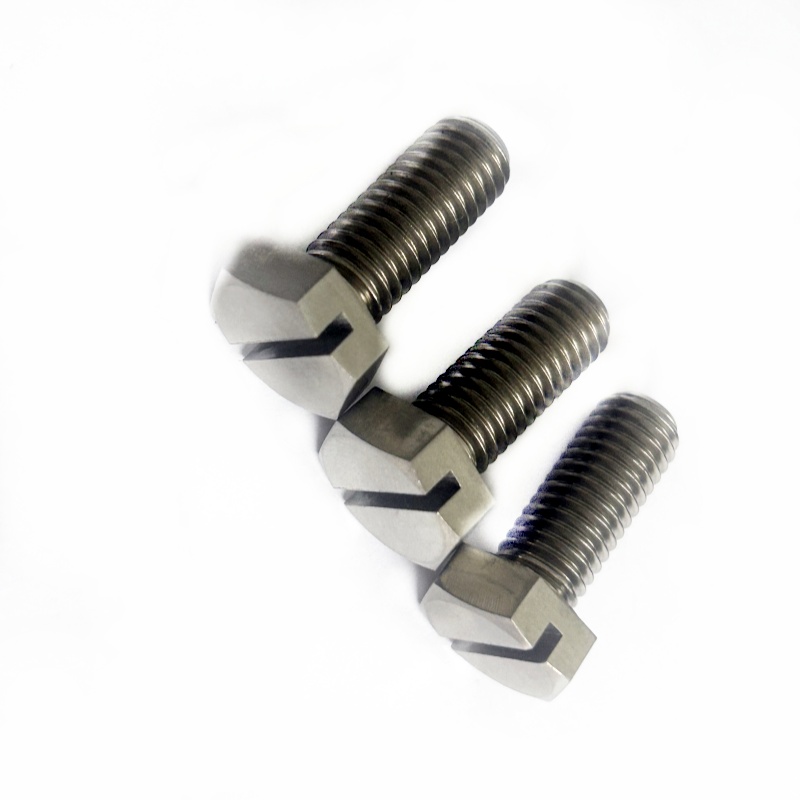
OEM Precision CNC Slotted Hexagonal Head Screw
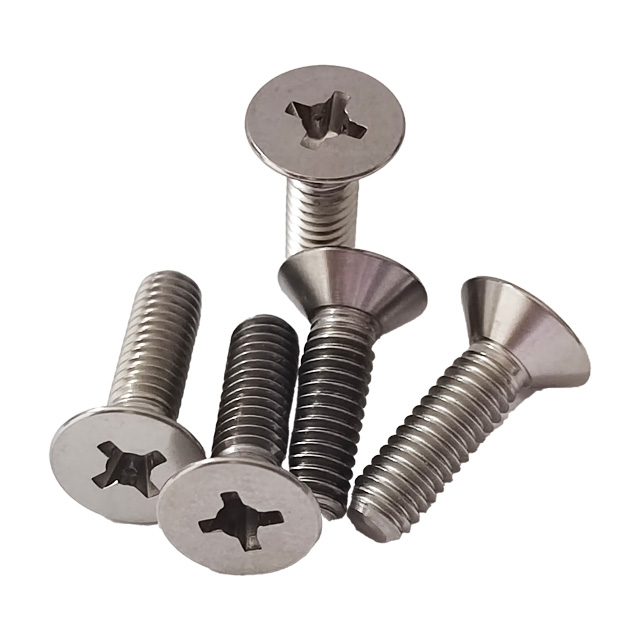
GR5 Titanium M8x20mm Countersunk Phillips Bolt
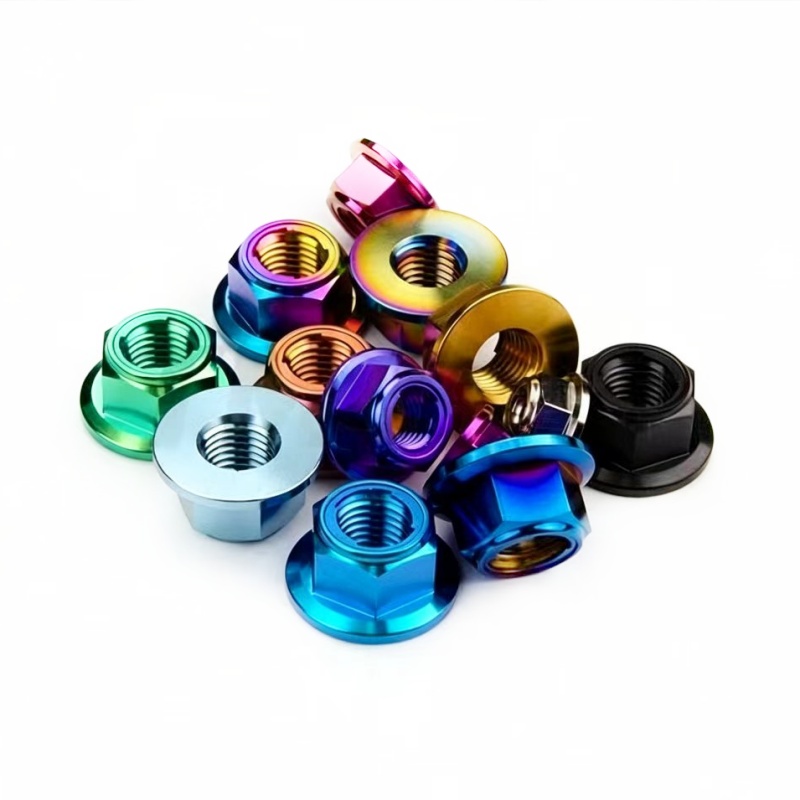
GR5 Titanium PVD Anti-Loosening Self-Lock Nut
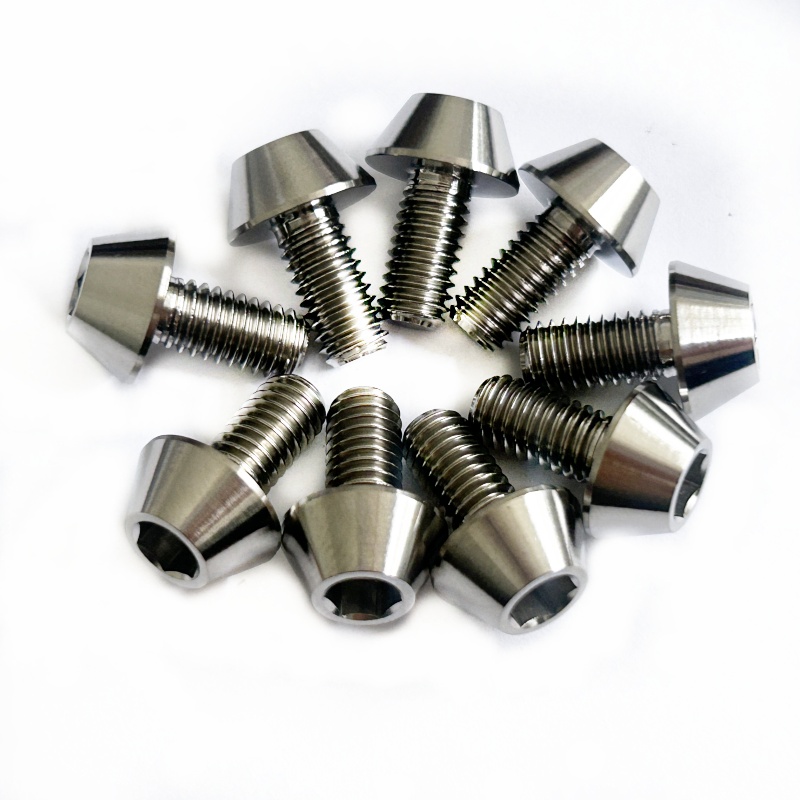
M6x12 Titanium Umbrella Head Bike Frame Bolt
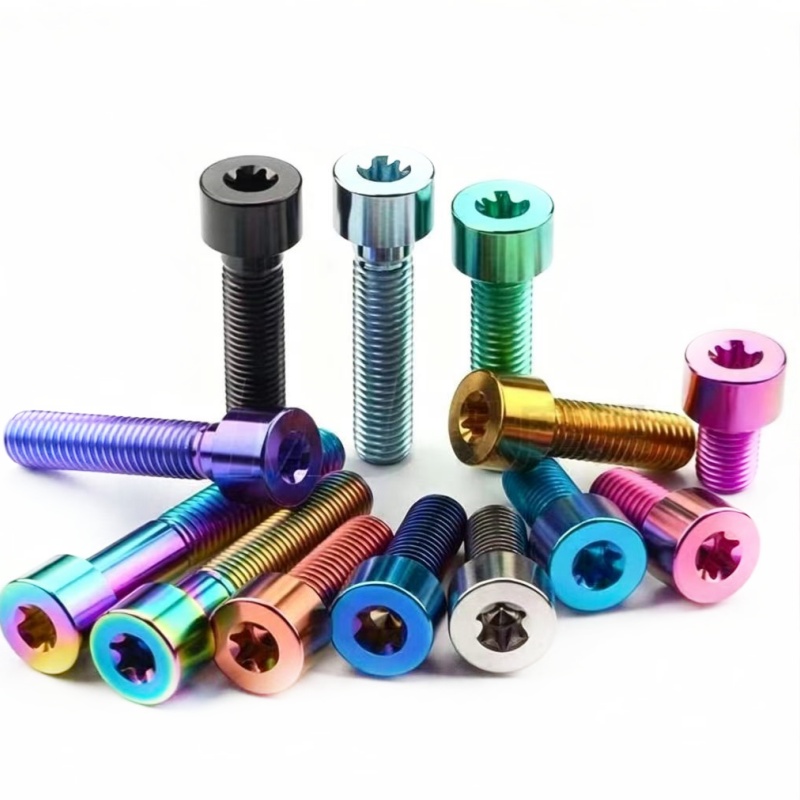
DIN912 M5 Socket Head Cap Screw GR5 Bolt
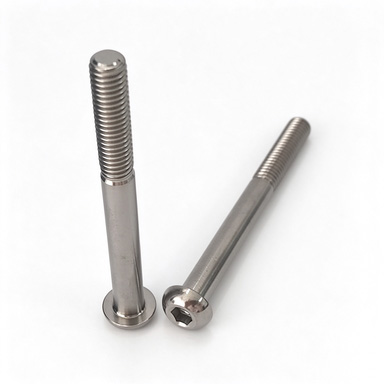
GR5 Titanium M6x70mm Button Head Socket Bolt
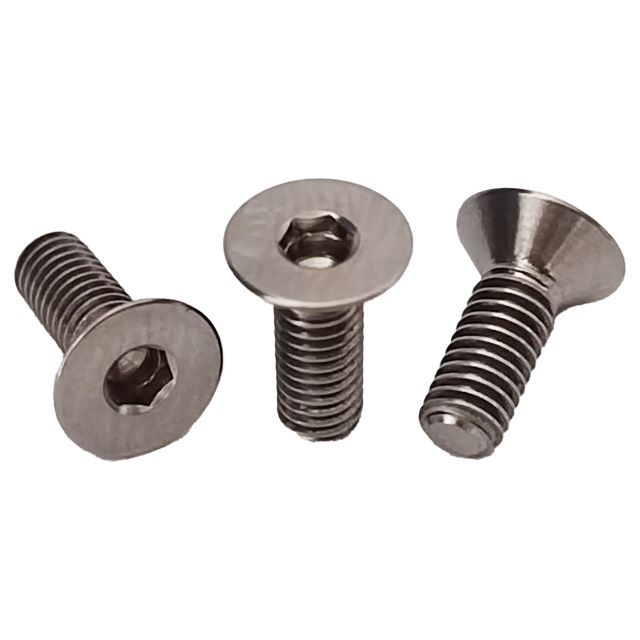
GR5 Titanium M8x20mm Countersunk Hex Socket Bolt
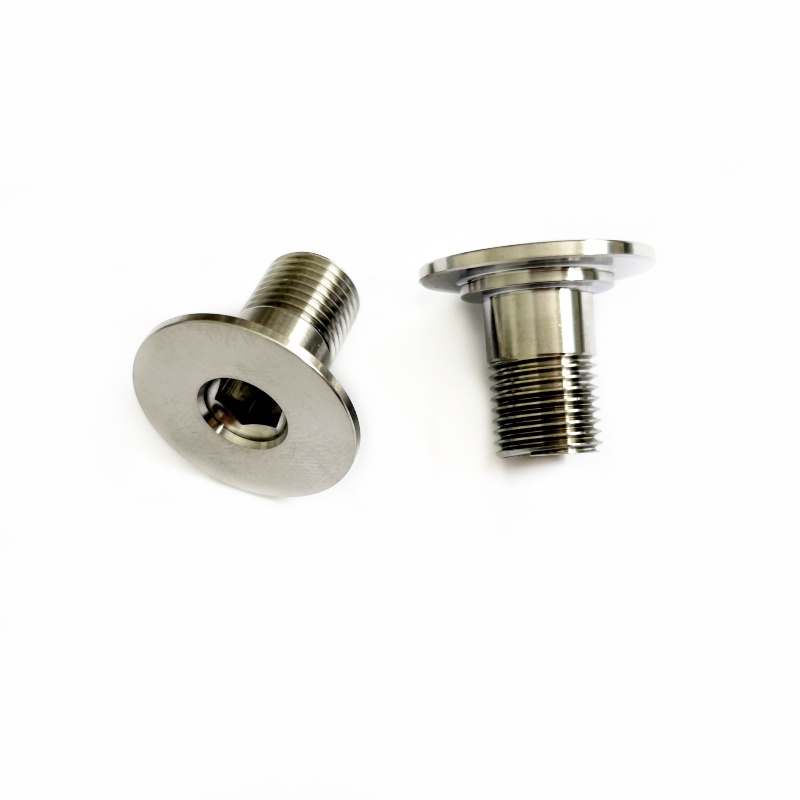
GR5 Titanium Big Pan Hexagon Head Bolt M10x18
The Science of Burnt Titanium: Microstructure, Thermal Interferences & PVD
The characteristic coloration of burnt titanium bolts is not an applied dye or organic paint. It is an optical thin-film interference phenomenon produced either by controlled thermal oxidation or vacuum Physical Vapor Deposition (PVD). Understanding the metallurgical boundary between aesthetic customization and mechanical integrity is vital for quality-critical supply chains.
Spectral Oxide Interference
When exposed to precise heat treatments (380°C to 520°C) or controlled electrolytic anodization, a transparent amorphous titanium dioxide (TiO₂) film forms on the Grade 5 alloy substrate. Incident light waves reflect from both the outer oxide boundary and the inner metal-oxide interface. Phase shifts between these waves selectively cancel specific wavelengths, producing perceived colors: straw gold (~15nm), magenta (~35nm), radiant violet (~45nm), and royal blue (~65-80nm).
Alpha-Case Prevention
Uncontrolled open-flame torch burning poses catastrophic metallurgical hazards. Excessive temperatures above 550°C catalyze oxygen dissolution into the interstitial lattice, yielding an extremely brittle sub-surface microstructure known as the "alpha-case." This embrittlement causes premature micro-cracking and dramatic loss of shear ductility. Navzo utilizes vacuum-chamber physical vapor deposition (arc ion plating) and computerized thermal ramps to eliminate alpha-case generation entirely.
Hard PVD Wear Coatings
For applications subjected to abrasive contact, repetitive service torque, or gravel impacts, our high-adhesion PVD process deposits titanium carbo-nitride (TiCN) or titanium aluminum nitride (TiAlN) coatings. Operating with Vickers hardness values exceeding 2,500 HV, PVD burnt-spectrum coatings dramatically suppress thread galling, isolate galvanic potentials against carbon-fiber matrices, and deliver enduring chemical inertness against saline road deicers.
Empirical Property Comparison: Titanium Grade 5 vs. Competing Fastener Alloys
Selecting fasteners for structural joints requires analyzing mechanical strength, weight-induced rotational inertia, thermal tolerance, and resistance to environmental stress-corrosion cracking.
| Material Specification | Density (g/cm³) | Tensile Strength (MPa) | Yield Strength (MPa) | Modulus of Elasticity (GPa) | Corrosion Resistance | Primary Application Profile |
|---|---|---|---|---|---|---|
| GR5 Titanium (Ti-6Al-4V) | 4.43 | 895 – 1,050 | 828 – 950 | 114 | Superior (Immune to Chlorides) | Aerospace, Superbike, EV Racing, Exotic Tuning |
| Grade 2 Titanium (CP-Ti) | 4.51 | 345 – 485 | 275 – 380 | 103 | Superior (Chemical Stability) | Anodes, Marine Hardware, Low-Stress Exhausts |
| High-Tensile Alloy Steel (10.9 / 12.9) | 7.85 | 1,040 – 1,220 | 940 – 1,100 | 210 | Poor (Requires Zinc/Phosphate) | Heavy Machinery, High Clamping Force Blocks |
| Austenitic Stainless (A2-70 / 304) | 7.93 | 700 | 450 | 193 | Moderate (Pitting in Chlorides) | General Architecture, Marine Decking Hardware |
| Marine Stainless (A4-80 / 316) | 8.00 | 800 | 600 | 193 | High (Resists Atmospheric Marine) | Chemical Equipment, Yacht Structural Rigging |
| 7075-T6 Billet Aluminum | 2.81 | 572 | 503 | 72 | Moderate (Anodized Protection) | Ultra-Light Non-Critical Fairings, Fairing Screws |
Navzo Precision Titanium Co., Ltd.
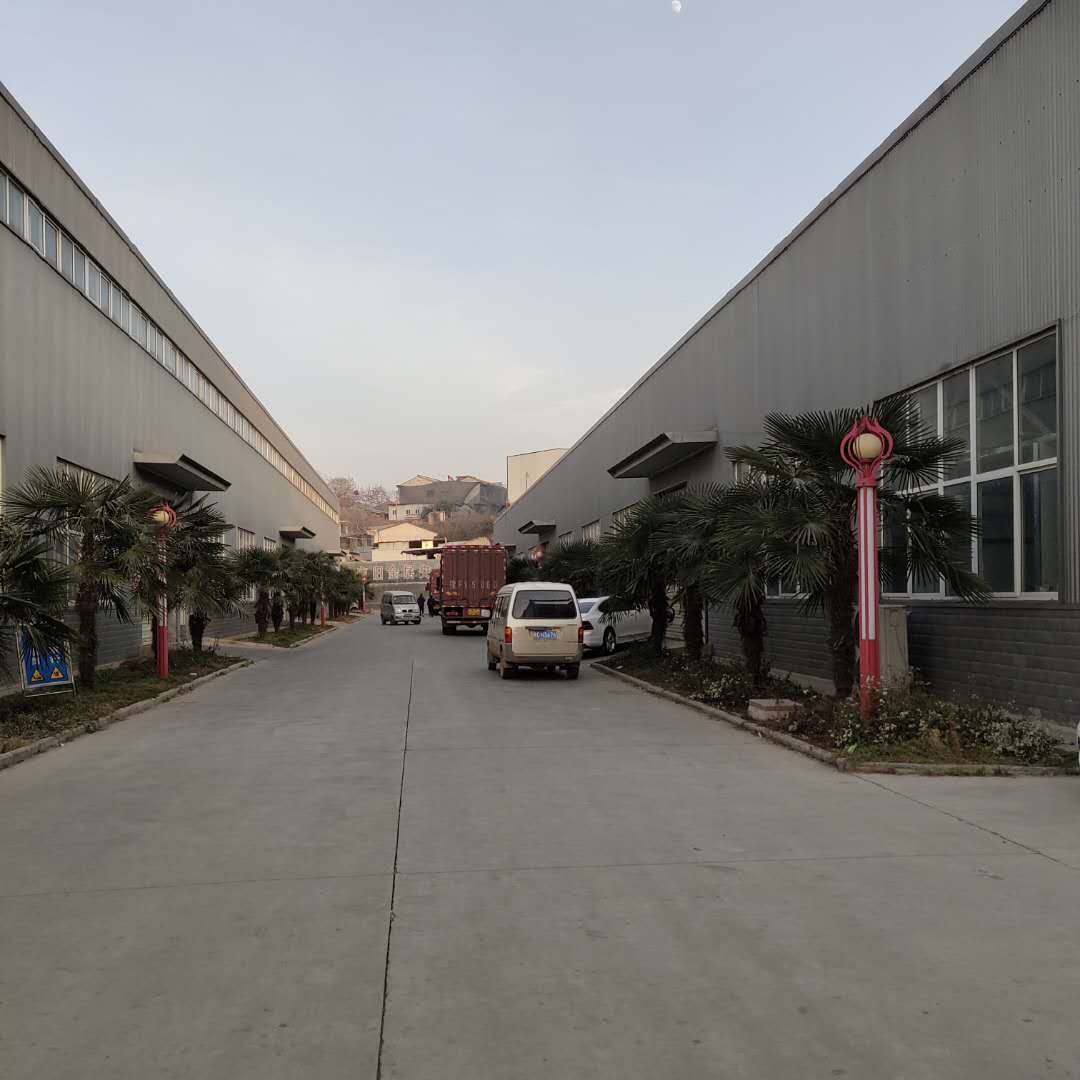
Founded on January 10, 2011 on Yucai Road within the High-Tech Development Zone of Baoji, Shaanxi, Navzo sits at the geographic center of 80% of China's titanium refining and milling capacity. Sourcing directly from verified Baoji ingots eliminates intermediaries, ensuring end-to-end metallurgical traceability from sponge formulation to final export packaging.
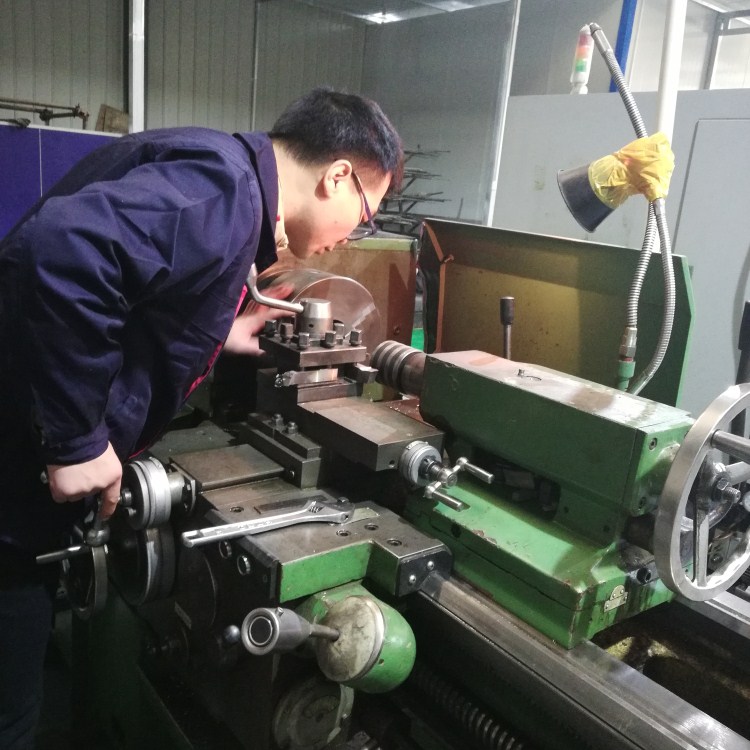
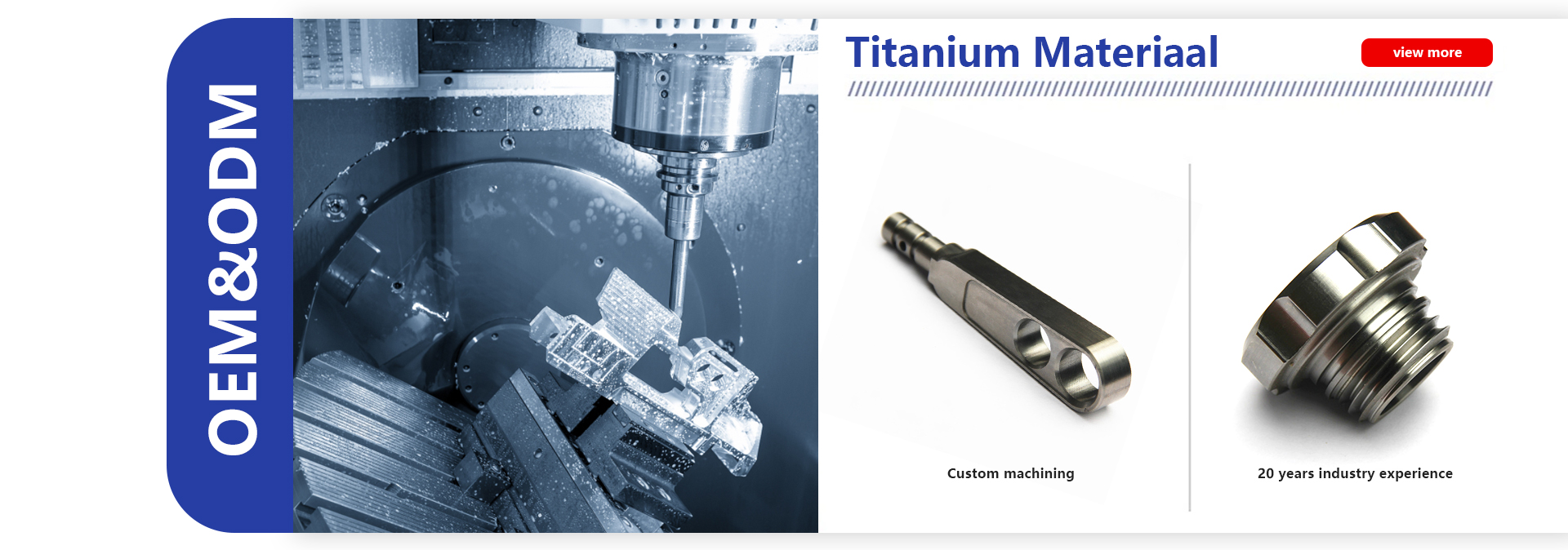
Our integrated facility combines heavy cold-heading presses for continuous grain-flow bolt blanks with 5-axis DMG MORI CNC machining centers for complex slotted, drilled, and hollowed head configurations.
- Traceable Mill Certification: Complete chemical and mechanical EN 10204 3.1 analysis accompanying every shipment.
- Thread Rolling Technology: Thread profiles cold-rolled post heat-treatment for 35% higher shear fatigue thresholds over cut threads.
- Rapid Prototyping & OEM: Full tolerance feasibility reviews for custom 2D/3D CAD (STEP, IGES, DWG) within 24 hours.
Future Sourcing & Engineering Trends (2025–2030)
The global demand for high-strength titanium fasteners is undergoing transformative structural shifts driven by weight-reduction imperatives, composite integrations, and automation in precision manufacturing.
Electric Vehicle Lightweighting & Range Optimization
As next-generation high-voltage battery enclosures and silicon carbide inverters demand strict weight budgets, tier-1 EV suppliers are replacing structural stainless steel with Ti-6Al-4V fasteners. In unsprung suspension links, brake calipers, and wheel hub mounts, switching to Grade 5 titanium reduces reciprocal vibrational stress, directly enhancing suspension response curves and extending usable battery range per kilowatt-hour.
Carbon-Fiber Galvanic Isolation Protocols
When aluminum fasteners contact carbon-fiber reinforced polymers (CFRP), aggressive galvanic corrosion occurs due to the large standard electrode potential differential (-1.66V for Al vs. +0.2V for Carbon). Titanium possesses a galvanic potential virtually identical to graphite fibers (+0.05V to +0.15V). Future engineering directives in aerospace structures and monocoque hypercars increasingly mandate titanium fasteners to eliminate costly insulating sleeves.
Cold Heading Combined with CNC Machining
Pure subtractive CNC bar turning creates uninterrupted grain lines that exit at the thread crests, presenting sites for fatigue fracture. Modern production trends combine high-speed automated cold heading to forge continuous internal grain flows through the bolt head and shank, followed by CNC micro-turning for tight head broaching and high-precision thread rolling. This hybrid process delivers superior yield strength while lowering part cycle costs.
Near-Shoring vs. Verified Regional Clusters
While global supply chains experience geopolitical volatility, high-tier fastener buyers recognize that specialized metallurgical production remains tethered to resource clusters. Baoji's ecosystem integrates raw titanium ore refining, vacuum-arc double remelting (VAR), billet extrusion, heat-treatment facilities, and surface treatment plating plants within a 30-kilometer radius, providing price stability and raw supply resilience unmatched by decentralized machine shops.
Transition from Aesthetic Flame-Torch to PVD Arc Ion Films
Procurement teams across the European and North American aftermarket industries are moving away from manual blowtorch coloring. Variable ambient oxygen levels in manual torching produce unpredictable oxide depths, color blotching, and variable friction coefficients. PVD arc ion plating in computerized vacuum chambers deposits ultra-consistent, nano-layered nitrides that retain identical burnt rainbow hues across 10,000-piece manufacturing runs.
Integrated Anti-Seize Surface Formulations
Thread galling has historically challenged titanium fastener assembly. Future development focuses on integrating solid-film dry lubricants directly into the finishing process. Modern PVD burnt finishes incorporate lubricious micro-layers (MoS₂ or tungsten-doped diamond-like carbon, DLC) that provide stable, predictable nut factors without relying on messy wet copper anti-seize pastes during field service.
Critical Technical Answers for Titanium Bolt Buyers
Direct technical responses addressing assembly torques, galling mechanics, test certifications, and surface longevity from our senior metallurgical team.
Why do titanium threads gall, and how is galling prevented?
How should torque values be calculated for GR5 titanium fasteners?
What is the functional difference between Burnt Blue and Anodized Blue?
Why are cold-rolled threads superior to machine-cut threads?
Can burnt titanium bolts be utilized in exhaust systems up to 600°C?
What testing documentation accompanies Navzo export shipments?
Request Your Precision Fastener Engineering Quote
Whether you require standard catalog DIN 912 burnt titanium bolts, custom CNC engineered drawings, or volume contract manufacturing for racing and industrial applications, our engineering desk in Baoji provides full DFM reviews and commercial quotations within 60 minutes.
Get a Quote