Precision Engineered GR5 Titanium Fasteners
Manufactured from aerospace-grade Ti-6Al-4V bar stock with rolled threads to DIN, ISO, and custom tolerances. Select your configuration or contact our engineering desk for immediate batch quoting.
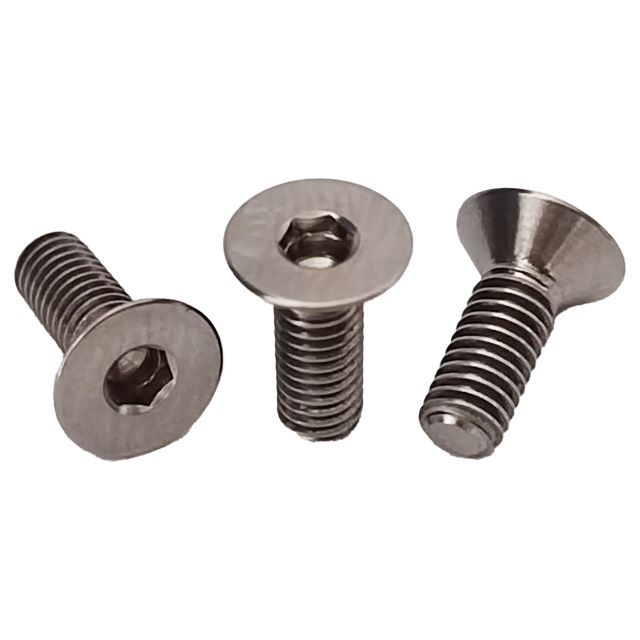
GR5 Titanium Bolts M8*20mm CNC Machined Countersunk Head Hex Socket Bolts Hot Sale Flat Head Allen Screws
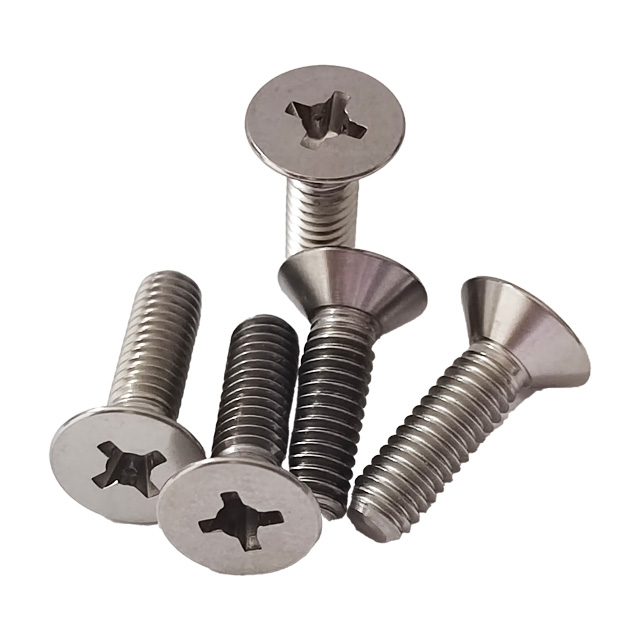
GR5 Titanium Bolts M8*20mm Factory Price Countersunk Head Cross Bolts High Quality Flat Head Phillips Screws
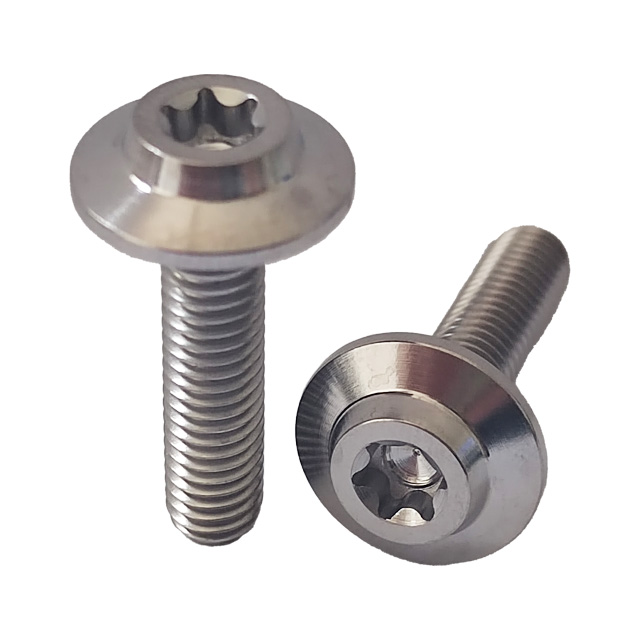
GR5 Titanium Bolts M6*25mm Factory Price Umbrella Flange Head Inner Torx Bolts High Quality Taper Flange Head Inner Plum Screws
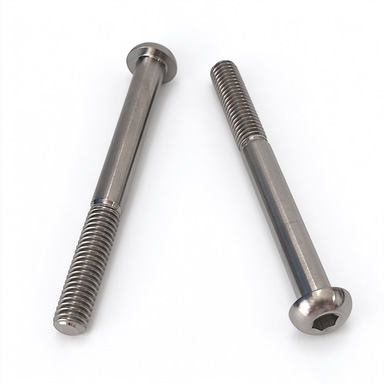
GR5 Titanium Bolts M6*60mm Factory Price Button Head Hex Socket Bolts High Quality Semi-Round Head Allen Screws
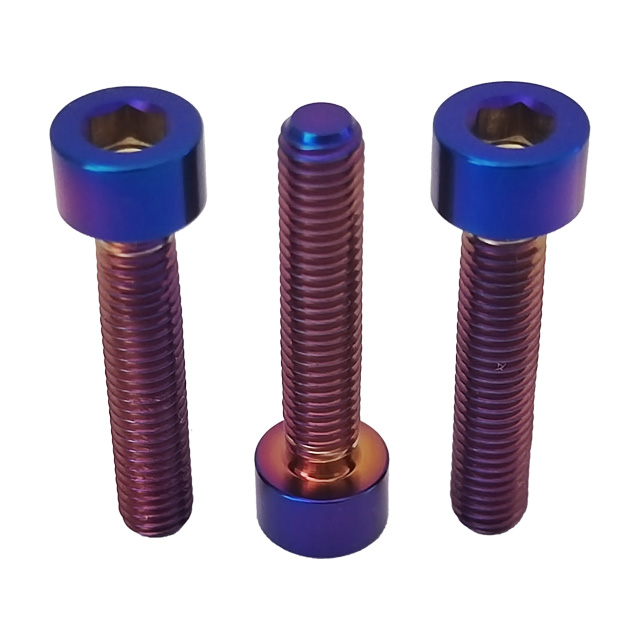
GR5 Titanium Bolts M5*25mm Burn Blue Cup Head Hex Socket Bolts High Quality Cylindrical Head Allen Screws
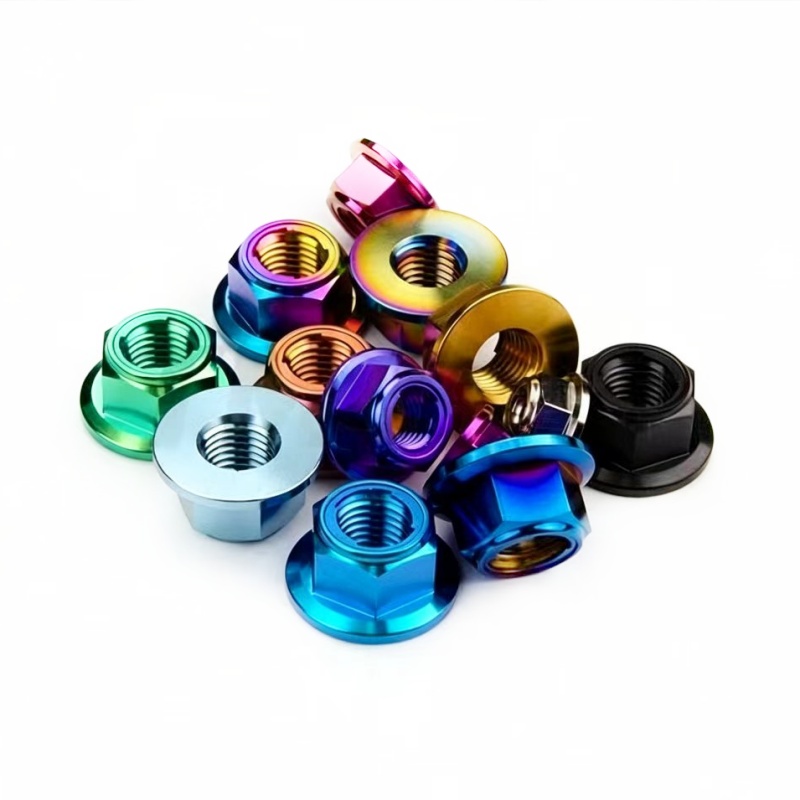
GR5 Titanium Lock Anti Loosening Nut Bicycle Motorcycle Car Locked Tightly Titanium NUTS M6 M8 M10 PVD Finished
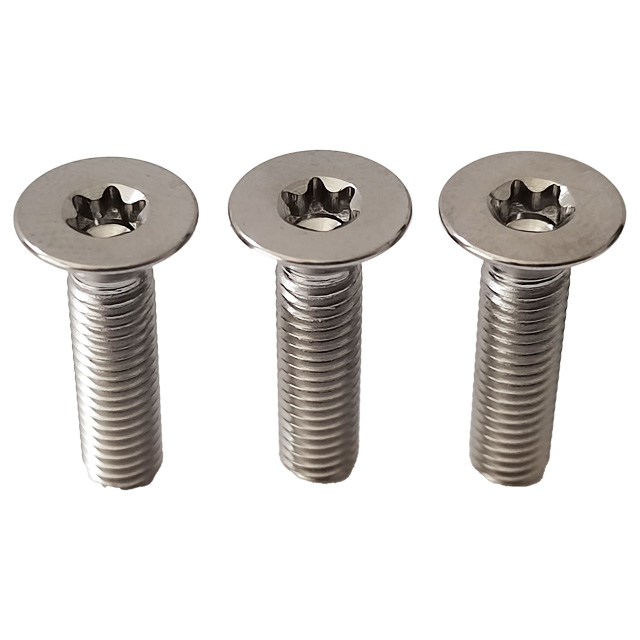
GR5 Titanium Bolts M5*20mm High Quality Countersunk Head Hex Socket Bolts Factory Price Round Head Allen Screws
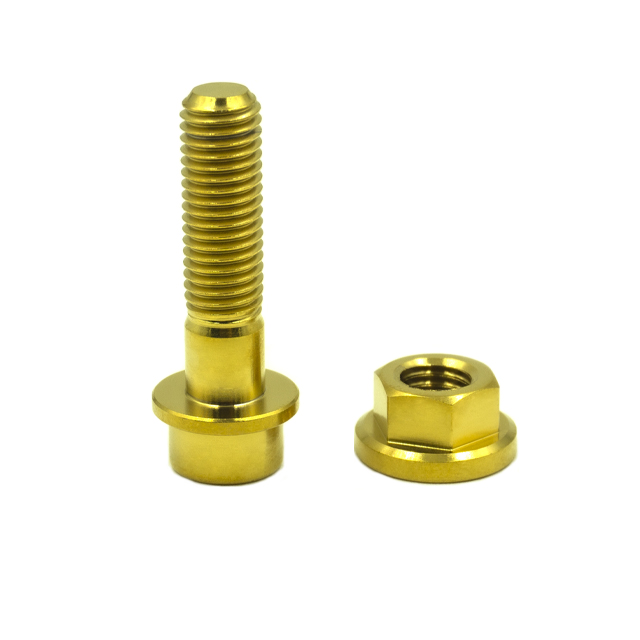
PSSTI GR5 Titanium Gold Flange Head Bolts Round Head Bolts M7*27 Aerospace Grade Fasteners
Why Tier-1 Engineers Source Fasteners from Navzo
Headquartered in Yucai Road, High-tech Development Zone, Baoji—the heart of China's Titanium Valley—Navzo eliminates middle-tier markups and supply chain fragmentation through integrated metallurgical refining, multi-axis machining, and automated anodizing lines.
Primary Titanium Mill Proximity
Over 80% of China's titanium sponge reduction and ingot vacuum arc remelting (VAR) occurs in Baoji. Navzo directly procures certified Ti-6Al-4V billets with complete chemical heat records and mechanical certificates conforming to ASTM B348 and AMS 4928 standards.
Thread Rolling vs. Thread Cutting
Unlike budget workshops that CNC-cut external threads, our high-stress M4–M24 fasteners feature cold-rolled threads. Cold rolling aligns the alpha-beta grain flow continuous to the pitch flank, elevating fatigue thresholds by up to 32% and resisting cyclic shear fracture.
Comprehensive EN 10204 3.1 Traceability
Every commercial and aerospace lot includes Mill Test Reports (MTR) covering spectral chemical composition, tensile yield curves, elongation percentage, and Rockwell hardness tests. Complete metallurgical transparency safeguards automotive, marine, and defense buyers.
Metallurgical Benchmark: GR5 Titanium vs. Conventional Fastener Alloys
Evaluating mechanical limits, shear resistance, and thermal thresholds to justify titanium substitution in high-stress assemblies.
| Alloy Designation | Density (g/cm³) | Tensile Strength (MPa) | Yield Strength (MPa) | Elastic Modulus (GPa) | Corrosion Resistance | Thermal Limit (°C) |
|---|---|---|---|---|---|---|
| Navzo GR5 (Ti-6Al-4V) | 4.43 | 895 – 1050 | 828 – 950 | 114 | Immune to chlorides / ocean spray | 425°C continuous |
| Commercial Pure GR2 | 4.51 | 345 – 485 | 275 – 380 | 103 | Exceptional (Chemical/Acidic) | 315°C continuous |
| Stainless Steel 316 (A4-80) | 8.00 | 800 | 600 | 193 | Good (Prone to crevice attack) | 450°C continuous |
| High-Tensile Steel 12.9 | 7.85 | 1220 | 1100 | 210 | Poor (Requires zinc/cadmium coat) | 250°C continuous |
| Aluminum 7075-T6 | 2.81 | 572 | 503 | 71.7 | Moderate (Prone to stress cracking) | 120°C max |
*Data synthesized from ASTM B348, ISO 898-1, and aerospace material specifications. Grade 5 titanium delivers a strength-to-weight ratio over 1.9× higher than A4-80 stainless steel and eliminates catastrophic galvanic rust in marine and salt-fog conditions.
Precision Titanium Surface Modifications
Titanium does not utilize dyes or organic pigments. Color anodization is achieved by controlled electrochemical growth of a transparent titanium dioxide (TiO₂) dielectric barrier, altering optical refraction and light interference wavelengths.
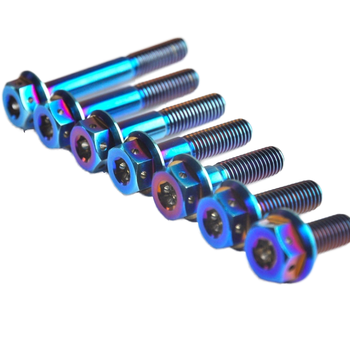
Electrolytic Anodizing (Type II)
Voltage-tuned oxide layers create durable hues (Gold 14V, Purple 22V, Royal Blue 30V, Jade Green 75V). Zero weight addition, 100% UV-stable, and resistant to atmospheric oxidation.
Voltage Controlled: 12V – 90V DC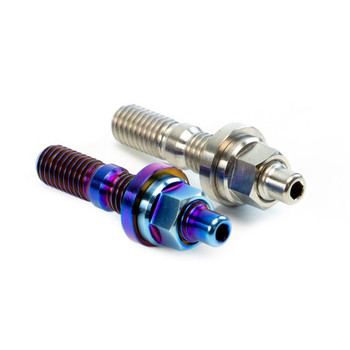
Thermal Gradient "Burnt Blue"
High-precision induction heat-treatment generates an aggressive gradient transition from gold-amber to deep cobalt blue. Highly popular for motorsport turbo manifolds and racing calipers.
Pyrometric Range: 450°C – 620°C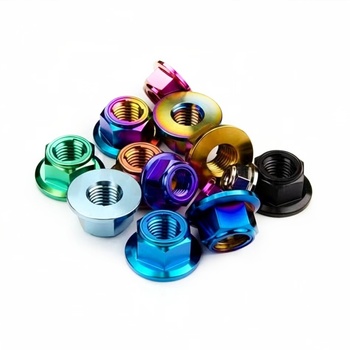
Vacuum Arc PVD Coating
Physical Vapor Deposition coats parts in TiN (Titanium Nitride) or DLC (Diamond-Like Carbon). Yields extreme surface hardness (>2400 HV) with ultra-low friction coefficients to completely prevent galling.
Hardness: 2200–3200 HV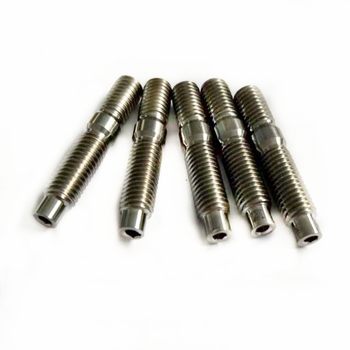
Centrifugal Micro-Polishing
Multi-stage ceramic media deburring and ultra-fine mechanical polishing yield a pristine metallic luster with an Ra surface finish ≤ 0.2 µm. Designed for medical, marine, and aviation assemblies.
Smoothness: Ra ≤ 0.2 µmFuture Procurement Trends in Industrial Titanium Hardware
Global procurement teams across aerospace, eVTOL development, high-end cycling, and hypercar engineering are altering their procurement models to secure raw material availability and lower life-cycle operational costs.
Unsprung Weight Minimization in EV & Hybrids
As electric automotive manufacturers battle the curb weight of heavy battery packs, chassis engineers increasingly replace steel fasteners in subframes, wheel hubs, and suspension control arms with titanium to cut unsprung rotational mass, boosting battery range and steering responsiveness.
Accelerated Demand from eVTOL & Urban Air Mobility
The emerging commercialization of Electric Vertical Take-Off and Landing (eVTOL) aircraft demands strict strength-to-weight ratios under FAA/EASA guidelines. Navzo’s documented batch-testing and rolled-thread GR5 titanium bolts perfectly bridge commercial aviation tolerances with automotive speed.
Total Cost of Ownership (TCO) vs. Initial Price Sourcing
Offshore marine engineering and chemical processing facilities are systematically turning away from zinc-plated alloy steels and frequent maintenance cycles. GR5 hardware delivers a zero-corrosion service life exceeding 25 years in salt mist, yielding massive long-term OPEX savings.
Supply Chain Regionalization & Hub Direct Sourcing
Procurement directors are phasing out domestic distributors that add 40–70% markups without metallurgical insight. Direct sourcing from Baoji-based integrated manufacturers provides end-to-end transparency, rapid CAD modification, and direct access to production lines.
Technical Development & Engineering Innovations
Navzo continuously invests in R&D partnerships with regional metallurgy institutions to push the limits of titanium forming, surface passivity, and precision micro-machining.
Hybrid Cold-Heading with Heated Die Assist
Titanium exhibits low room-temperature ductility and severe spring-back. Navzo adopts closed-loop warm-heading induction technologies, warming the wire to 550°C–650°C instantly during header striking. This eliminates internal micro-cracks in countersunk and flanged bolt heads while preserving ultra-fine crystalline grain structures.
FEA-Optimized Hollow Shanks & 12-Point Flanges
Utilizing high-end CAD stress simulation and multi-axis Swiss CNC equipment, we offer gun-drilled hollow shanks and scalloped 12-point socket heads that shed an extra 15–20% weight without lowering proof load under torque. Perfect for high-performance superbike and aerospace racing programs.
Advanced Micro-Arc Oxidation (MAO) Passivation
For extreme industrial and subsea environments, Navzo is deploying plasma electrolytic oxidation, which converts the outermost titanium matrix into a ceramic crystalline complex up to 25 µm thick. This creates electrical breakdown voltages exceeding 500V, totally eliminating galvanic reactions against raw carbon fiber.
Precision Machining Facilities & Quality Control
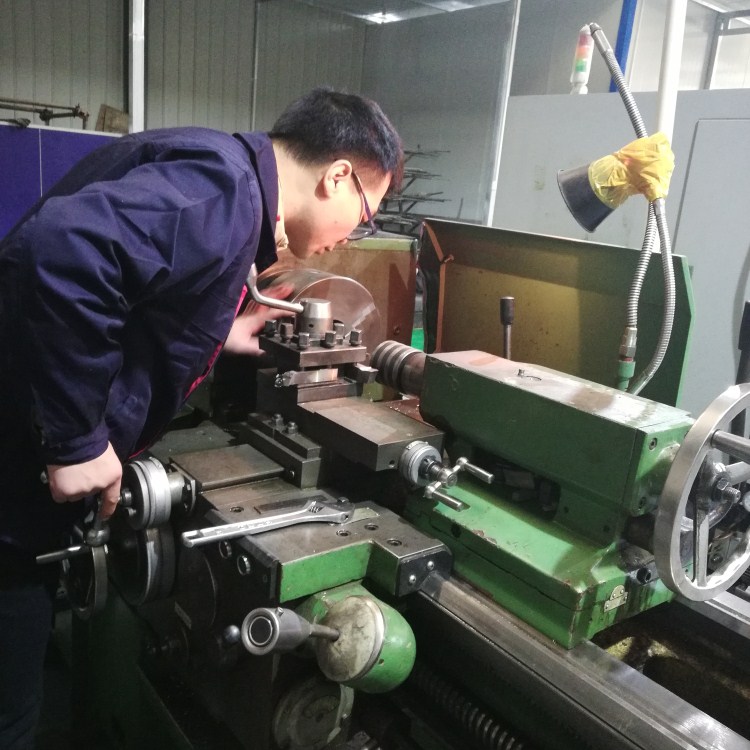
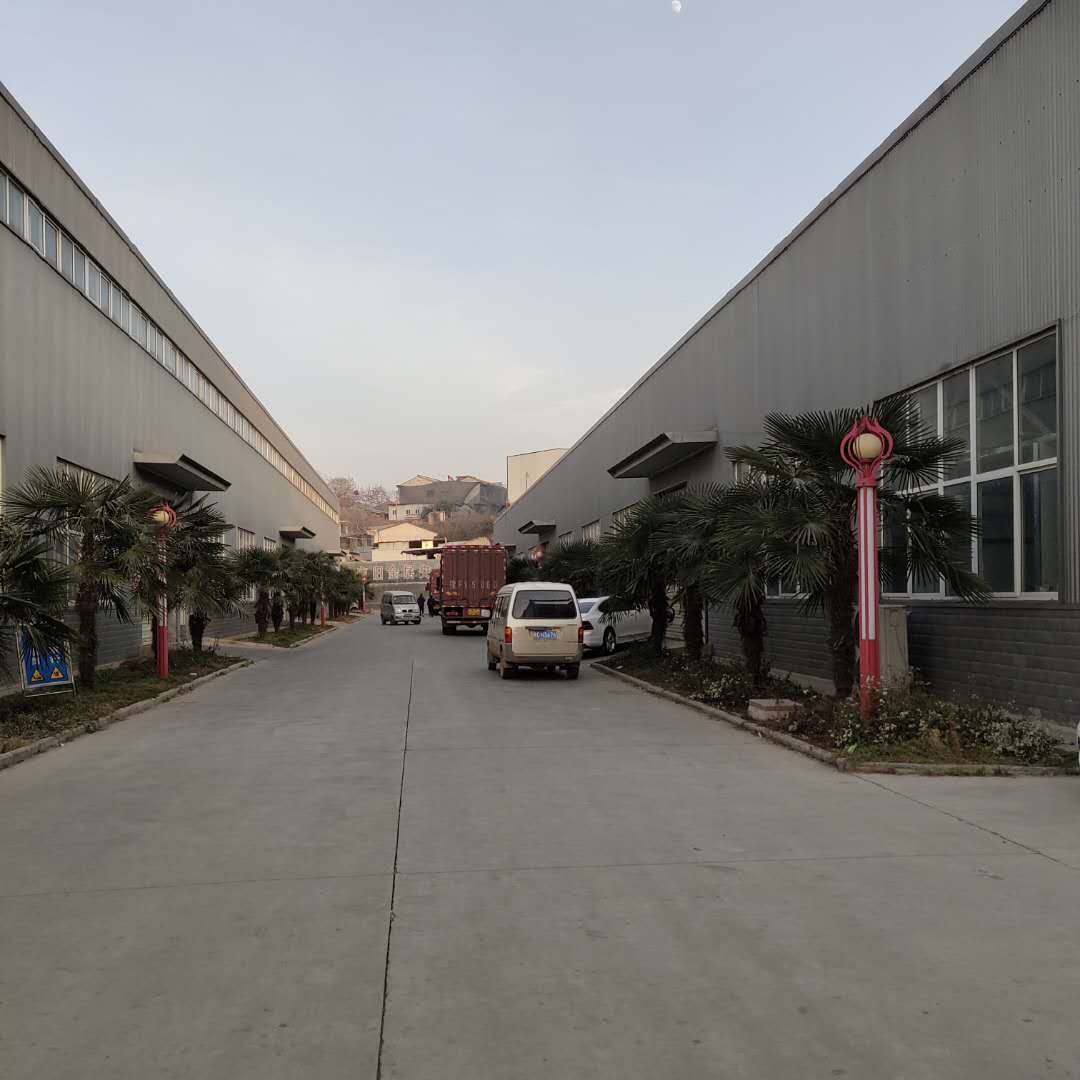
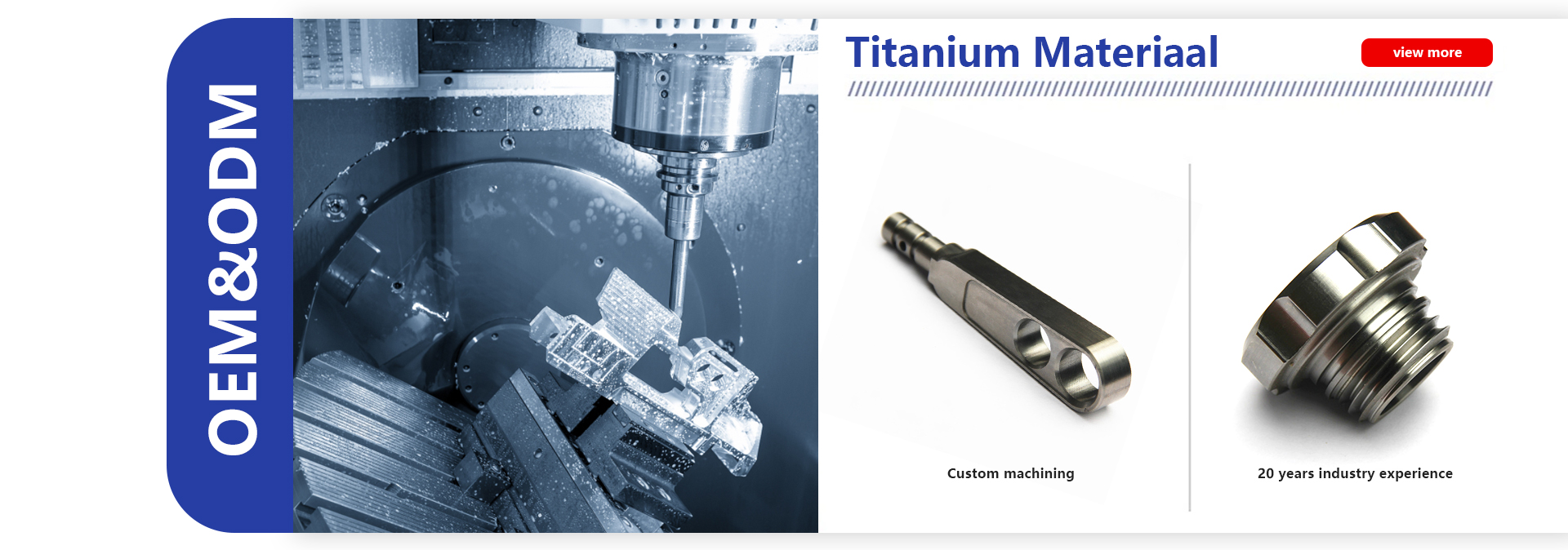
Tour our Baoji facility operations: precision multi-axis CNC machinery, optical thread comparator profiling, and high-purity ultrasonic cleaning lines.
Frequently Asked Questions by Industrial Sourcing Teams
Comprehensive answers straight from our metallurgy engineers and export compliance specialists.
Why choose Ti-6Al-4V Grade 5 over standard Grade 2 titanium for fasteners?
Commercially Pure Grade 2 titanium possesses an ultimate tensile strength of around 345–485 MPa, which is insufficient for critical clamping assemblies. Grade 5 (Ti-6Al-4V) is an alpha-beta alloy containing 6% aluminum and 4% vanadium, treated to achieve yield strengths over 828 MPa and tensile strengths up to 1050 MPa, easily matching or exceeding Class 8.8 and Class 10.9 high-tensile steel fasteners.
Will color-anodized titanium fade or peel over time?
No. Titanium anodization does not use pigments, coatings, or dyes. The coloration is an optical illusion created by thin-film light interference passing through a micro-layer of titanium dioxide (TiO₂). Because this oxide film is an integral part of the parent metal, it cannot chip, flake, peel, or fade under ultraviolet radiation or intense sunlight.
How do you prevent galling (thread cold-welding) during installation?
Due to its high chemical reactivity and passive oxide surface, titanium threads can experience cold galling when torqued dry at high speeds. We recommend applying an anti-seize paste containing molybdenum disulfide (MoS₂), copper, or nickel-based lubricants. Alternatively, buyers can specify our factory-applied PVD or micro-arc oxidation finishes to achieve dry lubricity.
Can titanium fasteners cause galvanic corrosion when in contact with aluminum or carbon?
Titanium is close to carbon in the galvanic chart, making it the premier fastener choice for carbon fiber composite airframes without galvanic oxidation. When mated with aluminum in salty, moist environments, aluminum becomes the sacrificial anode. To prevent galvanic reactions, use our Type II anodized bolts, insulating washers, or paste barriers.
Why are rolled threads mandatory for high-stress aerospace and racing bolts?
Thread cutting severs the continuous micro-grain crystal structure of the alloy bar stock, creating stress concentration notches at the thread root. Thread rolling utilizes precision carbide circular dies that plastically deform the metal, compressing the grain flow around the root radii and creating residual compressive stress that increases fatigue resistance by 25%–35%.
What thread standards, tolerance classes, and drive types can Navzo supply?
We routinely produce metric coarse and fine threads (DIN 912, DIN 7991, ISO 7380, DIN 6921) as well as Imperial UNC, UNF, and UNEF profiles to Class 6g and 4h6h tolerance standards. Drive options include Hex Socket, Torx (T10–T50), internal 12-point spline, drilled safety-wire hex heads, and custom cross-recess patterns.
What testing documents and quality certifications are provided with shipments?
Each production lot is shipped with an authentic EN 10204 3.1 Inspection Certificate detailing chemical spectral analysis (Al, V, Fe, C, N, H, O content) and mechanical tensile/proof load measurements. We also provide optical CMM dimensional reports and 48-hour ASTM B117 salt spray testing certificates upon contract request.
Can Navzo produce custom titanium parts from 3D CAD files (OEM/ODM)?
Yes. Our engineering department works with standard 2D and 3D formats (STEP, IGES, DXF, DWG, PDF). Our engineers perform Design for Manufacturability (DFM) evaluations within 1 to 2 business hours, verifying tool access, tool clearance, and cycle times for cost-effective manufacturing.
What is your Minimum Order Quantity (MOQ) and production turnaround?
For catalogue metric standard bolts kept in semi-finished blanks, the MOQ is 100 to 200 pieces. For custom CNC components and specialized thread configurations, initial prototyping batches can start at 50 pieces. Standard lead times range from 7 to 12 days for stock blanks and 18 to 25 days for custom tool setups.
How does titanium perform in extreme temperatures compared to steel?
Ti-6Al-4V Grade 5 maintains high tensile stability and resistance to thermal creep up to 425°C continuous (800°F). Moreover, unlike carbon steels that turn brittle below freezing, titanium exhibits exceptional cryogenic toughness down to -196°C, making it ideal for aerospace liquid fuel systems and deep-sea marine exploration.