Heavy Duty
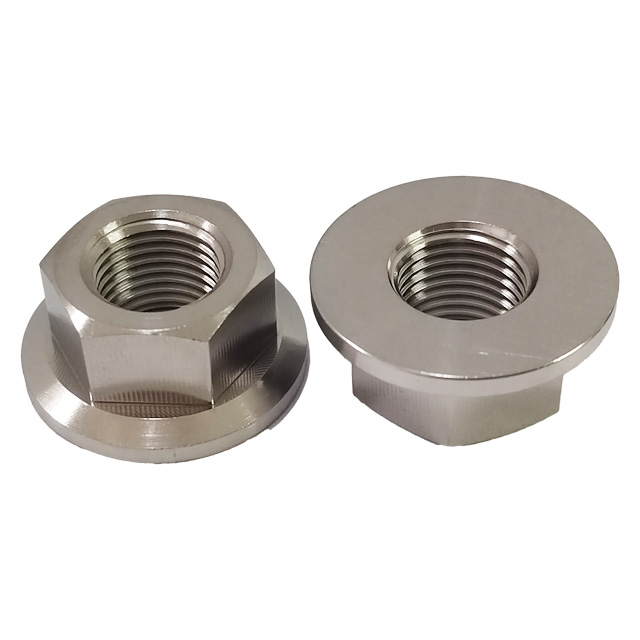
GR5 Titanium Nuts M12*1.5 High Strength Hex Flange Full Thread Nuts
- Specification:
- M12 × 1.5 Pitch
- Material:
- Ti-6Al-4V Grade 5
- Application:
- Wheel Hub & Racing Lug
Precision CNC machined and hot/cold formed Grade 5 (Ti-6Al-4V) components designed for high-stress automotive hub assemblies, lightweight racing configurations, and specialized mechanical assemblies.
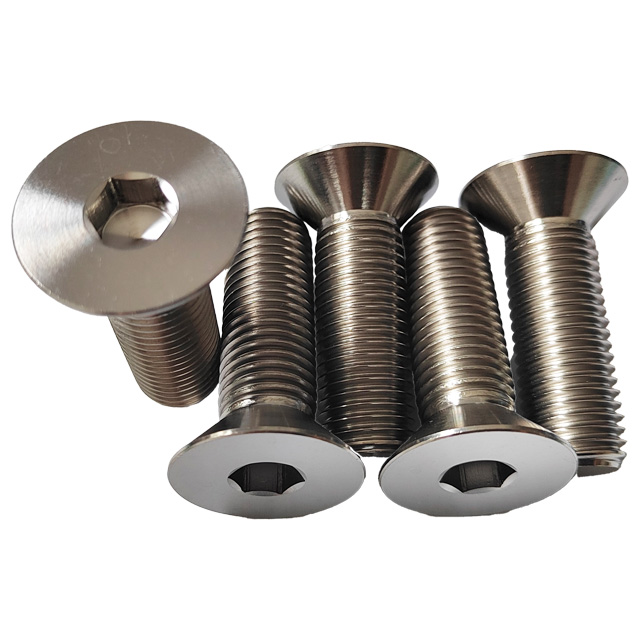
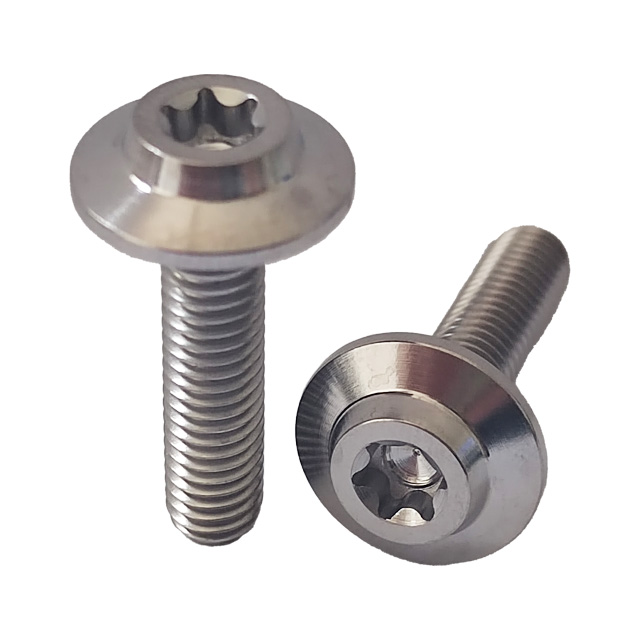
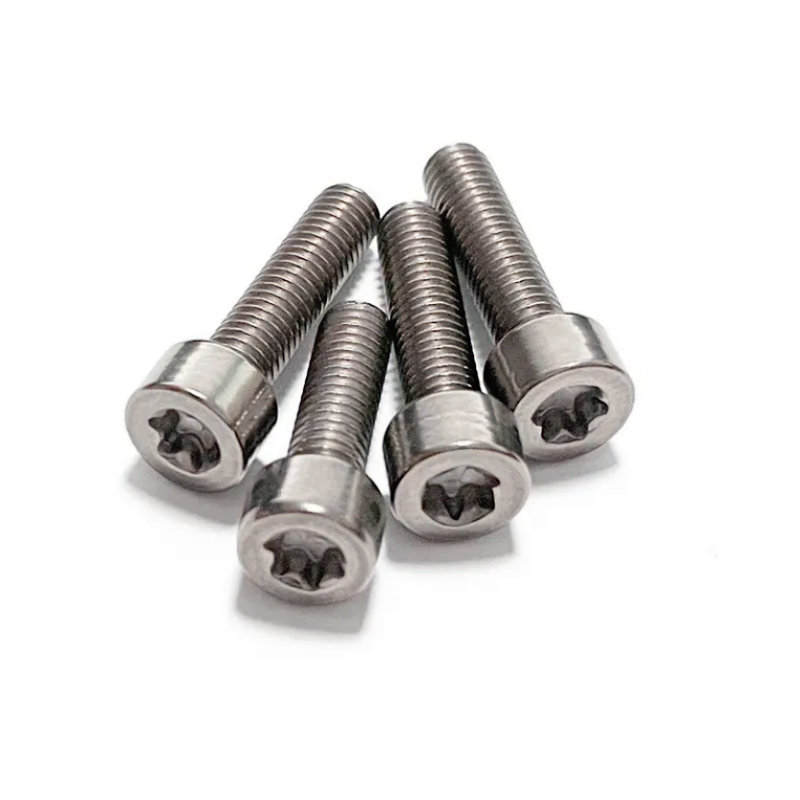
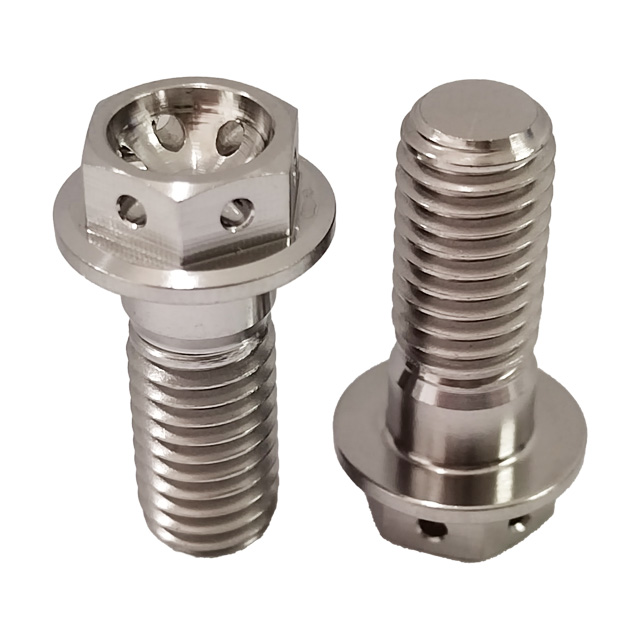
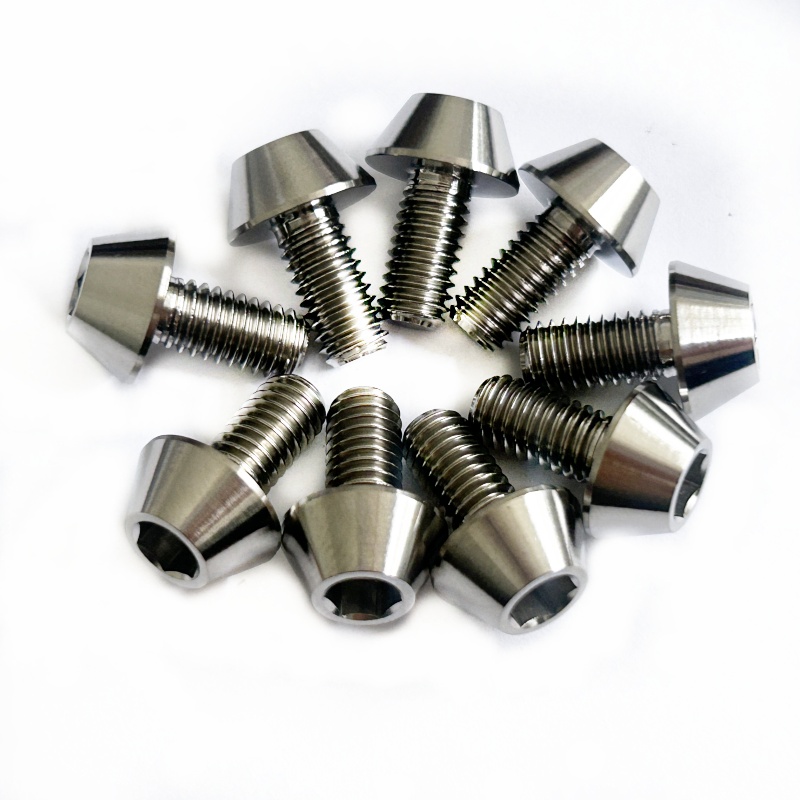
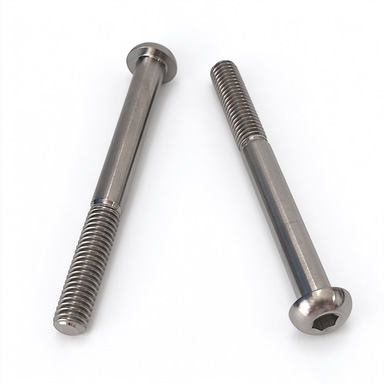
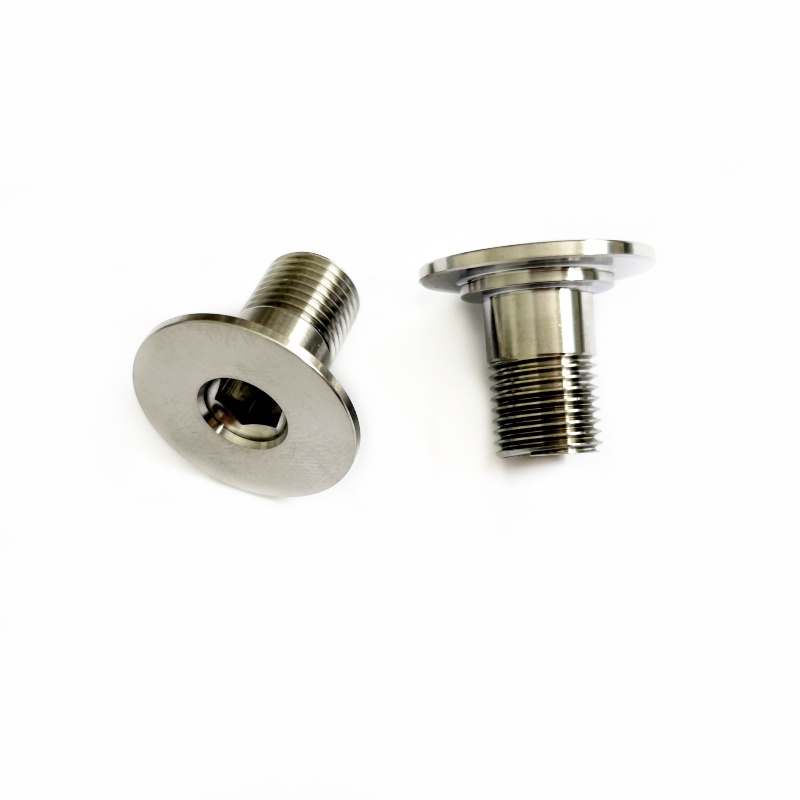
A metallurgical examination of why automotive original equipment manufacturers (OEMs), motorsport engineering houses, and tier-one wheel manufacturers are migrating from standard 10.9-grade alloy steel to precision-rolled Grade 5 titanium wheel studs.
In the discipline of high-performance automotive dynamics, unsprung rotational mass directly influences vehicle agility, damper response frequency, and kinetic braking efficiency. A set of twenty wheel studs and matching lug hardware constitutes a critical rotating mass positioned furthest from the axle center. Sourcing custom-manufactured GR5 (Ti-6Al-4V) titanium wheel studs from reputable Baoji factories yields an immediate 42% to 45% weight reduction compared to class 10.9 or 12.9 chromoly (SCM435 or 40CrMo) fasteners, while preserving the mandatory yield threshold required to sustain extreme lateral cornering loads and high-speed centrifugal acceleration.
Beyond raw mass conservation, the structural viability of wheel studs is governed by their fatigue endurance limit under cyclical thermal spikes. High-performance braking systems frequently subject the wheel hub and studs to heat conduction gradients oscillating between ambient temperatures and 650°C (1202°F). Steel studs experience thermal degradation, surface oxidization, and micro-structural relaxation under repetitive heat cycles, which inevitably promotes fastener loosening or catastrophic shear failure. Grade 5 titanium boasts an exceptionally stable alpha-beta metallurgical phase, delivering unmatched resistance to thermal embrittlement, atmospheric oxidation, and galvanic corrosion from aggressive road de-icing agents or coastal salts.
| Material Designation | Density (g/cm³) | Tensile Strength (MPa) | Yield Strength (MPa) | Thermal Expansion (×10⁻⁶/K) | Fatigue Run-out (@ 10⁷ Cycles) |
|---|---|---|---|---|---|
| Navzo GR5 Titanium (Ti-6Al-4V Rolled) | 4.43 | 960 - 1050 | 890 - 930 | 8.6 | 510 MPa (High Endurance) |
| High-Tensile Alloy Steel (Class 10.9) | 7.85 | 1040 | 940 | 11.5 | 420 MPa |
| Motorsport Chromoly (SCM435 / Class 12.9) | 7.85 | 1220 | 1100 | 12.2 | 460 MPa (Brittle Fracture Risk) |
| Austenitic Stainless Steel (A2-70 / 304) | 7.90 | 700 | 450 | 16.0 | 280 MPa (Unsuitable for Hubs) |
A critical consideration highlighted in automotive fastener procurement is the Thread Forming Methodology. At our Baoji manufacturing base, we strictly avoid threading titanium studs by standard lathe turning or chip-cutting techniques. Cut threads disrupt the linear crystalline grain continuity of the titanium rod, creating concentrated stress-riser notches at the thread root where cyclic fatigue cracking originates. Instead, our high-speed hydraulic rolling machines plastically deform the Ti-6Al-4V bar stock post-heat treatment, forcing the metallurgical grains to curve continuously along the root and crest contours of the thread profile. This specialized process enhances the fatigue life of Navzo wheel studs by more than 300% over cut-thread competitors.
How shifting vehicle electrification paradigms, raw material supply consolidation, and precision engineering criteria are reshaping how international buyers acquire titanium wheel hardware.
With electric vehicle architectures carrying hefty battery packs, Tier-1 automotive engineering centers are actively reducing weight at the wheel hub assembly. Titanium studs counterbalance heavy motor systems, boosting overall regenerative braking efficiency and dynamic range.
Global procurement teams are bypassing domestic regional distributors to contract directly with primary manufacturers based in Baoji, China. Direct factory collaboration eliminates intermediate markups while ensuring transparent traceability of titanium sponge purity.
Modern supply agreements now mandate verifiable EN 10204 3.1 Mill Test Certificates (MTR) with optical spectrometer breakdown and ultrasonic non-destructive testing (NDT) data to avoid counterfeit grades in track-ready wheel assemblies.
The global motorsport aftermarket is rapidly shifting from traditional lug bolts (European spec) to screw-in or press-in extended titanium studs with open-ended nuts. This configuration accelerates track-side wheel swaps and accommodates variable wheel spacer widths.
How advanced anti-galling surface modifications, hot-upsetting cold-roll hybrid lines, and custom knurl profiles are setting new reliability benchmarks.
Historically, one of the primary hurdles associated with titanium wheel fasteners has been thread galling (cold welding) under excessive torque or dry running conditions. As an industry-leading China exporter, Navzo has solved this metallurgical challenge through the deployment of Physical Vapor Deposition (PVD) Titanium Nitride (TiN), diamond-like carbon (DLC), and specialized dry-film molybdenum disulfide (MoS2) micro-encapsulated coatings. These specialized vacuum treatments create a ceramic-like surface micro-hardness exceeding 2200 HV, drastically diminishing the coefficient of friction and enabling smooth, reliable torque application without thread seizure.
In parallel, modern manufacturing demands precision-engineered interference knurls for press-in wheel studs. Using multi-axis Swiss CNC turning stations coupled with computerized optical dimension verification, our Baoji facility produces knurl diameters with microscopic tolerances within ±0.015mm. This guarantees an uncompromising press-fit seating inside original wheel hubs without cracking ductile cast iron or billet aluminum hub flanges.
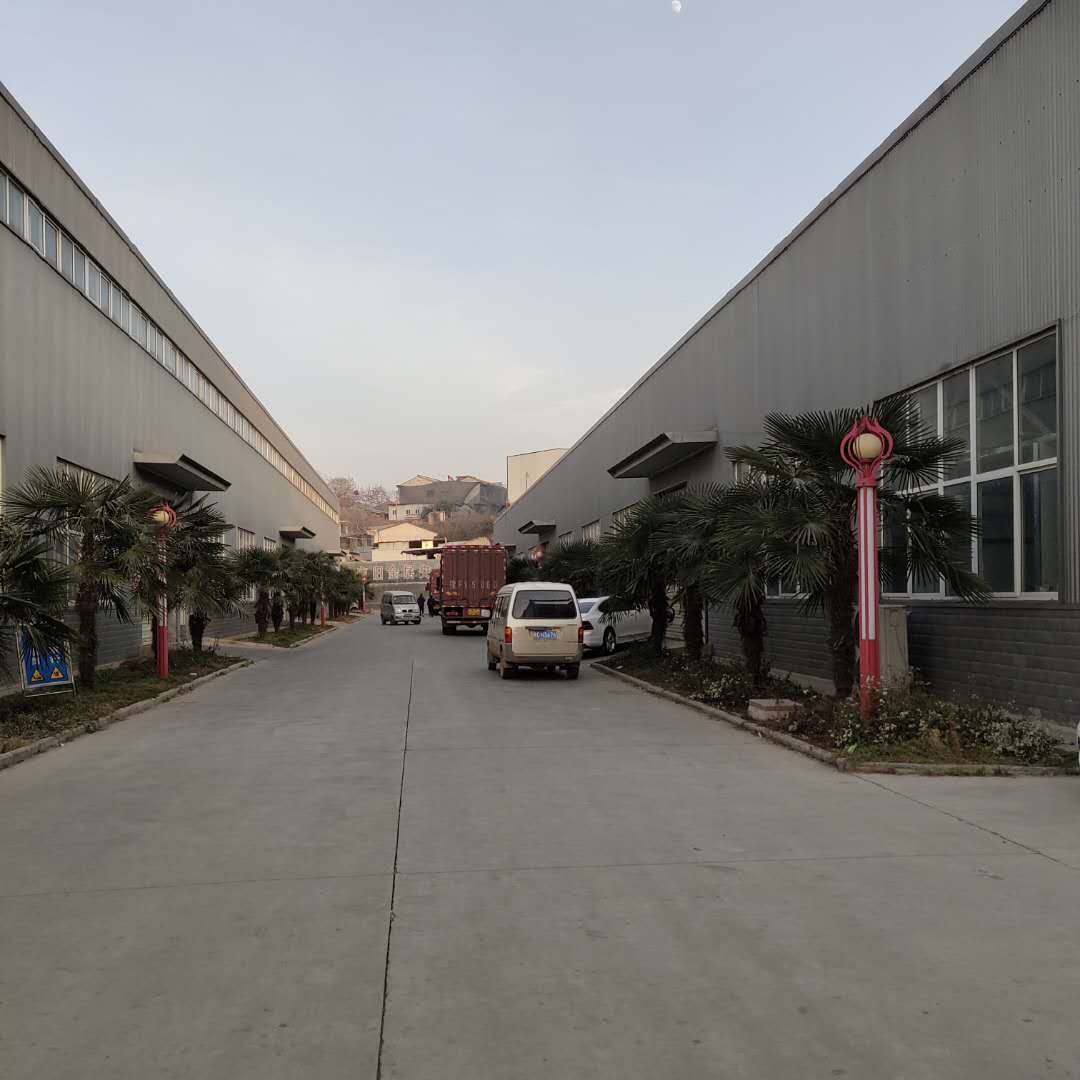
Established on January 10, 2011, in Yucai Road, High-tech Development Zone, Baoji, Shaanxi — the world-renowned "Titanium Valley of China" — Navzo combines localized raw material control with high-precision CNC manufacturing.
Baoji produces the vast majority of China's titanium sponge and bar stock. Our strategic factory location ensures direct mill-certified sourcing, insulating our international clients from material shortages and volatile market markups.
Every production batch of wheel studs and lug fasteners is paired with authentic chemical composition and tensile elongation test certificates, verifying adherence to ASTM B348, AMS 4928, and ISO quality guidelines.
From initial cold heading and multi-axis CNC Swiss turning to precision thread rolling, laser engraving, and custom PVD/burnt blue color finishing, all critical processes are monitored under one ISO-managed roof.
Our dedicated engineering export desk maintains an uninterrupted 100% response rate with an average initial inquiry review completed within one hour, keeping your development and production schedules on track.
Ranked #4 among high-volume fastener suppliers on international export platforms, our consistent dimensional repeatability and material integrity result in lasting partnerships across the USA, Germany, Japan, and the EU.
Whether you require conversion wheel studs (M14x1.25 to M12x1.5), bullet nose race tips, custom drive broaches (Internal Torx or Allen), or custom knurl lengths, our engineering division turns CAD models into production in days.
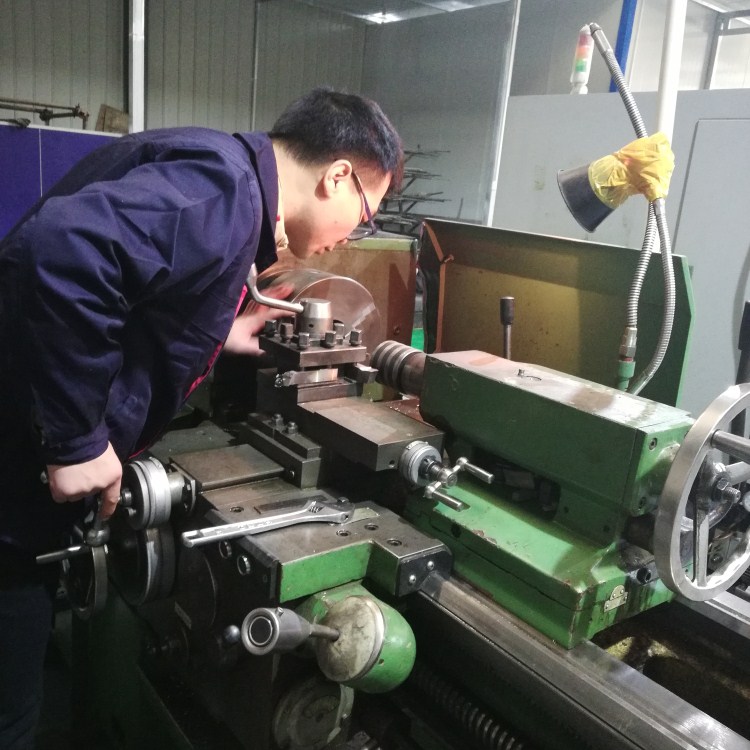
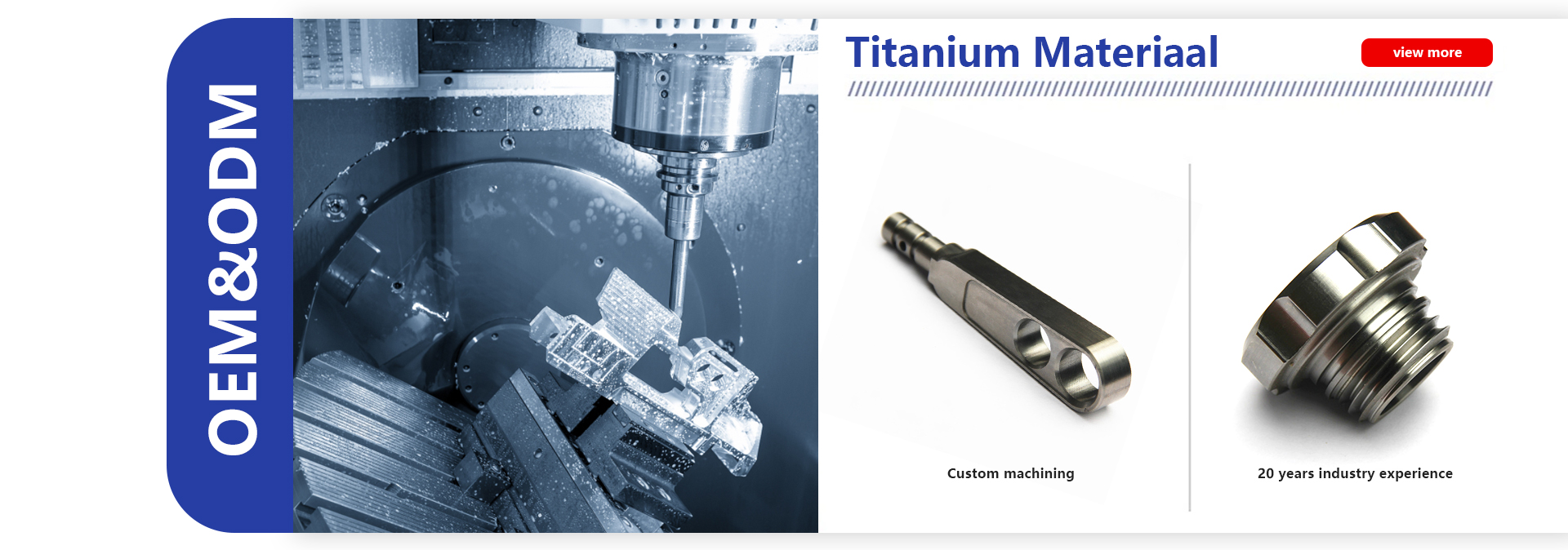
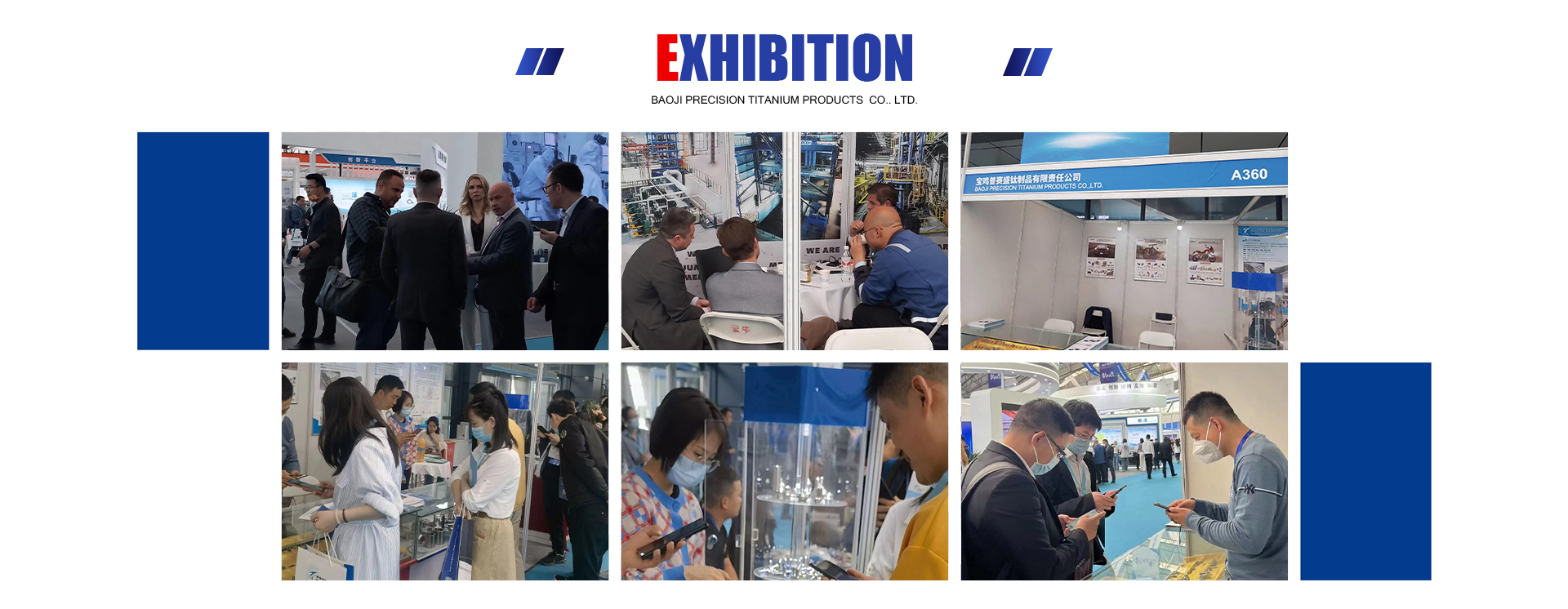
Navzo Precision Titanium Products Co., Ltd. operates a high-capacity production ecosystem optimized for precision titanium fastener cold forming, CNC contouring, and non-destructive quality testing.
Direct technical guidance from our Chief Metallurgist and Global Export Operations Team addressing the common engineering inquiries raised by wholesale buyers.
Partner directly with China's foremost titanium fastener manufacturer in Baoji. Send your 2D/3D technical blueprints, pitch specifications, or target order volumes for immediate engineering review and factory-direct pricing.