High-Performance Titanium Hardware & Structural Components
Manufactured from premium vacuum-arc remelted (VAR) titanium bar and tubing stock. Engineered for hyper-critical aerospace, marine exhaust, high-stress motorsport, and subsea fluid handling applications.
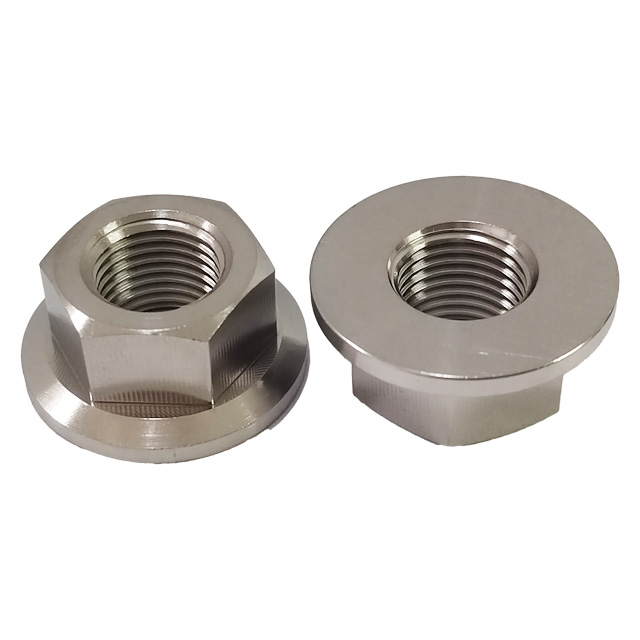
- StandardDIN 6923 / Custom
- Thread PitchM12 × 1.5 Right Hand
- Tensile Strength≥ 895–950 MPa
- FinishPrecision Polished
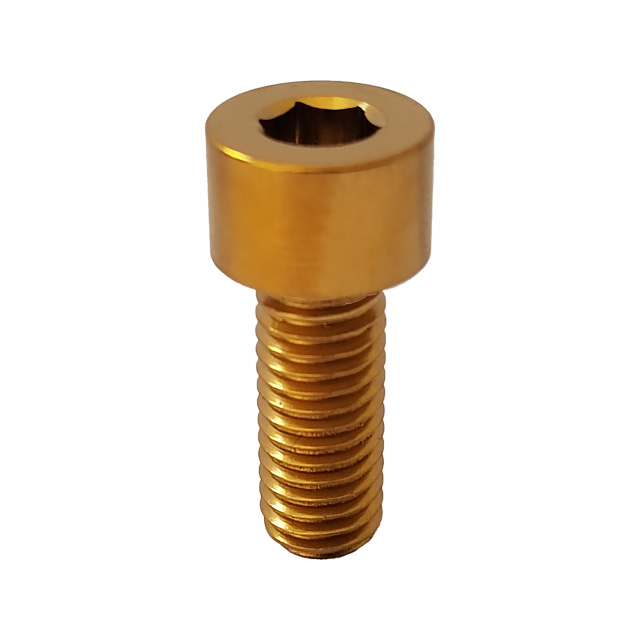
- DriveHexagon Socket Cap
- DimensionM10 × 30 mm
- Yield Strength≥ 828 MPa
- ApplicationBrake Caliper / Powertrain
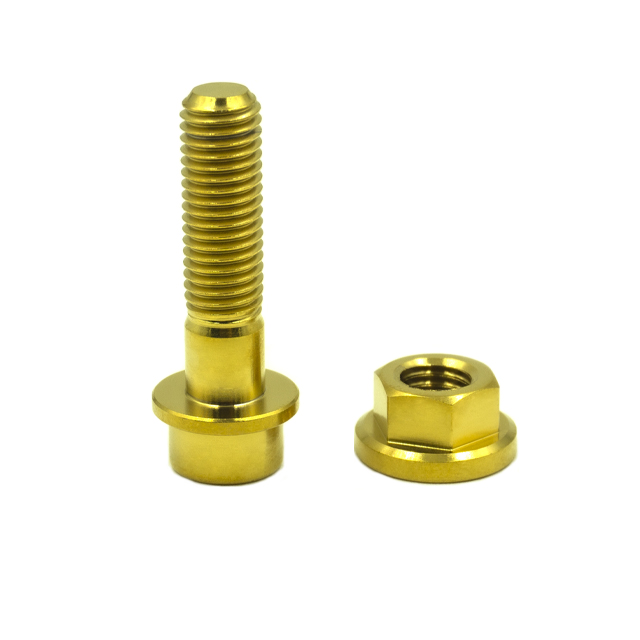
- ConfigurationIntegral Flange Round Head
- SizeM7 × 27 mm Custom
- Weight Savings44% vs. 10.9 Steel
- SurfaceMulti-layer Gold Anodized
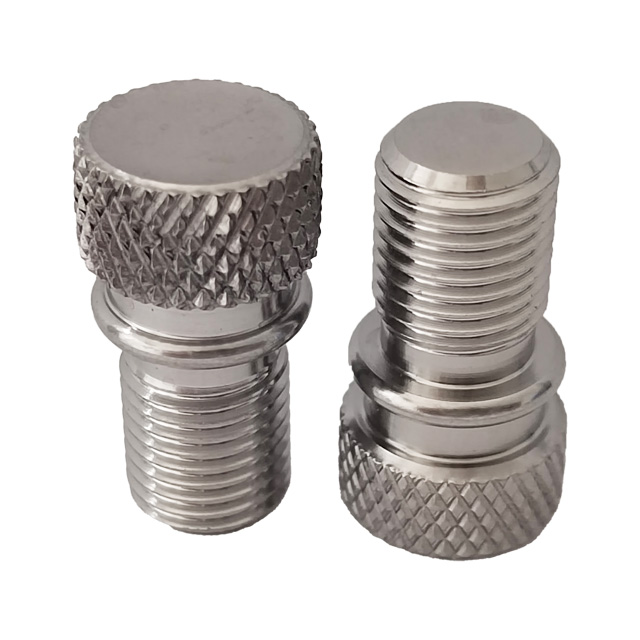
- Thread TypeMetric M9 × 1.0 Fine
- Grip TextureDiamond CNC Knurl
- Concentricity± 0.008 mm
- UsageSpecial Tooling / Optical Hub
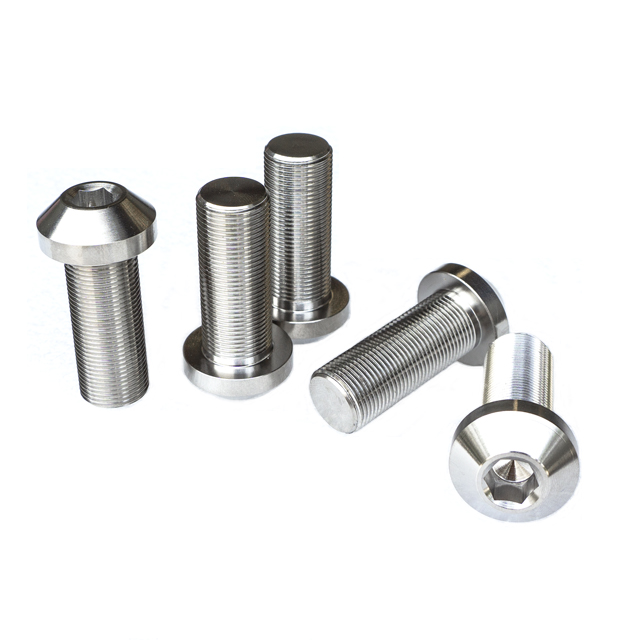
- DiameterM14 × 1.0 Low Profile
- Head GeometryWide Umbrella Flange
- Clamping SurfaceOversized Stress Relief
- ProcessCold Forged / CNC Finished
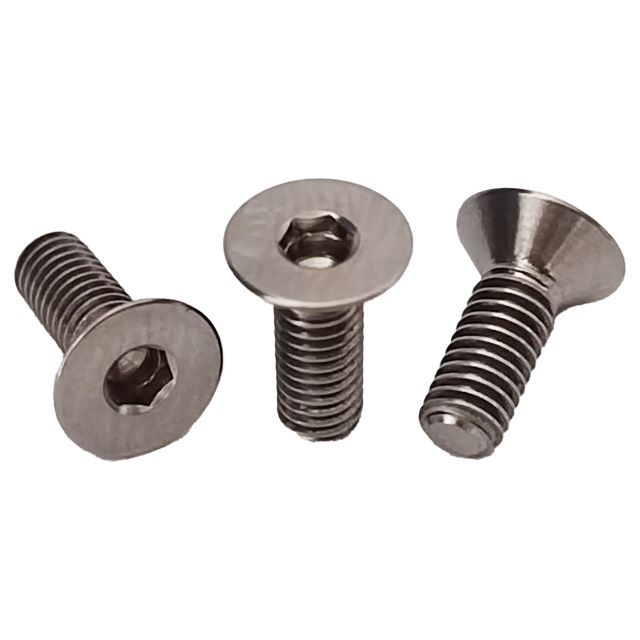
- Angle90° Precision Countersink
- DimensionM8 × 20 mm Flush Fit
- Corrosion RatingMarine & Acid Resistant
- DrivePrecision Broached Hex
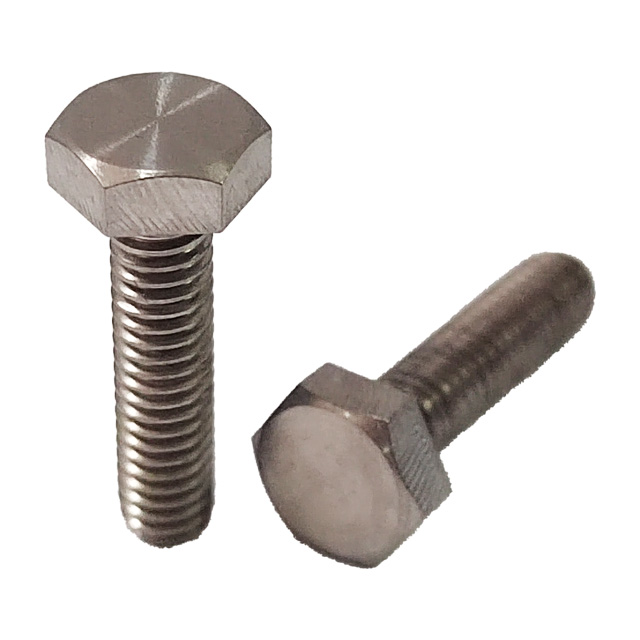
- Nominal SizeM4 × 15 mm DIN 933
- Thread Pitch0.7 mm Standard Metric
- ToleranceClass 6g Precision Fit
- GradeTi-6Al-4V Alpha-Beta
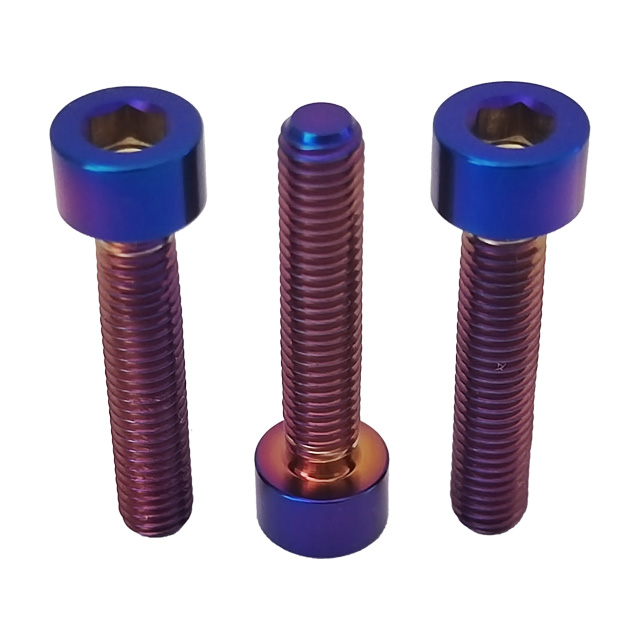
- Head PatternDIN 912 Deep Cup Hex
- DimensionM5 × 25 mm Extended
- Color ToneGradient Flame Burnt Blue
- EnduranceZero Rust in Salt Spray
Metallurgical Taxonomy & Manufacturing Disciplines of Industrial Titanium Tubing
A rigorous B2B technical briefing on Grade 1, 2, 5, and 9 titanium tubes, fabrication mechanics, and international quality thresholds (ASTM B338, ASTM B861, AMS 4943).
Modern industrial engineering demands an uncompromising balance between strength-to-weight optimization, chemical inertness, and thermal stability. Titanium tubing has emerged as the quintessential material across nuclear power condensers, marine desalination systems, commercial aerospace hydraulic circuits, high-performance exhaust networks, and hydrogen electrolyzer stacks. Located at the epicenter of China's Titanium Valley in Baoji, Navzo Precision Titanium bridges the gap between raw sponge extraction and micron-level tube extrusion, delivering bespoke tubular and threaded assemblies manufactured under strict traceability protocols.
1. Seamless (ASTM B861) vs. Welded (ASTM B862 / ASTM B338) Tubing Methodologies
The manufacturing architecture of titanium tubes diverges fundamentally into seamless extrusion and automated continuous TIG/plasma welded processing. Choosing the correct structural classification requires a profound understanding of pressure cycle mechanics, wall thickness tolerances, and microstructural homogenization:
Seamless Titanium Tubes (ASTM B861 / AMS 4943): Seamless production begins with premium forged titanium round billets. Through rotary piercing or high-tonnage horizontal extrusion at temperatures exceeding 900°C, an initial hollow bloom is established. The bloom undergoes multi-stage cold pilgering (cold rolling) and multi-pass mandrel drawing. Between each reduction pass, high-vacuum recrystallization annealing (10-3 Pa vacuum at 680°C to 750°C) is deployed to relieve internal shear stress and preserve the crystallographic equiaxed grain matrix. Seamless tubes eliminate the Heat-Affected Zone (HAZ), delivering ultimate hoop stress resilience and fatigue life. They are universally specified in commercial aerospace hydraulic lines (up to 5,000 PSI service), downhole deep-sea hydrocarbon conduits, and cryogenic propellant feeds.
Welded & Cold-Worked Titanium Tubes (ASTM B338 / ASTM B862): Utilizing ultra-flat precision cold-rolled strip coils, welded tubes are contoured via automated continuous roll forming. The longitudinal seam is hermetically fused utilizing high-purity Argon gas shielded Tungsten Inert Gas (TIG) or automated Plasma Arc Welding (PAW) without filler metal. Post-weld inline or offline cold reduction, coupled with full vacuum annealing, ensures that the fusion zone and parent metal recrystallize uniformly. This procedure produces exceptionally consistent wall thicknesses (±0.03 mm) and flawless interior concentricity at high cost efficiencies, rendering welded titanium tubes the global benchmark for shell-and-tube heat exchangers, surface condensers, and power station steam systems.
2. Material Selection Architecture: Alpha, Near-Alpha, and Alpha-Beta Alloys
Selecting the precise titanium grade dictates whether an engineering assembly will survive cyclic fatigue, acid pitting, or elevated temperature creep:
Commercially Pure Grade 1 & Grade 2 (Alpha Alloys): Grade 1 offers paramount ductility (elongation > 24%), allowing extreme drawability in chemical plate heat exchangers. Grade 2 is the industrial workhorse, maintaining an optimum compromise between a minimum yield strength of 275 MPa and superior weldability. Grade 2 forms an impenetrable, self-healing rutile (TiO2) passivation film in oxidizing media, neutralizing wet chlorine, nitric acid, industrial brine, and marine saltwater environments up to 315°C.
Grade 9 / 3Al-2.5V (Near-Alpha Aviation Alloy): Formulated with 3% aluminum and 2.5% vanadium, Grade 9 tubing represents the pinnacle of hydraulic and pneumatic conduit design. Yielding 620 MPa minimum tensile strength in the cold-worked and stress-relieved (CWSR) condition, it provides 50% higher strength than Grade 2 while maintaining cold-bending flexibility for complex 3D aircraft tube manifolds and high-end bicycle frame architecture.
Grade 5 / Ti-6Al-4V (Alpha-Beta Structural Alloy): With a minimum tensile strength of 895 MPa, Grade 5 is rarely processed into thin-wall tubing through standard cold drawing due to aggressive work hardening. Instead, Navzo deploys precision high-temperature hot extrusion, deep-hole gun-drilling, and full CNC turning to manufacture thick-wall structural Grade 5 titanium sleeves, hollow driveshafts, and matching high-strength fastener collars for dynamic motorsport and offshore mooring hardware.
| Alloy Grade & Spec | Density (g/cm³) | Tensile (MPa) | Yield (MPa) | Elongation (%) | Thermal Cond. (W/m·K) | Primary Industrial Sector |
|---|---|---|---|---|---|---|
| Navzo GR5 (Ti-6Al-4V) Seamless/Bar | 4.43 | ≥ 895 | ≥ 828 | ≥ 10 | 6.7 | Aerospace, Racing Calipers, Fasteners |
| ASTM B338 / B861 Grade 2 Pure Ti | 4.51 | ≥ 345 | ≥ 275 | ≥ 20 | 16.4 | Desalination, Shell Heat Exchangers |
| ASTM B338 Grade 1 Pure Ti | 4.51 | ≥ 240 | ≥ 170 | ≥ 24 | 17.0 | Chemical Processing, Plate Condensers |
| AMS 4943 / 4944 Grade 9 (Ti-3Al-2.5V) | 4.48 | ≥ 620 | ≥ 520 | ≥ 15 | 8.3 | Aircraft Hydraulic Lines, Racing Frames |
| ASTM B861 Grade 12 (Ti-0.3Mo-0.8Ni) | 4.51 | ≥ 485 | ≥ 345 | ≥ 18 | 18.0 | High-Temp Reducing Chemical Acids |
| Comparative: Stainless 316L (EN 1.4404) | 8.00 | ≥ 515 | ≥ 205 | ≥ 40 | 15.0 | General Industry (44% heavier than Ti) |
Global Procurement & Technological Trends in Titanium Components (2025–2030)
Strategic purchasing insights for supply chain executives navigating decarbonization, raw material hedging, and the rise of ultra-high-pressure clean energy fluid systems.
Green Hydrogen & PEM Electrolyzer Integration
Global procurement portfolios are pivoting toward titanium Grade 1 and Grade 2 seamless distribution tubes and porous sintered titanium filter tubes. In Proton Exchange Membrane (PEM) water electrolysis, titanium's absolute electrochemical resistance against high-potential oxygen evolution makes it the only commercially viable material capable of preventing electrolyte contamination and operational stack degradation over 80,000 continuous hours.
Aerospace Hydraulic Weight Reduction (5,000 PSI)
Next-generation narrow-body and wide-body aircraft architectures are universally phasing out stainless steel 21-6-9 and Inconel fluid lines in favor of ultra-high-pressure Grade 9 (Ti-3Al-2.5V) cold-worked, stress-relieved (CWSR) seamless hydraulic tubing. Yielding system-wide airframe weight drops of over 380 kg, procurement contracts are mandating localized mill ultrasonic flaw verification and automated orbital weld end-preparation direct from Chinese manufacturing centers.
Additive Manufacturing & Hybrid Tubular Structures
The convergence of Direct Energy Deposition (DED) and traditional extruded titanium tubing is unlocking custom manifold geometries impossible via simple CNC mandrel bending. Factories in Baoji are leading this hybrid shift: standardized seamless straight lengths are metallurgical-joined with 3D printed Grade 5 multi-port junctions, delivering optimized flow dynamics while cutting raw titanium billet scrap wastage by upwards of 65%.
Supply Chain Cluster Hedging in Baoji Valley
International sourcing managers are moving away from fragmented traders and forging direct partnerships with fully vertically integrated factories in Baoji. By consolidating ingot vacuum arc melting, forging, pilger cold-working, CNC turning, and PVD surface finishing within a 20-kilometer radius, tier-1 OEMs are eliminating intercontinental transit lead-times and insulating their BOM budgets against raw sponge volatility.
Closed-Loop Aerospace Swarf & Scrap Recirculation
Sustainable B2B procurement mandates now evaluate the carbon footprint of primary Kroll titanium processing. Advanced factories are implementing closed-loop vacuum degreasing and electron-beam cold hearth remelting (EBCHR) to recycle 100% of clean titanium CNC chips and tube cropping offcuts back into industrial Grade 2 and Grade 4 commercial-grade tubing, delivering up to 30% carbon-emission reductions.
Advanced PVD & Plasma Electrolytic Oxidation (PEO)
Traditional electrochemical anodization is being heavily supplemented by Physical Vapor Deposition (PVD) titanium nitride (TiN) and Plasma Electrolytic Oxidation (PEO). These dense ceramic coatings dramatically reduce titanium-on-titanium galling tendencies, eliminate the necessity of toxic chemical anti-seize lubricants, and guarantee complete surface dielectric insulation when titanium interfaces with carbon-fiber reinforced polymers (CFRP).
Why Tier-1 Engineers Partner With Navzo Precision
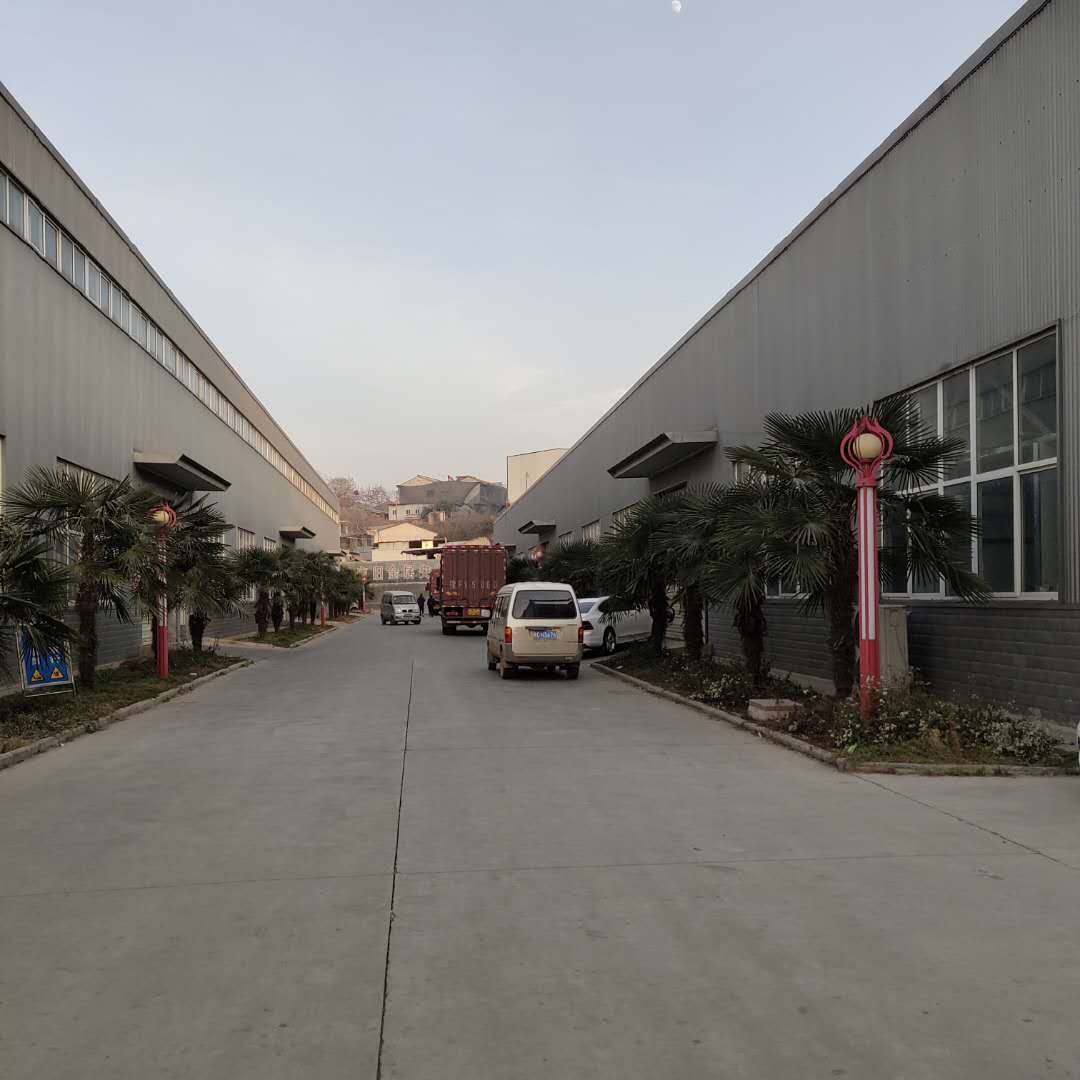
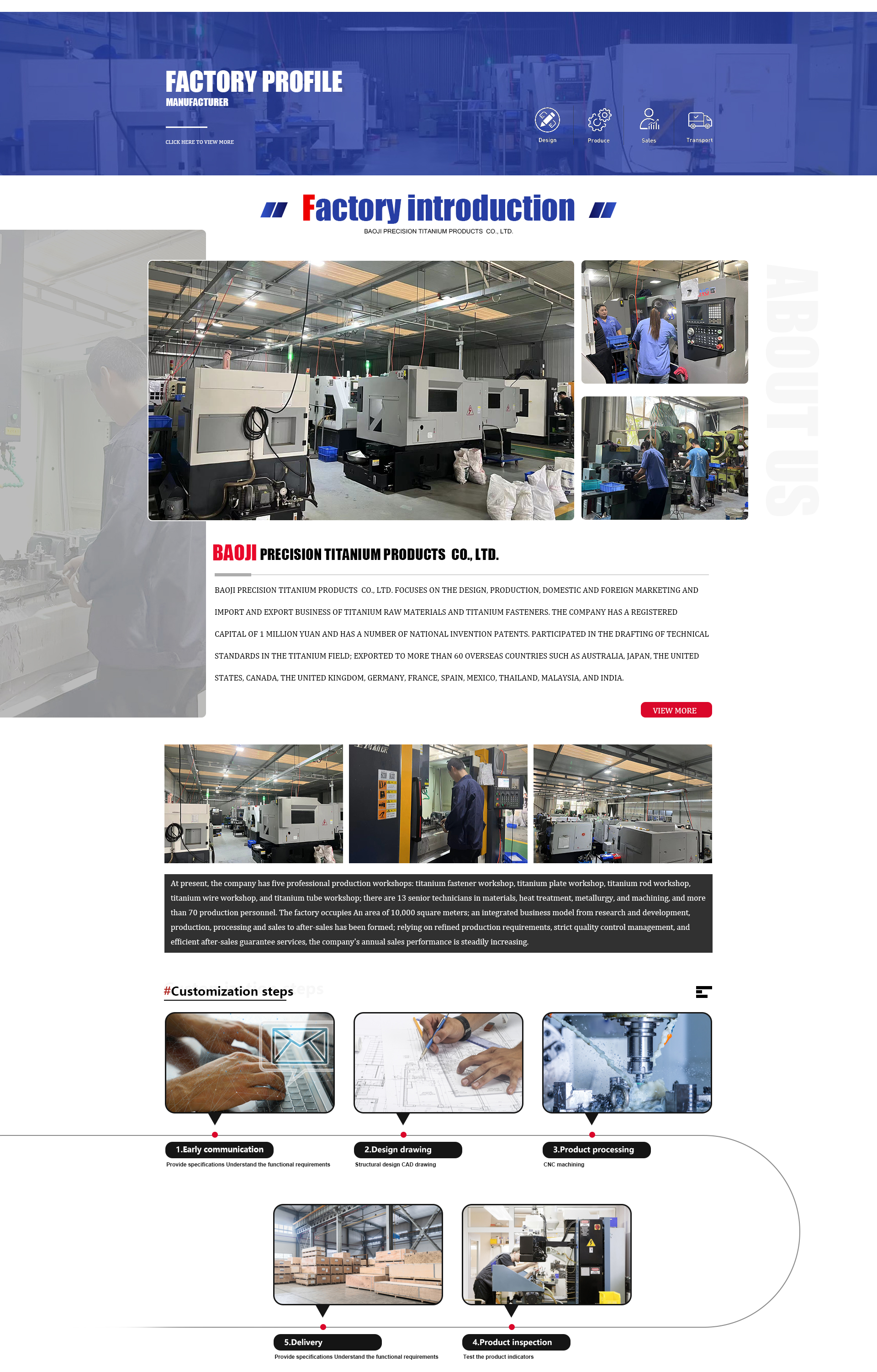
Founded on January 10, 2011, in the High-tech Development Zone of Baoji, Shaanxi, Navzo has spent over 14 years mastering titanium tube forming, precision CNC machining, and specialized high-stress fastening systems.
Sponge-to-Tube Traceability
Sourced directly from Baoji certified titanium sponge mills, every ingot undergoes double or triple VAR melting. Full EN 10204 3.1 chemical and mechanical mill test certificates are archived for 10 years per production batch.
Complete Cold-Pilger & CNC Cells
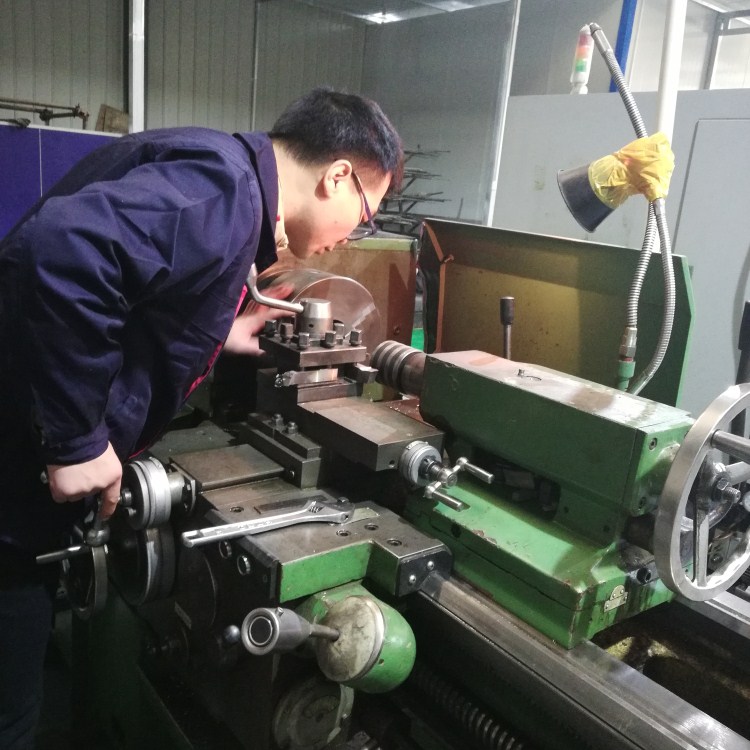
Our workshop integrates high-precision 2-roller and 3-roller cold pilger mills, multi-roll tube straighteners, vacuum degreasing units, and high-speed CNC turning-milling centers capable of tolerances down to ±0.005 mm.
100% Non-Destructive Inspection (NDT)
Every single aerospace and heat exchanger tube undergoes continuous inline Eddy Current Testing (ASTM E426), ultrasonic flaw detection (ASTM E213), and hydrostatic pressure verification up to 30 MPa to guarantee zero micro-fractures.
Rapid 1-Hour RFQ Response
Our multilingual mechanical engineering team reviews complex 2D (PDF, DWG) and 3D (STEP, IGES) CAD drawings within 60 minutes during standard business hours, providing immediate DFM (Design for Manufacturability) guidance.
Proven Tier-1 Export Authority
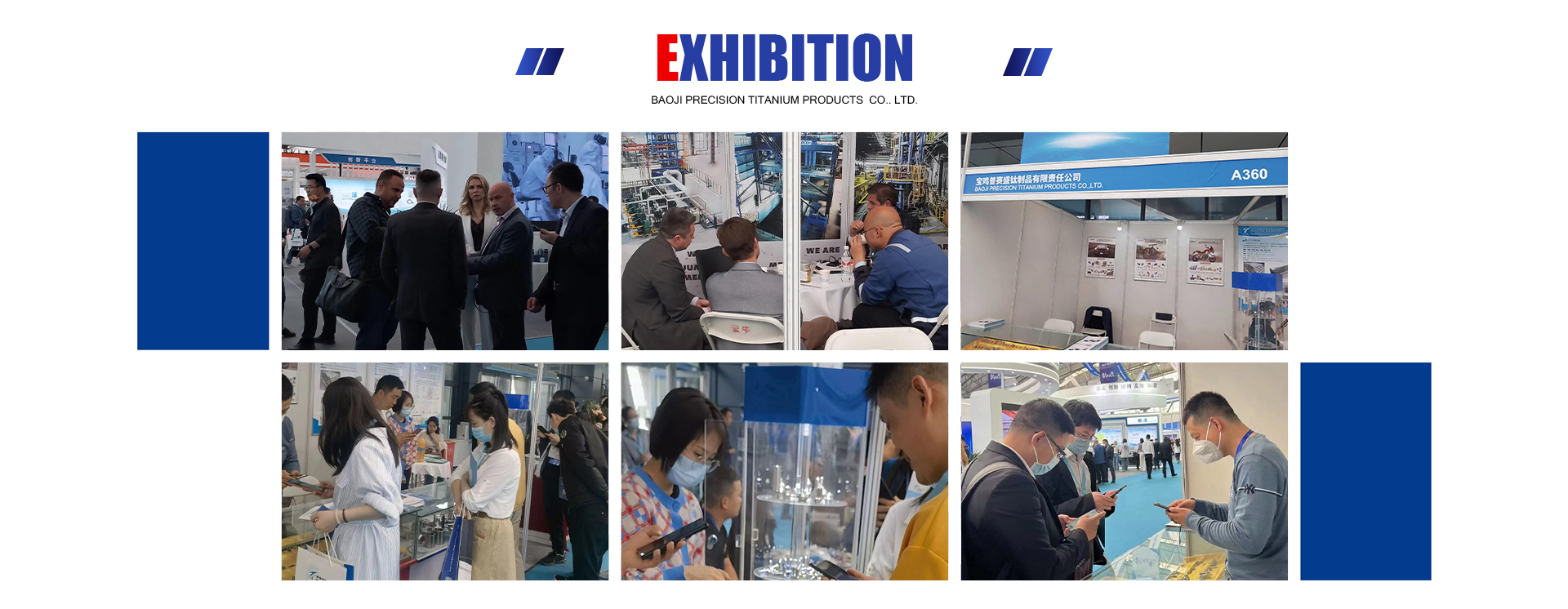
With verified on-site facility audits and sustained exports across the United States, Germany, Japan, South Korea, Russia, the Netherlands, and Thailand, we adhere strictly to international freight packaging standards for damage-free delivery.
Proprietary Surface Treatment Lines
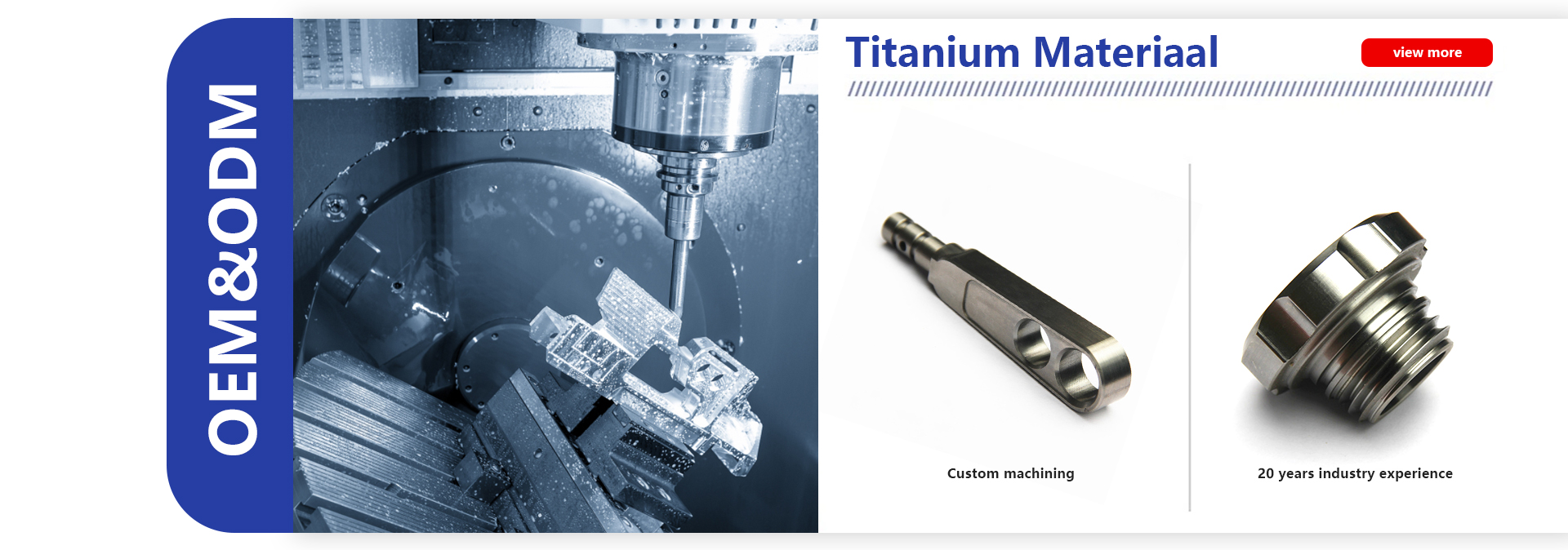
In-house electrochemical anodization (voltage-controlled spectrums), flame burnt-blue heat coloring, micro-bead blasting, and ultra-hard physical vapor deposition (PVD TiN/TiAlN) guarantee aesthetic perfection and extreme anti-galling performance.
Frequently Asked Questions by Industrial Sourcing Teams
Comprehensive engineering and commercial responses to critical procurement questions regarding material specifications, tolerances, testing regimes, and delivery parameters.
What is the fundamental engineering difference between ASTM B338, ASTM B861, and ASTM B862?
These three ASTM standards define distinct product forms and manufacturing routes for titanium tubes:
• ASTM B338 covers both seamless and welded titanium and titanium alloy tubes intended specifically for surface condensers, evaporators, and heat exchangers. It mandates rigorous flattening, flaring, reverse flattening, and 100% pneumatic or hydrostatic testing.
• ASTM B861 governs seamless titanium pipe and tube designed for general corrosion-resistant and elevated-temperature industrial service, typically handling severe internal hydraulic or process pressure.
• ASTM B862 specifically regulates welded titanium pipe fabricated from flat-rolled products with an automated welding process, predominantly used for large-diameter chemical ducting and low-pressure municipal conduits.
Can seamless titanium tubing be bent and flared without risk of localized cracking?
Yes, provided the tubing is supplied in the fully annealed condition and the bend radius respects metallurgical strain limits. For Commercially Pure Grade 2, minimum centerline bend radius is typically 2.5 to 3 times the Tube Outside Diameter (OD). For aerospace Grade 9 (Ti-3Al-2.5V), bending mandrels with internal wiper dies and specialized drawing lubricants are required to maintain roundness (ovality < 5%). All Navzo tubing destined for flaring complies with the expansion requirements of ASTM B338, permitting a minimum 20% to 24% outer diameter expansion with zero macroscopic fissures under 30x optical magnification.
How is internal working and burst pressure calculated for titanium tubes?
Internal pressure ratings are derived from the classical Barlow's Formula: P = (2 × S × t) / D, where P is internal burst or working pressure (MPa or PSI), S is allowable design stress (typically 2/3 of minimum yield strength at room temperature per ASME Section VIII Div 1), t is nominal wall thickness, and D is outside diameter. Because Grade 5 and Grade 9 possess yield strengths roughly 2 to 3 times greater than standard 316L stainless steel, titanium tubular lines achieve equivalent pressure capacities with wall thicknesses reduced by up to 50%, resulting in staggering structural mass reductions.
How does Navzo eliminate galvanic corrosion when coupling titanium with aluminum or steel?
Titanium is cathodically noble (+0.05V to -0.05V in standard seawater). When placed in direct electrical contact with less noble metals (such as 6061-T6 aluminum at -0.90V or carbon steel at -0.65V) in an electrolyte, accelerated galvanic corrosion of the neighboring metal will occur. We mitigate this through three engineering solutions: (1) Applying Physical Vapor Deposition (PVD) dielectric barrier coatings to the titanium fastener or tube flange; (2) Supplying customized non-conductive PTFE, PEEK, or Delrin isolation bushings; and (3) Implementing high-performance anti-seize paste containing zinc or nickel particles that physically interrupt electron transfer between mating surfaces.
What specific non-destructive quality test documentation is supplied with each shipment?
Every commercial and aerospace consignment leaves our Baoji facility accompanied by a certified EN 10204 Type 3.1 inspection documentation package. This includes: complete optical emission spectrometry (OES) chemical analysis verifying interstitial levels (C, O, N, H, Fe); tensile, yield, and elongation test results; hydrostatic pressure verification charts; Eddy Current (ET) inspection logs per ASTM E426; Ultrasonic (UT) wall mapping reports per ASTM E213; and dimensional gauge compliance sheets verified by calibrated digital coordinate measuring machines (CMM).
What are your typical production lead times and Minimum Order Quantities (MOQ)?
For standard catalogue Grade 2 and Grade 5 fasteners and standard-dimension titanium tubing (OD 6.0 mm to 63.5 mm), our factory maintains vast inventories of annealed hollow blooms and rolled bars, permitting order dispatches within 3 to 7 business days with MOQs starting at 100 to 200 pieces. For custom cold-pilgered tube dimensions, exotic wall thicknesses (WT ≤ 0.5 mm or ≥ 8.0 mm), or bespoke multi-axis CNC parts, custom tooling runs typically require 15 to 25 production days, with rapid prototype sampling available in as few as 5 days.
What surface finishes can be applied to titanium tubes and threaded components?
Navzo provides four distinct surface finishing categories:
• Mechanical Polish / Satin Brushed: Standard for industrial heat exchangers, delivering an average surface roughness of Ra 0.4 μm to 0.8 μm.
• Electropolishing (EP): Essential for high-purity pharmaceutical and semiconductor gas lines, achieving ultra-smooth finishes down to Ra < 0.2 μm that eliminate micro-fissure bacterial adhesion.
• Electrochemical Anodizing (Type II & Type III): Generates brilliant oxide layers in gold, blue, green, and purple via precise voltage modulation, enhancing cosmetic appeal and environmental corrosion resistance.
• Thermal Burnt-Blue & PVD: Premium high-temperature oxidation and vacuum nitride deposition ideal for automotive performance exhausts, high-end cycling, and severe-wear dynamic mechanical fasteners.
Why is anti-seize paste critical for titanium threaded joints, and how is thread galling avoided?
Titanium possesses a low thermal conductivity and an active surface oxide layer. Under high torque clamping loads, sliding friction between identical titanium mating threads can rupture this oxide film, resulting in localized microscopic friction welding known as galling or thread seizure. Navzo combats galling by: (1) Precision rolling rather than cutting threads, which produces burnished, ultra-smooth thread flanks with superior compressive residual stress; (2) Applying vacuum PVD or MoS2 solid-film lubricants; and (3) Mandating that assembly technicians utilize high-grade molybdenum disulfide or copper-free anti-seize compounds during final torque installation.
Initiate Your Engineering Consultation & Request a Factory Direct Quote
Connect immediately with Navzo's Baoji metallurgy specialists. Whether you require standard ASTM B338 heat exchanger tubing, custom Grade 9 aircraft hydraulic lines, or precision CNC-machined titanium hardware, we guarantee engineering reviews within one hour.