Precision Titanium Engineering Showcase
From structural plate billet processing to micro-tolerance CNC machining: inspect our flagship Grade 5 (Ti-6Al-4V) components engineered for motorsport, aerospace assemblies, and chemical industrial infrastructure.
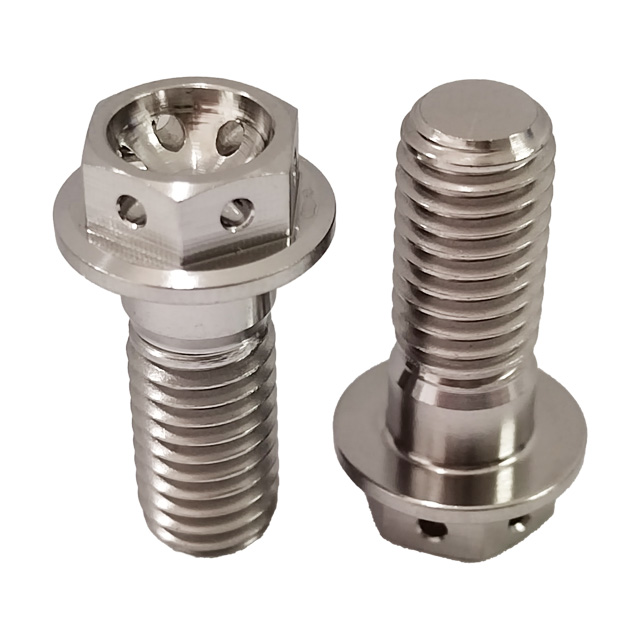
- Alloy Grade:Ti-6Al-4V (GR5)
- Tensile Strength:≥ 895 MPa
- Thread Pitch:M8 × 1.25 mm
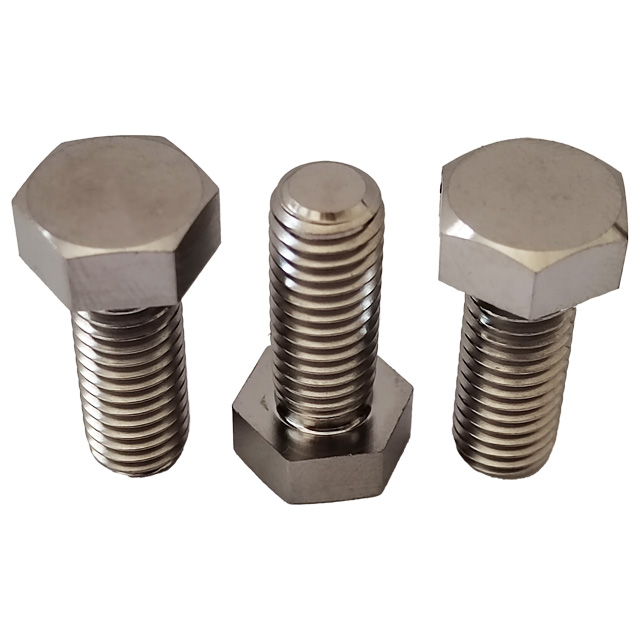
- Alloy Grade:Ti-6Al-4V (GR5)
- Threading:Full Rolled Thread
- Tolerance:ISO 6g / DIN 933
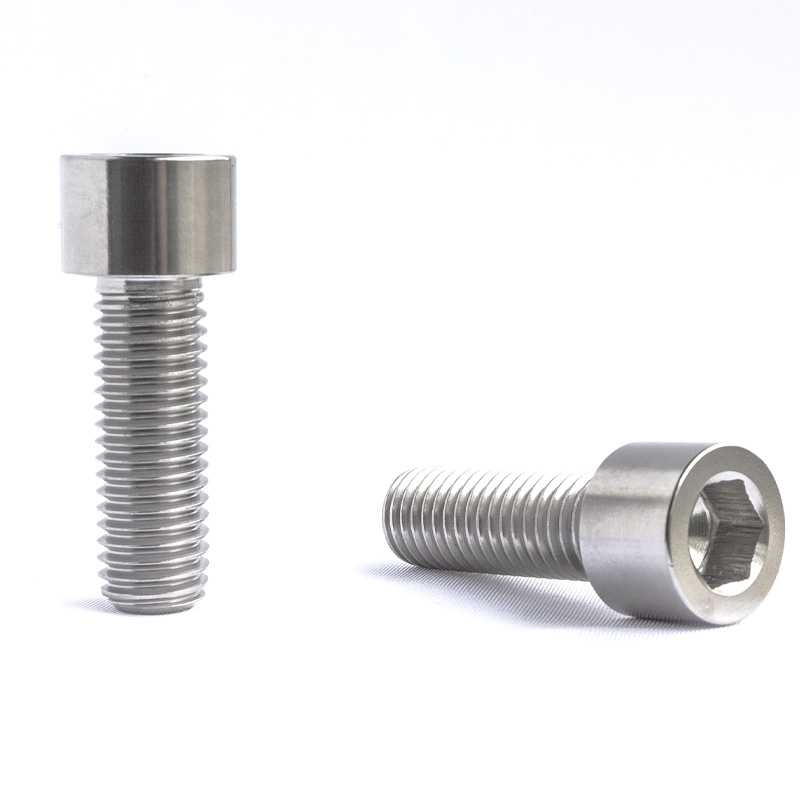
- Alloy Grade:Ti-6Al-4V (GR5)
- Standard:DIN 912 / ISO 4762
- Shear Load:> 520 MPa
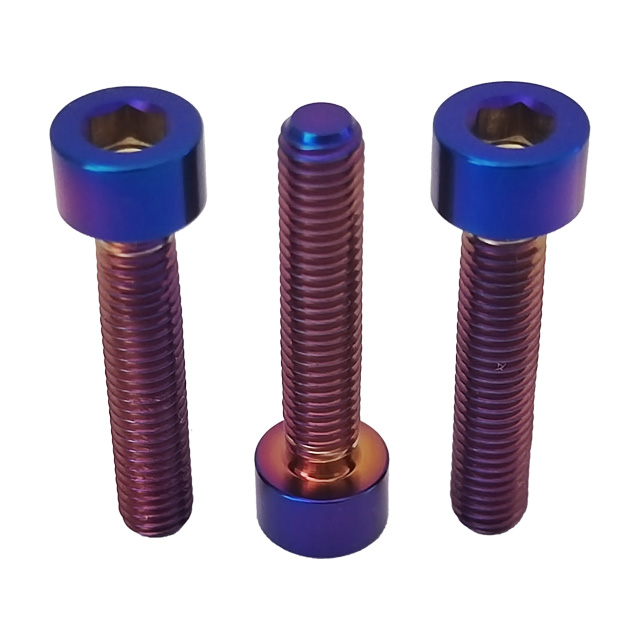
- Surface:Thermal Oxidation Blue
- Density:4.43 g/cm³
- Application:Aerospace / Motorsport
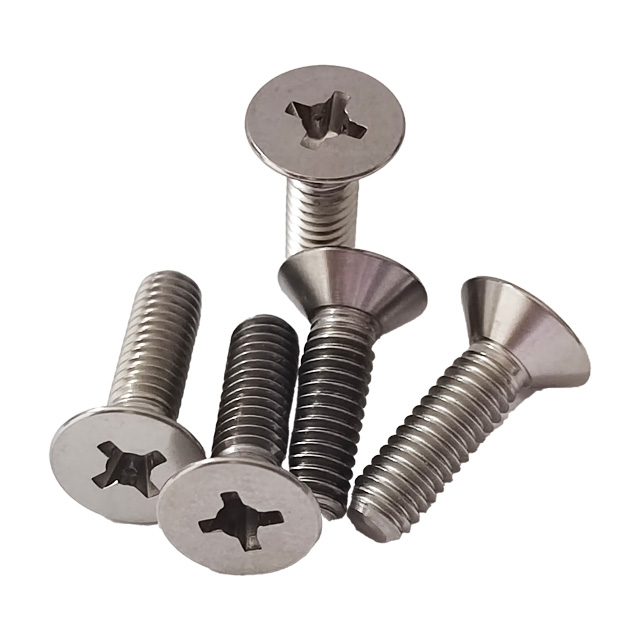
- Head Style:90° Countersunk Flat
- Drive Type:Cross Recess / Phillips
- Standard:DIN 965 / ISO 7046
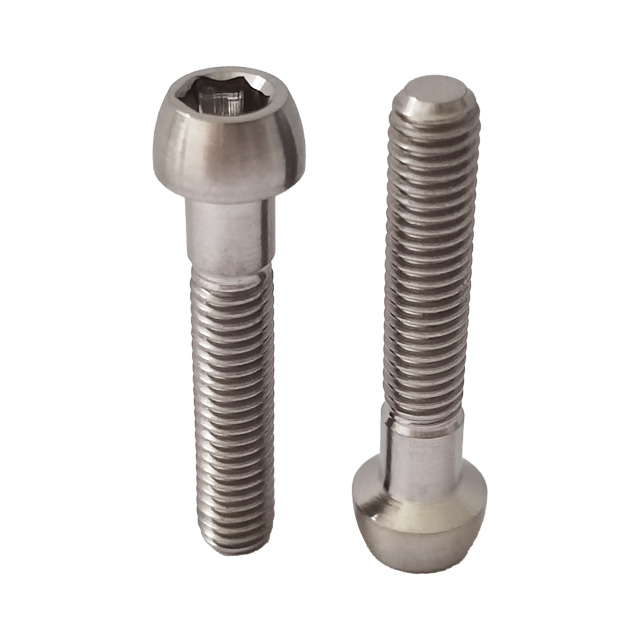
- Head Design:Weight-Relief Tapered
- Proof Stress:≥ 825 MPa
- Application:Bicycle Stem & Chassis
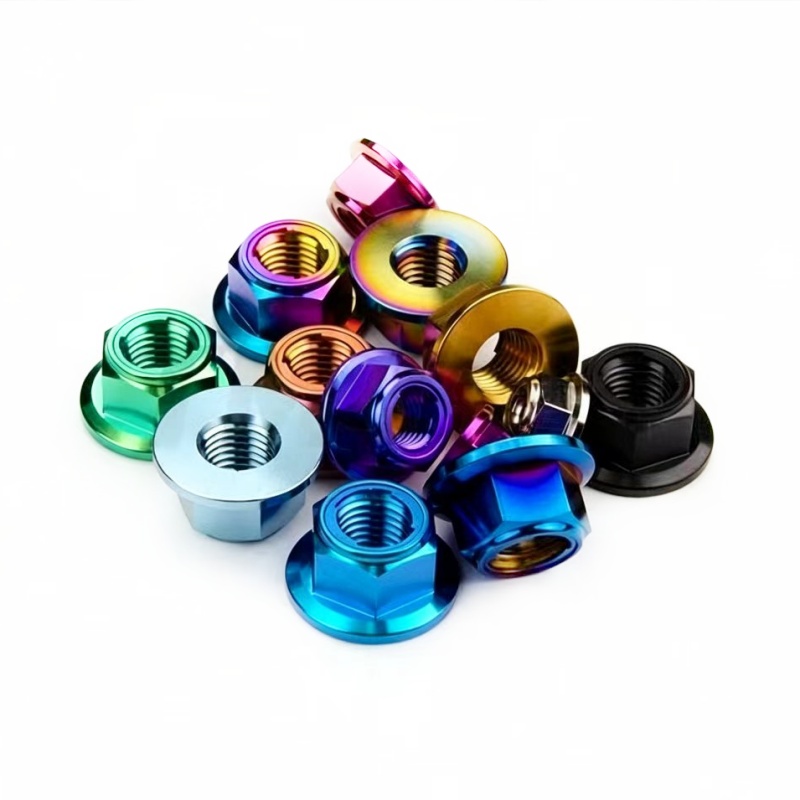
- Locking Mechanism:Deformed Thread / Flange
- Finish:PVD Gold / Rainbow
- Torque Retention:High Dynamic Cycle
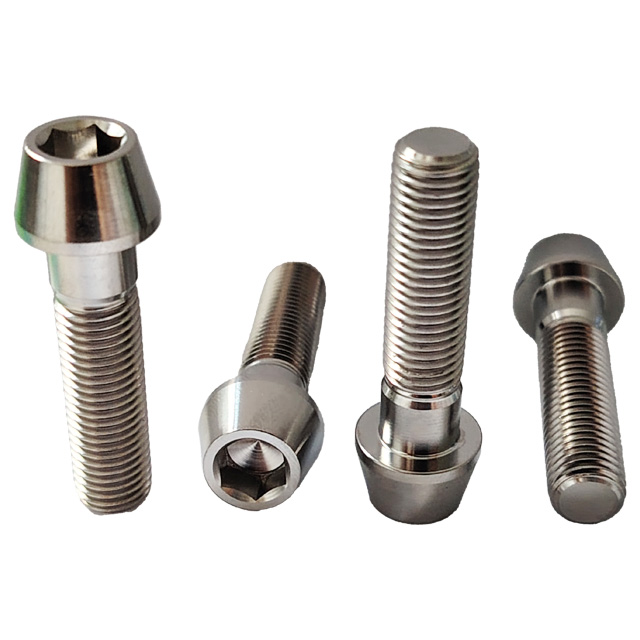
- Thread Sizes:M8 / M10 / M12 Available
- Forming:Precision Multi-Axis CNC
- Material Origin:Certified Baoji Ingot
China Titanium Plates Export Standards: Microstructure, ASTM Specifications & Procurement Physics
A comprehensive metallurgical reference for international procurement teams, material engineers, and supply chain directors sourcing flat-rolled CP (Commercially Pure) and Alpha-Beta alloy plates from China.
In the contemporary aerospace, petrochemical processing, marine engineering, and power generation sectors, specifying the appropriate titanium plate grade is a critical determinant of system longevity, stress corrosion resistance, and thermal efficiency. As China's primary titanium industrial hub—headquartered in Baoji, Shaanxi Province—accounts for over 65% of national titanium production and roughly 25% of global output, navigating the metallurgical criteria of China titanium plates exporters requires an empirical understanding of mill rolling parameters, grain microstructure refinement, and ultrasonic non-destructive testing (NDT) methodologies.
Titanium plates exported under international standards such as ASTM B265, AMS 4911, ASME SB265, and ISO 5832 diverge markedly in their crystalline structure, tensile-to-density ratios, and fabrication properties. Navzo Precision Titanium Products Co., Ltd. produces and exports certified plates, sheets, and complementary titanium CNC assemblies directly from Baoji, ensuring full ingot-to-plate traceability under EN 10204 3.1 inspection certification.
Empirical Metallurgy: Commercially Pure (CP) vs. Alpha-Beta Titanium Plate Grades
Titanium exists in two distinct crystallographic allotropes: the hexagonal close-packed (HCP) alpha ($\alpha$) phase below approximately 882°C (1620°F), and the body-centered cubic (BCC) beta ($\beta$) phase above this transus temperature. The inclusion of alloying elements—such as aluminum (an alpha stabilizer) or vanadium and iron (beta stabilizers)—radically modifies the plate's mechanical limits, fracture toughness, and weldability.
| Standard Grade | UNS Number | Phase Structure | Min. Yield Strength (MPa) | Min. Tensile Strength (MPa) | Elongation (%) | Primary Industrial Application |
|---|---|---|---|---|---|---|
| ASTM Grade 1 | R50250 | Unalloyed Alpha (CP) | 170 | 240 | ≥ 24 | Deep drawing, plate heat exchangers, chlor-alkali cells |
| ASTM Grade 2 | R50400 | Unalloyed Alpha (CP) | 275 | 345 | ≥ 20 | Marine scrubbers, flue gas desulfurization (FGD), chemical tanks |
| ASTM Grade 5 | R56400 | Alpha-Beta (Ti-6Al-4V) | 828 | 895 | ≥ 10 | Aerospace bulkheads, armor plates, motorsport chassis, racing hardware |
| ASTM Grade 7 | R52400 | Alpha + 0.15% Pd | 275 | 345 | ≥ 20 | Severe reducing acid media, hydrometallurgical autoclaves |
| ASTM Grade 9 | R56320 | Near-Alpha (Ti-3Al-2.5V) | 483 | 620 | ≥ 15 | High-pressure hydraulic tubing, offshore subsea riser components |
| ASTM Grade 12 | R53400 | Near-Alpha (Ti-0.3Mo-0.8Ni) | 345 | 483 | ≥ 18 | Elevated temperature chemical processing, brine evaporator plates |
1. Commercially Pure Grade 2 Plates (ASTM B265 / ASME SB265)
Grade 2 titanium is the industrial workhorse of chemical processing infrastructure. Offering an optimum compromise between moderate tensile strength (345 MPa minimum) and superior cold-forming ductility, CP Grade 2 forms a tenacious, chemically passive titanium dioxide (TiO₂) film instantaneously upon atmospheric exposure. When exported by premier Chinese mills, CP2 plates undergo vacuum annealing to prevent surface hydride formation, making them impervious to ambient wet chlorine gas, chlorite solutions, and organic acids across pH ranges from 2 to 12.
2. Grade 5 / Ti-6Al-4V Plates (AMS 4911 / ASTM B265)
Accounting for more than half of worldwide structural titanium consumption, Grade 5 is an alpha-beta alloy containing 6% aluminum and 4% vanadium. Its exceptional strength-to-density ratio (density: 4.43 g/cm³) allows it to replace high-strength steels and nickel superalloys at a 42% weight reduction. For aerospace skin panels, cryogenic pressure vessels, and defense ballistic plate applications, plates sourced from Baoji undergo strict hot cross-rolling sequences followed by duplex vacuum annealing (typically at 700°C–785°C) to yield an equiaxed microstructural grain size conforming to ASTM E112 (Grain Size No. 7 or finer), preventing localized directional fatigue failures under cyclic flight stresses.
Future Procurement Trends: Navigating China's Titanium Export Landscape
Strategic dynamics transforming the international purchasing behavior of titanium plates, bars, and precision structural fasteners through 2035.
Direct Ingot-to-Component Supply Chain Decoupling
Western Tier-1 contractors are shifting away from intermediate service centers toward vertically integrated Chinese manufacturers capable of supplying both raw ASTM B265 plate blanks and finished 5-axis CNC machined hardware under a single Mill Test Certificate.
Electron Beam Melting (EBCHM) Integration
The transition from double Vacuum Arc Remelting (VAR) to Electron Beam Cold Hearth Melting is eliminating High-Density Inclusions (HDI) and Low-Density Inclusions (LDI), providing aerospace buyers with plates exhibiting superior fracture toughness and clean melt chemistry.
ESG & Circular Scrap Re-Smelting
With the enactment of the EU CBAM (Carbon Border Adjustment Mechanism), major exporters in Baoji have implemented closed-loop solid-state recycling of clean plate off-cuts and machining swarf, drastically lowering embodied carbon per ton of prime rolled plate.
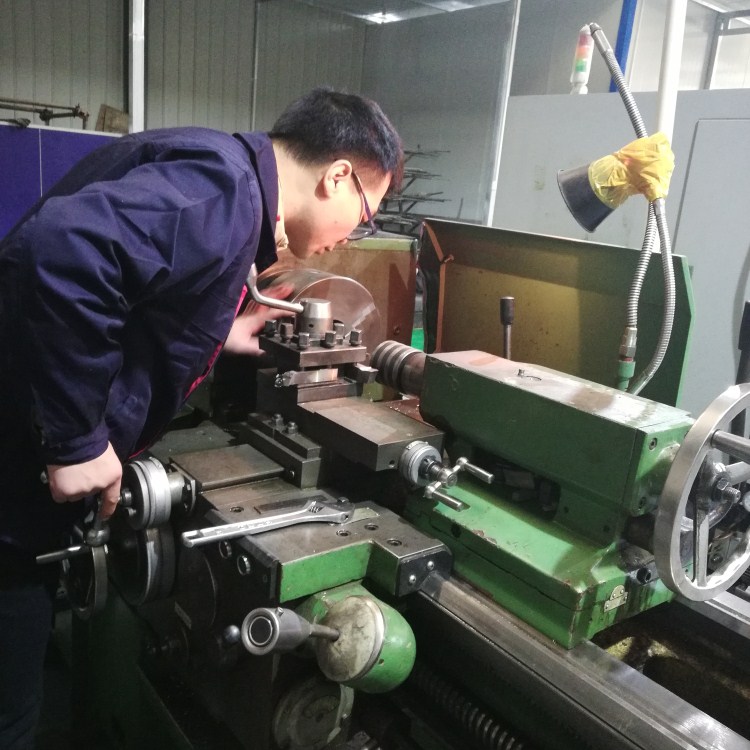
Zero-Defect Rolling, Alpha-Case Prevention & Hot Isostatic Pressing
Manufacturing premium-grade titanium plate requires exacting thermal discipline. During hot-pack rolling above 750°C, titanium avidly absorbs atmospheric oxygen, nitrogen, and hydrogen, precipitating a brittle surface interstitial stratum known as the alpha case.
As an experienced China titanium plate and precision hardware exporter, Navzo deploys high-vacuum electric heating furnaces paired with pressurized inert argon backfilling. Post-rolling treatments encompass automated chemical milling in hydrofluoric-nitric (HF-HNO₃) pickling baths to strip interstitial alpha-case layers down to base metallurgical stock, followed by 100% surface eddy current and immersion ultrasonic scanning.
Automated Ultrasonic C-Scan Inspection
Every titanium slab and thick plate slated for global export complies with AMS 2631 Class AA / ASTM E114 immersion ultrasonic inspection. This prevents hidden micro-voids, center-line segregation, and forging laminations from reaching critical client assemblies.
Cross-Directional Multi-Pass Rolling
By varying the rolling direction 90° between reduction passes, our rolling technicians eliminate anisotropic mechanical variance. This yields isotropic tensile elongation across both longitudinal (L) and transverse (LT) axes for high-pressure hydroforming.
Hydrogen Vacuum Degassing
Hydrogen pickup above 150 ppm (0.015%) leads to catastrophic delayed hydrogen embrittlement under static mechanical tension. Our computerized vacuum degassing furnaces sustain operating pressures under 10⁻³ Pa at 720°C, maintaining residual hydrogen levels consistently below 30 ppm.
Navzo Precision Titanium Products Co., Ltd.: Your Trusted Baoji Supply Partner
Founded on January 10, 2011, in the High-Tech Development Zone of Baoji, Navzo bridges raw mill metallurgy with micro-precision aerospace component fabrication.
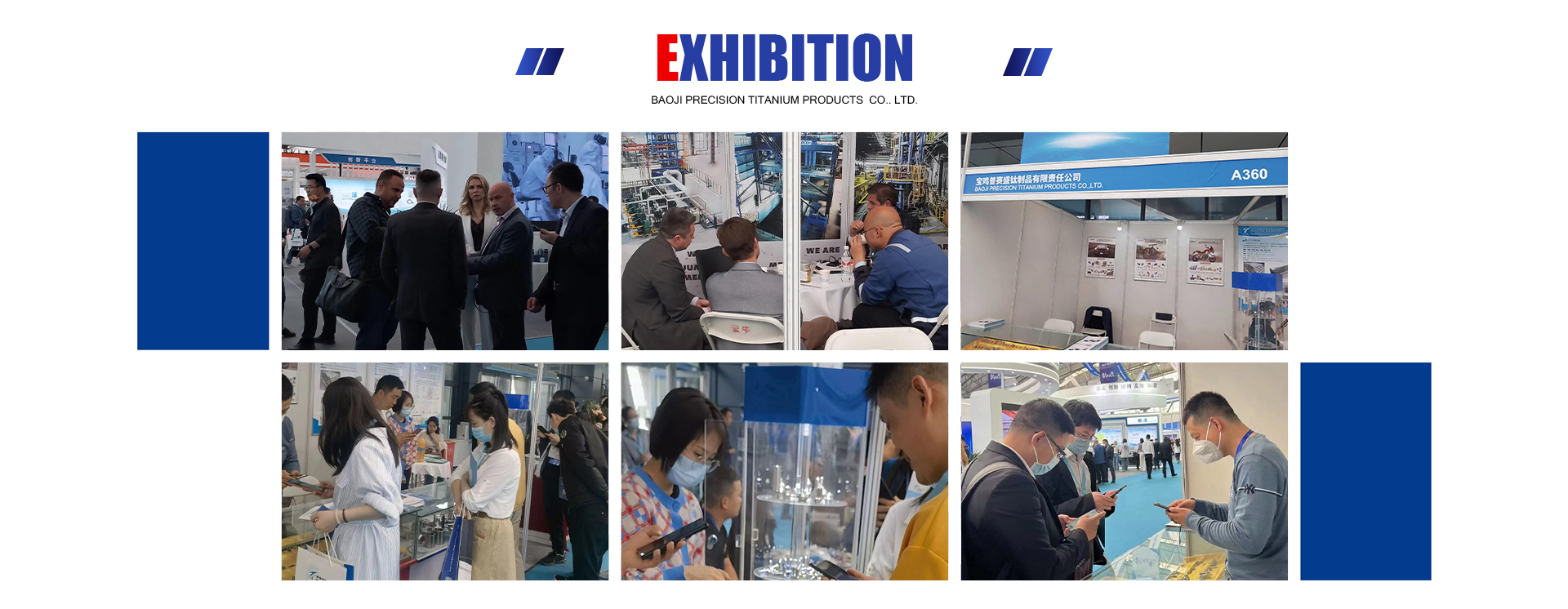
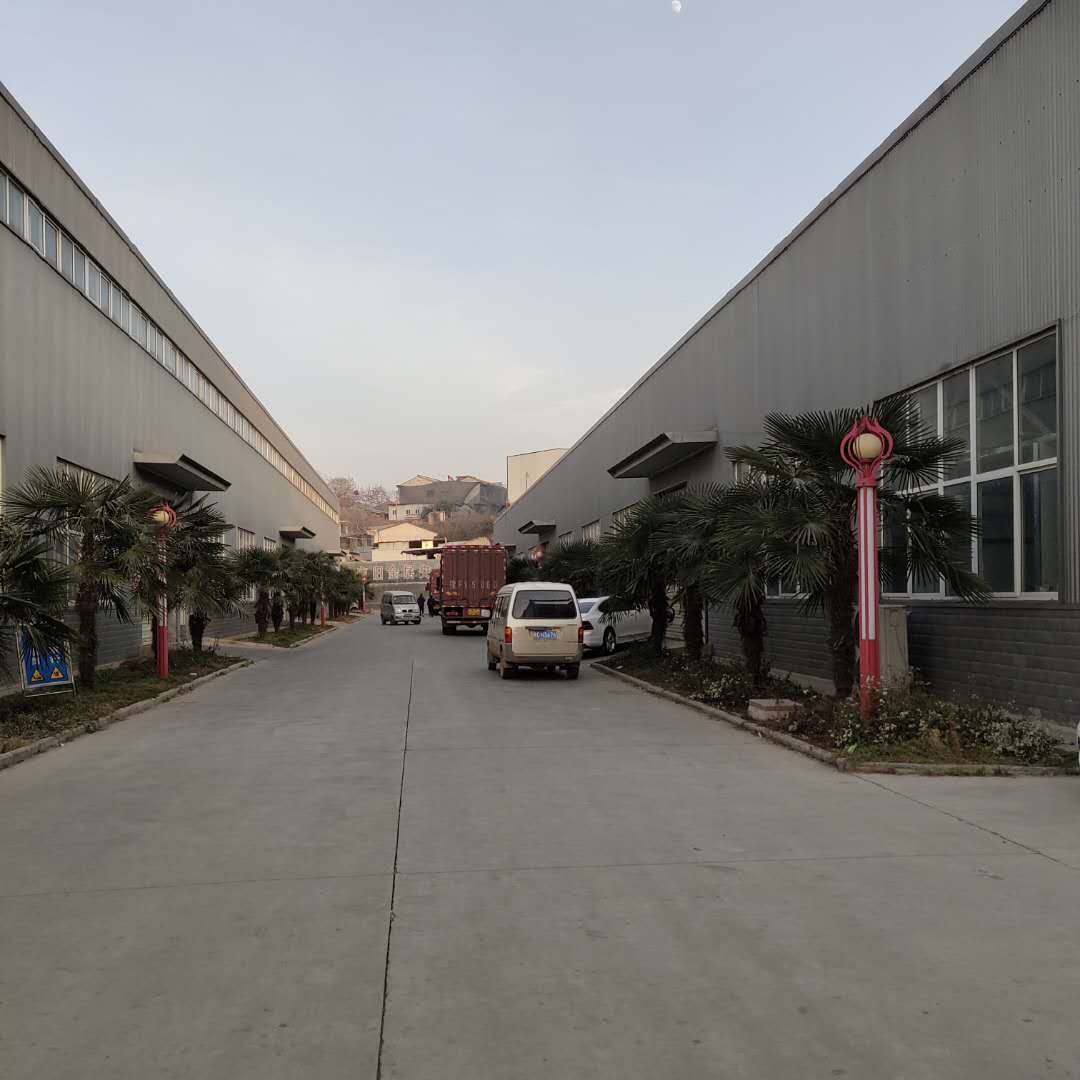

Procuring titanium products from China requires working with a verified manufacturer with deep industrial roots. Navzo is situated on Yucai Road within Baoji's High-Tech Zone, granting our engineering team instant direct access to China's foremost titanium sponge processors, consumable electrode vacuum induction melting furnaces, and national testing laboratories.
Core Operational Capabilities & Strategic Advantages:
- Integrated Raw-Stock to Finish-Machining Infrastructure: Unlike pure export trading middlemen, Navzo controls hot forging, cold-heading, multi-axis precision CNC turning, thread rolling, vacuum annealing, and physical-vapor deposition (PVD) coating under one unified quality management system.
- Rigorous Non-Destructive and Destructive Metallurgy: Every production batch is tracked from sponge lot number through to final packaging. Chemical composition is verified via direct-reading emission spectrometry (OES) and inert gas fusion (IGF) analyzers for interstitial C, N, H, and O content.
- On-Site Verified & Proven Export Reliability: With on-site factory verification audited by leading international rating bodies, Navzo holds top seller rankings across high-performance fastener and precision titanium machining categories, maintaining a verified 34% repeat order rate and continuous trade relations across the United States, Germany, Japan, South Korea, Thailand, and the Netherlands.
- Rapid Time-Zone Response Discipline: Our engineering sales department maintains an average quotation and engineering feasibility turnaround time of ≤ 1 hour during active business days, ensuring your critical RFQs never stall in cross-continental procurement workflows.
Frequently Asked Questions (FAQ) for Global Titanium Buyers
Detailed technical clarifications on standards, quality documentation, surface finishes, galling prevention, and export compliance.
What is the critical metallurgical difference between ASTM B265 and AMS 4911 plate specifications?
How does Navzo mitigate the risk of alpha-case formation during titanium plate hot rolling and heat treatment?
Why do titanium threaded assemblies suffer from galling, and what are the best engineering countermeasures?
What quality verification documents accompany each commercial export shipment from China?
Which surface finishing method is optimal for motorsport vs. marine titanium hardware?
What are the typical lead times and sea/air export packaging protocols for flat-rolled titanium plates?
Can Navzo manufacture complex titanium components from customer-supplied CAD drawings?
Connect Directly With Baoji's Premier Titanium Exporter
Whether you require full-container loads of ASTM B265 Grade 2 / Grade 5 titanium plates, custom-cut plate preforms, or aerospace-grade Ti-6Al-4V fasteners, our metallurgists and international trade specialists deliver engineering-grade proposals within one business hour.