Precision Titanium Components & Assembly Hardware
Engineered for mission-critical piping connections, exhaust manifolds, aerospace hydraulic fittings, and industrial pressure assemblies. Mill certified to ASTM/DIN standards.
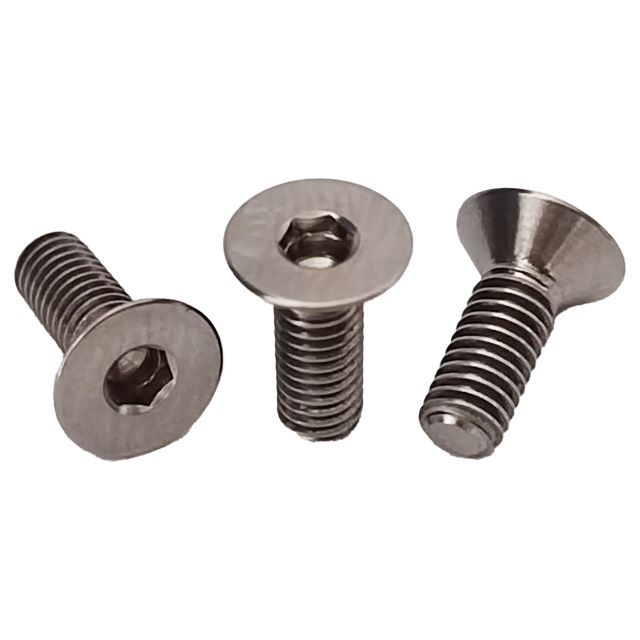
GR5 Titanium Bolts M8*20mm CNC Machined Countersunk Head Hex Socket Bolts Hot Sale Flat Head Allen Screws
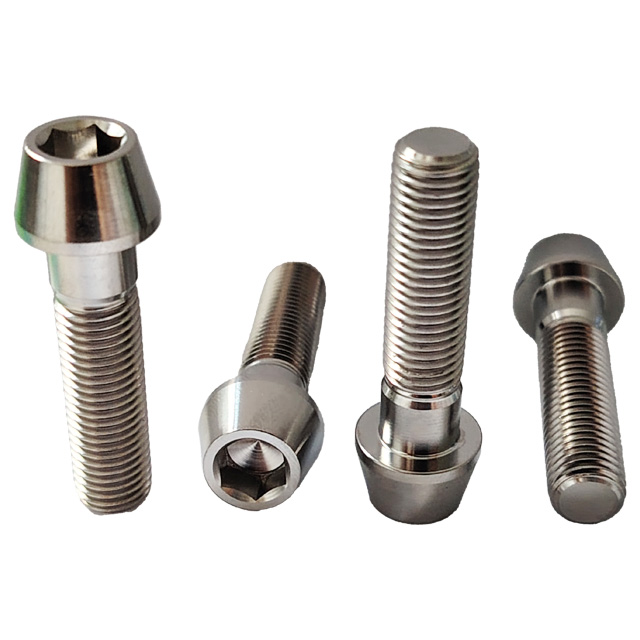
GR5 Titanium Bolts M8 M10 M12 CNC Machined Tapered Head Inner Hex Bolts Factory Price Cone Head Hex Socket Screws
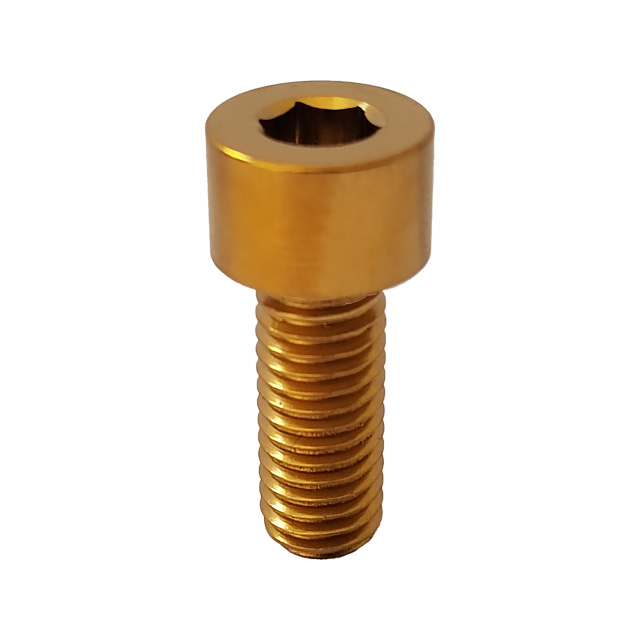
GR5 Titanium Bolts M10*30mm Golden Cylinder Head Hex Socket Bolts Factory Price Cap Head Inner Hex Screws
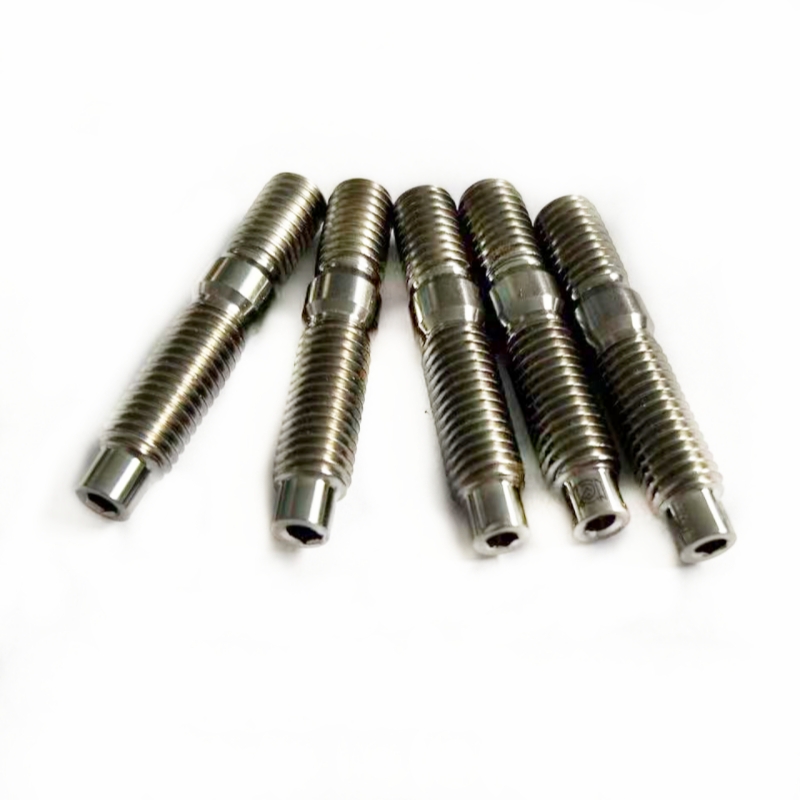
GR5 Titanium Exhaust Manifold Stud Manifold Bolt Polished Finish in Stock M8*1.25*45
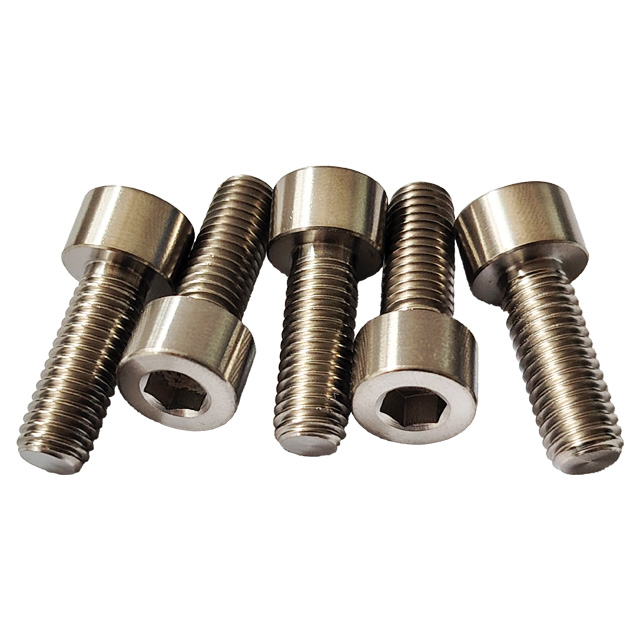
GR5 Titanium Bolts M8*25mm High Strength Cylindrical Head Hex Socket Bolts Factory Price Cup Head Allen Screws
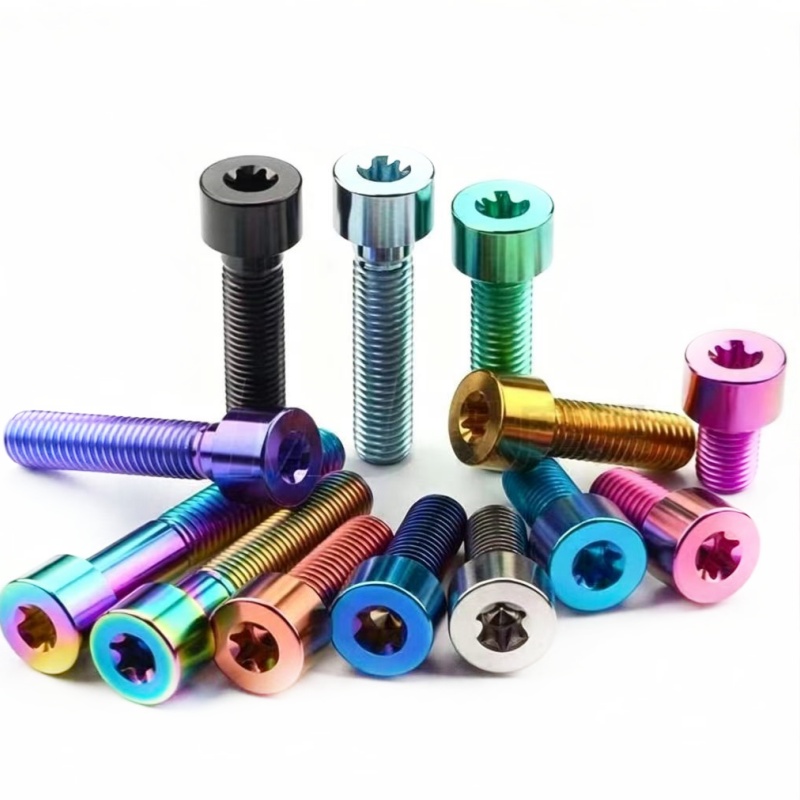
DIN912 M5 Titanium Socket Head Cap Screw Titanium Alloy Bolt for Motorcycle New Energy Aviation Medical Bicycle Modification
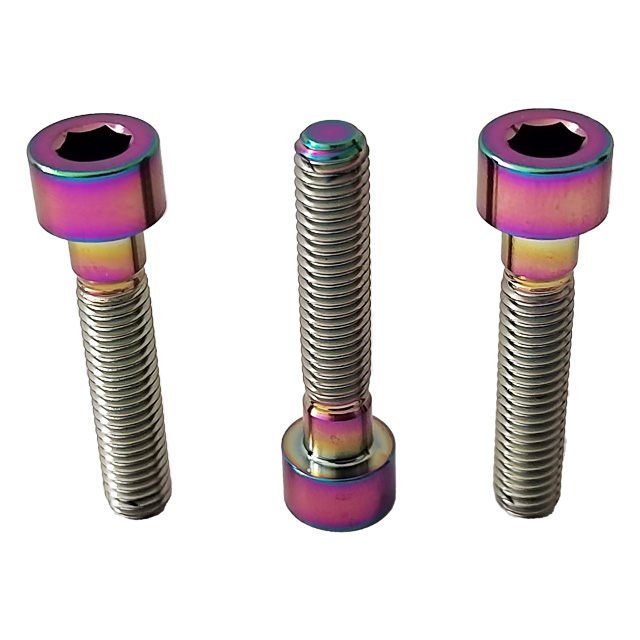
GR5 Titanium Bolts M8*40mm Colored Cylinder Head Hex Socket Bolts Factory Price Round Head Allen Screws
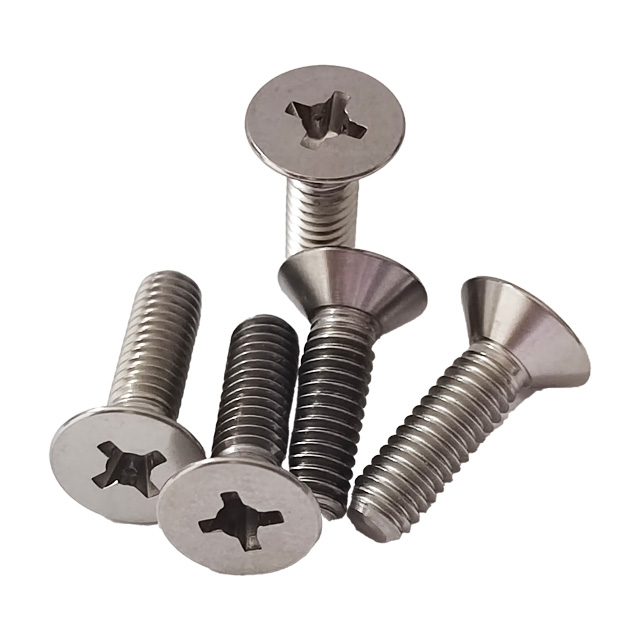
GR5 Titanium Bolts M8*20mm Factory Price Countersunk Head Cross Bolts High Quality Flat Head Phillips Screws
China Titanium Pipe Ecosystem: The Baoji Cluster Advantage
An authoritative engineering breakdown of how China's Titanium Valley manufactures over 65% of domestic titanium output and supplies international industrial tubular networks.
Upstream Ingot Metallurgy to Cold Pilgering
Navigating the global procurement landscape for high-performance tubular alloys requires looking directly at the supply chain origin. Located in the heart of Yucai Road, High-Tech Development Zone, Baoji, Shaanxi, our facilities operate at the focal point of the world's densest titanium metallurgical cluster. China's titanium industry has transitioned from bulk commercial purity (CP) production to ultra-refined vacuum arc remelted (VAR) and electron-beam cold-hearth melted (EBCHM) ingots designed for critical tubular flow lines.
The manufacturing cycle of premium titanium pipes begins with virgin titanium sponge produced via the Kroll process. Baoji’s integrated smelting infrastructure ensures zero atmospheric contamination by executing triple-VAR melting cycles. This prevents nitrogen and oxygen inclusions, which are the primary causes of micro-cracking in cold-drawn seamless titanium pipes and high-stress hydraulic conduit walls.
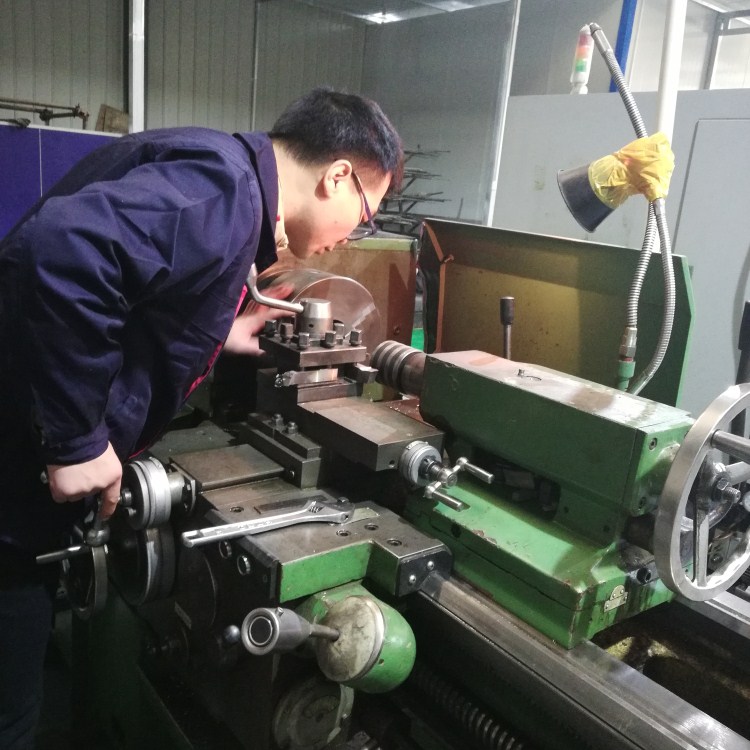
Titanium Piping Standards: Technical Grade Comparison
Global engineers across desalination, offshore petrochemicals, nuclear cooling, and aerospace fluid conveyance must balance tensile yield, elongation, pitting resistance equivalent numbers (PREN), and formability. Below is an engineering matrix comparing commercially pure grades with alpha-beta and near-alpha structural titanium piping alloys:
| Titanium Grade | UNS / Standard | Yield Strength (min MPa) | Tensile Strength (min MPa) | Corrosion Resistance | Primary Industrial Application |
|---|---|---|---|---|---|
| Grade 1 (CP4) | UNS R50250 / ASTM B861 | 170 MPa | 240 MPa | Extreme (Oxidizing) | Plate heat exchangers, deep-draw tubing, chemical vessels |
| Grade 2 (CP3) | UNS R50400 / ASTM B861/B862 | 275 MPa | 345 MPa | Outstanding Sea/Brine | Chlor-alkali plants, marine desalination piping, power plants |
| Grade 5 (Ti-6Al-4V) | UNS R56400 / ASTM B861 | 828 MPa | 895 - 1000 MPa | High Structural Stability | High-pressure hydraulic lines, offshore drilling risers, structural tubes |
| Grade 7 (Ti-0.15Pd) | UNS R52400 / ASTM B861/B862 | 275 MPa | 345 MPa | Supreme (Reducing Acid) | Severe hydrochloric, sulfuric, and sour gas service environments |
| Grade 9 (Ti-3Al-2.5V) | UNS R56320 / ASTM B338 | 483 MPa | 620 MPa | Superior Fatigue Life | Aerospace hydraulic tubing, motorsport exhaust systems, subsea umbilicals |
| Grade 12 (Ti-Mo-Ni) | UNS R53400 / ASTM B861 | 345 MPa | 483 MPa | Crevice Resisting at 300°C | High-temperature chemical processing, brine evaporator piping networks |
Whether choosing ASTM B861 (seamless pipe extruded via cross-roll piercing and cold pilgering) or ASTM B862 (welded pipe formed through precision roll-forming and automatic inert-gas plasma arc welding), achieving precise wall-thickness uniformity is mandatory. In our Baoji workshops, seamless tubes undergo multi-pass cold reduction accompanied by intermediate vacuum annealing at 680°C – 720°C to preserve an ultra-fine, equiaxed microstructure that prevents hoop-stress rupture under cyclic hydraulic pulsing.
Where Precision Piping Meets Critical Fastening Assemblies
A titanium pipeline is only as reliable as its flanged interfaces and pressure-retaining hardware. Discover how integrated fluid handling systems demand unified metallurgy.
Chemical & Chlor-Alkali Piping
Wet chlorine gas, bleach solutions, and aggressive nitric acid circuits rapidly degrade 316L stainless steel and nickel alloys. Grade 2 and Grade 7 titanium seamless pipes develop a spontaneous, tenacious titanium dioxide (TiO2) passive film that repairs instantaneously when scratched, ensuring 30+ years of maintenance-free service.
Marine & Desalination Architecture
Reverse osmosis (RO) plants and offshore sea platforms operate in hyper-saline brine at high operating velocities. Titanium pipes completely resist pitting, cavitation, and crevice attack up to 250°C. Paired with GR5 titanium flange studs, they eliminate cathodic corrosion risks inherent in dissimilar metal bolting.
Motorsport & Aerospace Fluid Conduits
Thin-wall Grade 9 (Ti-3Al-2.5V) tubing delivers a 44% mass reduction compared to Inconel or stainless 321, alongside superior fatigue limits under extreme exhaust pulsation. CNC-machined GR5 conical and cylinder-head bolts secure thin-wall flanges without thermal loosening or thread creep.
Future Procurement Trends in China Titanium Pipe & Hardware Export
The international procurement matrix for industrial titanium is shifting rapidly. Procurement directors from Germany, North America, Japan, and the Middle East are re-evaluating supply chains under modern economic, metallurgical, and sustainability metrics. Five clear trends define the next procurement cycle:
1. Rise of High-Frequency Welded (HFW) Tubes
Traditionally, seamless titanium pipe (ASTM B861) dominated high-pressure engineering. However, advanced online automatic eddy-current and ultrasonic seam-tracking technology has elevated ASTM B862 welded titanium tubing to parity in burst ratings. Welded tubes offer tighter wall thickness tolerances (±0.05mm) and a 30% reduction in procurement expenditure.
2. Integrated Modular Assemblies
Global EPC contractors no longer purchase raw pipes and mating bolts from disconnected vendors. Navzo leads the industry by supplying pre-fabricated titanium spool pipes, pre-welded titanium neck flanges, and factory-matched GR5 titanium 12-point locking hardware, eliminating assembly delays and mismatched metallurgical expansion rates on construction sites.
3. Closed-Loop Green Titanium Recycling
ESG mandates across Europe and the Americas require traceable low-carbon manufacturing. By capturing internal clean machine chips from CNC turning and remelting clean scraps via cold-hearth electron-beam furnaces in Baoji, the carbon footprint of raw titanium pipe production is cut by 42% compared to primary chemical sponge reduction.
Why Navzo Precision Titanium Outperforms Competitors
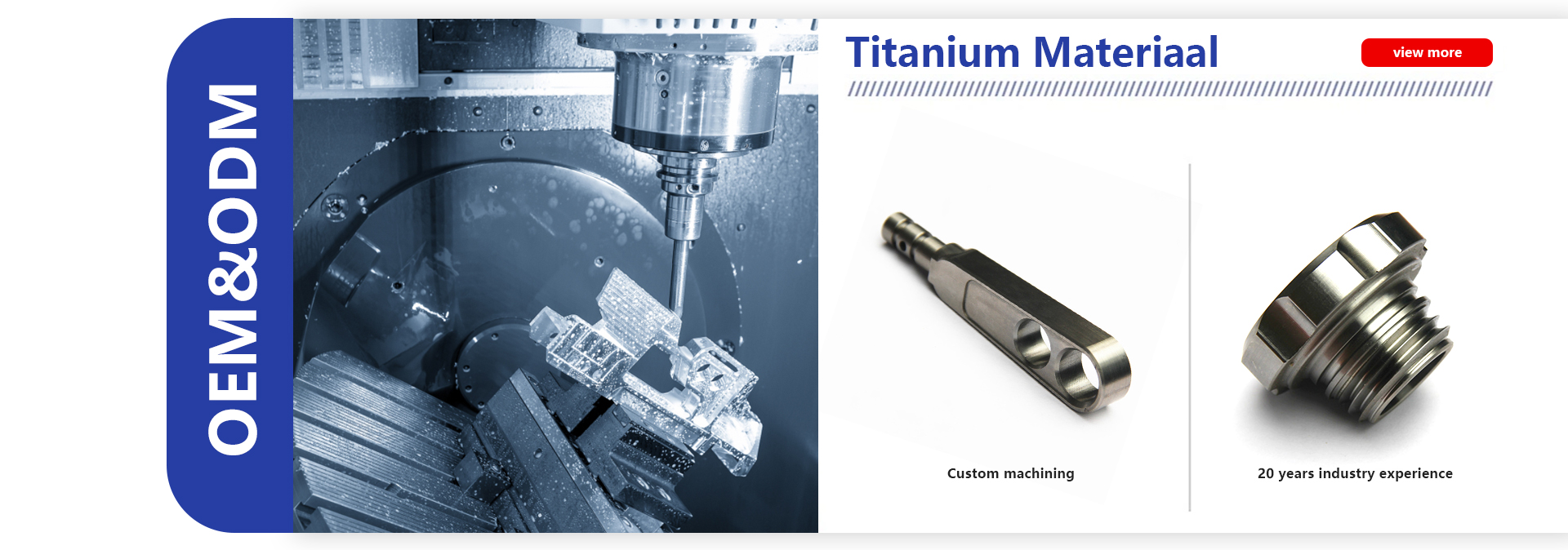
Founded in 2011, Navzo Precision Titanium Products Co., Ltd. bridges high-volume mill metallurgy with micron-level CNC machining. Operating under an on-site verified facility status with Alibaba.com and international auditing bodies, we rank in the top echelon of titanium exporters across North America, Germany, Russia, South Korea, and the Netherlands.
- Total Material Authenticity: Every consignment ships with complete physical, chemical, and hydro-testing mill certificates (EN 10204 3.1) stamped with heat numbers traceable to the raw sponge melt.
- In-House Complete Production: From cold-pilger pipe drawing, rotary straightening, and hydrostatic expansion to cold heading and CNC thread rolling, our integrated process prevents multi-shop contamination.
- Engineered Surface Treatments: In-house facilities for electrochemical anodizing, high-adhesion PVD titanium nitride coating, micro-glass bead blasting, and mechanical polishing down to Ra 0.2 µm.
- Rapid Response SLA: Committed 1-hour response on technical RFQs, custom 2D/3D CAD reviews (STEP, DWG, IGES), and expedited air dispatch for critical maintenance shutdowns.

Frequently Asked Questions on Titanium Pipe & Hardware Sourcing
Direct technical answers addressing metallurgical selection, non-destructive testing, galling mitigation, and international export customs compliance.
Q1 How do I determine whether to specify ASTM B861 seamless or ASTM B862 welded titanium pipe?
Specify ASTM B861 (Seamless) when dealing with extreme cyclic fatigue, pulsating hydraulic fluid lines, or lethal nuclear and chemical services operating above 150 bar where longitudinal weld seams are restricted by ASME Boiler and Pressure Vessel codes. Specify ASTM B862 (Welded) for heat exchangers, low-pressure chlor-alkali piping, seawater intake conduits, and architectural systems where larger outside diameters (> 114 mm OD) and uniform thin walls are required at reduced cost.
Q2 How do you prevent thread galling when installing titanium pipe flange bolts and studs?
Titanium naturally exhibits an adherent oxide layer that can rupture under frictional contact pressure, causing cold welding (galling). To prevent this in piping joints: (1) Apply a molybdenum disulfide (MoS2) or nickel-based anti-seize paste before torquing; (2) Specify our PVD TiN coated or hard anodized bolts which alter surface contact friction; or (3) Pair GR5 titanium male bolts with copper-aluminum bronze or specially heat-treated titanium nuts with differentiated surface hardness.
Q3 What Non-Destructive Testing (NDT) reports are mandatory for export-grade titanium pipes?
Standard export orders undergo 100% Non-Destructive Testing. For ASTM B861 seamless tubes, we provide Eddy Current (ET) testing per ASTM E426 or Ultrasonic Testing (UT) per ASTM E213 to identify internal laminations and subsurface voids. Every tube is subject to either Hydrostatic Testing (up to 30 MPa holding pressure) or Pneumatic Air-Underwater Testing. Mill test reports include dimensional caliper logs, tensile/yield tests, flattening tests, and flaring tests per ASTM standards.
Q4 Why is Grade 9 (Ti-3Al-2.5V) preferred over Grade 5 (Ti-6Al-4V) for seamless hydraulic tubing?
While Grade 5 offers superior tensile strength (≥ 895 MPa), its high aluminum and vanadium content yields lower ductility (elongation ~10%), making cold drawing into thin-wall pipes exceptionally difficult and prone to micro-splitting. Grade 9 is known as "half-6-4" with 3% Al and 2.5% V. It delivers 20-50% higher strength than CP Grade 2, yet retains sufficient cold workability (elongation ≥ 15%) for tight mandrel bending and flaring in aircraft and motorsport hydraulic conduits.
Q5 What are the standard lead times, MOQs, and packing protocols for overseas shipments?
For standard catalogue sizes in Grade 2 and Grade 5 (OD 6mm – 114mm), our Baoji warehouse maintains stock batches with an MOQ of only 50 to 100 meters, or 100 pieces for standard GR5 bolts. Custom mill extrusions require an MOQ of 200 kg and typical production spans 20 to 30 days. Export goods are treated with vapor corrosion inhibitors (VCI), sealed in heavy-duty polyethylene sleeves, and crated in fumigated ISPM-15 wooden boxes with custom foam saddles to eliminate transit scratching.
Q6 Can titanium piping be welded directly to stainless steel or carbon steel equipment?
No. Titanium cannot be directly fusion-welded to stainless steel or carbon steel due to the formation of brittle intermetallic phases (such as FeTi and Fe2Ti) that crack upon cooling. Direct field welding must be avoided. Flanged joints using titanium stub ends with lap-joint carbon steel backing flanges, explosion-bonded bi-metallic transition joints, or mechanical couplings secured by our GR5 titanium bolts must be used.
Q7 What welding precautions are necessary when fabricating titanium piping on-site?
Titanium actively absorbs atmospheric oxygen, nitrogen, and hydrogen at temperatures above 400°C (752°F), causing metallurgical embrittlement. TIG (GTAW) welding requires: (1) 99.999% high-purity argon gas shielding; (2) A primary torch trailing shield to protect hot weld beads until cooled below 350°C; and (3) Complete internal argon purging of the pipe bore. Weld colors provide instant visual verification: silver or straw indicates excellent shielding; dark blue or gray indicates contamination and must be rejected.
Q8 How does Navzo guarantee tolerance consistency across multi-thousand custom CNC batches?
We deploy high-speed DMG MORI and Haas CNC machining centers paired with in-line Mitutoyo optical profile projectors and pneumatic gauge heads. For threaded components and connection studs, threads are cold-rolled after heat treatment rather than cut, ensuring continuous uninterrupted metallurgical grain flow and superior dynamic shear-fatigue endurance under heavy cyclic operational vibration.