ASTM B348 Stock
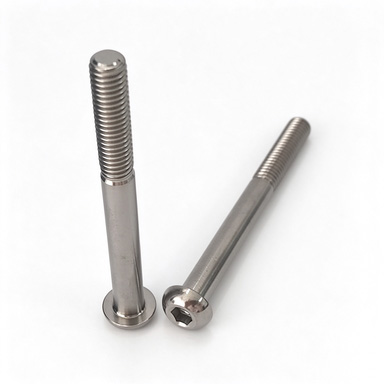
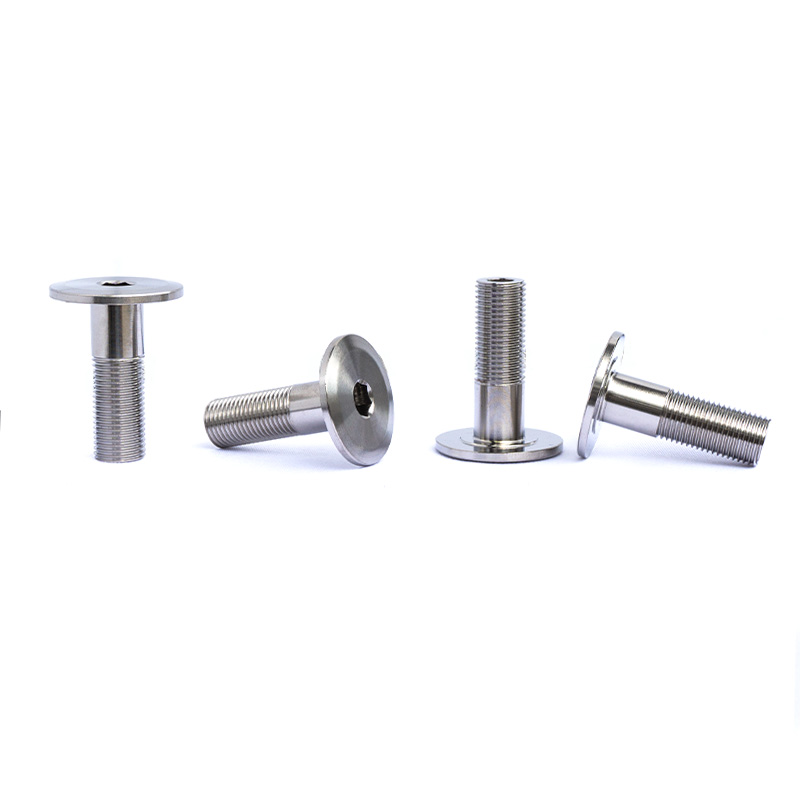
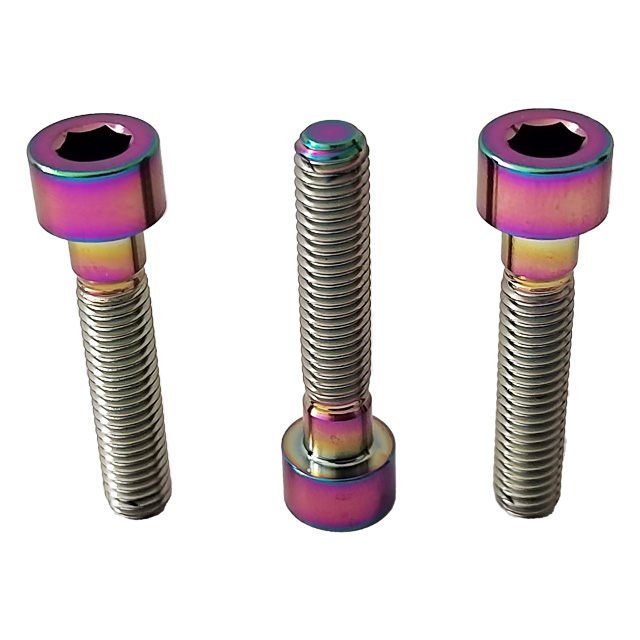
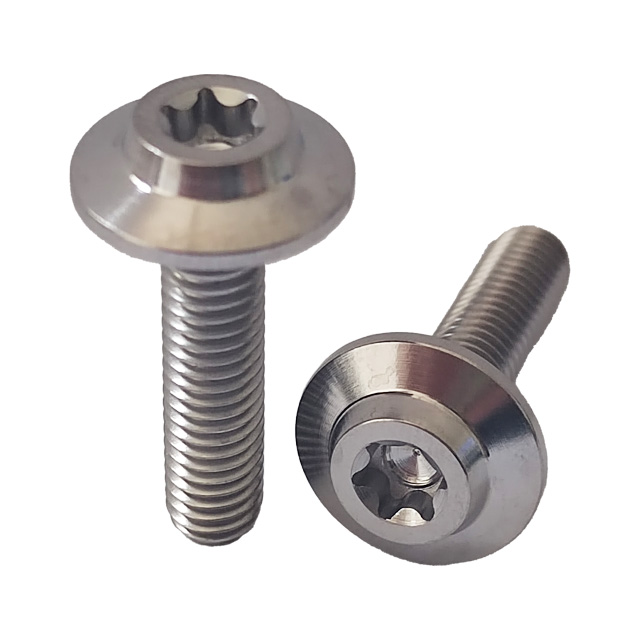
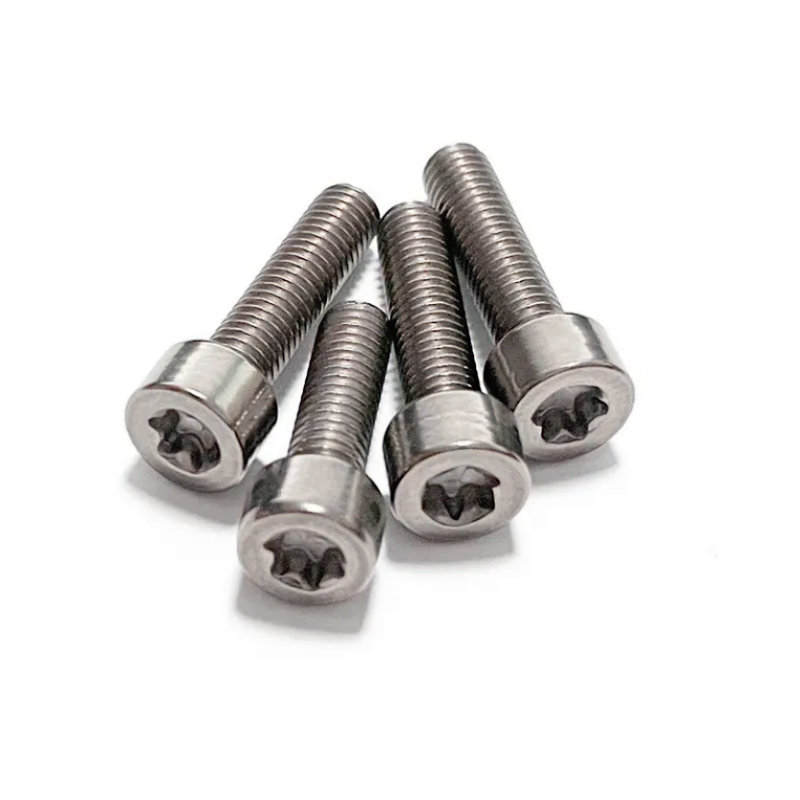
GR5 Titanium Bolts M6*70mm Button Head Inner Hex Bolts
- Grade
- Ti-6Al-4V (GR5)
- Tensile
- ≥ 895 MPa
- Size
- M6 × 70 mm
- Head Type
- Half-Round Button
Manufactured directly from traceable Ti-6Al-4V Grade 5 bars using high-precision CNC multi-axis turning, cold heading, and thread rolling. Every unit preserves material grain boundaries for severe-duty motorsport, aerospace, and marine deployment.
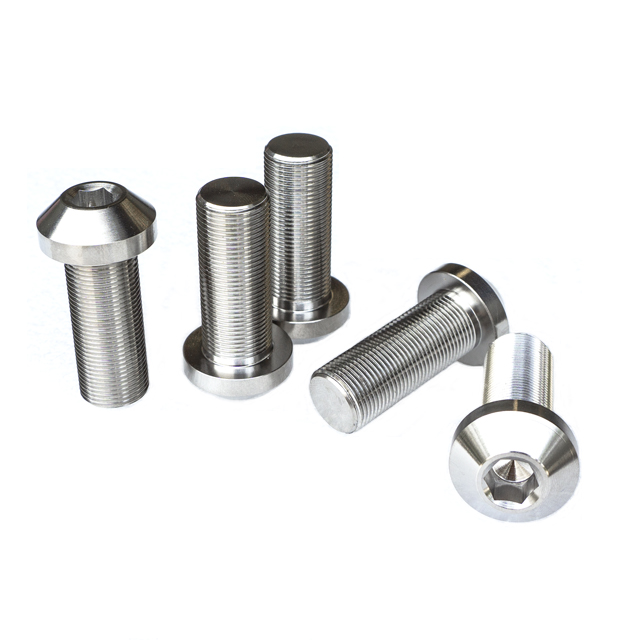
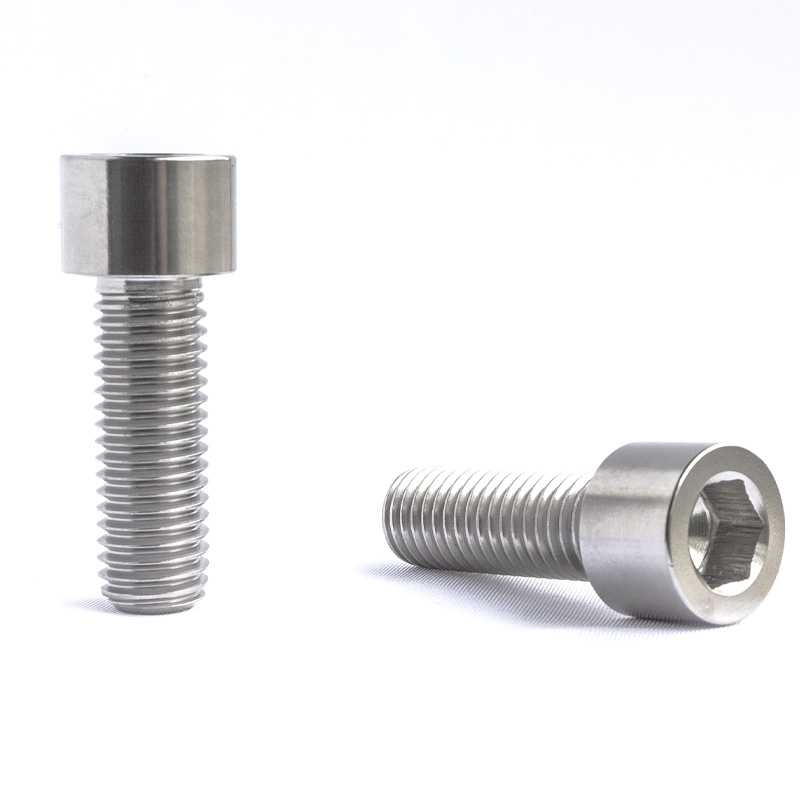
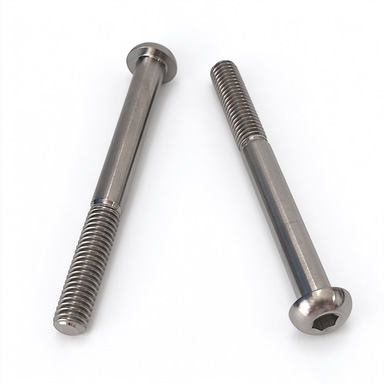
Understanding the mechanical and metallurgical trade-offs between Commercially Pure Titanium (GR2), Workhorse Aerospace Titanium (GR5 / Ti-6Al-4V), and traditional structural steel alloys is vital for procurement engineering.
| Material Specification | Alloy Code | Density (g/cm³) | Min. Tensile (MPa) | Min. Yield (MPa) | Elongation (%) | Corrosion Resistance | Primary Industrial Application |
|---|---|---|---|---|---|---|---|
| ASTM B348 / AMS 4928 Grade 5 | Ti-6Al-4V | 4.43 | 895 – 1000 | 828 | ≥ 10% | Exceptional (Chloride Stable) | Aerospace, Racing, High-Stress Billets |
| ASTM F136 Medical ELI | Ti-6Al-4V ELI | 4.43 | 860 | 795 | ≥ 10% | Bio-Inert & Osseointegrating | Orthopedic Implants, Surgical Screws |
| ASTM B348 Grade 2 CP Titanium | Pure Ti | 4.51 | 345 – 450 | 275 | ≥ 20% | Supreme Acid/Marine Passivity | Chemical Processing, MMO Anodes, Exhausts |
| Class 12.9 Alloy Steel | SCM435 / 40Cr | 7.85 | 1220 | 1100 | ≥ 8% | Extremely Vulnerable to Rust | Heavy Plant Machine Tooling (Non-Corrosive) |
| A2-70 Stainless Steel | AISI 304 | 7.93 | 700 | 450 | ≥ 40% | Moderate (Susceptible to Pitting) | Architectural Brackets, Food Machinery |
*All test results conform to calibrated universal tensile inspection according to ASTM E8/E8M protocols. Certified Mill Test Reports (EN 10204 Type 3.1) are generated per production heat.
Founded on January 10, 2011, and located along Yucai Road in the national High-tech Development Zone of Baoji, Shaanxi, Navzo operates directly within the epicenter of China’s non-ferrous metallurgy. Baoji supplies over 60% of China’s titanium sponge and ingot converting capacity, providing us with an unbroken domestic supply line of vacuum arc remelted (VAR) titanium bars.
By integrating primary ingot selection, centerless precision grinding, multi-station cold heading, 5-axis CNC turning, thread rolling, and in-house spectral inspection, we eliminate broker markups and guarantee total elemental traceability from raw sponge to certified exported component.
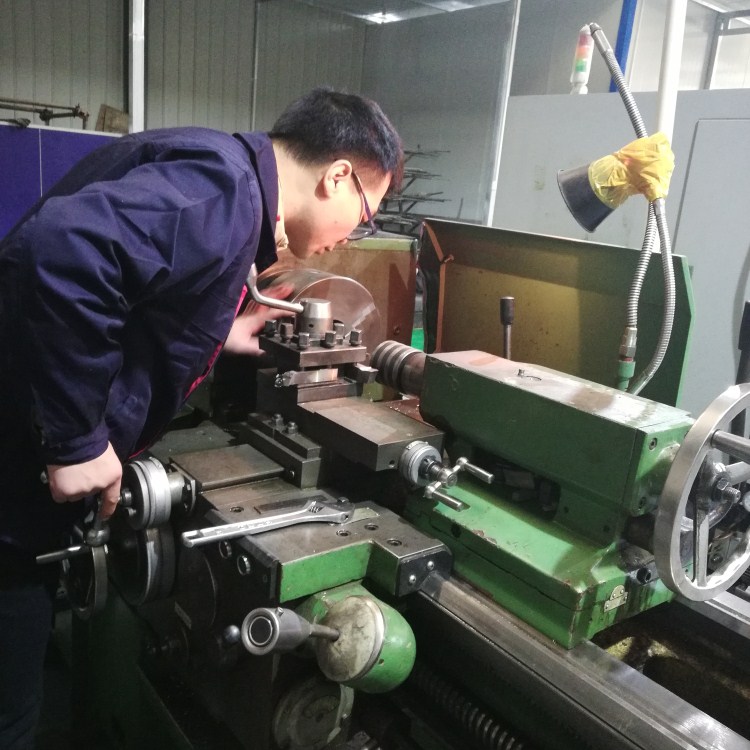
B2B titanium purchasing is rapidly evolving from simple transactional sourcing to holistic supply chain resilience, carbon accounting, micro-alloying consistency, and digital lot provenance.
International aerospace and defense prime contractors now demand direct blockchain-linked and digital mill test certificates documenting tight oxygen limits (<0.13% for Grade 23 ELI; <0.20% for Grade 5). Uncontrolled interstitial oxygen creates catastrophic lattice embrittlement. Procuring directly from Baoji mills with closed-loop vacuum arc remelting ensures continuous elemental reliability across consecutive fiscal quarters.
Modern mass-production machine shops are moving away from manual billet facing to automated bar-feeder Swiss lathes. This transition requires cold-drawn and centerless-ground titanium bars holding strict h7 to h9 diametrical tolerances with exceptional straightness (<0.5 mm/m). Supplying ready-to-feed bars minimizes machine downtime, prevents spindle vibration, and eliminates pre-machining grinding costs.
With European and North American aerospace tiers actively rebalancing titanium feedstock away from single-region dependencies, certified Chinese titanium mills represent the primary global alternative capable of meeting multi-thousand-ton annual demands. Establishing strategic supply agreements with ISO 9001:2015 and AS9100 qualified Baoji producers hedges against regional export controls and tariff volatility.
Overcoming the inherent physical challenges of titanium—such as extreme chemical reactivity at melting temperatures, severe thermal insulation during cutting, and susceptibility to thread galling—requires advanced engineering solutions.
While traditional titanium machining created 60-70% chip waste, modern Baoji production merges multi-die warm/cold heading with precision 5-axis CNC finishing. Heading reorients the metal grain flow continuously around fastener heads rather than cutting through lines of structural shear, resulting in a 25-30% higher fatigue limit for dynamic racing and motorcycle suspension bolts.
Due to titanium's low shear modulus and natural friction coefficient, titanium-on-titanium threads easily gall under high torque. Navzo solves this through physical vapor deposition (PVD) diamond-like carbon (DLC), titanium nitride (TiN), and micro-arc oxidation (MAO). These treatments raise surface hardness past 2500 HV while maintaining the underlying lightweight ductile core of the Grade 5 alloy.
To eliminate high-density inclusions (HDI) caused by tungsten or molybdenum tool fragments, and low-density inclusions (LDI) from titanium sponge nitrides, leading Baoji ingot suppliers use vacuum arc double remelting (VAR) combined with electron beam cold hearth melting (EBCHM). This ensures ultra-pure bar stock for zero-defect critical rotables and aerospace components.
Detailed technical answers addressing standard compliance, non-destructive testing, galling prevention, and export documentation for global industrial buyers.
Accelerate your procurement pipeline with mill-direct pricing on certified Grade 5 titanium bars, custom CNC components, and high-strength fasteners. Share your engineering drawings (STEP, DWG, PDF) or required bar specifications for a formal quotation within 1 hour.