Precision Titanium Lug Nuts & Performance Fasteners
Factory-direct Grade 5 (Ti-6Al-4V) precision fasteners and hub-clamping components engineered to eliminate unsprung rotational mass while resisting shear fatigue, elevated brake disc temperatures, and galvanic road brine corrosion.
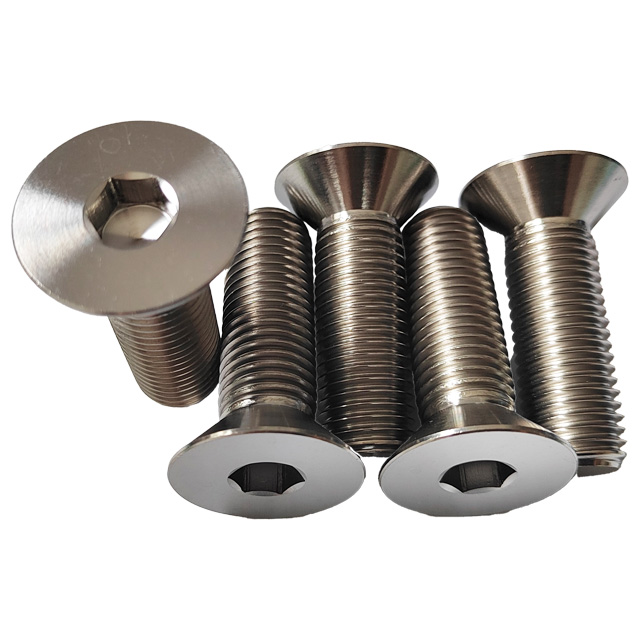
GR5 Titanium Bolts M10*20mm Countersunk Hex Socket Bolts
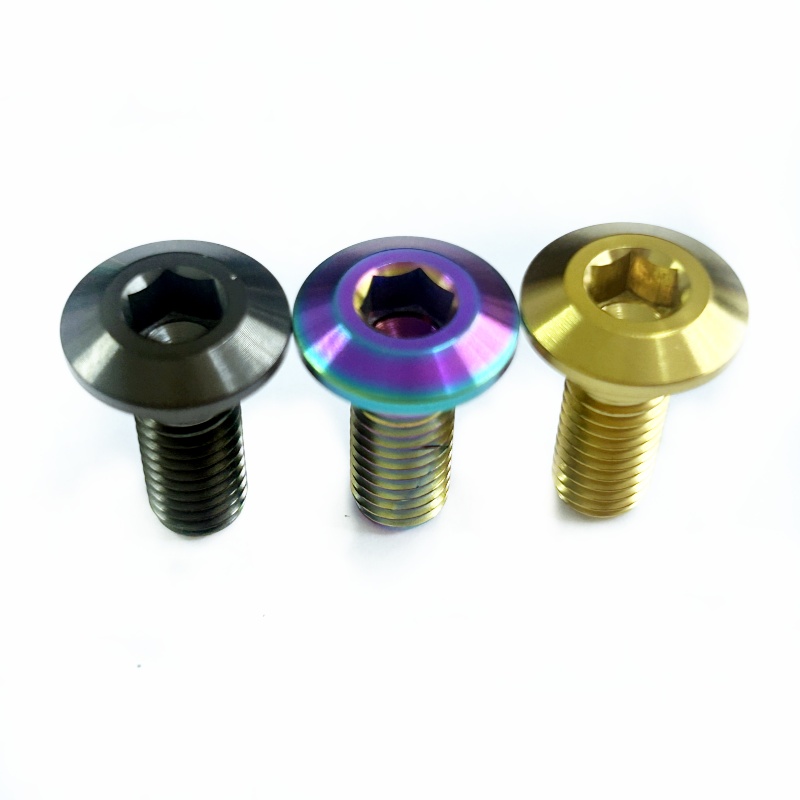
M8 Gr5 Titanium Shoulder Screws Hex Socket Brake Disc Bolts
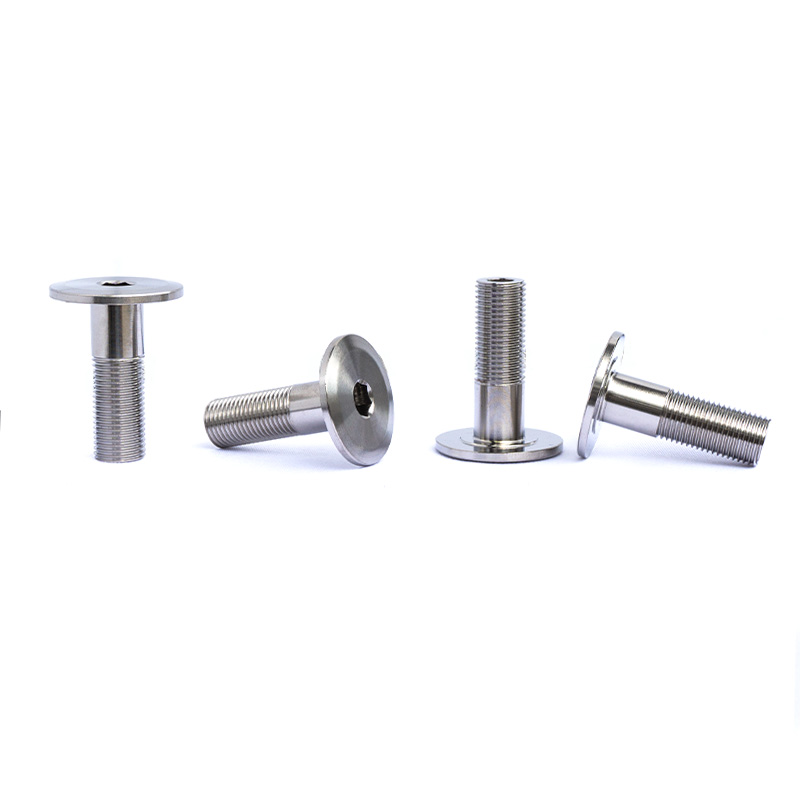
GR5 Titanium M10*1*33mm Large Flat Head Hollow Weight-Saving Bolts
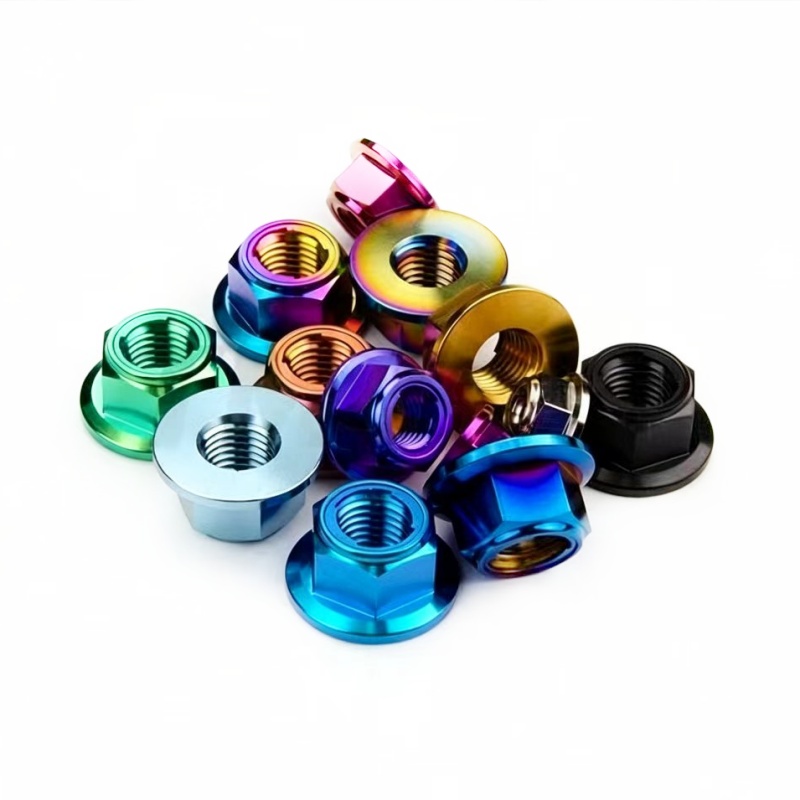
GR5 Titanium Anti-Loosening Lock Nuts M6 M8 M10 PVD Finished
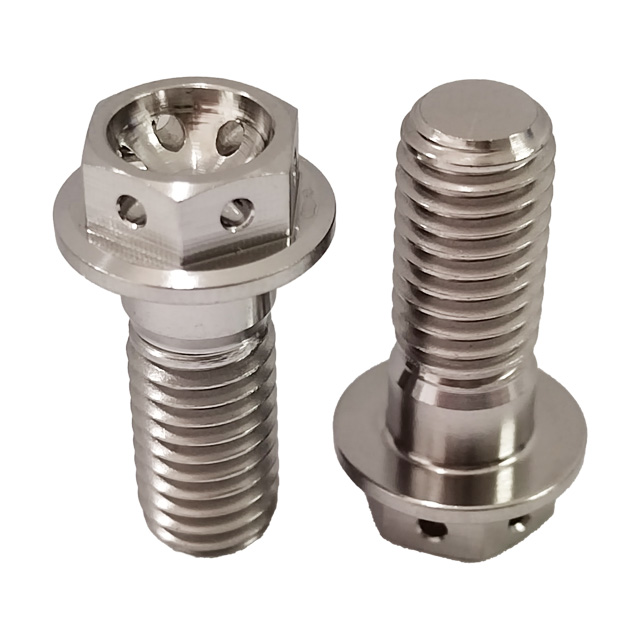
GR5 Titanium M8*20mm Hex Flange Safety Wire Drilled Bolts
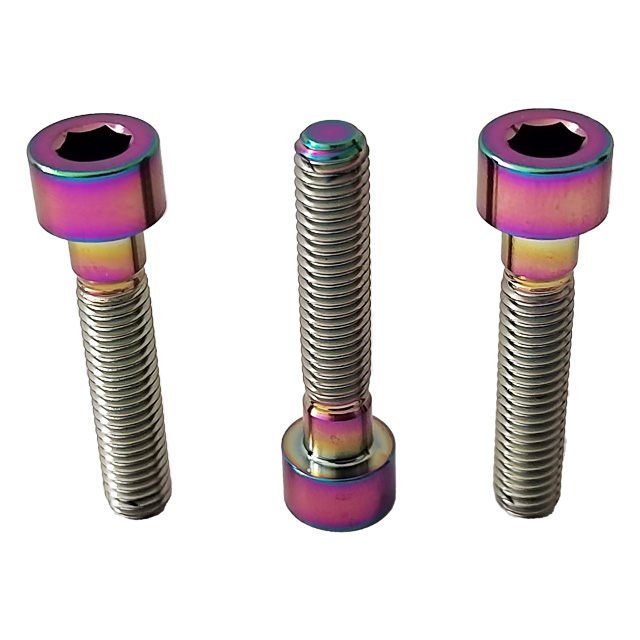
GR5 Titanium M8*40mm Colored Cylinder Socket Head Cap Screws
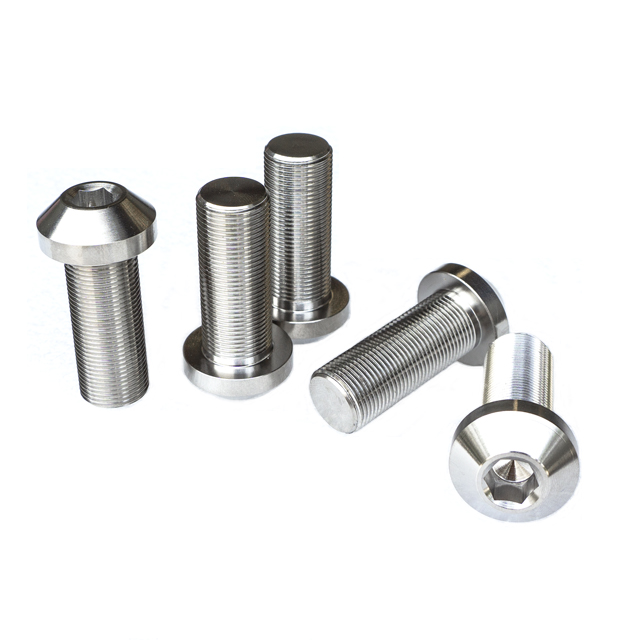
GR5 Titanium M14*1.0*35mm Umbrella Taper Conical Seat Bolts
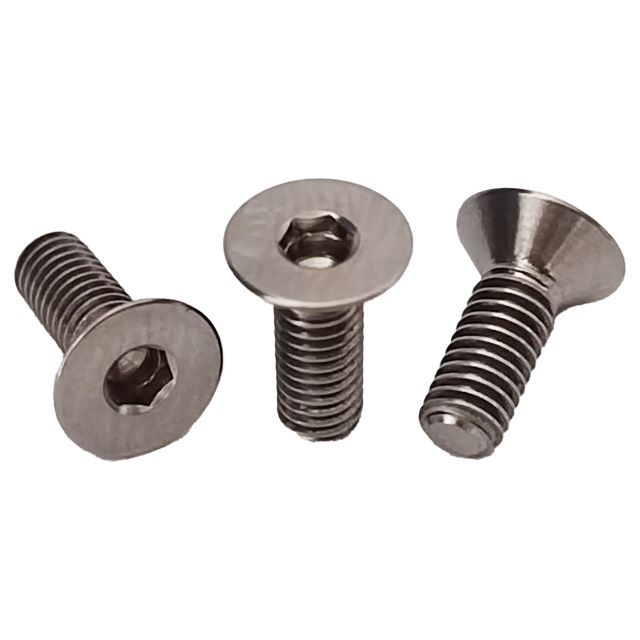
GR5 Titanium M8*20mm CNC Machined Flat Countersunk Allen Bolts
Metallurgical Superiority: Ti-6Al-4V in Rotational Wheel Dynamics
Why leading racing teams and luxury hypercar manufacturers substitute traditional 10.9 steel and 7075-T6 aluminum lug hardware with Grade 5 Titanium.
In automotive chassis engineering, wheel lug nuts and wheel studs represent unsprung rotating mass. Reductions in unsprung weight generate an exponential performance benefit compared to sprung body chassis weight. Rotational inertia directly affects the vehicle's angular acceleration, suspension damping frequency, steering transient response, and gyroscopic wheel resistance under high-speed cornering. By adopting Grade 5 Titanium (Ti-6Al-4V, UNS R56400), automotive designers achieve an immediate 44% to 47% weight reduction compared to Grade 10.9 and 12.9 chromoly alloy steels (SCM435), while eliminating the disastrous low-cycle thermal fatigue and thread stripping weaknesses inherent to 7075-T6 and 6061 forged aluminum lug nuts.
Unlike aluminum alloys that degrade rapidly above 120°C—a threshold continuously surpassed during aggressive track braking cycles where carbon-ceramic and cast-iron rotors radiate upwards of 600°C directly into the wheel hubs—Grade 5 Titanium retains its yield strength, fatigue endurance limit, and tensile clamping load at temperatures up to 400°C. Furthermore, titanium exhibits an exceptionally high strength-to-density ratio ($214.6\text{ kN}\cdot\text{m}/\text{kg}$ vs. $125\text{ kN}\cdot\text{m}/\text{kg}$ for 10.9 steel), meaning titanium fasteners withstand massive longitudinal brake torque and lateral G-load shear without plastic elongation or catastrophic brittle shear fracture.
| Material Specification | Density (g/cm³) | Tensile Strength (MPa) | Yield Strength (MPa) | Thermal Expansion ($10^{-6}/\text{K}$) | Corrosion & Galling Index | Service Application |
|---|---|---|---|---|---|---|
| Navzo GR5 Titanium (Ti-6Al-4V) | 4.43 | 950 – 1050 | 880 – 920 | 8.6 | Immune to Salt Brine / High Resistance | Motorsport, Hypercar & OEM Aftermarket |
| Alloy Steel Grade 10.9 (SCM435) | 7.85 | 1040 | 940 | 11.7 | Rapid Oxidation Without Zinc Plating | Standard OEM Factory Heavy Production |
| High-Tensile Steel 12.9 | 7.85 | 1220 | 1100 | 11.2 | Susceptible to Hydrogen Embrittlement | Industrial Heavy Equipment Clamping |
| Billet Aluminum 7075-T6 | 2.81 | 572 | 503 | 23.4 | Galvanic Pitting / High Galling Tendency | Lightweight Cosmetic Tuning (High Risk) |
| Marine Stainless A2-70 / 304 | 7.90 | 700 | 450 | 16.0 | Moderate (Prone to Crevice Corrosion) | Cosmetic Engine Dress-Up & Marine |
Critical Engineering Note on Clamping Load & Friction Coefficients
Navzo calculates thread torque-tension relationships based on the standard Kellermann-Klein formula: $T = F_M (0.16P + \mu_{th} 0.58d_2 + \mu_b r_b)$. Because bare titanium on bare aluminum or steel has a galling friction coefficient ($\mu > 0.35$), all Navzo OEM wheel lug nuts can be precision-coated with anti-friction Physical Vapor Deposition (PVD Diamond-Like Carbon / TiN) or furnished with free-spinning floating 60° conical washers. This stabilizes the tightening torque $K$-factor to $0.12 - 0.15$, ensuring accurate preload bolt tension without thread seizure.
Integrated Manufacturing in Baoji Titanium Valley
Located at the epicenter of China's titanium raw material refining sector, Navzo controls the supply chain from sponge titanium melting to multi-axis precision machining, thread rolling, and vacuum surface deposition.
Certified Aerospace Ti Sponge
We utilize 100% virgin aerospace-grade titanium sponge melted through double Vacuum Arc Remelting (VAR) furnaces. Every production heat delivers traceable chemical homogeneity, keeping hydrogen content below 0.015% and oxygen below 0.20% to prevent micro-cleavage failure.
Thread Rolling vs. Thread Cutting
Unlike workshops that cut threads on CNC lathes—severing the metallurgical grain lines—Navzo forms threads exclusively via high-pressure hydraulic thread rolling dies. This cold-work process induces residual compressive surface stress and boosts fatigue cycle life by more than 300%.
5-Axis CNC & Swiss Turning
Our clean-room workshop houses high-precision Citizen and DMG Mori multi-spindle turning centers. We hold runout tolerances within ±0.005mm and thread concentricity within ISO 965 Class 6g/6H specifications, ensuring flawless hand-threading and zero cross-thread binding.
Hot/Cold Heading
Bar stock is heated under inert gas and forged in multi-station headers, establishing continuous internal metal grain lines throughout the lug nut hex and flange.
CNC Internal Profiling
Swiss-type multi-axis lathes machine the internal thread cavity, weight-reducing hollow pocket, and precision 60° conical, ball/radius, or flat mag seating face.
Hydraulic Thread Rolling
Internal and external threads are rolled under controlled tonnage to achieve mirror-smooth root radiuses conforming to aerospace UNJ / metric ISO thread standards.
PVD & Optical Sorting
Automated optical laser sorting machines inspect 100% of fastener pitch diameters, runout, and surface defects before parts enter high-vacuum PVD color reactors.
Future Procurement Trends in Titanium Lug Hardware
Anticipate shifting OEM standards, electrification demands, and consumer preferences across North American, European, and Asia-Pacific automotive supply chains.
Electric Vehicle (EV) Corner-Weight Demands
With heavy lithium and solid-state battery packs pushing curb weights beyond 2,200 kg, Tier-1 automotive engineers are systematically lightening unsprung corner assemblies. Titanium lug hardware cuts 1.2 to 2.5 kg of rotating mass per vehicle, enabling higher regenerative braking efficiency and extending battery driving range.
Two-Piece Floating Seat Mechanisms
Standard one-piece lug nuts drag directly against the wheel bore seating surface, causing localized galling, micro-cracking, and uneven torque dispersal on expensive forged monoblock and carbon fiber composite wheels. Modern procurement focuses on two-piece floating collar designs that rotate independently during torquing.
Proprietary Anti-Theft Drive Profiles
With high-performance wheel sets regularly valued at $4,000 to $15,000, distributors are phasing out generic hex drives. Procurement volume is shifting toward complex 7-sided heptagon, flower-head, spline-drive, and individualized CNC coded keys to guarantee anti-theft security while maintaining high engagement torque.
Furthermore, global regulatory scrutiny under REACH and RoHS is accelerating the abandonment of hexavalent chromium (Cr6+) and cadmium plating commonly applied to steel fasteners. Because Titanium Grade 5 is naturally inert, non-toxic, and corrosion-resistant without hazardous electroplating baths, it satisfies ESG sustainability audits conducted by major North American and European OEM automotive groups.
High-Performance Functional & Aesthetic Finishes
From low-friction Diamond-Like Carbon (DLC) for endurance racing to hand-torched burnt blue for boutique tuning brands, Navzo provides defect-free surface treatments.
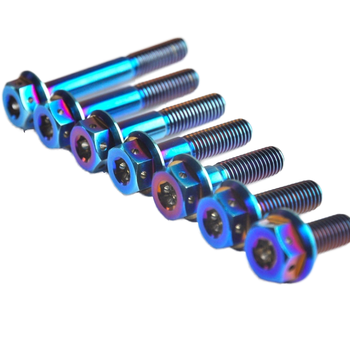
Type II Electrochemical Anodizing
Precise electrolytic voltage variation establishes stable interference oxide films: Gold, Royal Purple, Electric Blue, Emerald Green, and Rose Bronze with zero pigment fading.
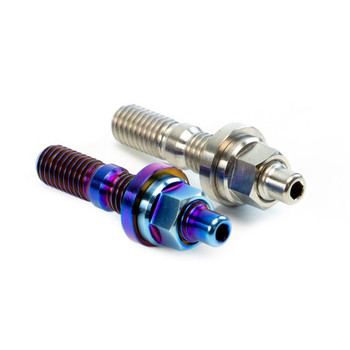
Thermal Flame Burnt Blue
Carefully controlled thermal flame oxidation generates an authentic blue-violet-gold gradient finish prized across the JDM and European high-performance tuning community.
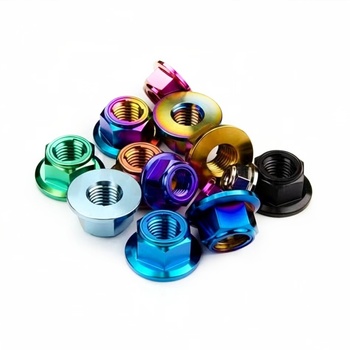
Vacuum PVD (DLC, TiN, Neo-Chrome)
Physical Vapor Deposition creates an ultra-hard ceramic film (hardness > 2500 HV). Drastically reduces thread friction, stops impact wrench wear, and resists chemical road salts.
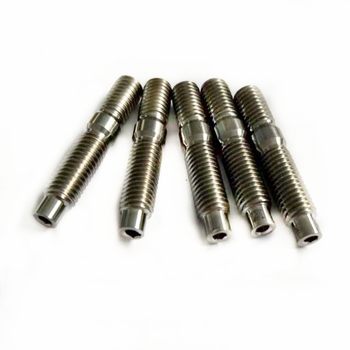
Precision Ceramic Vibratory Polish
High-gloss mirror or satin bead-blasted natural raw titanium finish. Passivated under ASTM F86 to create an instant self-healing titanium dioxide ($TiO_2$) protective barrier.
Full-Spectrum OEM / ODM Customization Parameters
Tailored engineering protocols supporting drawing-to-part production for wheel brands, racing organizations, and automotive aftermarket distributors.
Thread Geometries & Diameters
Metric standards: M12×1.25, M12×1.5, M14×1.25, M14×1.5, M15×1.25; Imperial standards: 1/2"-20 UNF, 7/16"-20, 9/16"-18. Available in open-ended racing designs, closed-end acorn caps, extended lengths from 35mm to 90mm, and hollow weight-reduction bores.
Seat Configurations & Washers
Precision machined to match every wheel specification: standard 60-degree conical/taper seats, European radius/ball seats (R12, R13, R14 for Porsche, Audi, Mercedes-Benz, BMW), and flat mag shank seats with integrated captive or floating titanium washers.
Branding & Private-Label Delivery
High-contrast fiber laser etching for brand logos, torque values, and thread batch codes directly on lug faces. Bespoke foam-lined retail boxes, tamper-evident blister packaging, and barcode-ready bulk logistics master cartons.
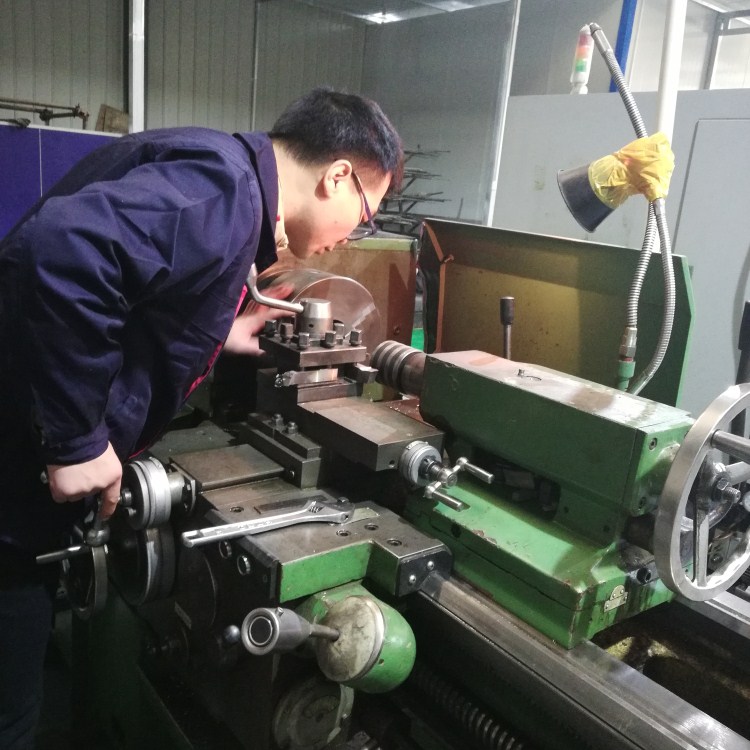 CNC Machining Center
 Cold Forging & Heading
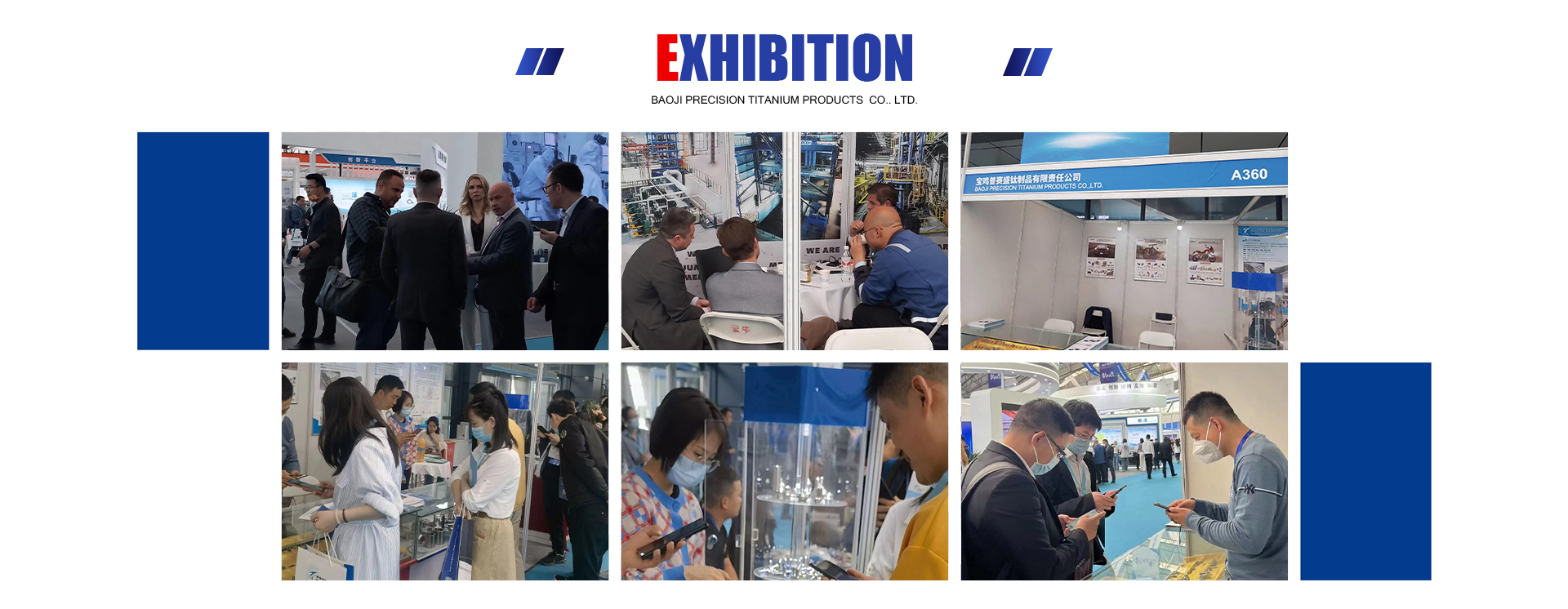
 Global Trade Exhibitions
 Mill Test Reports & Certs
Navzo Precision Titanium Co., Ltd.
Established on January 10, 2011, in the National High-tech Development Zone of Baoji, Shaanxi—universally known as "China's Titanium Valley"—Navzo operates an integrated 6,000+ sqm engineering and testing facility dedicated to precision titanium hardware.
We supply high-integrity fasteners for motorsport racing, aerospace apparatus, high-end mountain and road bicycles, and automotive wheel systems across North America, Germany, Japan, South Korea, Russia, Thailand, and the Netherlands.
- On-Site Verified Manufacturer
- ASTM B348 / F468 Mill Test Reports
- ≤ 1 Hour RFQ Quote Turnaround
- 100% CMM & Optical Sorting Audit
Strict Quality Assurance & Destructive Testing Protocols
Every production lot of wheel lug nuts undergoes exhaustive metallurgical, mechanical, and dimensional verification before export clearance.
Spectrographic Chemical Analysis
Using Optical Emission Spectrometry (OES) and inert gas fusion, our laboratory verifies every raw bar lot for titanium purity, ensuring aluminum (5.5%–6.75%), vanadium (3.5%–4.5%), iron (≤0.30%), and interstitial elements remain strictly within aerospace ASTM B348 specifications.
Tensile, Shear & Proof-Load Pull Rigs
Random lot samples are mounted in computerized servo-hydraulic tensile test benches. We verify true axial break loads exceeding 1,000 MPa and cyclic shear fatigue threshold limits under high vibrational harmonics before signing off shipping certificates.
ASTM B117 Accelerated Salt-Spray Testing
Finished, PVD-coated, and anodized lug nuts undergo >1,000 hours of continuous 5% neutral salt spray fog testing without blistering, peeling, pitting, or surface discoloration, providing real-world resistance against de-icing road salts and coastal environments.
Frequently Asked Technical & Sourcing Questions
Authoritative answers from Navzo metallurgical engineers regarding titanium lug nut installation, friction maintenance, lead times, and custom OEM manufacturing.
Why is Grade 5 (Ti-6Al-4V) mandatory for lug nuts instead of Grade 2 commercially pure titanium?
Grade 2 commercially pure titanium possesses a minimum tensile strength of only 345 MPa and yield strength of 275 MPa, which is insufficient to sustain the heavy clamping preload and intense dynamic shear stresses experienced by automotive wheel hubs. Grade 5 (Ti-6Al-4V) is an alpha-beta alloy delivering nearly triple the tensile strength (≥950 MPa) and yield strength (≥880 MPa), matching or exceeding Class 10.9 high-tensile steel.
How do you resolve galling (thread cold-welding) between titanium lug nuts and steel wheel studs?
Titanium has a high natural affinity for friction cold-welding when mated dry against other metals under extreme clamp loads. Navzo mitigates galling through three methods: (1) vacuum PVD coatings (such as DLC or Titanium Nitride) that provide a low-friction barrier, (2) two-piece floating 60-degree washer seats that stop twisting friction against the wheel face, and (3) supplying high-temp nickel or copper anti-seize paste for dry threaded studs.
Can impact pneumatic guns be used to install Navzo titanium wheel lug nuts?
While Navzo Grade 5 titanium lug nuts possess the structural hardness to withstand impact shocks, we advise automotive professionals and end-users to hand-thread each nut first and finalize torque using a calibrated manual clicker torque wrench. Uncontrolled high-torque impact guns can introduce severe torque spikes that strip studs, damage cosmetic PVD finishes, or cause uneven wheel clamping across the rotor.
What is the standard torque specification for Grade 5 Titanium Lug Nuts?
Recommended torque is determined by thread pitch and diameter, not material composition. When lubricated with anti-seize paste, typical torque specs are: M12×1.25 (105–115 Nm / 77–85 ft-lb), M12×1.5 (110–120 Nm / 81–88 ft-lb), and M14×1.5 (135–150 Nm / 100–110 ft-lb). Always cross-reference the OEM vehicle manual and wheel manufacturer specifications.
What is your Minimum Order Quantity (MOQ) for custom OEM / ODM runs?
For standard catalog metric sizes (such as M12 and M14 hex lug nuts), our MOQ starts at 100 to 200 pieces, enabling sample testing and boutique tuner orders. For fully customized OEM orders involving proprietary security key drives, custom floating washers, or special lengths, the standard production batch MOQ is 500 to 1,000 pieces per drawing.
Which file formats are required for custom engineering quotations?
Our engineering team accepts 3D CAD models in STEP, STP, IGS, and SLDPRT formats, alongside 2D PDF or DWG drawings detailing critical tolerances, seat angle radius, thread engagement length, and cosmetic laser engraving requirements. Feasibility feedback is typically delivered within 1 hour during regular business shifts.
Does titanium trigger galvanic corrosion when touching aluminum or carbon composite wheels?
Titanium has an inert noble electrode potential (+0.05V vs. SHE). While theoretically more cathodic than aluminum (-1.66V), titanium instantly develops an insulating, dense $TiO_2$ passivated dielectric oxide film that stops direct electrical conduction. This makes titanium dramatically less prone to galvanic corrosion against forged aluminum wheels than raw steel fasteners.
What documentation accompanies bulk international shipments?
Every dispatch batch is accompanied by comprehensive EN 10204 Type 3.1 Mill Test Reports (MTR) detailing chemical analysis and mechanical tensile testing, Certificate of Conformity (CoC), optical sorting dimensional inspection reports, and international export packing declarations.
Accelerate Your Supply Chain With Factory-Direct Titanium Hardware
Partner with Navzo Precision Titanium Products Co., Ltd.—Baoji’s trusted OEM/ODM manufacturer. Request our comprehensive technical fastener catalog, dimensional drawings, and mill test certificates today.