High Strength
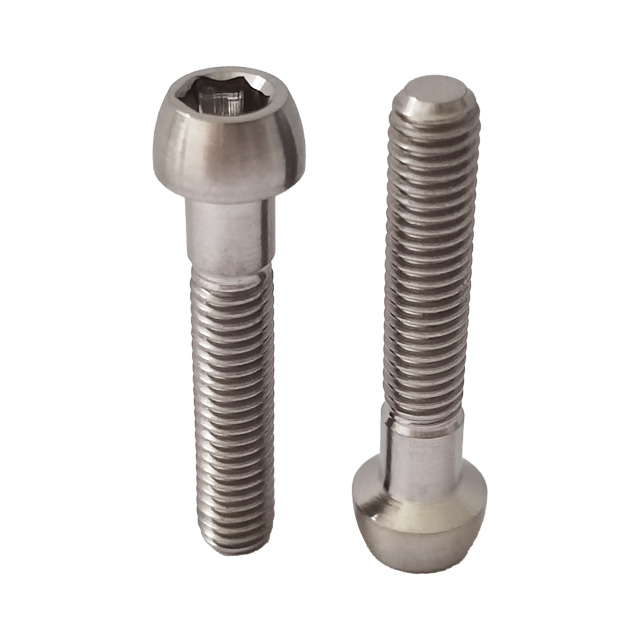
Engineered from premium drawn titanium alloy coil and bar stock. Conforming to ASTM B863, ASTM F136, DIN 912, and aerospace fastener tolerances.
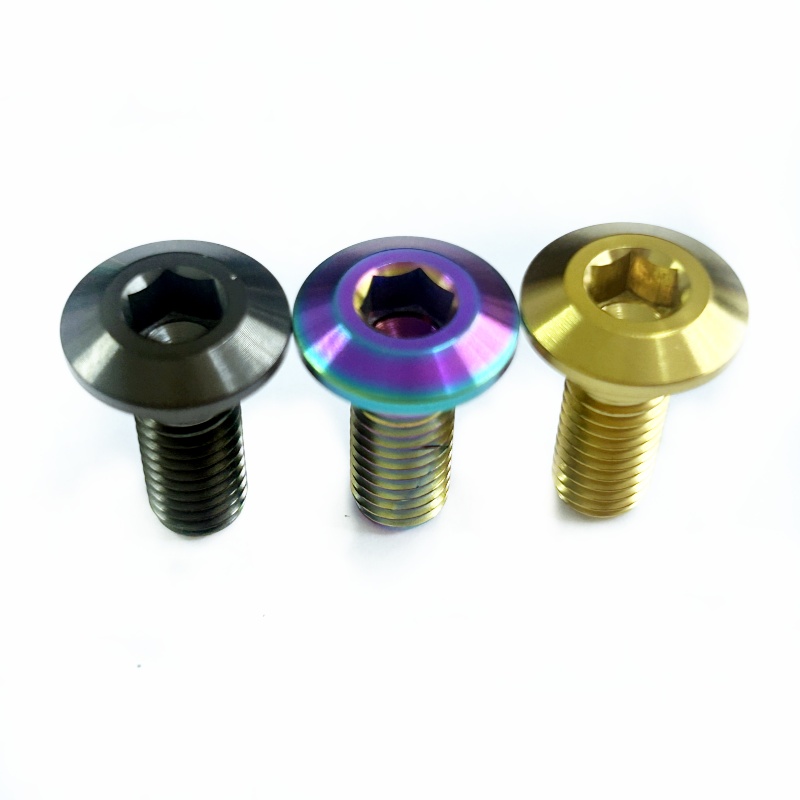
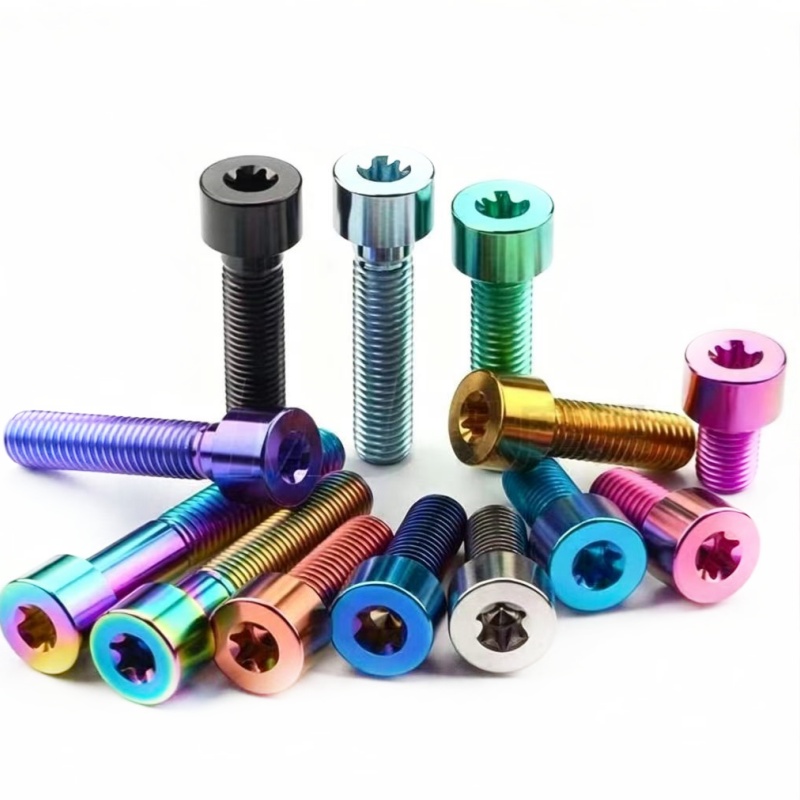
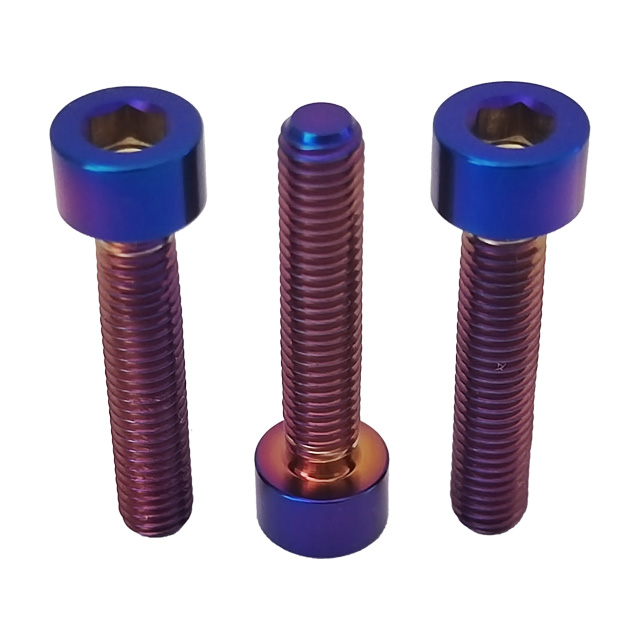
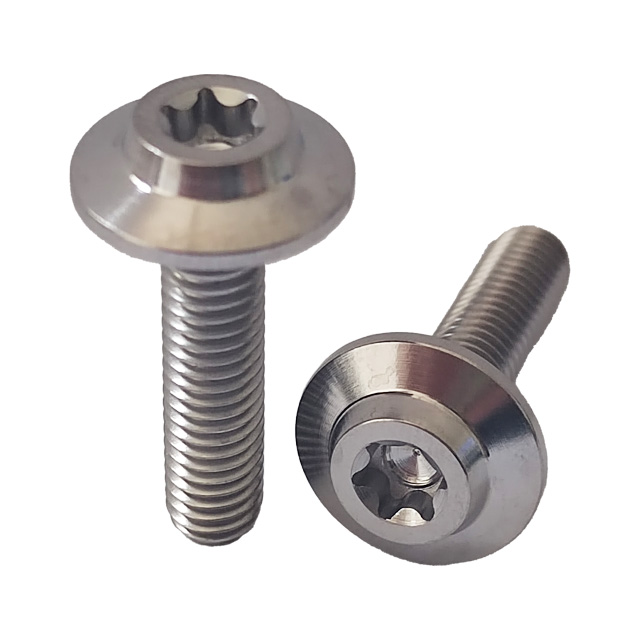
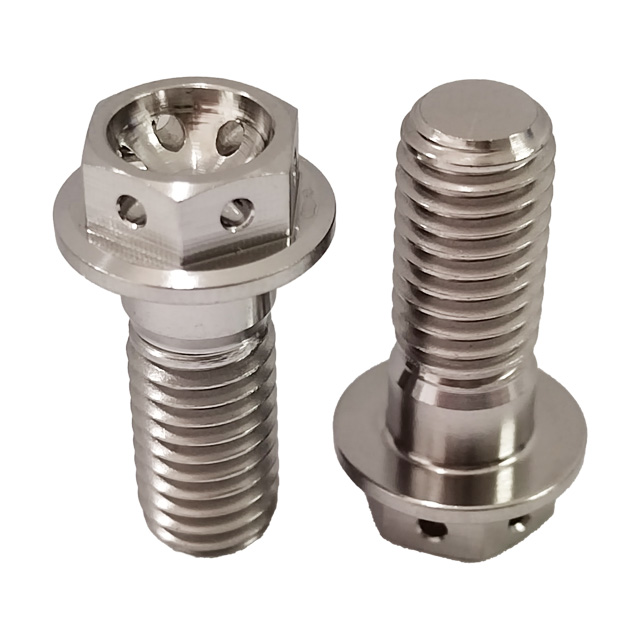
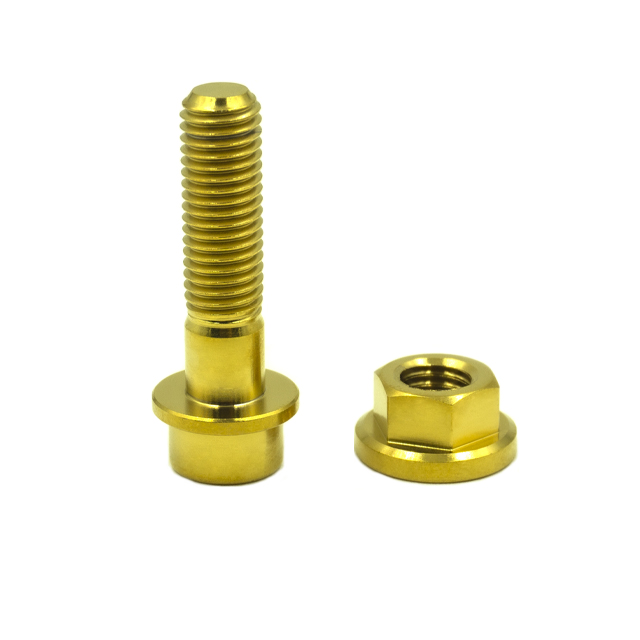
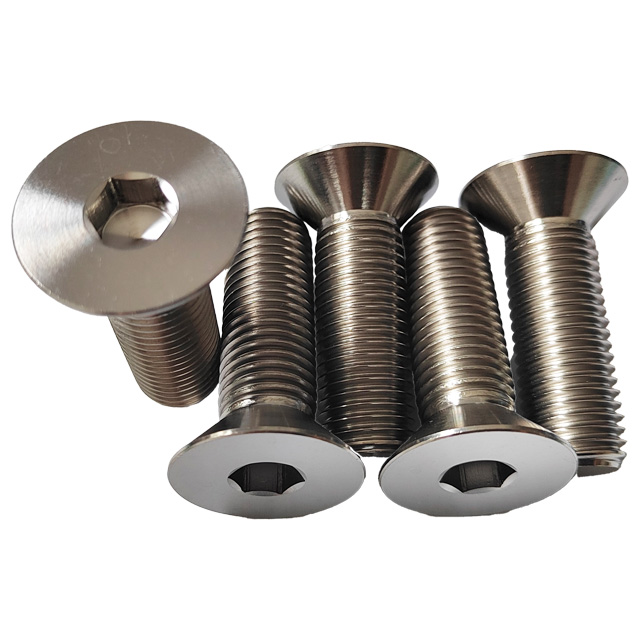
Headquartered on Yucai Road within the High-tech Development Zone of Baoji, China's designated "Titanium Valley," Navzo Precision Titanium Products Co., Ltd. controls the complete processing supply chain from sponge reduction to finished custom wire coils and micro-tolerance fasteners.
Our strategic base in Baoji provides unfiltered access to China's premier titanium smelting reserves. We source directly from certified ingot-melting facilities, ensuring zero blend contamination, strictly regulated interstitial gases, and immediate lot access.
Unlike third-party brokerages, we operate precision wire-drawing capstans, multi-station cold heading machinery, 5-axis CNC machining centers, and automated optical sorting systems under an ISO 9001 certified quality infrastructure.
Our multilingual metallurgical engineering desk delivers comprehensive technical manufacturability evaluations, tolerance verification (h7, h6, DIN, ISO), and formal price structures within 60 minutes across worldwide trading zones.
Every shipment of drawn titanium wire or cold-forged fasteners is accompanied by mill test reports conforming to EN 10204 3.1, incorporating exact spectroscopic chemical assays, ultimate tensile strength, yield limits, and reduction of area metrics.
We provide full-spectrum surface modification in-house: vacuum stress-relief annealing, diamond-die mirror burnishing, micro-arc oxidation, hard PVD thin-film deposition, and vibrant multi-stage anodization for anti-galling enhancement.
Navzo maintains long-term OEM contracts across key industrial markets in the USA, Germany, Japan, South Korea, Russia, the Netherlands, and Thailand, delivering custom packaging, barcoding, and DDP shipping solutions.
Selecting the optimal titanium wire feedstock requires understanding the balance between crystal phase stability, interstitial elemental limits, work-hardening rates, and cold deformability.
Industrial titanium wire spans two foundational metallurgical classifications: Commercially Pure (CP) unalloyed grades and Alpha-Beta (α-β) dual-phase structural alloys. CP Titanium (Grades 1 through 4) exists in a hexagonal close-packed (HCP) alpha crystal lattice at room temperature. Its mechanical performance is governed almost entirely by interstitial solutes—specifically oxygen, nitrogen, carbon, and iron. While Grade 1 provides peak malleability for intricate weaving, fine medical meshes, and electrochemical basket claddings, Grade 4 presents an ultimate tensile strength exceeding 550 MPa through targeted interstitial oxygen fortification without sacrificing chemical passivity.
Conversely, Grade 5 (Ti-6Al-4V, UNS R56400) represents the cornerstone of structural aerospace fasteners, motorsport safety wiring, and additive manufacturing feedstock. The addition of 6% aluminum stabilizes the alpha phase and increases elevated-temperature strength, while 4% vanadium functions as an isomorphic beta stabilizer, allowing the alloy to retain a body-centered cubic (BCC) beta phase at ambient temperatures. This balance creates a dual-phase microstructure capable of reaching tensile yield strengths well in excess of 880 MPa with exceptional fatigue endurance limits.
| Alloy Grade | Standard Specs | Tensile Strength (MPa) | Yield Strength (0.2% MPa) | Elongation (%) | Primary Application Matrix |
|---|---|---|---|---|---|
| Grade 1 (CP-Ti) | ASTM B863 / AWS A5.16 ERTi-1 | ≥ 240 | ≥ 170 | ≥ 24 | Chemical anode wire, deep-drawing, thermal shielding |
| Grade 2 (CP-Ti) | ASTM B863 / ASTM F67 | ≥ 345 | ≥ 275 | ≥ 20 | Marine corrosion wire, industrial basket frames, CPI |
| Grade 5 (Ti-6Al-4V) | ASTM B863 / AMS 4928 / AMS 4967 | ≥ 895 | ≥ 828 | ≥ 10 | Cold-heading fastener wire, motorsport bolts, aerospace ties |
| Grade 23 (Ti-6Al-4V ELI) | ASTM F136 / ISO 5832-3 | ≥ 860 | ≥ 790 | ≥ 10 | Orthopedic bone screws, surgical cerclage wire, implants |
| Ti-Beta-C (Ti-38644) | AMS 4957 / ASTM B863 | ≥ 1170 (Aged) | ≥ 1070 (Aged) | ≥ 8 | High-rate cold-heading stock, aerospace landing springs |
Global supply disruptions, decarbonization mandates, and emerging production paradigms are transforming how enterprise procurement directors secure specialized titanium wire and fastener inventories.
The acceleration of Directed Energy Deposition (DED) and WAAM for large-scale aerospace structural components is prompting a massive shift from subtractive billet milling to certified Grade 5 and Grade 23 welding wire spools. Procurement teams are demanding tight coil-layer winding, zero surface hydrocarbon residuals, and micro-plasma cleaned wire surfaces to prevent weld-pool porosity.
With titanium raw material prices sensitive to global energy fluctuations, the historical practice of turning bolts from large hexagonal solid bar on CNC lathes is proving economically unviable due to high buy-to-fly ratios. Enterprise buyers are transitioning to cold-drawn heading wire, reducing raw metal waste by up to 65% while creating unbroken grain lines along the bolt head shoulder.
Tier-1 OEM buyers are instituting circular procurement agreements that require suppliers to prove scrap-reclamation provenance. Navzo leverages strict segregative sorting in Baoji, allowing clean industrial turnings and off-cuts to be reintroduced through vacuum arc remelting (VAR) systems without introducing high-density tungsten or low-density carbide inclusions.
Western and Asian engineering conglomerates are mitigating single-source vulnerability by forging direct relationships with Baoji-based manufacturers. By bypassing intermediate multi-layered Western distribution hubs, procurement divisions reduce inventory lead times from 36 weeks down to 4–6 weeks while realizing 25–40% cost efficiency on custom mill-run sizes.
Automated optical sorting, digital eddy-current testing, and dynamic laser micrometry have become baseline requirements for high-speed automated fastener assembly lines. Procurement contracts now mandate that titanium wire coils exhibit zero seam cracks, slivers, or die-draw scoring exceeding 0.02mm in depth to prevent catastrophic fractures in automatic bolt feeders.
Continuous investment in metallurgical engineering is resolving historic processing challenges associated with titanium's low elastic modulus, galling susceptibility, and rapid strain hardening.
Conventional cold drawing relies on chemical conversion coatings and graphitic greases that can cause carbon contamination during intermediate annealing. Modern multi-pass capstans incorporate ultrasonic agitation paired with synthetic water-soluble polyglycols, producing drawn wire surfaces with clean Ra ≤ 0.4 μm finishes that require minimal subsequent chemical pickling.
Equal-Channel Angular Pressing (ECAP) and precision warm-drawing technologies allow the breakdown of coarse grain structures into ultrafine-grained (UFG) titanium. This creates Grade 4 and Grade 5 wire with yield strengths approaching 1100 MPa while maintaining over 14% elongation, offering a pathway toward ultra-high-strength fasteners without costly secondary aging cycles.
Titanium threads are historically prone to adhesive galling when engaged with mating internal threads under load. Innovations in Type II electrochemical anodization, thermal oxidation (TO), and PVD-deposited chromium nitride (CrN) or diamond-like carbon (DLC) generate a surface barrier with a hardness exceeding 2000 HV, eliminating the need for messy anti-seize paste in automated robotics.
The production of high-integrity fasteners—such as the DIN912 socket head screws, motorcycle disc brake shoulder bolts, and umbrella-head Torx bolts manufactured at Navzo—relies directly on the metallurgical uniformity of the drawn wire. During the cold heading cycle, wire sheared from coils is subjected to high-energy multi-station punch dies. If the wire exhibits any decarburization, hydrogen embrittlement, or localized shear bands, catastrophic micro-cracking will propagate along the junction between the bolt shank and the under-head radius.
By maintaining our own drawing capstans and induction-heated warm heading dies in Baoji, Navzo precisely synchronizes the deformation speed with the thermal dissipation rate of the alloy. This preserves the continuous fiber orientation of the metal crystal grain flow along the head contour, delivering a minimum fatigue life improvement of 300% over parts machined from bar stock.
Practical engineering, quality assurance, and commercial answers compiled by our chief metallurgists and global export logistics specialists.
Connect with our technical engineering team in Baoji, China. Submit your wire alloy specifications, target spool weights, or fastener part drawings for rapid turnaround and certified factory-direct pricing.