High-Integrity OEM Titanium Products & Bolting Solutions
Explore our core line of CNC-machined titanium components and high-tensile hardware engineered to assemble high-pressure titanium flanges in extreme industrial conditions.
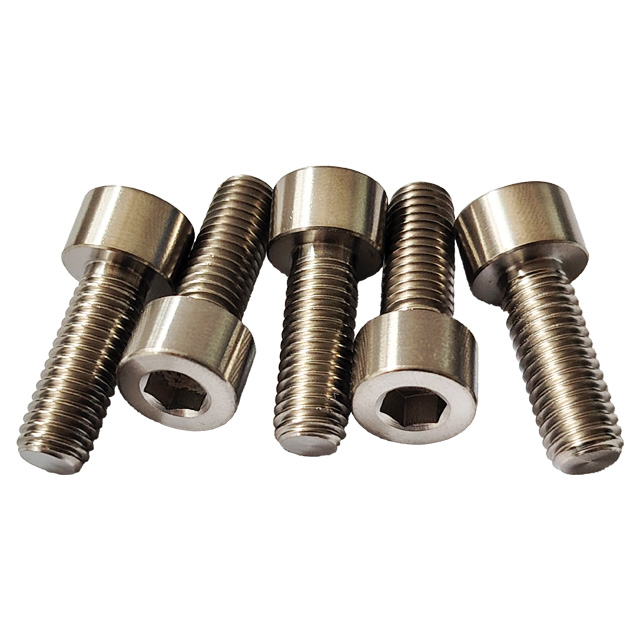
GR5 Titanium Bolts M8*25mm High Strength Cylindrical Socket Bolts
View Product Specs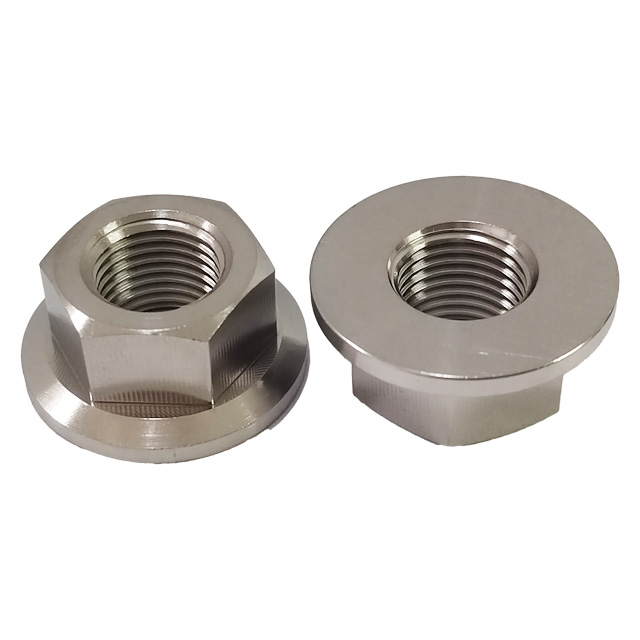
GR5 Titanium Nuts M12*1.5 High Strength Hex Flange Full Thread Nuts
View Product Specs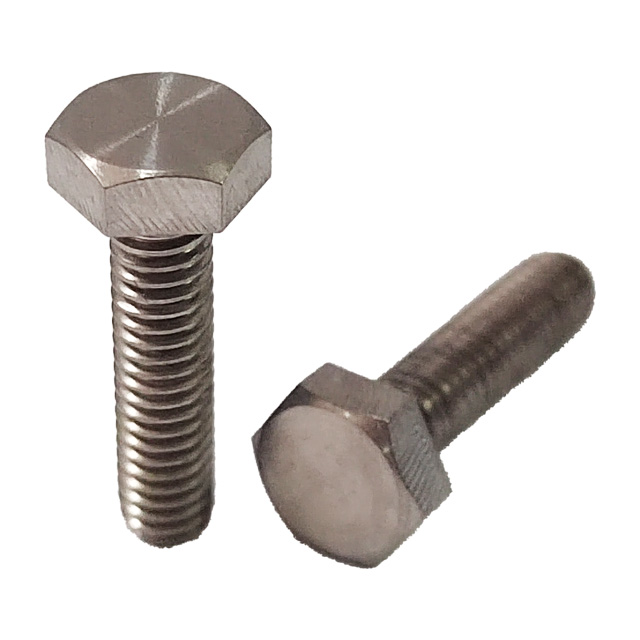
GR5 Titanium Bolts M4*15mm Hexagon Head Full Thread Fasteners
View Product Specs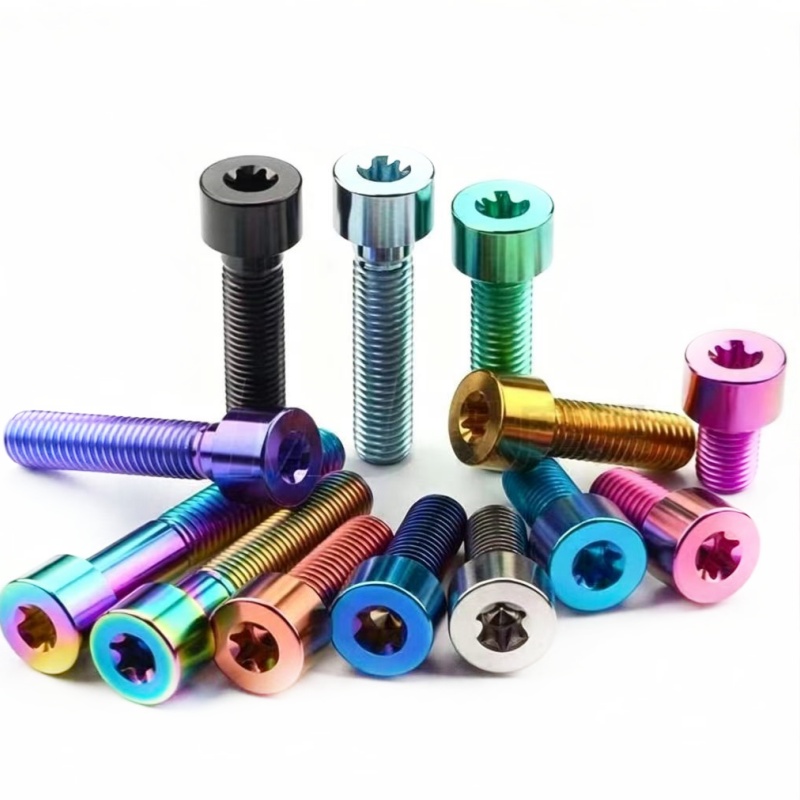
DIN912 M5 Titanium Socket Head Cap Screw For High-Tech Piping
View Product Specs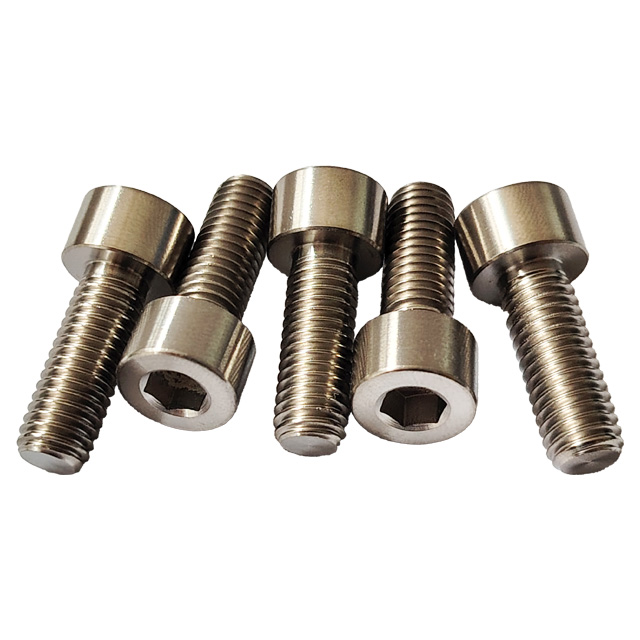
GR5 Titanium Bolts M10*40mm High Strength Socket Head Cap Screws
View Product Specs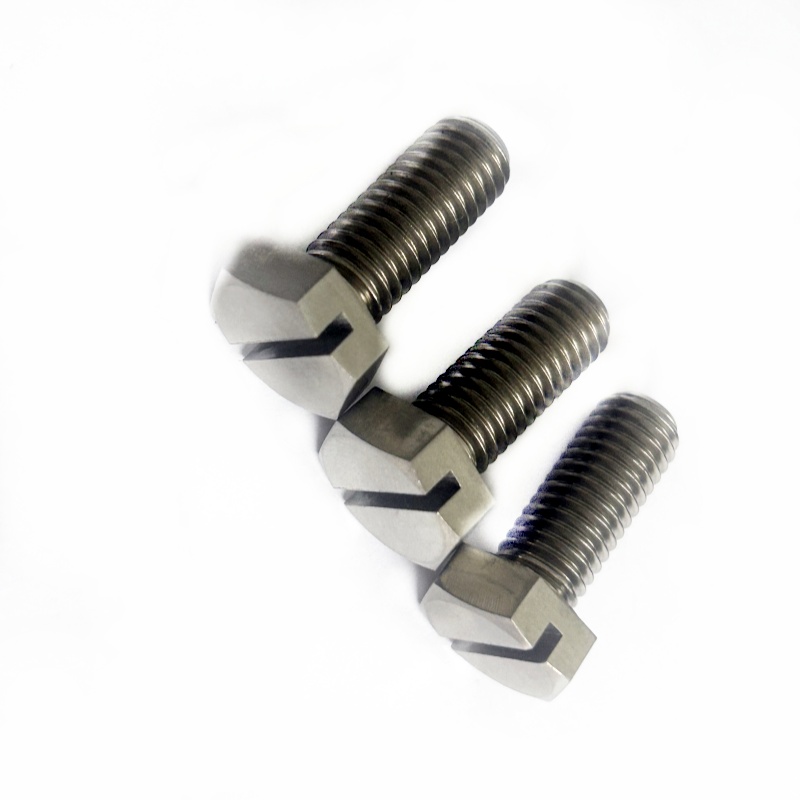
OEM Precision CNC Machined Titanium Slotted Hexagonal Head Screw
View Product Specs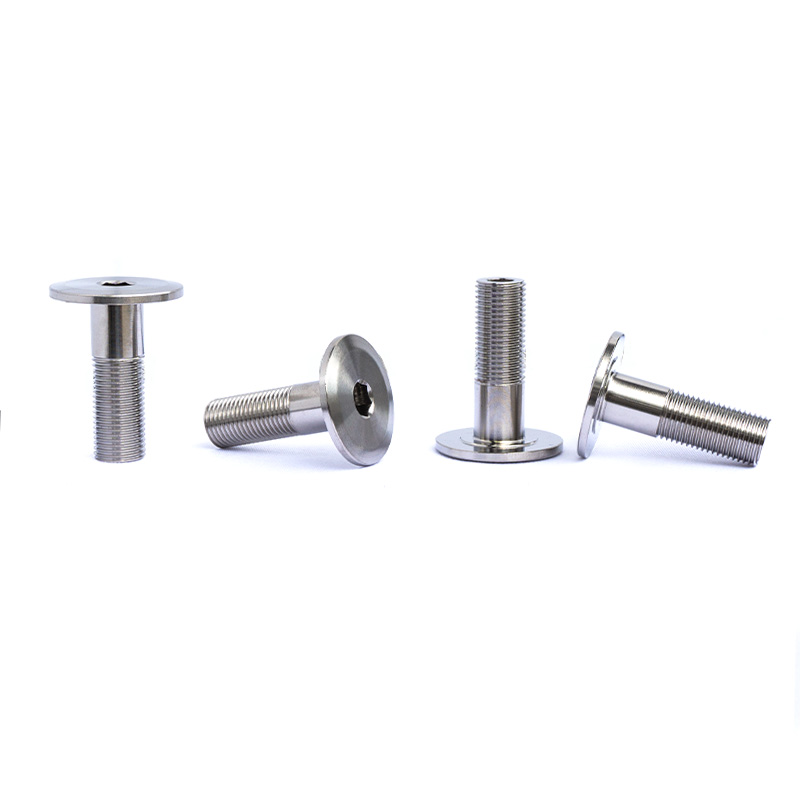
GR5 Titanium M10*1*33mm Flat Head Hollow Hex Socket Bolts
View Product Specs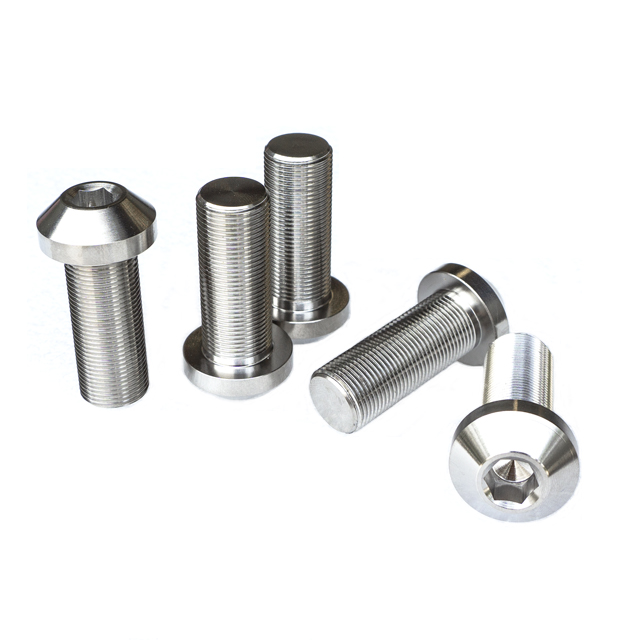
GR5 Titanium M14*1.0*35mm Umbrella Tapered Head Inner Hex Bolts
View Product SpecsPrecision OEM Titanium Flange Configurations for Critical Fluid Systems
From deep-sea hydrocarbon subsea trees to cryogenic chlor-alkali autoclaves, our custom-forged and precision-machined titanium flanges provide absolute sealing integrity, seismic fatigue endurance, and total immunity to localized pitting corrosion.
Weld Neck & Slip-On Flanges (WNF / SOF)
Engineered per ASME B16.5 and EN 1092-1, our titanium weld neck flanges feature smooth, continuous transitions from pipe wall thickness to flange hub. This profile eliminates stress concentrations under high cyclic pressures in chemical reactors and offshore seawater injection lines.
Blind Flanges & Spectacle Blinds (BLRF)
Machined from homogeneous, high-density forged titanium billets without internal porosity or dendritic segregations. Tested under hydrostatic loads up to Class 2500 (PN420) to guarantee permanent isolation of corrosive acids, wet chlorine gas, and hyper-saline brines.
Lap Joint Flanges & Titanium Stub Ends
Cost-effective modular assemblies combining Grade 2 titanium loose backing flanges with precision cold-formed or forged titanium stub ends. This configuration permits fast alignment of bolt holes on piping systems in desalination evaporator towers and marine exhaust scrubbers.
Comprehensive Titanium Alloy Selection Matrix for Flanges
Selecting the optimal titanium grade requires balancing mechanical yield thresholds, galvanic interaction risks, and resistance to crevice corrosion under elevated thermal conditions.
| Alloy Grade | UNS / Standard | Tensile / Yield (MPa) | Density (g/cm³) | Corrosion Resistance Threshold | Recommended Industrial Applications |
|---|---|---|---|---|---|
| Grade 1 (CP4) | UNS R50250 / ASTM B381 | ≥ 240 / ≥ 170 | 4.51 | Superior in oxidizing media; high ductility | Explosion-clad plates, low-pressure chlor-alkali piping |
| Grade 2 (CP3) | UNS R50400 / ASTM B381 | ≥ 345 / ≥ 275 | 4.51 | Standard benchmark; immune to ambient seawater | Seawater desalination, power plant condensers, cooling loops |
| Grade 5 (Ti-6Al-4V) | UNS R56400 / ASTM B381 | ≥ 895 / ≥ 828 | 4.43 | High strength-to-weight; fatigue resistant | Deepwater oil & gas riser flanges, aerospace fuel conduits |
| Grade 7 (Ti-0.15Pd) | UNS R52400 / ASTM B381 | ≥ 345 / ≥ 275 | 4.51 | Supreme in reducing acids (HCl, H2SO4) via Pd catalysis | Chemical synthesis reactors, pharmaceutical pickling lines |
| Grade 12 (Ti-Mo-Ni) | UNS R53400 / ASTM B381 | ≥ 485 / ≥ 345 | 4.51 | High resistance to crevice corrosion above 150°C | Geothermal steam extraction, hydro-metallurgical autoclaves |
Why Tier-1 EPCs and Global OEMs Source Flanges From Navzo
Headquartered in Baoji—the epicenter of China's titanium industry cluster—Navzo Precision Titanium integrates direct raw sponge sourcing, free-forging presses, closed-die ring rolling, and multi-axis CNC finishing under an unbroken chain of custody.
100% Traceable Certified Melt Stock
By operating inside Baoji Titanium Valley, we source primary double and triple vacuum arc remelted (VAR) ingots directly from leading domestic melt shops. Every forged flange is accompanied by verifiable EN 10204 3.1 chemical and mechanical test certs.
Radial Die Forging & Ring Rolling
Unlike budget machine shops that cut flanges from rolled plates (risking delamination along anisotropic rolling directions), our flanges are radial-die forged and seamless ring-rolled. This process aligns the grain flow circumferentially along the flange sealing face for structural toughness.
5-Axis CNC Flange Face Machining
We execute standard serrated spiral or concentric phonographic groove finishes (Ra 3.2–6.3 µm / 125–250 µin AARH) per ASME B16.5 Clause 6.4.5. This controlled micro-texture ensures proper seating and flow-resistance for spiral wound PTFE/graphite gaskets.
Full In-House Nondestructive Testing
Every critical batch undergoes 100% Ultrasonic Testing (UT per ASTM A388 / AMS 2631 Class A) to ensure zero internal voids. Flange bolt hole locations and facing parallelism are verified using calibrated Mitutoyo Coordinate Measuring Machines (CMM).
Matched Fastener & Flange Kitting
Unique among flange manufacturers: our facility integrates high-precision GR5/GR2 bolt and nut cold-heading lines. We supply matched flange-and-stud kits, eliminating galvanic disparity and avoiding lead-time delays caused by managing split suppliers.
Rapid 1-Hour RFQ & Engineering Review
Our sales engineering division guarantees initial review and design-for-manufacturability (DFM) feedback within 60 minutes for industrial drawings submitted in DWG, PDF, STEP, or IGES formats across all international time zones.
End-to-End OEM Production & Metallurgical Validation Process
Our ISO 9001 certified workflow follows stringent milestones from raw billet spectroscopic verification to final high-pressure testing.
Billet Selection & PMI
Positive Material Identification (PMI) using XRF and optical emission spectrometers confirms interstitial elements (C, O, N, H, Fe) meet ASTM B381 chemistry limits before cutting.
Hot Forging & Ring Rolling
Billets are induction-heated within tight thermal windows (typically 880°C–940°C for Grade 5; 750°C–820°C for Grade 2) to forge uniform pre-forms without brittle alpha-case formation.
Annealing & Stress Relieving
Atmospheric vacuum heat treatment relieves residual forging stresses, restores crystalline elongation, and optimizes fracture toughness prior to finish machining.
Multi-Axis CNC Finishing
High-rigidity CNC turning centers machine bolt hole circles (PCD), chamfers, weld bevels, and serrated gasket sealing surfaces with micron-level repeatability.
Future Procurement Trends for Industrial Titanium Flanges
Global supply chain shifts, ESG mandates, and higher operational pressures are fundamentally changing how engineering contractors source critical titanium piping connections.
Shift from Super Duplex to Grade 12 in Marine Scrubbers
While 2507 super duplex stainless steel has been widely deployed in Exhaust Gas Cleaning Systems (EGCS), sulfur-rich condensate and acidic wash-water have caused accelerated pitting around flange heat-affected zones. Procurement heads are increasingly adopting Grade 2 and Grade 12 titanium flanges, achieving life-of-vessel durability and zero maintenance downtime.
Modular Flange-to-Valve Integrated Assemblies
Modern EPC procurement teams avoid purchasing loose flanges, pipe spools, and butterfly valves separately. Sourcing integrated titanium sub-assemblies directly from specialized manufacturers eliminates field-welding issues, streamlines third-party DNV/Lloyd's pressure certifications, and shortens project schedules by 20–30%.
Zero-Carbon Scrap Closed-Loop Recycling
With stringent Scope 3 carbon reporting across Europe and North America, buyers prioritize titanium manufacturers that maintain direct, certified remelting partnerships. Navzo recycles clean CNC turnings and off-cuts back into secondary master-alloy melts, significantly reducing carbon overhead while defending against raw ingot price swings.
Emerging Technological Trends in Titanium Flange Fabrication
Advancements in metallurgy, tool coatings, and additive-subtractive manufacturing are unlocking unprecedented performance thresholds for mission-critical fluid infrastructure.
Cryogenic CNC Machining
Titanium's low thermal conductivity (approx. 6.7 W/m·K) concentrates cutting heat at the tool insert tip during flange face machining. Navzo utilizes supercritical liquid CO2 and high-pressure cryogenic cooling during CNC milling, preventing thermal distortion of serrations and extending insert life by 300%.
Plasma Arc Melting (PAM) Ingot Cleanliness
The industry is transitioning toward Plasma Arc Melted and Electron Beam Cold Hearth refined titanium feedstocks. These melting techniques eliminate High-Density Inclusions (HDI) and Low-Density Inclusions (LDI), ensuring that high-pressure Class 1500 and Class 2500 flanges are free of sub-surface micro-cracks under severe pulsating cycles.
Laser Clad Ceramic Anti-Galling Barriers
To overcome titanium's tendency to gall when torqued against mating metal faces or titanium studs, innovative surface-hardening processes—such as micro-arc oxidation (MAO), oxygen diffusion hardening (ODH), and PVD-deposited solid lubricious coatings—create diamond-hard, self-lubricating barrier layers on threaded and sealing regions.
Frequently Asked Questions: Technical Sourcing of Titanium Flanges
Actionable answers addressing the mechanical, metallurgical, and commercial inquiries most frequently submitted by project engineers, QA managers, and purchasing officers.
Why choose ASTM B381 Grade 2 vs Grade 5 for piping flanges?
How do you prevent thread galling during titanium flange assembly?
What raised face (RF) serration standards are applied to titanium flanges?
What non-destructive examination (NDE) reports are provided?
Can Navzo manufacture custom titanium flanges to non-standard drawings?
How do titanium flanges behave in high-temperature brine environments?
What is the typical production lead time and MOQ for custom forged flanges?
Does Navzo provide matched titanium stud bolts and nuts with flange orders?
Initiate Your Custom OEM Titanium Flange Engineering Review
Accelerate your project with mill-direct pricing from China's premier titanium manufacturing cluster. Submit your specifications, dimensional drawings, or standard BOM for a comprehensive technical proposal within one hour.