[email protected] On-site Verified Titanium Manufacturer · Baoji, China
Baoji Titanium Valley · Direct OEM/ODM Manufacturing

Custom OEM MMO Titanium Anode Factories & Suppliers

High-Efficiency Electrocatalytic Solutions, Dimensionally Stable Anodes (DSA®), and Precision Titanium Assemblies Engineered for Global Industrial Electrolysis

2011
Established in Baoji Valley
≤1h
Engineering Inquiry Response
34%
Global Buyer Reorder Rate
99.8%
ASTM Substrate Purity Integrity
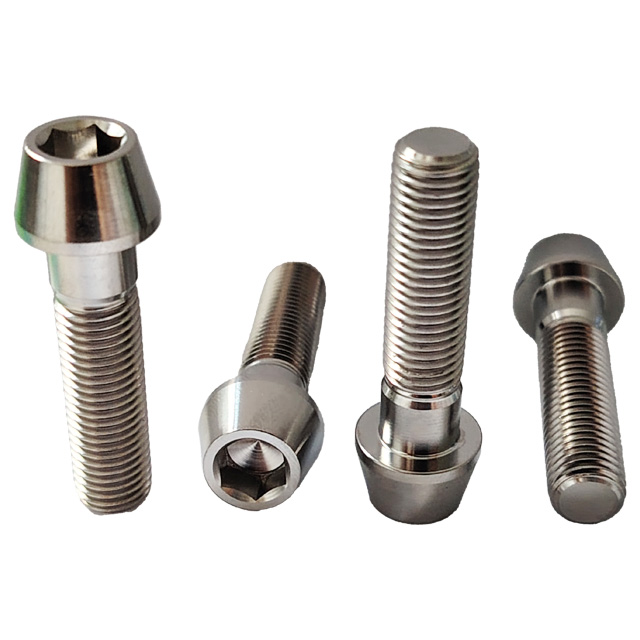
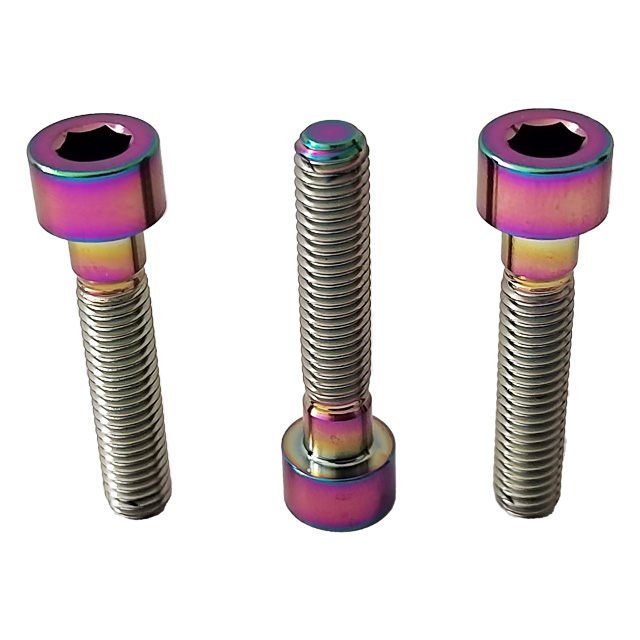
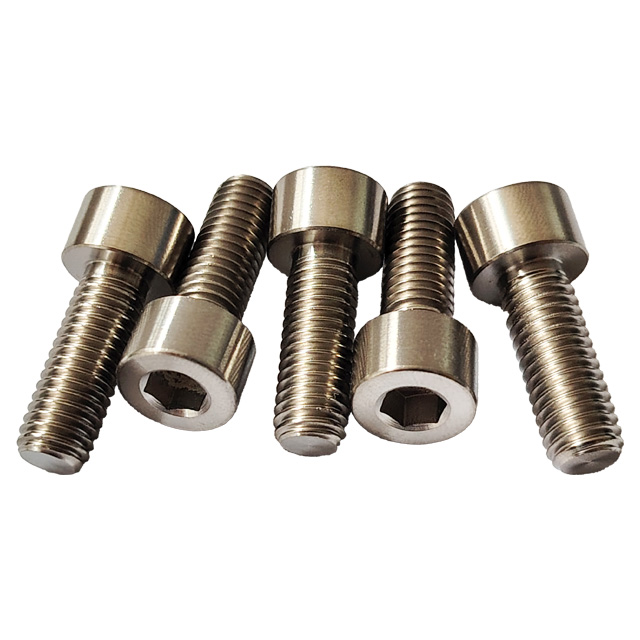
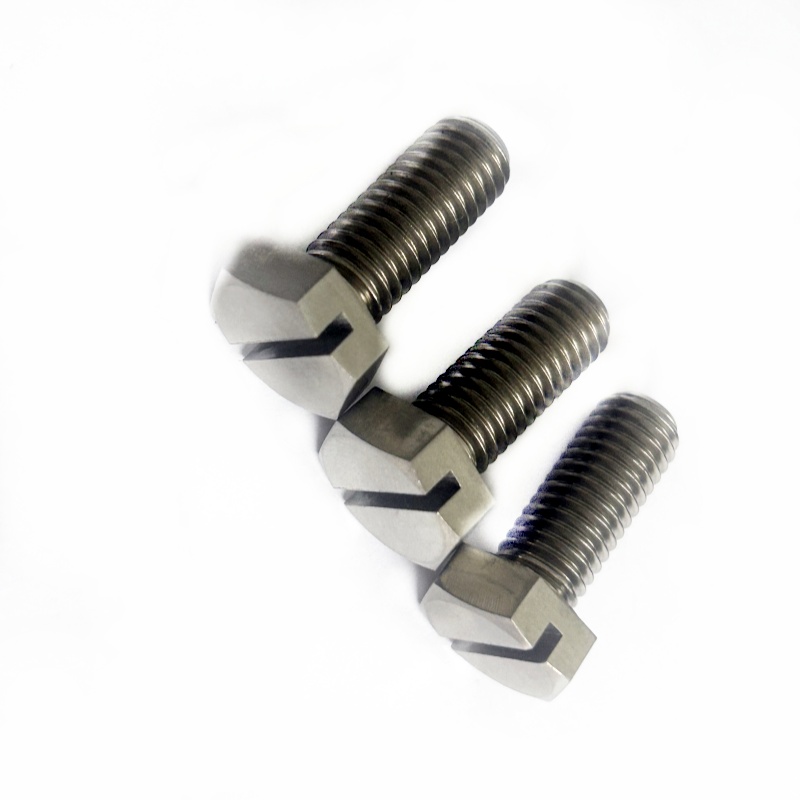
Electrochemical Hardware & Substrate Fastening

Featured Precision Titanium Components & Fasteners

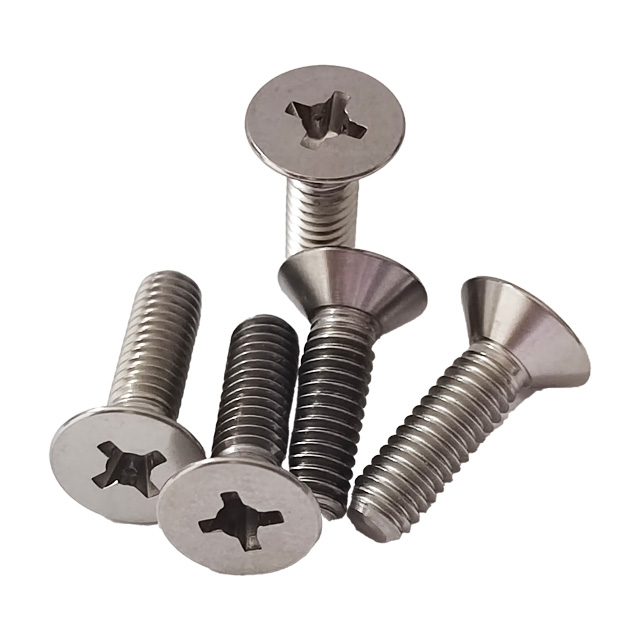
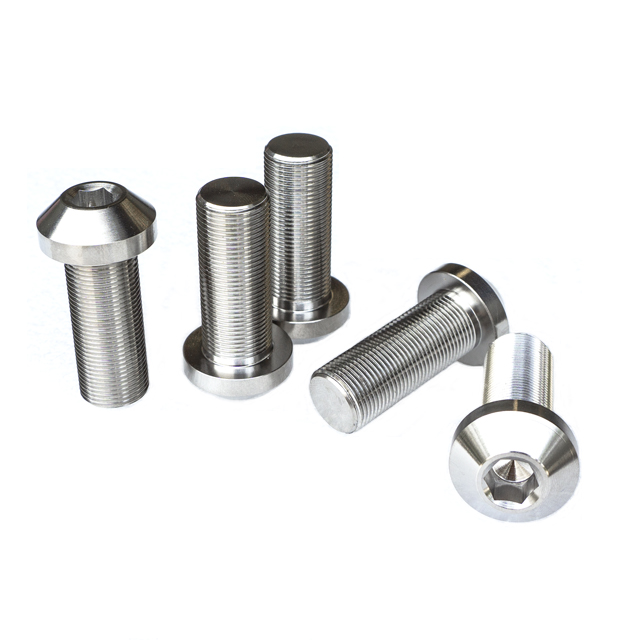
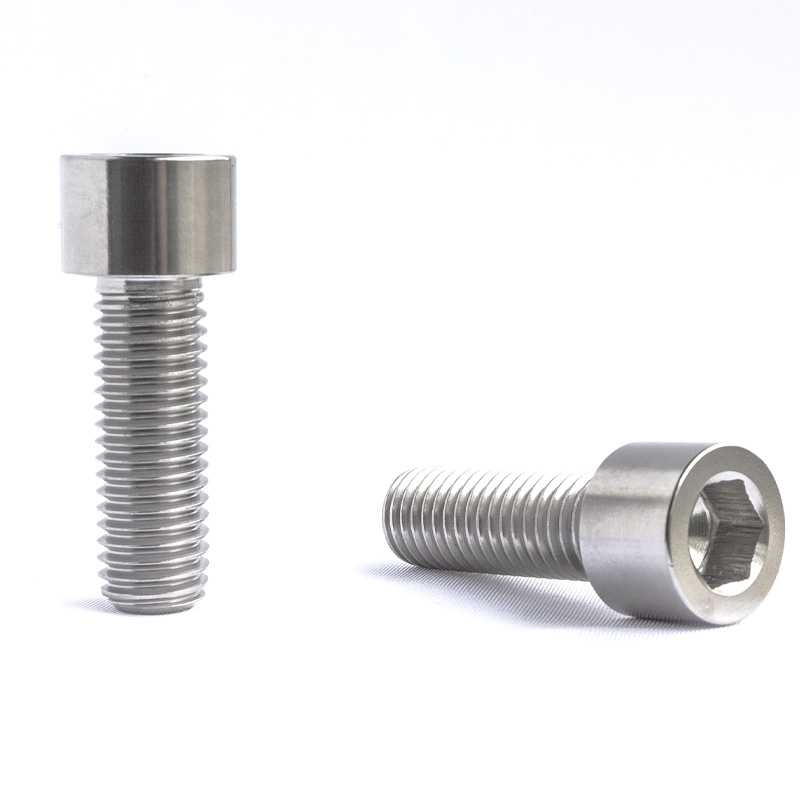
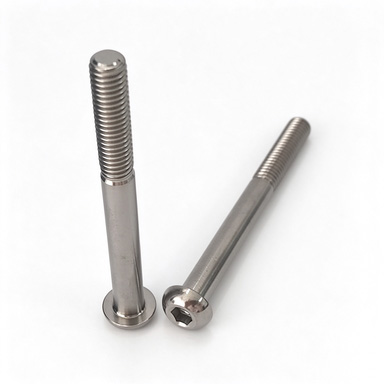
Electrocatalytic cells require ultra-pure, high-tensile, and non-corroding structural connections. Discover our factory-machined Grade 5 (Ti-6Al-4V) and Grade 2 titanium bolts, studs, and custom CNC bus-couplers engineered to operate seamlessly within aggressive acidic, chlor-alkali, and marine electrolytic environments.

Industry White Paper · Electrochemical Architecture

Engineering Science of Dimensionally Stable Anodes (DSA®)

Mixed Metal Oxide (MMO) Titanium Anodes represent the gold standard in contemporary electrochemistry. By thermally depositing noble metal electrocatalytic matrices onto valve-metal substrates, MMO technology delivers negligible dissolution rates, ultra-low overpotentials, and structural permanence under punishing anodic polarization.

Substrate Integrity: ASTM B265 Grade 1 & 2

The substrate provides the conductive structural backbone for the electrocatalytic coating. At Navzo, we utilize exclusively virgin ASTM B265 Grade 1 and Grade 2 commercially pure (CP) titanium sheet, expanded mesh, tubes, and rods. High-purity unalloyed titanium guarantees a robust native passivating titanium dioxide (TiO2) barrier layer, preventing catastrophic anodic substrate corrosion even when operating in low-pH or high-chloride electrolytes.

IrO2-Ta2O5: Oxygen Evolution Reactions (OER)

Formulated specifically for oxygen-evolving regimes where chlorine is absent or minimal, such as sulfuric acid copper electrowinning, cathodic protection in soils, and continuous electro-galvanizing. The tantalum pentoxide acts as an inert, stabilizing matrix that halts grain boundary degradation, while iridium oxide catalyzes oxygen evolution with an overpotential typically under 350 mV at 1,000 A/m², resisting anodic breakdown.

RuO2-TiO2-IrO2: Chlorine Evolution (CER)

Engineered for chlor-alkali production, sodium hypochlorite generation, electrodialysis, and ballast water treatment. Ruthenium dioxide exhibits extraordinary catalytic kinetics for chlorine evolution (overpotential < 50 mV at 2,000 A/m²). Our tailored ternary formulations incorporate iridium and titanium oxides to prevent ruthenium leaching and ensure uninterrupted life cycles in turbulent, high-current environments.

Micro-Anchor Substrate Surface Morphology

Electrocatalytic adhesion hinges entirely on interfacial microroughness. Navzo executes multi-stage mechanical grit-blasting using pure alumina media, followed by hot oxalic or boiling hydrochloric acid chemical etching. This creates an engineered interlocking surface with an average roughness (Ra) of 2.8–4.5 μm, eliminating spallation and thermal coefficient mismatch failures under cyclic operational currents.

Pt-Ir & Conductive Metal Oxide Interlayers

For ultra-demanding regimes characterized by current reversals or organic foulants, Navzo deposits specialized conductive barrier interlayers (such as Ta/Nb sub-oxides or thin-layer platinum-iridium). These barriers inhibit nascent oxygen diffusion toward the titanium base, permanently suppressing the growth of non-conductive TiO2 interfacial scales that cause premature anode passivation.

Automated Precision Thermal Decomposition

Each anode batch undergoes 18 to 32 iterative automated coating-and-baking passes within multi-zone computerized sintering furnaces. Operating between 440°C and 520°C under micro-filtered ambient oxygen control, this thermodynamic regime converts liquid metal precursor solutions into a crack-free, nanocrystalline mixed-oxide solid solution with crystallite sizes between 10–25 nm.

Custom Fabrication Configurations

Tailored OEM Geometries for Global Applications

From expansive cathodic protection groundbeds to compact high-speed electroplating cells, Navzo engineers and manufactures MMO titanium anodes according to precise customer dimensional tolerances, current density parameters, and intended electrolyte chemistries.

MMO Titanium Ribbon & Mesh Anodes

Key Focus: Aboveground Storage Tanks & Reinforced Concrete

Composed of expanded titanium mesh strips (typically 6.35 mm or 12.7 mm wide) coated with mixed metal oxides, interconnected via resistance-welded titanium conductor bars. Engineered for tank bottom cathodic protection beneath secondary containment liners and civil infrastructure rehabilitation per NACE SP0193 standards.

Tubular Anodes & Canister String Assemblies

Key Focus: Deep Well & Open Seawater ICCP

Fabricated from ASTM B338 seamless titanium tubing with center-connected XLPE/Kynar dual-insulated power cables. Available in standard 25 mm and 32 mm diameters, pre-packaged inside galvanized steel canisters backfilled with calcined petroleum coke breeze for instantaneous low-resistance ground installation.

Expanded Mesh & Sheet Electrolyzer Anodes

Key Focus: Chlor-Alkali & Ballast Water Disinfection

Precision-expanded diamond mesh plates offering maximum fluid boundary layer turbulence and superior gas-bubble release dynamics. Low operating voltages and minimal ohmic drops enable massive operational electrical energy savings in electrochlorination and wastewater oxidation systems.

MMO Solid Rod & Wire Anodes

Key Focus: Water Heaters, Condensers & Discrete Probes

Supplied in diameters from 1.0 mm to 6.0 mm with continuous spool lengths or custom rigid lengths with threaded titanium studs. Frequently specified for internal protection of industrial shell-and-tube heat exchangers, water pumps, intake screens, and domestic boiler enamel-tank protection.

Slotted Plate & Bipolar Reversible Electrodes

Key Focus: Advanced Oxidation & Electrochemical COD Removal

Engineered specifically for non-stop industrial wastewater remediation, landfill leachate electrolysis, and active pharmaceutical ingredient (API) mineralization. Built with polarity-reversing tolerant catalytic layers that resist scale encrustation in hard-water electrolytes.

Hydrometallurgical Electrowinning Anodes

Key Focus: Green Metal Refining (Cu, Zn, Ni, Co)

Direct substitutes for conventional toxic, high-maintenance lead-alloy anodes. Eliminates lead contamination of metal cathodes, slashes tankhouse cell voltage by up to 15%, minimizes carbon foot-printing, and withstands harsh fluoride and chloride contaminants common in heap-leach electrolytes.

Engineering Specification Comparison

MMO Titanium vs. Traditional Anode Materials

Quantifiable technical parameters highlighting why global procurement departments are migrating legacy industrial systems away from graphite, high-silicon cast iron (HSCI), and toxic lead-antimony matrices toward MMO titanium.

Performance Characteristic MMO Titanium Anode (Navzo) High-Silicon Cast Iron (HSCI) Graphite Anodes Lead-Alloy (Pb-Sn-Ca)
Consumption Wear Rate 0.5 – 2.0 mg / A·yr 100 – 500 g / A·yr 200 – 800 g / A·yr 1,500 – 3,000 g / A·yr
Current Density Capacity Up to 15,000 A/m² (Electrolysis) 10 – 50 A/m² (Max) 10 – 30 A/m² 200 – 400 A/m²
Dimensional Stability Zero volume change over lifespan Continuous geometric degradation Rapid erosion & sludge build-up Deforms & forms lead sludge
Specific Weight (Ratio) 4.51 g/cm³ (Ultra-Lightweight) 7.20 g/cm³ (Extremely Heavy) 1.80 g/cm³ (Fragile / Brittle) 11.34 g/cm³ (Very Heavy)
Overpotential vs. Standard Ultra-Low (Significant Energy Savings) High Overpotential Moderate to High Extremely High Overpotential
Chemical / Acid Tolerance pH 0 – 14 (Formulation matched) Brittle, vulnerable to low pH Vulnerable to strong oxidizers Prone to scale passivation
Environmental & Safety 100% Non-Toxic & Recyclable Core Standard scrap disposal Produces black particulate carbon Hazardous Toxic Waste (Lead)
Strategic Procurement Intelligence

Emerging Trends in Global Titanium Anode Sourcing

Procurement directors and electrochemical engineers are redefining supply-chain criteria. Below are the primary macroeconomic and technological shifts impacting anode sourcing through 2030.

01

Green Hydrogen Expansion

The exponential scale-up of proton exchange membrane (PEM) and alkaline water electrolyzers requires ultra-durable porous transport layers (PTLs) and high-load IrO2-coated titanium felt/mesh capable of operating stably above 2.0 A/cm² without substrate passivation or catalyst dissolution.

02

Closed-Loop Substrate Recoating

Titanium metal economics favor circularity. Forward-thinking industrial consumers are abandoning single-use disposal in favor of professional stripping and recoating agreements, where exhausted titanium substrates are chemically descaled, micro-etched, and re-catalyzed at 40% of the replacement cost.

03

Electrochemical AOP Water Treatment

Stricter environmental regulations against per- and polyfluoroalkyl substances (PFAS), micro-pollutants, and antibiotic effluents are spurring demand for high-oxygen overpotential MMO and boron-doped diamond (BDD) composite anodes capable of generating massive quantities of surface hydroxyl radicals (•OH).

04

Supply Chain Consolidation in Baoji

Geopolitical risks and freight volatility are driving direct enterprise partnerships with vertically integrated manufacturing clusters. Baoji, China's Titanium Valley, provides end-to-end integration from titanium sponge and vacuum melting to precision CNC machining and automated catalytic coating.

Enterprise Manufacturing Strength

Why Global Buyers Partner with Navzo Precision

Founded on January 10, 2011 on Yucai Road in the High-tech Development Zone of Baoji, Navzo Precision Titanium Products Co., Ltd. sits at the heart of the world's most comprehensive titanium production cluster. We combine certified raw material purity with elite machining and electrocatalytic craftsmanship.

Baoji Titanium Hub Location Advantage

Our location directly eliminates intermediary markups and supply chain bottlenecks. Direct access to premier Baoji sponge reduction mills guarantees traceable titanium ingots, sheets, bars, and wire rods adhering strictly to ASTM B265, ASTM B348, and ASTM B338 aerospace and chemical standards.

Integrated CNC Machining & Cold Heading

Navzo does not merely coat third-party substrates; we operate an in-house precision machine shop equipped with high-precision CNC multi-axis turning centers, cold heading lines, and thread rolling mills. We manufacture both the catalytic anode structures and the titanium bolts, nuts, and busbars that clamp them.

Rigorous QA: XRF, Adhesion & Accelerated Life

Every production batch undergoes X-ray Fluorescence (XRF) coating thickness spectrometry, cross-hatch ultrasonic adhesion testing, and Accelerated Life Testing (ALT) in 1.0 M sulfuric acid per NACE TM0108 protocols, ensuring our products exceed expected operational lifespans under rated current densities.

≤ 1-Hour RFQ Rapid Technical Response

Time is money in large-scale plant overhauls and EPC project bidding. Our dedicated engineering and global sales staff maintain an average technical reply time within 60 minutes, delivering detailed drawing reviews, alloy feasibility checks, and transparent factory-direct commercial quotations.

Certified Material Test Reports (EN 10204 3.1)

Full regulatory compliance is standard. Navzo supplies comprehensive 3.1 Mill Test Certificates detailing chemical composition, tensile and elongation properties, alongside anode coating composition certificates with every export shipment dispatched to North America, Europe, East Asia, and the Middle East.

Export-Grade Protective Packaging

MMO coatings are microscopic, highly functional crystalline surfaces vulnerable to mechanical rubbing. We employ multi-layer vacuum wrapping, custom foam-cushioned compartmentalization, and reinforced fumigated export wooden crates to ensure zero surface abrasion during long-haul sea and air freight.

Production Transparency

Our 5-Stage OEM & ODM Engineering Workflow

From preliminary 2D/3D CAD blueprint submission to final electrochemical qualification, every anode and precision titanium assembly follows our standardized ISO-aligned manufacturing process.

01

Blueprint & Electrolyte Review

Detailed review of STEP/DWG drawings, operational electrolyte chemistry (pH, chloride ppm, fluorides, organics), current density, operating temperature, and required lifetime.

02

Substrate CNC Fabrication

Precision laser cutting, mechanical stamping, expanded mesh slitting, and CNC multi-axis machining of Grade 1/2 CP titanium substrate plates, rods, or tube structures.

03

Micro-Anchor Chemical Etching

Degreasing and hot acid etching in boiling oxalic acid generates the distinctive micro-rough dendritic anchor profile (Ra 2.8–4.5 μm) essential for mechanical oxide bonding.

04

Precision Sintering & Quality QA

Multi-cycle thermal decomposition coating in computer-controlled furnaces, followed by XRF noble metal loading verification, dimensional checks, and packaging.

Technical Procurement Knowledgebase

Frequently Asked Questions by Industrial Buyers

Key technical answers compiled by our chief electrochemical engineers to assist procurement managers and EPC design teams before placing OEM orders.

How do you determine whether an MMO anode requires an IrO2-Ta2O5 or RuO2-TiO2 coating?
The primary determining factor is the dominant anodic reaction dictated by the electrolyte chemistry. If the electrolyte contains significant chloride concentrations (> 500 ppm, e.g., seawater, chlor-alkali brine, industrial brine), the Chlorine Evolution Reaction (CER) dominates, making ruthenium-oxide-based (RuO2-TiO2 or Ru-Ir-Ti) coatings the most energy-efficient choice. Conversely, in chloride-free or low-chloride environments (e.g., sulfuric acid electrowinning, cathodic protection in soils or freshwater, electro-galvanizing), the Oxygen Evolution Reaction (OER) dominates. In these settings, ruthenium dissolves prematurely, making iridium-tantalum oxide (IrO2-Ta2O5) formulations mandatory for long service life.
What is Accelerated Life Testing (ALT) and how does it predict operational lifespan?
Accelerated Life Testing (commonly governed by NACE TM0108 or equivalent standards) evaluates anode durability by subjecting sample anodes to extreme current densities (typically 10,000 to 20,000 A/m²) in an aggressive 1.0 M H2SO4 electrolyte. The test runs continuously until an abrupt spike in cell potential (voltage rise > 5V) indicates anode passivation. By quantifying the total operational charge (Ampere-hours per square meter) until breakdown, empirical formulas translate the ALT results to predict the real-world operating lifespan (e.g., 20–50 years) under standard current densities (such as 100–600 A/m²).
Why must Grade 1 or Grade 2 CP Titanium be used as the anode substrate instead of Grade 5 alloy?
Substrate performance depends on electrochemical passivity and thermal oxide formation. Unalloyed Commercially Pure (CP) titanium (Grade 1 and Grade 2) features exceptional purity (> 99.2% Ti), low iron content, and high ductility. Under anodic conditions, pure titanium spontaneously forms an impenetrable, electrically passivating TiO2 barrier that stops substrate oxidation. In contrast, Grade 5 (Ti-6Al-4V) contains aluminum and vanadium alloying additions, which can selectively leach out in acidic or high-potential environments, disrupting the passivating film and compromising catalytic oxide adhesion. Grade 5 is however preferred for high-torque mechanical hardware, busbar bolting, and external structural brackets.
Can exhausted MMO titanium anodes be recoated, and what are the cost implications?
Yes, recoating represents one of the greatest economic advantages of MMO titanium anodes over consumable materials. Because titanium is dimensionally stable and does not corrode under normal operating conditions, the core substrate remains structurally intact when the catalytic layer is depleted. At Navzo, our recoating process involves chemically stripping the residual oxide layer, re-etching the substrate to restore the micro-anchor profile, and applying fresh noble metal oxide coatings. Recoating typically saves industrial facilities 35% to 50% compared to purchasing entirely new titanium assemblies.
How do you prevent galling when installing titanium fasteners on anode busbar assemblies?
Titanium has a natural tendency to gall when bare threads encounter friction and pressure, which can cause the threads to seize. To prevent thread galling in electrochemical installations, we recommend three complementary practices: (1) Apply a specialized titanium-compatible anti-seize lubricant (such as molybdenum disulfide or nickel-based paste) during assembly; (2) Control installation torque with calibrated hand tools, avoiding high-speed impact wrenches that generate excessive frictional heat; and (3) Use specialized surface treatments, such as micro-arc oxidation, anodizing, or PVD coatings, to increase thread surface hardness.
What are Navzo's standard lead times and Minimum Order Quantities (MOQ) for custom OEM anodes?
For standard catalogue items such as titanium bolts, standard tubular anodes, or ribbon mesh, our MOQ typically ranges from 100 to 200 pieces, with dispatch within 5 to 10 business days. For custom OEM/ODM projects built from customer drawings (custom expanded mesh geometries, flange-welded plate arrays, or custom-curved anodes), we welcome prototype and pilot evaluation quantities with small minimums. Mass-production lead times generally average 15 to 25 business days, including multi-pass thermal decomposition sintering and rigorous quality control testing.
Fast Turnaround · Engineering Feasibility Within 1 Hour

Ready to Optimize Your Electrocatalytic Performance?

Submit your technical specifications, 2D/3D CAD drawings, or target operating environments to our engineering team. We deliver custom formulation recommendations, detailed dimensional feedback, and factory-direct commercial quotations for all your titanium hardware and anode requirements.