Industrial Titanium Fastener Supply Chain Architecture
Industrial buyers, mechanical design engineers, and procurement directors navigating aerospace, motorsport, maritime, and performance bicycle sectors face a common challenge: securing consistently dimensioned, non-galling, fully certified titanium fasteners without prohibitive lead times. Sourcing directly from verified Chinese manufacturing clusters in Baoji bridges the gap between precision European aerospace engineering tolerances and competitive high-volume production economics.
Featured Industrial Titanium Fasteners & CNC Precision Parts
Manufactured under rigid DIN, ISO, and ASME standards with Ti-6Al-4V Grade 5 wire and bar stock. Explore our high-demand standard fasteners and custom CNC components.
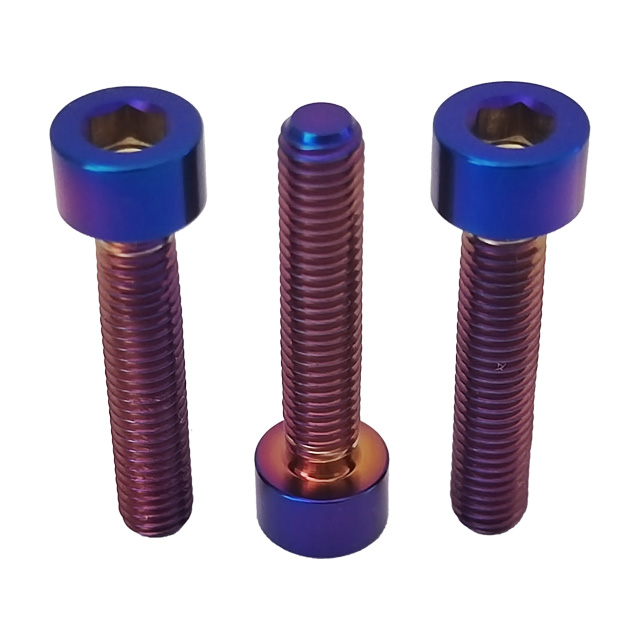
GR5 Titanium Bolts M5*25mm Burn Blue Cup Head Hex Socket Bolts
- Grade: Ti-6Al-4V (Grade 5)
- Size: M5 × 25mm Pitch 0.8
- Finish: Thermal Anodized Burn Blue
- Tensile: 950 - 1050 MPa
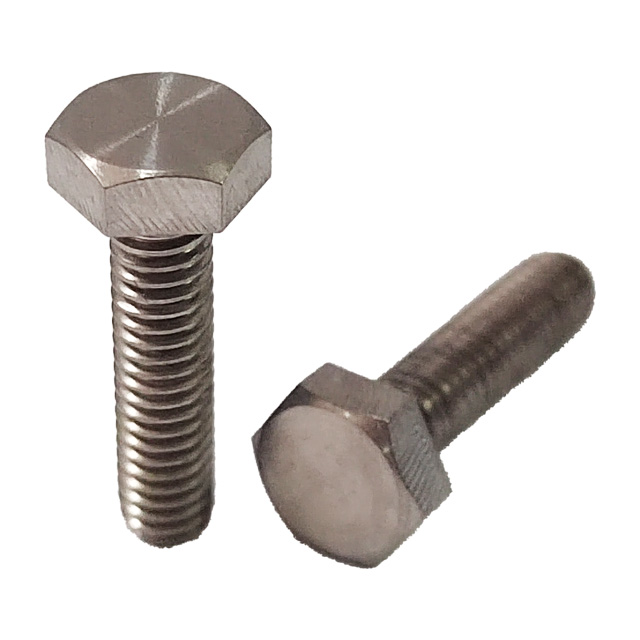
GR5 Titanium Bolts M4*15mm Hexagon Head Full Thread High Strength Bolts
- Standard: DIN 933 / ISO 4017
- Size: M4 × 15mm Full Thread
- Surface: Ultrasonic Cleaned / Raw
- Application: Robotics & Drone Frames
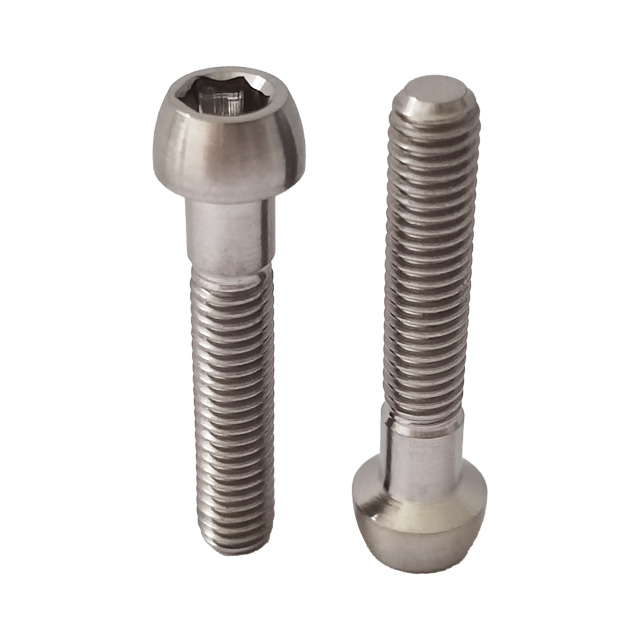
GR5 Titanium Bolts M6*31mm Tapered Conical Head Hex Socket Screws
- Head Profile: CNC Conical Taper Head
- Size: M6 × 31mm Aerospace Fit
- Drive: Precision Hex Socket (5mm)
- Fatigue Life: Rolled Thread >10⁶ cycles
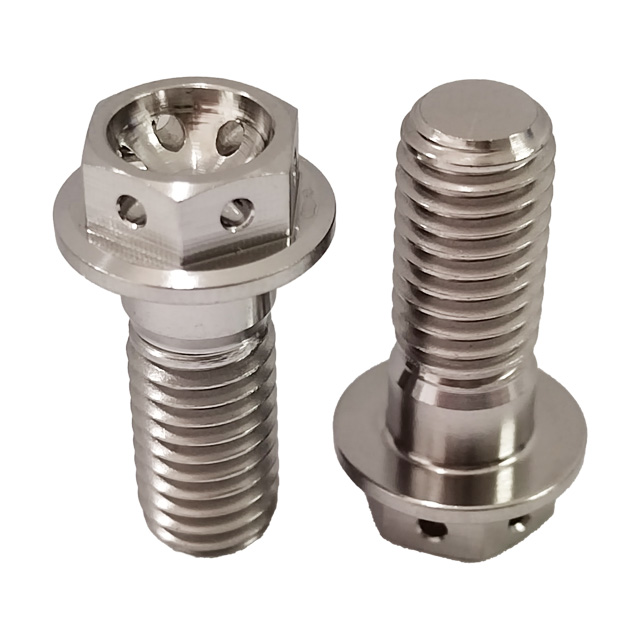
GR5 Titanium Bolts M8*20mm Hex Flange Head Pre-Drilled Race Spec Bolts
- Feature: Safety Wire Locking Holes
- Size: M8 × 20mm Pitch 1.25
- Flange: Integral Load-Spreading Head
- Use: Brake Calipers & Suspensions
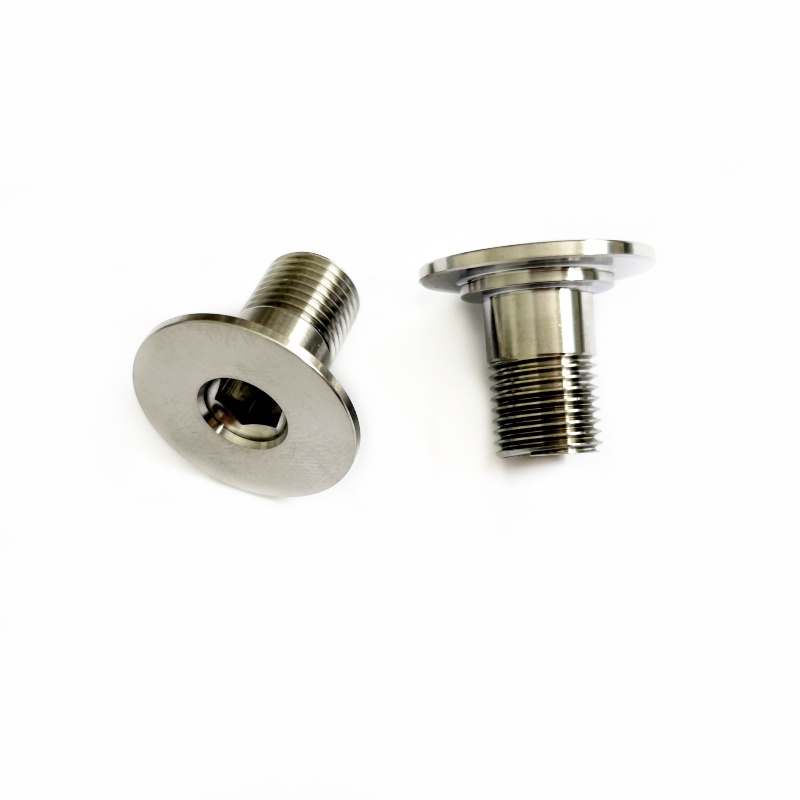
GR5 Titanium Big Pan Hexagon Head Heavy-Duty Clamp Bolts M10*18
- Configuration: Oversized Pan Hex Head
- Size: M10 × 18mm Coarse / Fine
- Yield: Min 828 MPa (ASTM B348)
- Tolerance: ISO Class 6g Precision
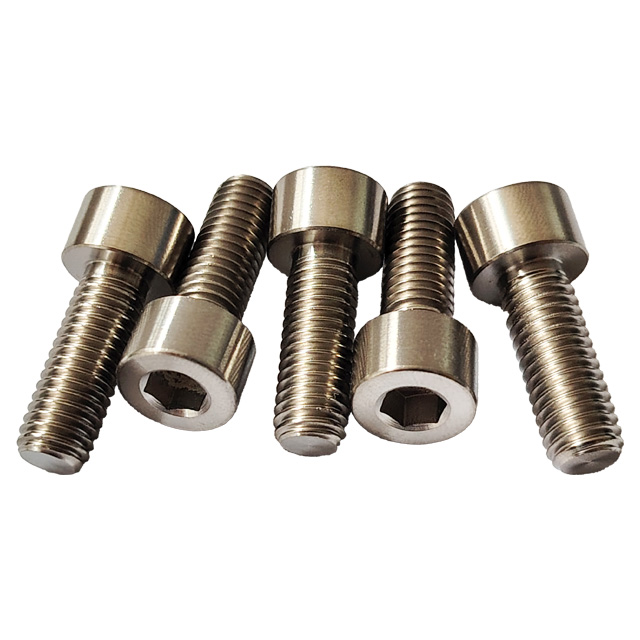
GR5 Titanium Bolts M10*40mm Cylindrical Socket Head Cap Screws
- Standard: DIN 912 / ISO 4762
- Size: M10 × 40mm Partial / Full
- Treatment: Vibratory Polished Mirror
- Density: 4.43 g/cm³
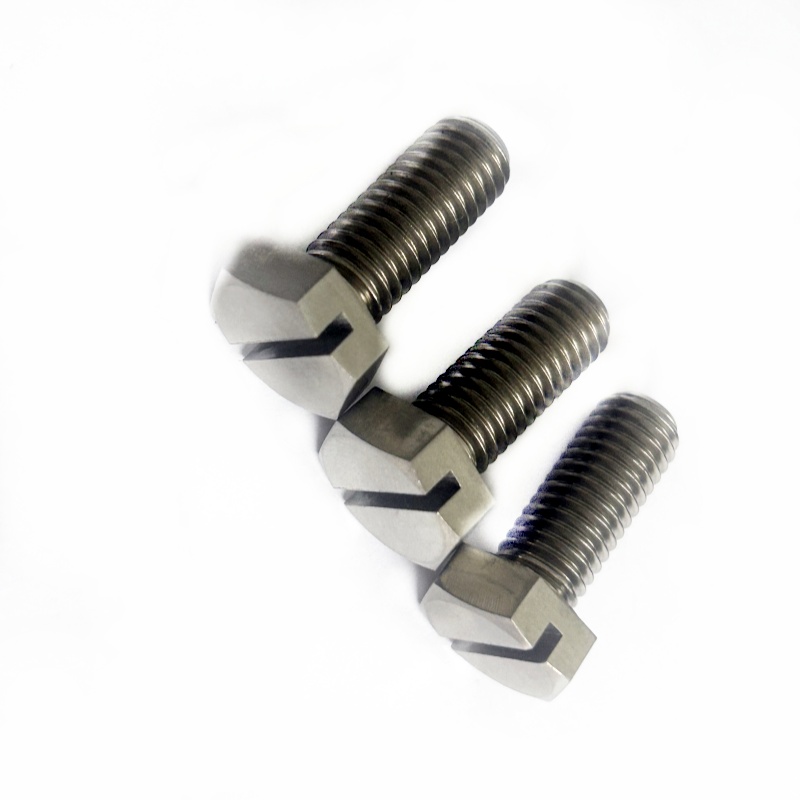
High Precision CNC Machined Titanium Slotted Hex Head Custom Screw
- Processing: 5-Axis Swiss Machining
- Drive: Dual Slot + Hex External Drive
- Tolerance: ±0.005mm Concentricity
- Customization: Print-to-Part Direct
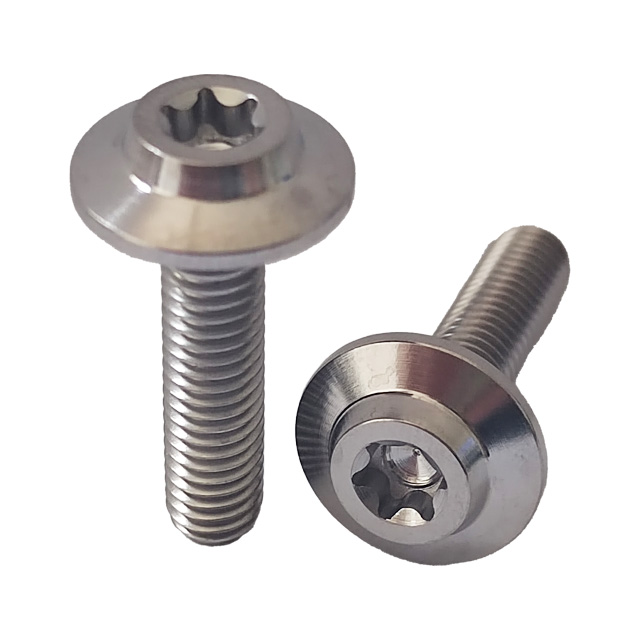
GR5 Titanium Bolts M6*25mm Umbrella Flange Head Inner Torx Screws
- Drive System: Torx T30 Star Internal
- Head Design: Ultra-Wide Umbrella Flange
- Size: M6 × 25mm Aerodynamic
- Finish: Polished Raw / PVD Coating
Engineering Material Comparison: Grade 5 Titanium vs. Competitive Alloys
Mechanical engineers specify titanium fasteners not solely for mass savings, but for superior strength-to-weight ratios, galvanic corrosion resistance in carbon composites, and resistance to cyclic fatigue. The table below outlines empirical baseline specifications used by international inspection authorities.
| Material Specification | Density (g/cm³) | Tensile Strength Rm (MPa) | Yield Strength Rp0.2 (MPa) | Elastic Modulus (GPa) | Corrosion Resistance | Primary Industrial Applications |
|---|---|---|---|---|---|---|
| Titanium Gr5 (Ti-6Al-4V) | 4.43 | 895 – 1050 | 828 – 920 | 114 | Exceptional (Chloride & Marine) | Aerospace, Motorsport, High-End Bicycles |
| Pure Titanium Gr2 (CP-Ti) | 4.51 | 345 – 480 | 275 – 350 | 105 | Immune to General Corrosion | Chemical Processing, Desalination, Medical |
| Stainless Steel 316L (A4-80) | 8.00 | 800 | 600 | 193 | High (Susceptible to Pitting in Sea) | Marine Hardware, Food Processing |
| Alloy Steel Grade 12.9 | 7.85 | 1220 | 1100 | 210 | Very Low (Requires Zinc/Phosphate) | Heavy Plant Machinery, Industrial Presses |
| Aluminium 7075-T6 | 2.81 | 570 | 505 | 71.7 | Moderate (Prone to Stress Corrosion) | Aviation Structural Brackets (Low Shear Fasteners) |
*Test standard protocols: ASTM B348 / ASTM F136 / ISO 3506-1. Data reflects cold-drawn annealed stock with rolled threads. Ti-6Al-4V achieves nearly double the yield-to-density ratio compared to Grade 12.9 alloy steels and three times that of standard marine-grade stainless fasteners.
Baoji Hub Advantages: The Vertical Manufacturing Engine
Strategically situated in Baoji—globally recognized as "China Titanium Valley"—Navzo integrates regional metallurgical refineries with precision multi-station forming operations. This cluster proximity mitigates upstream raw material volatility and shortens production cycle times.
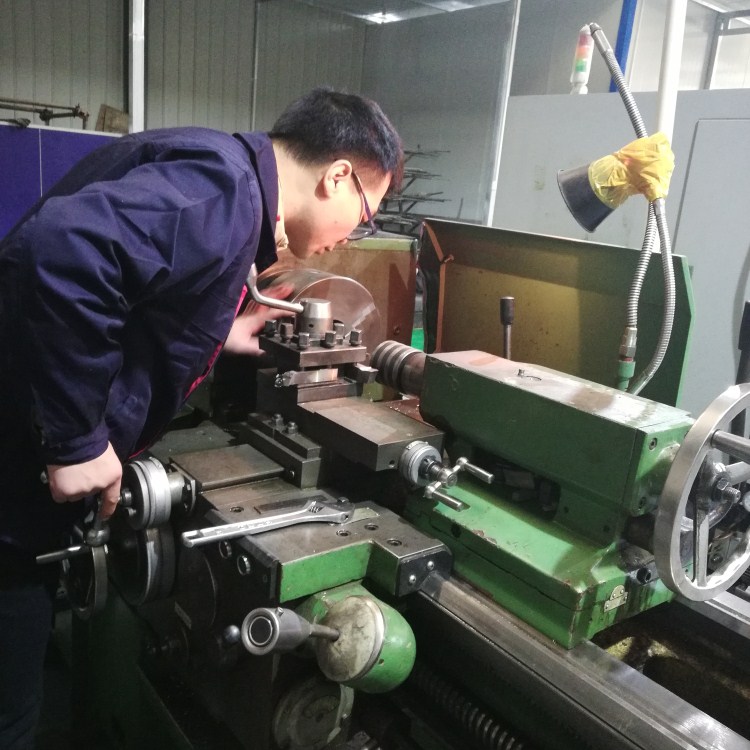
Sponge-to-Screw Traceability
Unlike secondary machine shops buying fragmented open-market rods, our manufacturing line connects directly with state-certified sponge titanium melting foundries. Every master coil of Ti-6Al-4V wire undergoes vacuum arc remelting (VAR) to ensure zero interstitial segregation and absolute chemical purity.
- Certified Chemistry: Verified Fe < 0.25%, O < 0.20%, H < 0.0125% per ASTM B348.
- Integrated Tooling: Proprietary tungsten carbide dies formulated specifically for high-strain titanium cold heading.
- In-House Metallurgical Labs: Spectrometric analysis, Vickers micro-hardness testing, and optical micrograph validation on each heat.
Dual-Path Manufacturing
High-speed cold heading stations for high-volume standard DIN912/DIN6921 bolts paired with 5-axis Swiss CNC turning centers for low-volume custom geometries down to 0.005mm concentricity.
Rapid Engineering Response
Dedicated mechanical engineering staff reviews 3D CAD models (STEP/IGES/DWG) within 60 minutes during standard shifts. Manufacturability analysis (DFM) includes fillet stress mitigation and thread runout optimization.
Batch-Level Certification
Every commercial shipment includes complete EN 10204 3.1 inspection certificates, covering spectroscopic chemical breakdown, elongation tensile graphs, and optical thread pitch verification records.
Future Sourcing & Procurement Trends in Titanium Hardware
Global manufacturing disruption, lightweighting initiatives in battery electric vehicles (BEVs), and the rise of carbon-composite structural assemblies are transforming the role of titanium fasteners from niche hardware to strategic system components.
The Electric Vehicle Hyper-Lightweighting Shift
Automotive Tier-1 suppliers are actively replacing conventional 10.9 steel suspension, motor mount, and battery tray enclosure fasteners with Grade 5 titanium. Cutting un-sprung and structural mass directly extends battery range without altering battery pack chemistry. China’s volume scale provides the unit economics necessary for commercial automotive feasibility.
Carbon-Composite Galvanic Compatibility
As carbon-fiber reinforced plastics (CFRP) dominate high-performance aerospace and maritime structures, aluminium and zinc-plated steels are ruled out due to violent galvanic decay. Titanium occupies a compatible galvanic potential with graphite carbon, eliminating the need for bulky non-conductive isolator sleeves.
Digital ERP Integration & Automated RFQs
International procurement leaders now bypass fragmented middlemen through direct API and EDI order integration with primary Chinese plants. This data-driven supply channel reduces quoting latency from weeks to hours and allows real-time lot production visibility across global delivery hubs.
Technological Innovations in Titanium Fastener Forming
Fabricating fasteners from alpha-beta titanium requires strict process control. Unlike mild steels that flow readily at ambient temperatures, Ti-6Al-4V exhibits strong work-hardening characteristics and a tight plastic deformation window.
Thread Rolling vs. CNC Thread Single-Pointing
For structural and dynamic load applications, thread creation method is critical. Our production line uses cold and warm rolling between high-precision circular reciprocating dies instead of cut or single-pointed machining.
- Continuous Grain Alignment: Rolling deforms the titanium matrix plastically without severing longitudinal metallurgical fibers.
- Compressive Residual Stress: Induces continuous compressive stresses at the root of the thread, raising cyclic fatigue thresholds by over 300%.
- Root Radius Integrity: Controlled UNJ and MJ aero-profile thread roots minimize notch stress concentration under extreme vibrational loads.
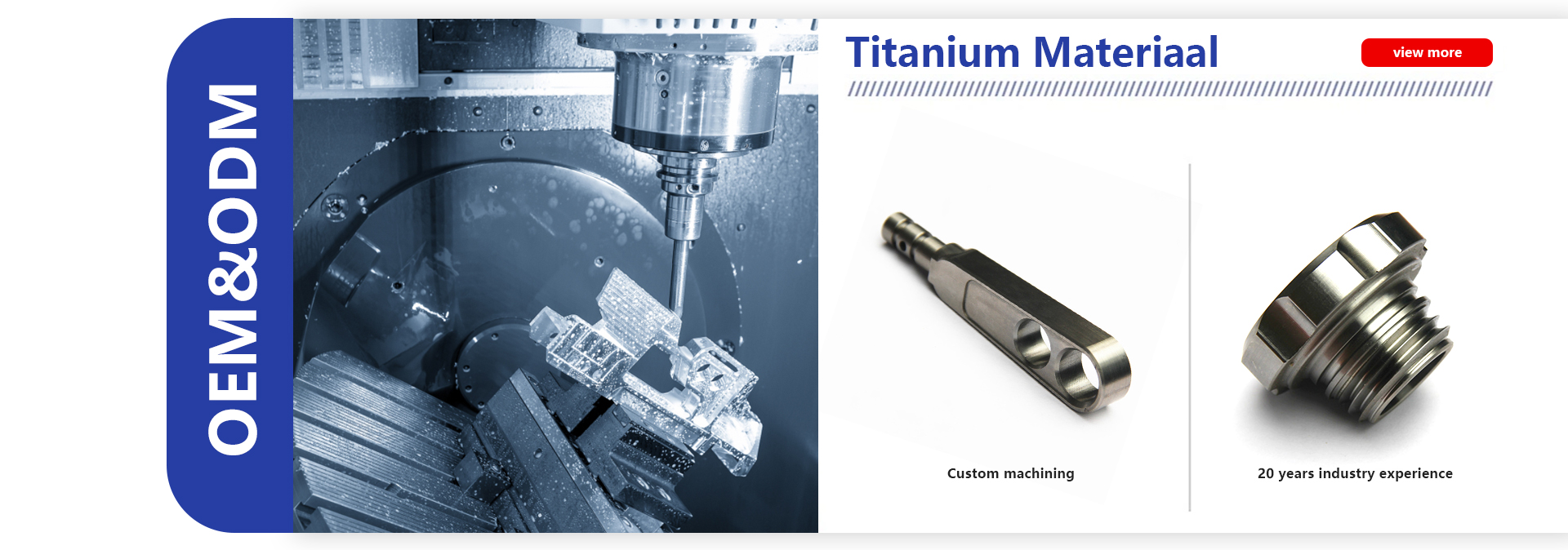
PVD Magnetron Sputtering
Deposition of Titanium Nitride (TiN), Diamond-Like Carbon (DLC), and Titanium Aluminium Nitride (TiAlN) coatings creates an ultra-hard surface barrier (HV > 2500) that eliminates galling and increases wear resistance.
Controlled Anodizing Layers
Type II industrial hard anodizing provides anti-galling properties by growing a compact oxide film, while Type III decorative anodizing utilizes thin-film optical interference to produce vibrant colors without pigments or dyes.
Vacuum Hydrogen Degassing
To eliminate hydrogen embrittlement risks, high-tensile Gr5 fasteners undergo secondary thermal degasification in high-vacuum chambers (10⁻³ Pa) at 600°C–650°C, lowering internal hydrogen content well below ASTM caps.
State-of-the-Art Production & Global Verification
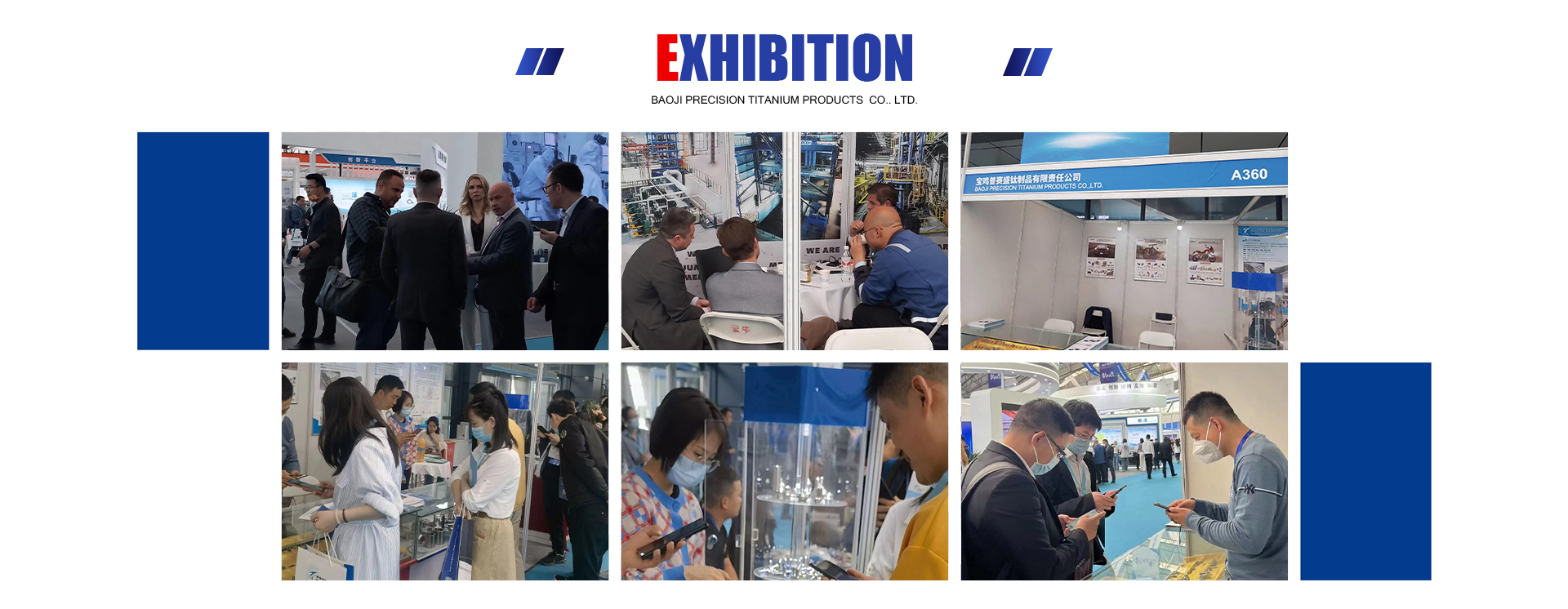
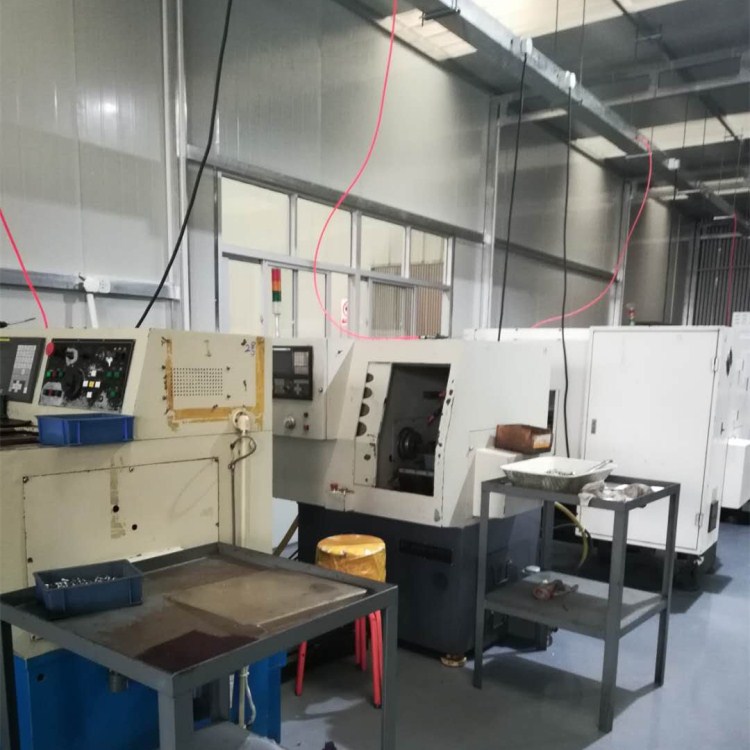
Transparent factory auditing forms the bedrock of long-term export relationships. Navzo maintains fully documented production lines open to third-party verification agencies including SGS, TÜV Rheinland, and Bureau Veritas.


Industrial Sourcing & Engineering FAQs
Direct answers to the most critical metallurgical, logistics, and quality assurance questions asked by international fastener distributors and mechanical procurement managers.