High-Precision Grade 5 Titanium Fastener Portfolio
Engineered via cold heading and thread-rolling techniques from certified Ti-6Al-4V aeronautical wire stock. Built for structural weight mitigation, high cyclic fatigue thresholds, and corrosive environment survivability.
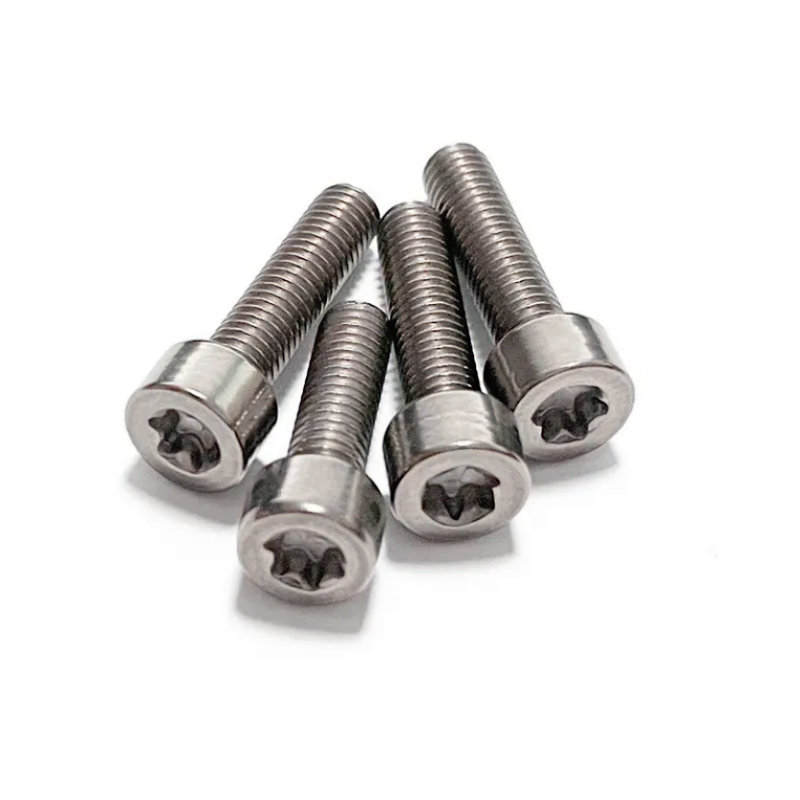
Gr5 Titanium Screws Titanium T30 Torx Bolts for Motorcycle
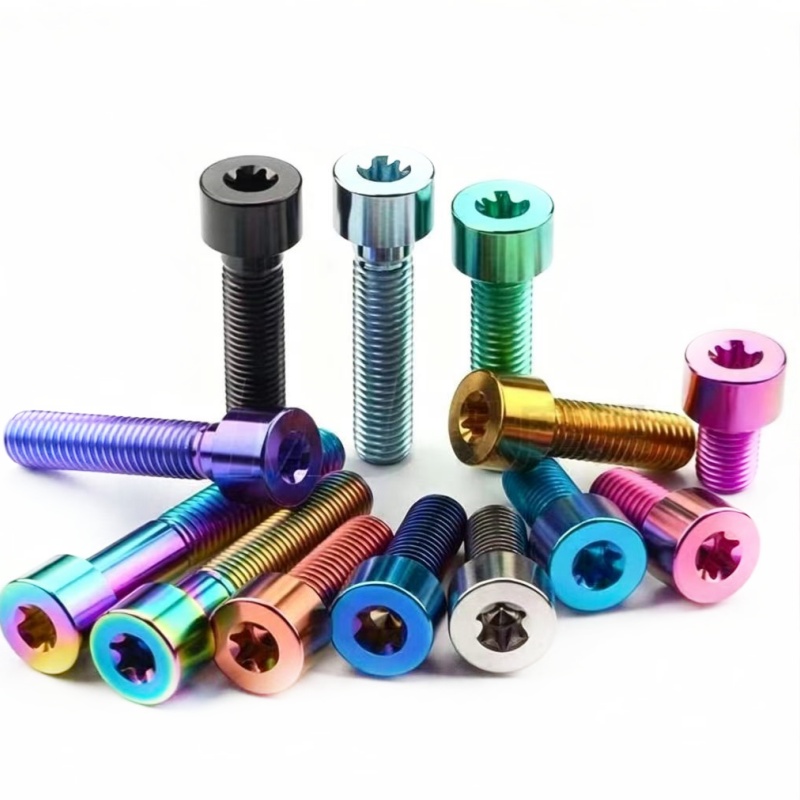
DIN912 M5 Titanium Socket Head Cap Screw Titanium Alloy Bolt
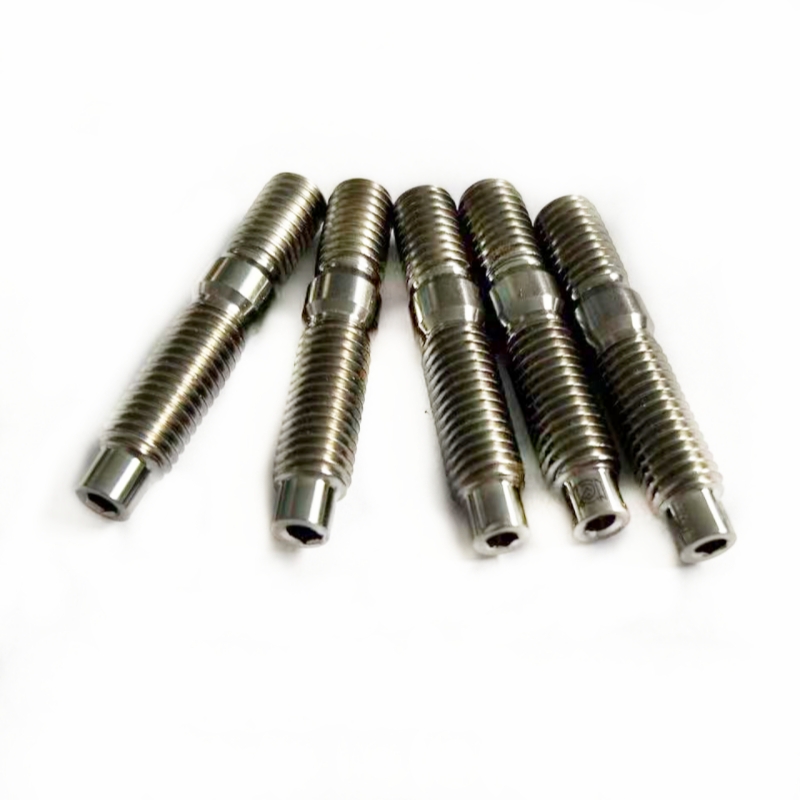
GR5 Titanium Exhaust Manifold Stud Bolt Polished M8*1.25*45
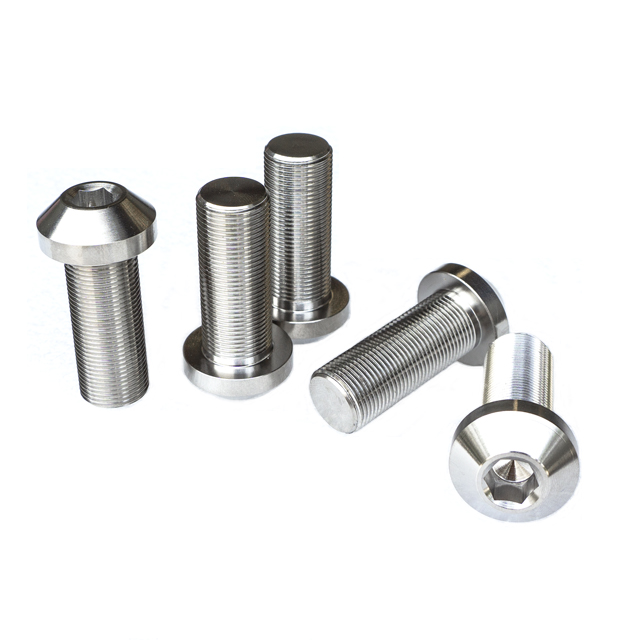
GR5 Titanium Bolts M14*1.0*35mm Umbrella Head Hex Socket Bolts
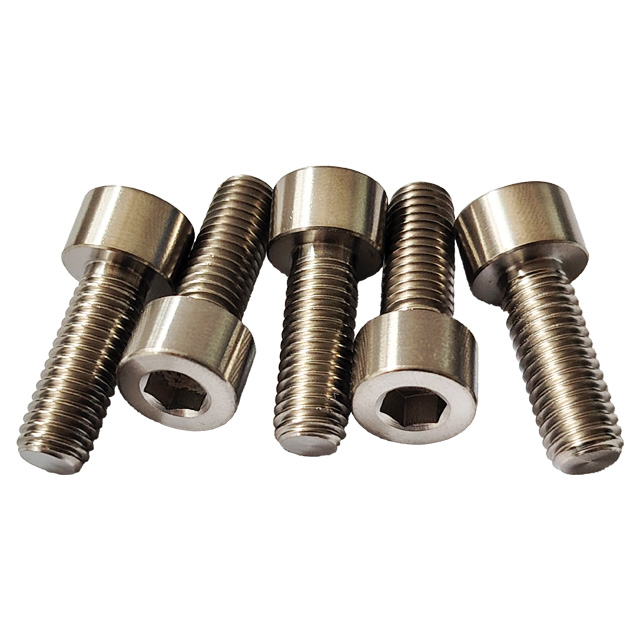
GR5 Titanium Bolts M8*25mm Cylindrical Head Hex Socket Bolts
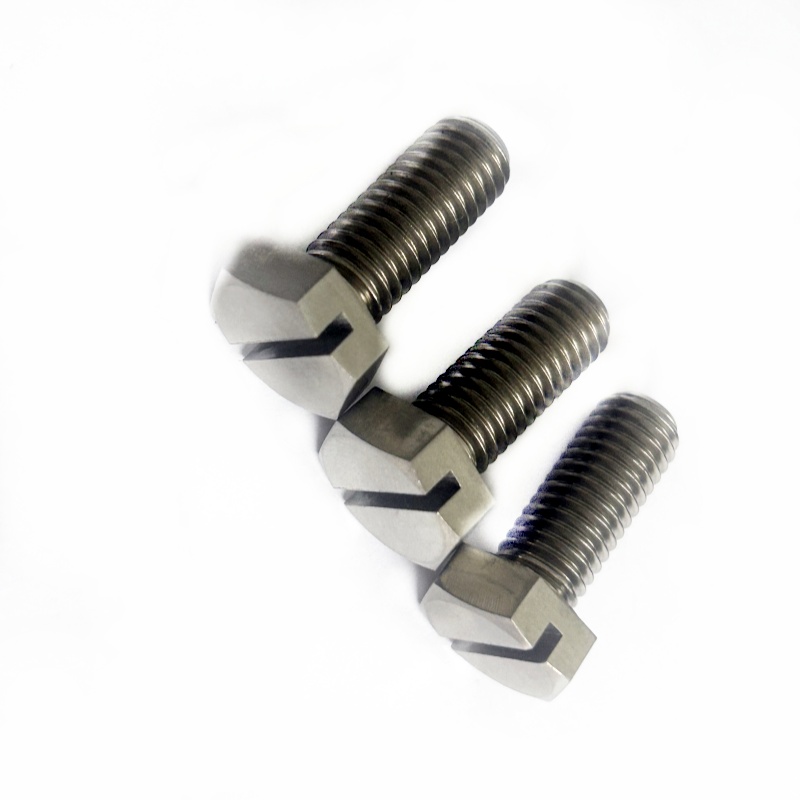
OEM Precision CNC Machined Titanium Slotted Hexagonal Screw
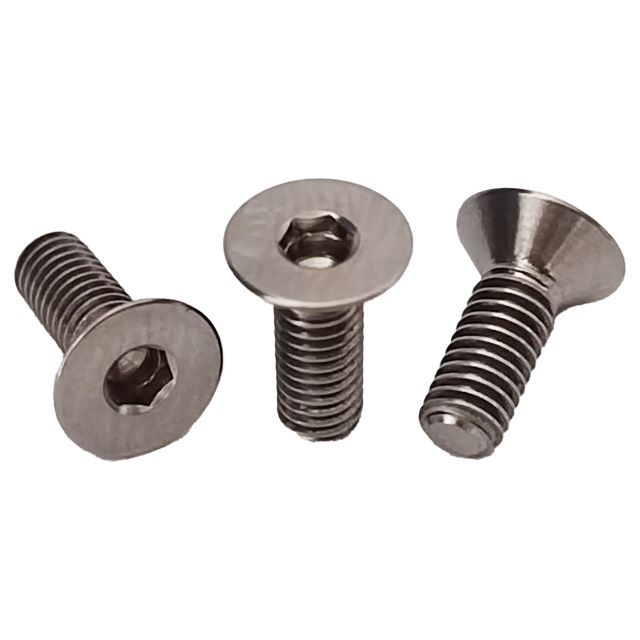
GR5 Titanium Bolts M8*20mm Countersunk Head Hex Socket Bolts
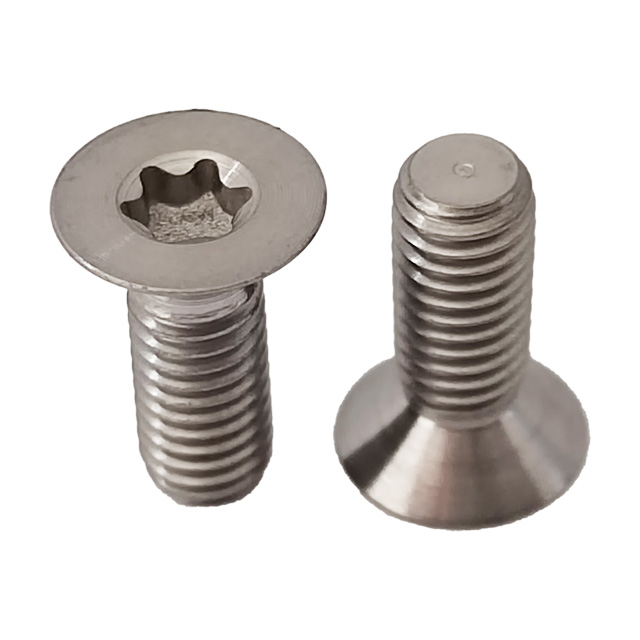
GR5 Titanium Bolts M5*13mm Countersunk Head Inner Torx Bolts
Metallurgical Architecture of Ti-6Al-4V (Grade 5)
Why Tier-1 industrial buyers replace stainless steel and carbon alloy steel with Grade 5 Titanium for mission-critical assemblies.
| Material Designation | Alloy Crystal Matrix | Density (g/cm³) | Min. Tensile (MPa) | Min. Yield (0.2% MPa) | Shear Modulus (GPa) | Corrosion Resistance | Fatigue Endurance Limit |
|---|---|---|---|---|---|---|---|
| Grade 5 Titanium (Ti-6Al-4V) | Dual-Phase Alpha + Beta (α+β) | 4.43 -44% vs Steel | 895 - 1050 | 828 | 44 | Immune to Cl⁻, Sea Water, HNO₃ | 510 MPa (High Cycle 10⁷) |
| Commercially Pure Grade 2 | Single-Phase Alpha (α) | 4.51 | 345 - 485 | 275 | 41 | Exceptional (Chemical Vessels) | 210 MPa (Low Structural Load) |
| Austenitic 316L Stainless Steel | Austenitic FCC | 8.00 | 580 - 680 | 290 | 77 | Moderate (Prone to Pitting) | 260 MPa (Stress Corrosion Risk) |
| Alloy Steel Class 10.9 (Quenched) | Tempered Martensite | 7.85 | 1040 | 940 | 80 | Poor (Requires Galvanic Plate) | 490 MPa (Hydrogen Embrittlement) |
| Alloy Steel Class 12.9 (Heavy Machinery) | Tempered Martensite | 7.85 | 1220 | 1100 | 80 | Extremely Vulnerable to Rust | 540 MPa (Severe Hydrogen Risk) |
Strength-to-Weight Optimization
With a density of 4.43 g/cm³ compared to steel's ~7.85 g/cm³, Grade 5 titanium delivers a 44% mass reduction with an equivalent tensile strength exceeding 895 MPa. In rotational automotive drivetrains, unsprung mass reduction directly improves angular acceleration and fuel efficiency.
Grain Continuity via Thread Rolling
Unlike lower-tier cut threads that sever crystalline grain boundaries, our high-tonnage thread rolling machines plastically deform the Ti-6Al-4V bar stock cold. This preserves continuous grain flow along the root contour, inducing beneficial compressive stress that multiplies fatigue cycle limits.
Self-Passivating Oxide Stability
Titanium instantly forms an amorphous, tightly adhering TiO₂ passive film upon atmospheric exposure. This film provides complete immunity against galvanic degradation in carbon fiber assemblies, pitting from road de-icing chlorides, and harsh exhaust combustion acids up to 400°C continuous exposure.
Future Sourcing Trends for Grade 5 Titanium
Market forces shaping global supply lines, pricing dynamics, and technical compliance parameters over the next five years.
Cluster Sourcing Consolidation
B2B procurement teams are shifting away from fragmented intermediary brokers toward vertically integrated direct manufacturers in Baoji, Shaanxi. Consolidating raw sponge melting, forging, and secondary CNC operations eliminates tier markups and reduces lead times from 60 days to under 15 days.
Certified Closed-Loop Recycling
With stringent EU Carbon Border Adjustment Mechanisms (CBAM), buyers require suppliers to utilize clean Vacuum Arc Remelting (VAR) systems that blend high-purity virgin sponge with qualified, aerospace-segregated titanium turning scrap, cutting embodied carbon emissions by up to 38%.
Shift from Hex to Torx-Plus / Bi-Hex
High-torque assembly automation in EV battery packs and aerospace airframes requires drives that prevent cam-out damage. Fastener procurement is pivoting rapidly toward 12-point bi-hexagonal flange nuts and Torx-Plus (IP) geometries capable of handling 25% higher seated installation torque.
Digital Traceability & 3.1 MTR Verification
Modern quality assurance demands batch-level spectrochemical tracking. Importers now demand optical barcode laser marking directly onto fastener heads matching EN 10204 Type 3.1 Material Test Reports to verify vanishingly low interstitial elements (Oxygen < 0.20%, Hydrogen < 0.015%).
Product Innovation & Technological Trajectory
Overcoming the historical limitations of titanium fasteners through modern surface metallurgy and precision CNC tooling advances.
Anti-Galling Thin-Film PVD
Titanium-to-titanium thread contact has historically been prone to cold welding and galling under high pre-load torque. We deploy Physical Vapor Deposition (PVD) titanium aluminum nitride (TiAlN) and diamond-like carbon (DLC) micro-coatings that reduce thread friction coefficients down to μ = 0.10.
Weight-Optimized Shank Coring
Utilizing high-speed deep-hole gundrilling on 7-axis CNC centers, our lightweight fasteners feature hollow internal channels within non-critical stress axes. This proprietary geometry eliminates an extra 15% to 22% of fastener deadweight without compromising head-to-shank shear resistance.
Anodic Spectrum Calibration
Electrochemical color anodization relies on micro-voltage bath regulation (15V to 110V) to grow a transparent titanium dioxide optical interference stratum. By controlling electrolyte temperatures within ±0.5°C, we achieve uniform gold, burnt blue, emerald, and purple finishes across 100,000-piece orders.
Warm Heading of High-Strength Ti
Because room-temperature cold heading of Ti-6Al-4V can induce micro-cracking at bolt under-head fillets, our production lines utilize induction-assisted warm heading at 650°C–700°C. This preserves ductile head deformation while retaining high tensile strength.
Baoji Strategic Cluster: Direct Mill Advantage
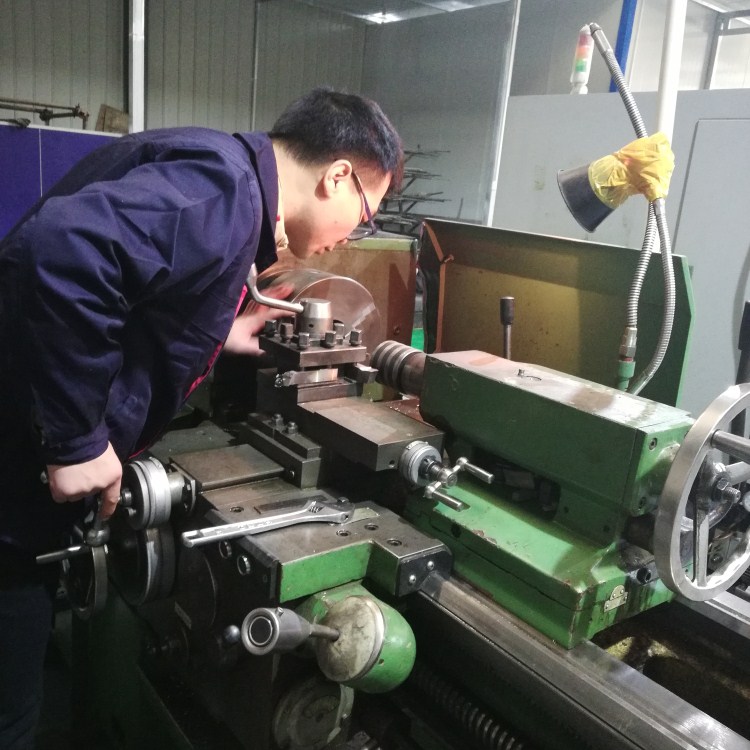
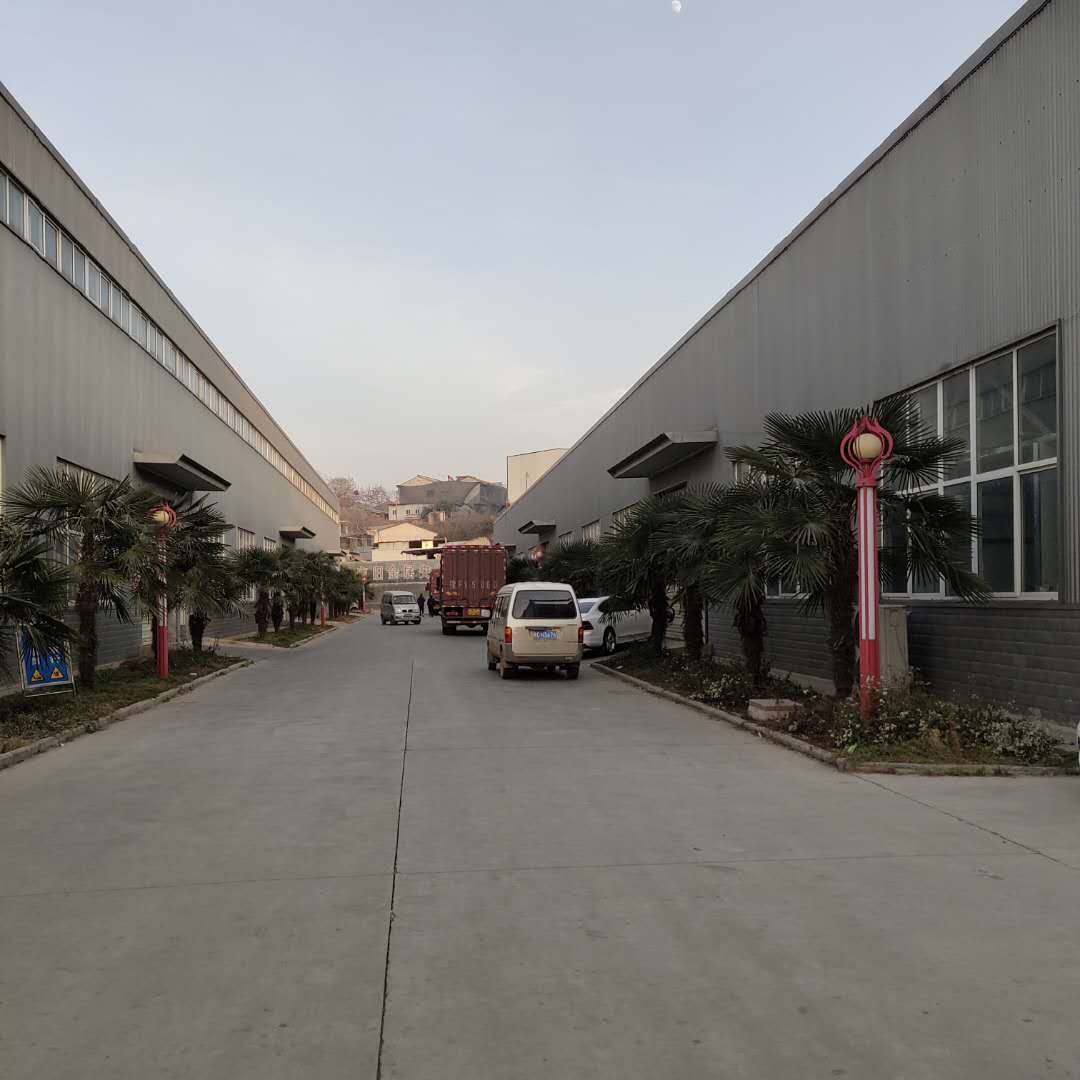
Founded in 2011 on Yucai Road within the High-tech Development Zone of Baoji, Shaanxi—known globally as "China Titanium Valley"—Navzo Precision Titanium Products Co., Ltd. sits at the heart of the world's most concentrated titanium supply chain.
Our localized footprint enables us to source certified, vacuum-melted Ti-6Al-4V bar and coil stock directly from premier Baoji raw material mills. This direct access eliminates downstream warehousing costs, ensures uncompromised melt provenance, and supports rigorous quality verification from raw ingot to finished fastener.
- 100% Raw Material Ingot Traceability
- Multi-Axis Precision CNC Swiss Lathes
- In-House Micro-Arc & PVD Surface Lines
- Key Export Markets: US, DE, JP, KR, RU
- Optical Shadowgraph & CMM Inspection
- Fast Track Sample Production in 5 Days

Frequently Asked Questions by Procurement Engineers
Clear, technical answers to common queries encountered during supplier audits, technical evaluations, and contract placement.
Q1: How do you prevent thread galling during installation of Grade 5 titanium fasteners?
Titanium readily forms galling friction when mated against another titanium or stainless surface due to its adhesive molecular structure. We recommend applying an anti-seize paste containing molybdenum disulfide (MoS₂), copper, or nickel flakes. For production environments where liquid lubes are prohibited, we supply fasteners treated with dry-film anti-friction PVD coatings or specialized micro-arc oxidation layers that maintain a stable friction coefficient of μ = 0.12 without messy greases.
Q2: What torque-tightening values should be applied compared to Class 8.8 and 10.9 steel?
Ti-6Al-4V fasteners exhibit a tensile yield threshold comparable to Class 10.9 quenched alloy steel (~828–900 MPa) but possess an elasticity modulus of approximately 114 GPa—roughly half that of carbon steel (210 GPa). Consequently, titanium stretches twice as much under an equivalent clamping load, storing substantial mechanical elastic tension. In practice, titanium fasteners require roughly 15% to 20% lower seating torque than dry 10.9 steel to achieve the targeted bolt tension, preventing bolt elongation beyond yield.
Q3: Can Grade 5 titanium bolts be mounted directly in contact with carbon fiber composite structures?
Yes, Grade 5 titanium is fully compatible with carbon fiber reinforced polymers (CFRP). Carbon fiber has a noble electrochemical potential similar to passivated titanium, meaning the galvanic potential differential is virtually zero (less than 0.10V). Unlike aluminum and alloy steel, which suffer severe galvanic degradation when paired with carbon laminates, Ti-6Al-4V eliminates cathode-anode corrosion in aerospace composite airframes and hypercar chassis.
Q4: How does Navzo certify raw material authenticity and batch integrity?
Every production run of fasteners and CNC components is traceable to a specific vacuum arc remelted (VAR) ingot. Each lot is supplied with an EN 10204 Type 3.1 Inspection Certificate detailing spectrochemical element breakdown (including interstitial elements: C, Fe, N, O, H) and destructive mechanical tensile, yield, and elongation test results. We cross-verify hardness via Rockwell C testers and verify thread profiles against pitch-micrometers and optical shadowgraphs.
Q5: What are your minimum order quantities (MOQ) and production turnaround cycles?
For standard catalogue fasteners (such as DIN 912 M5/M6/M8 bolts, socket cap screws, and flange nuts), our typical MOQ starts at 100 to 200 units per size, with stock items shipping within 48 to 72 hours. For bespoke OEM/ODM custom components manufactured to CAD drawings (STEP, IGES, DWG, PDF), initial pre-production sample batches are ready in 5 to 7 working days, with mass production runs scaling from 1,000 to 500,000 pieces completed within 15 to 25 days.
Q6: Which surface treatment is best suited for motorsport vs marine vs industrial chemical use?
For motorsport and performance racing, PVD hard-coating (Black DLC or TiAlN) and Burnt Blue heat-treatment provide superior scratch resistance, cosmetic appeal, and heat tolerance. For deep marine and subsea environments, raw vibro-polished or sandblasted native titanium is ideal because the natural self-healing TiO₂ film provides superior saltwater immersion protection. For medical and analytical equipment, clean chemical pickling or ultrasonic passivation ensures zero surface cross-contamination.
Ready to Request an Engineering Quote & Sample Lot?
Submit your 2D/3D component drawings (PDF, STEP, DWG) or standard size specifications. Our technical engineering team reviews manufacturing tolerances, material grades, and export pricing within 1 hour during business operations.