High-Performance GR5 (Ti-6Al-4V) Fastener Portfolio
Precision cold-headed and CNC rolled-thread titanium fasteners engineered for automotive racing, motorsport chassis, aerospace brackets, marine engineering, and ultra-light bicycle builds.
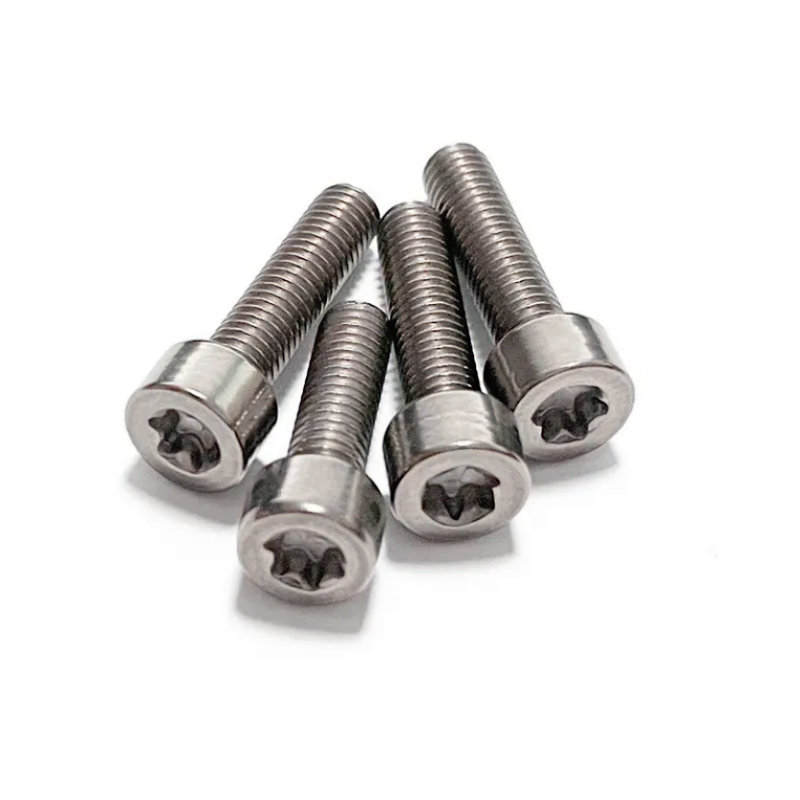
Gr5 Titanium Screws Titanium T30 Torx Bolts for Motorcycle
Optimized star drive engineered to eliminate cam-out during rapid assembly. Built specifically for high-vibration motorcycle brake caliper mounts and fairing chassis joints.
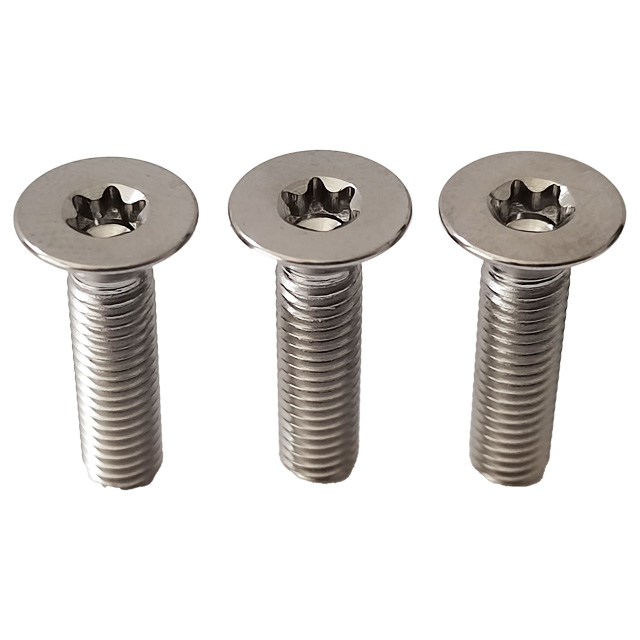
GR5 Titanium Bolts M5*20mm High Quality Countersunk Head Hex Socket Bolts Factory Price Round Head Allen Screws
Flush-mount flat head design for aero-critical racing panels, bicycle cockpit assemblies, and precision robotic chassis demanding frictionless aerodynamics.
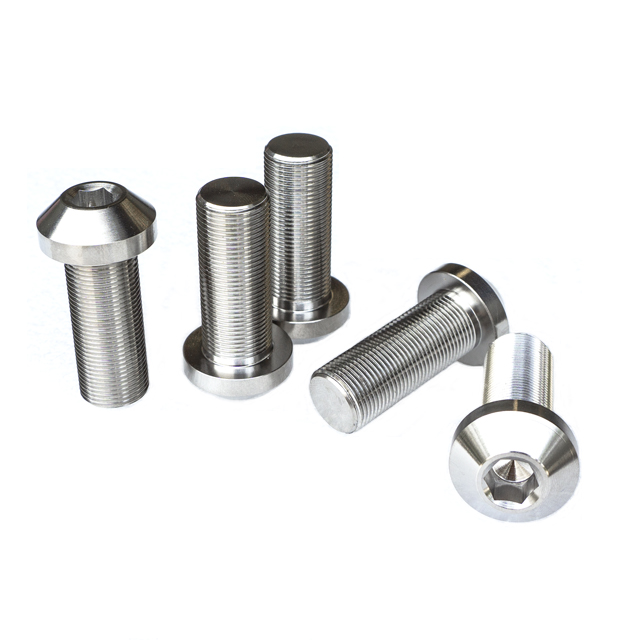
GR5 Titanium Bolts M14*1.0*35mm High Quality Umbrella Head Hex Socket Bolts Factory Price Tapered Head Inner Hex Screws
Extra-wide umbrella flange head distributes high clamping forces over delicate composite components without requiring auxiliary structural washers.
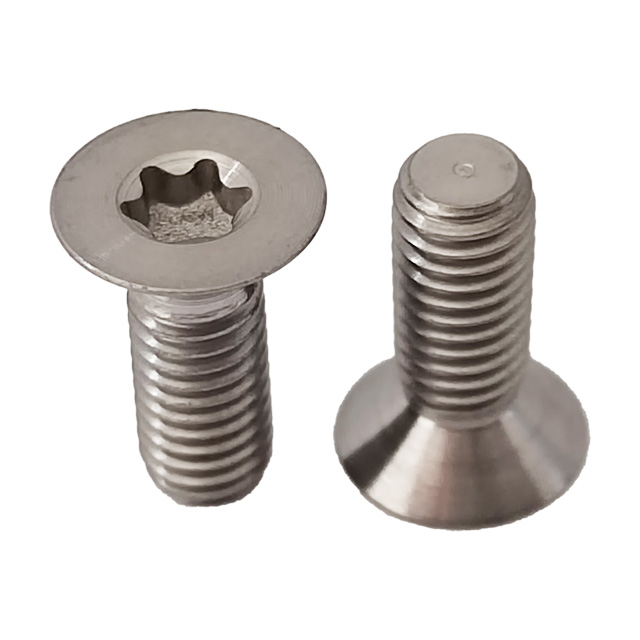
GR5 Titanium Bolts M5*13mm Lightweight Countersunk Head Inner Torx Bolts Factory Price Flat Head Inner Plum Screws
Compact Plum/Torx flat head screw manufactured through Swiss precision turning. Delivers zero drag profile and outstanding shear-strength-to-weight ratio.
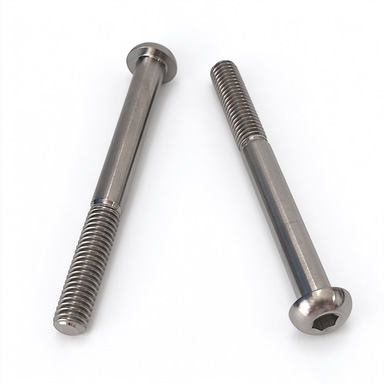
GR5 Titanium Bolts M6*60mm Factory Price Button Head Hex Socket Bolts High Quality Semi-Round Head Allen Screws
Extended length button-head configuration engineered for structural powertrain housings, suspension linkages, and lightweight tubular frame assemblies.
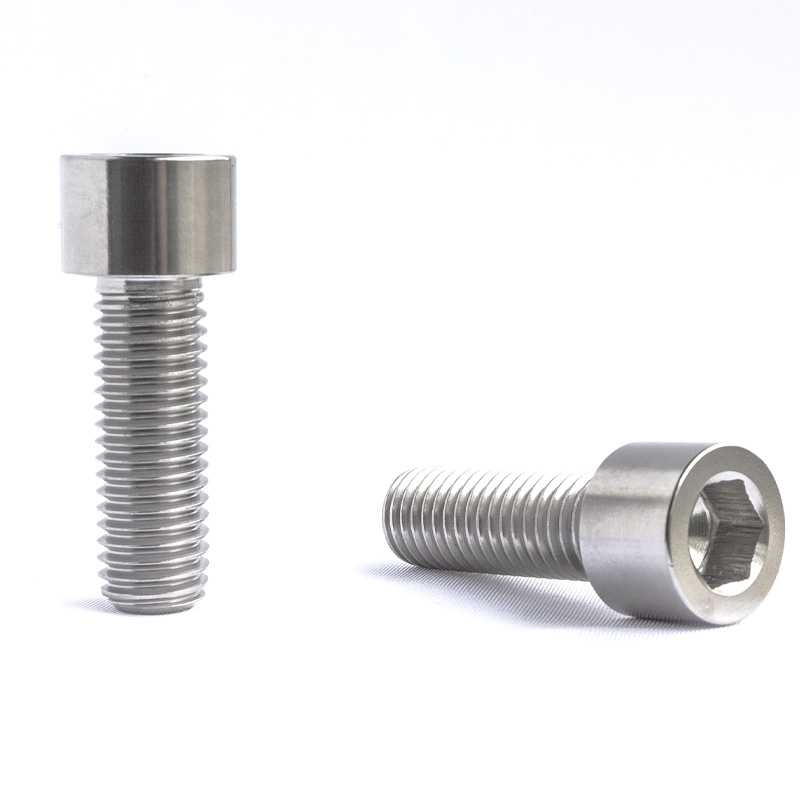
GR5 Titanium Bolts M12*45mm Factory Price Cylindrical Head Hex Socket Bolts High Strength Cap Head Allen Screws
Substantial cylindrical cap head design capable of handling high pre-load torque without wall yield or hex broach deformation in heavy automotive conversions.
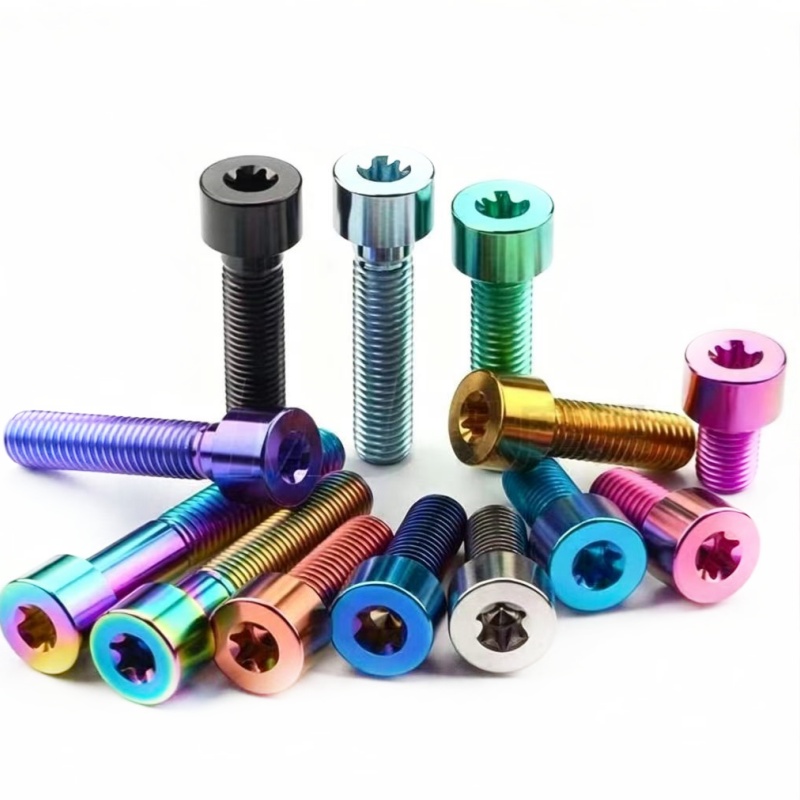
DIN912 M5 Titanium Socket Head Cap Screw Titanium Alloy Bolt for Motorcycle New Energy Aviation Medical Bicycle Modification
Universal industrial benchmark DIN 912 fastener. Multi-market certified for aviation instruments, surgical apparatus bracing, and clean-energy battery assemblies.
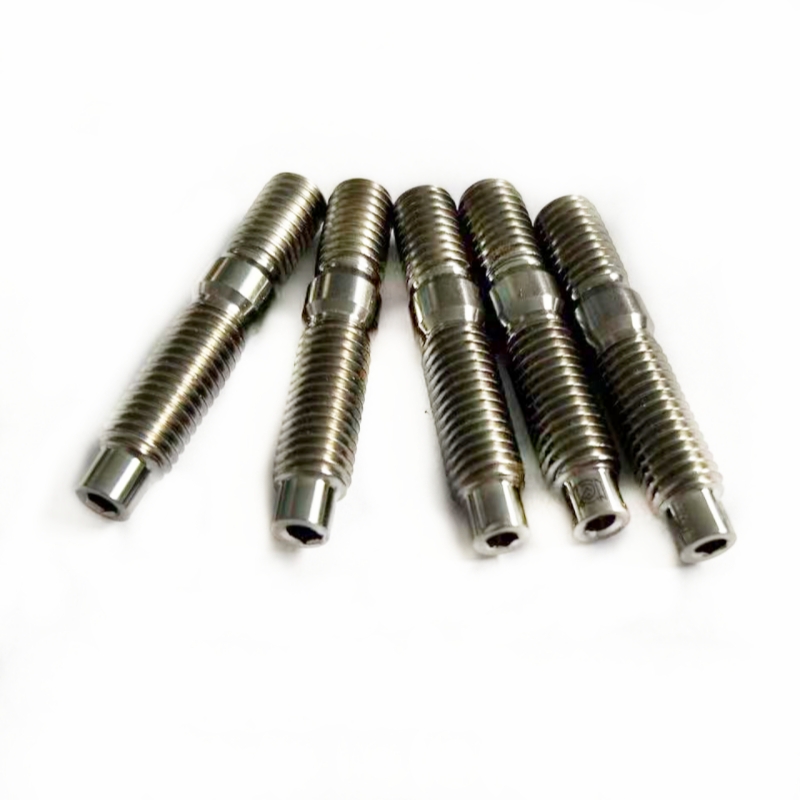
GR5 Titanium Exhaust Manifold Stud Manifold Bolt Polished Finish in Stock M8*1.25*45
Engineered for extreme thermal cycling without thread seizure or oxidation scale. Eliminates stud snapping issues common to OEM steel turbo and manifold flanges.
Engineering Anatomy of GR5 (Ti-6Al-4V) Fasteners
A rigorous examination of why Ti-6Al-4V remains the quintessential fastener alloy for critical structural connections where failure is not an option.
Alpha-Beta (α-β) Microstructure: The Key to Balanced Mechanical Performance
GR5 (UNS R56400 / Werkstoff 3.7165) contains 6% aluminum (alpha stabilizer) and 4% vanadium (beta stabilizer). This dual-phase lattice achieves an optimal balance between exceptional tensile strength (>895 MPa), elastic flexibility (modulus of 114 GPa), and fatigue resistance. Unlike commercially pure Grade 2 titanium, Grade 5 can be solution treated and aged, enabling it to match the clamping power of Grade 10.9 structural steel while cutting weight by 44%.
| Alloy & Grade | Density (g/cm³) | Tensile Strength (MPa) | Yield Strength (MPa) | Elastic Modulus (GPa) | Thermal Cond. (W/m·K) | Chloride Pitting Resistance |
|---|---|---|---|---|---|---|
| Navzo GR5 Titanium (Ti-6Al-4V) | 4.43 | 895 – 1050 | 828 – 910 | 114 | 6.7 | Immune (<100°C seawater) |
| Pure Titanium Grade 2 (CP) | 4.51 | 345 – 480 | 275 – 350 | 103 | 16.4 | Immune |
| Austenitic Stainless A2-70 (AISI 304) | 7.90 | 700 | 450 | 193 | 16.2 | Susceptible to Crevice/Pitting |
| Marine Stainless A4-80 (AISI 316) | 8.00 | 800 | 600 | 193 | 16.3 | Moderate |
| High-Tensile Carbon Steel Grade 10.9 | 7.85 | 1040 | 940 | 205 | 42.6 | Rapid Rust / Galvanic Failure |
Rolled vs. Cut Threads
Navzo GR5 bolts feature threads cold-rolled after CNC shank sizing rather than single-point cut. Thread rolling forces the titanium grain flow lines to follow the thread contours unbroken, avoiding micro-notches at the root and enhancing dynamic fatigue life by over 35% under cyclical cyclic loading.
Galling Mitigation Tribology
Titanium exhibits natural surface friction that causes adhesive wear (galling) when mated with titanium or aluminum nuts under high clamp preloads. We eliminate thread galling via specialized surface conversion processes, including micro-arc oxidation, dry-film MoS2 lubricants, and vacuum PVD coatings.
Thermal & Galvanic Compatibility
With an electrical potential and passive oxide layer, GR5 is the single safest metal fastener for assembly with carbon fiber reinforced polymers (CFRP). Unlike steel, titanium generates negligible galvanic potential with graphite fibers, completely halting cathodic delamination and structural rust.
Enterprise Advantages: The Baoji Cluster Synergy
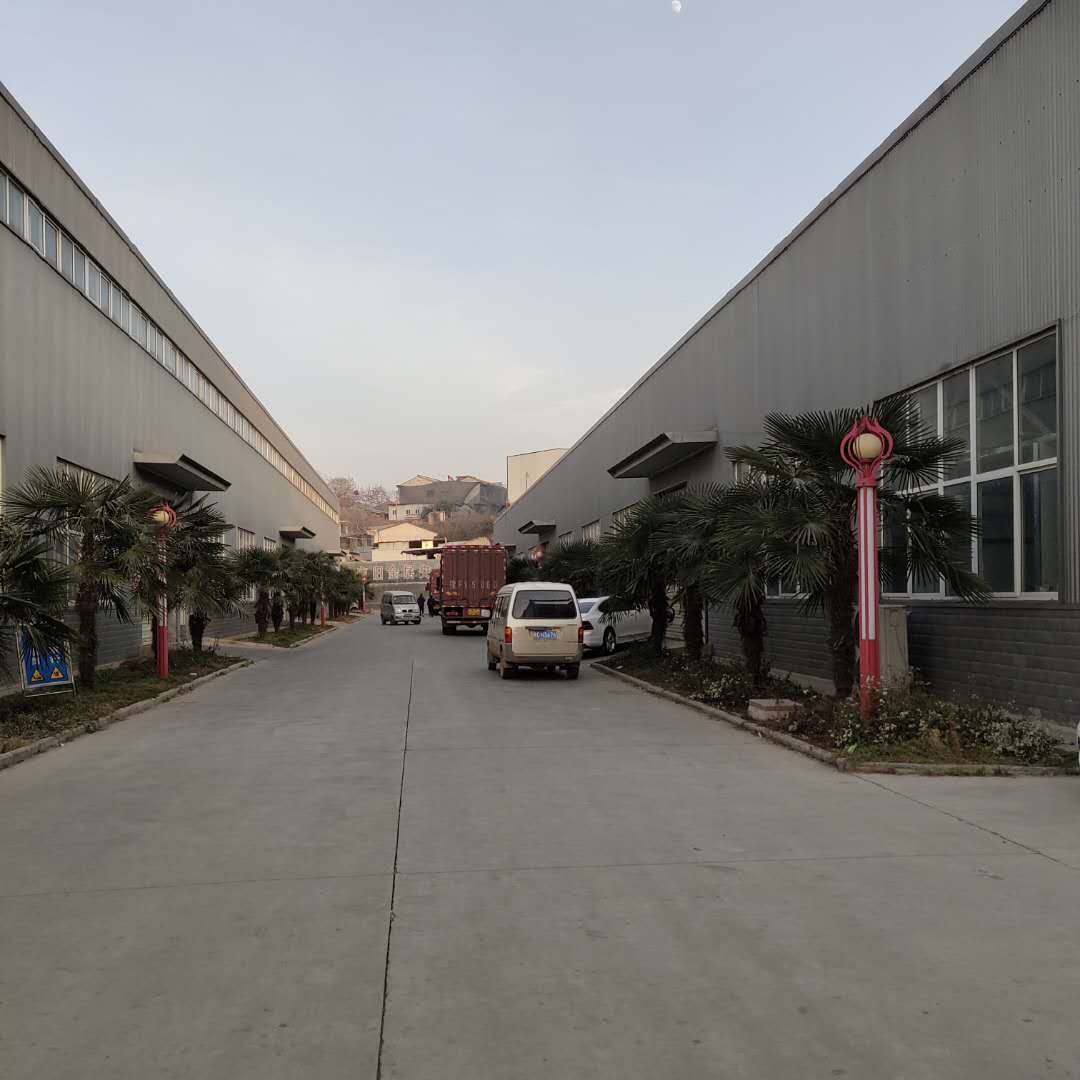
Founded in 2011 in Baoji, Shaanxi — recognized globally as "China Titanium Valley" — Navzo Precision integrates raw material supply, precision metallurgy, multi-axis machining, and complete testing facilities.
Direct Mill Supply of Certified Sponge & Bar
Positioned alongside the nation's premier melting crucibles, we procure raw double-melted and triple-melted VAR titanium ingots with 100% metallurgical traceability to primary titanium sponge, completely bypassing secondary broker markups and counterfeit stocks.
High-Speed Swiss CNC Lathes & Cold Heading
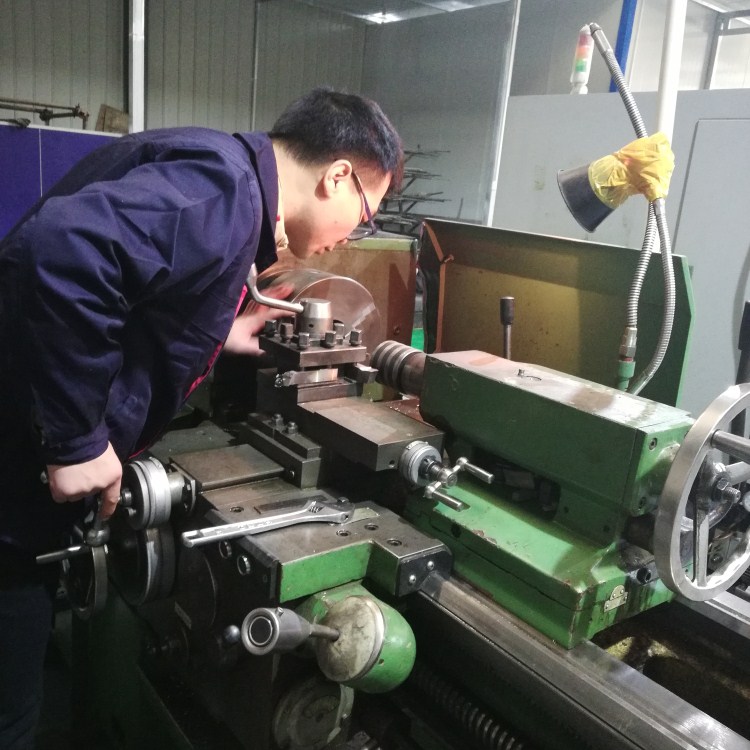
Our workshop pairs multi-die high-speed cold heading units with Citizen and Star Swiss-type 7-axis CNC turning centers. This dual-path infrastructure permits both ultra-low-cost high-volume batch runs and intricate, custom prototype fabrication.
Accredited Optical & Physical Quality Testing
Every shipment is qualified through optical comparators, thread lead micrometers, 3-coordinate CMM inspection, microhardness indenters, and spectral PMI material analyzers to confirm zero defects per ISO 9001 and aerospace standards.
Rapid Engineering Turnaround & Agile MOQ
Our average RFQ response time remains under 1 hour during business hours. We support agile prototyping with lower minimum order volumes (100–200 pcs) alongside monthly container capacities exceeding 5,000,000 fastener units.

Technological Innovations Shaping Titanium Hardware
How cutting-edge surface engineering, multi-axis machining, and additive hybridization are rewriting the specifications for titanium mechanical joints.
Advanced PVD Physical Vapor Deposition
Moving beyond basic decorative anodization, high-stress motorsport and military components increasingly utilize vacuum PVD coatings including Diamond-Like Carbon (DLC), Titanium Nitride (TiN), and Titanium Carbo-Nitride (TiCN). These thin coatings achieve surface hardness levels exceeding 2,500 HV, radically dropping the friction coefficient below 0.15 to permanently eliminate thread seizing under dry torque conditions.
Topology-Optimized Hollow Shanks
By employing ultra-precise deep-hole gun-drilling in combination with finite element analysis (FEA), modern GR5 racing studs and bolts remove passive internal core material that bears minimal tension or shear stress. Hollow-shank architecture sheds an additional 15% to 22% of fastener mass without decreasing structural yield resistance, revolutionizing unsprung hub mass in elite GT3 and Formula class racecars.
Hot-Warm Radial Heading Dynamics
While CP titanium can be readily cold formed, Grade 5's immense yield point historically dictated intensive subtractive turning from solid bar stock. Next-generation multi-stage induction heating heading machinery allows fast, warm-die blanking. This modern hybrid process cuts machining cycle waste by 60%, drastically bringing down bulk wholesale pricing for automotive OEMs.
Global Procurement Trends: 2025–2035 Strategic Sourcing
A roadmap for supply chain directors, procurement managers, and mechanical engineering leads managing long-term fastener allocation strategies.
Electrification & eVTOL Demand Surges
The acceleration of electric vehicles (EVs) and electric vertical takeoff and landing (eVTOL) aircraft is transforming procurement. High battery pack weights require rigorous chassis and suspension lightweighting. Simultaneously, titanium's non-magnetic property prevents electromagnetic interference with high-voltage EV busbars and sensors, driving structural demand from Tier 1 powertrain contractors.
Decoupling From Raw Material Volatility
Titanium sponge pricing is historically exposed to geopolitical swings and aerospace fleet build cycles. Strategic industrial buyers are shifting toward annual frame contracts with established Baoji manufacturers who maintain localized ingot inventories. By hedging through indexed ingot purchase programs, buyers safeguard against sudden 30%+ spot rate spikes.
ESG Transparency & Titanium Scrap Closed Loops
Environmental, Social, and Governance (ESG) compliance directives in Europe and North America now demand documentation of alloy lifecycle carbon intensity. Advanced Chinese producers are utilizing certified vacuum arc remelt (VAR) furnaces that integrate ultra-clean aerospace swarf recycling, decreasing reliance on energy-heavy virgin Kroll-processed sponge and providing verifiable low-carbon fastener supply.
Digital Quality Assurance & 100% Optical Sorting
Manual AQL sample inspection is being replaced by automatic optical inspection (AOI) sorting machines. These automated laser-vision tables scan every individual bolt for pitch accuracy, shank runout, drive head integrity, and microscopic burrs at speeds of 600 pieces per minute. Zero-defect packaging is now a baseline mandate for high-speed automated assembly lines.
Frequently Asked Questions: Technical & Sourcing FAQ
Authoritative, engineering-vetted answers to common technical queries encountered by global procurement agents, engineers, and supply chain managers.
Why is GR5 (Ti-6Al-4V) preferred over GR2 for structural fasteners?
Commercially pure Grade 2 (CP) titanium has an ultimate tensile strength of only 345–480 MPa and a yield of around 275 MPa, which is insufficient for structural joints subject to dynamic shear and cyclic loads. GR5 (Ti-6Al-4V) is an alpha-beta alloy yielding over 828 MPa, with a minimum tensile rating of 895 MPa (often reaching 1,000 MPa in cold-drawn rolled bolts). This gives Grade 5 more than double the structural clamp capacity of Grade 2, allowing it to safely substitute for high-tensile 8.8 and 10.9 steel fasteners.
How does Navzo address thread galling during dynamic torquing?
Titanium naturally builds a passive, microscopic TiO2 film that can micro-weld and tear under thread friction against identical alloys or aluminum tap holes. We mitigate galling through three methods: (1) cold-rolled mirror threads with an ultra-smooth root surface finish (Ra < 0.4 µm), (2) functional PVD or physical anti-friction coatings (DLC, MoS2, or TiN), and (3) supplying custom assembly formulations containing copper, nickel, or fluoropolymer-based anti-seize pastes that regulate the torque nut factor (K-factor between 0.12 and 0.15).
What documentation and certification is provided with bulk wholesale orders?
Every commercial production batch is accompanied by comprehensive EN 10204 Type 3.1 Inspection Certificates. These mill test certificates detail the precise chemical composition (hydrogen, oxygen, nitrogen, carbon, iron, vanadium, aluminum percentages checked by spectrometer) and mechanical test verification (tensile, yield, elongation, and reduction of area). Furthermore, we supply batch-specific dimensional inspection reports, plating thickness verifications, and salt spray exposure records upon request.
Can Navzo manufacture fasteners to custom drawings (OEM/ODM)?
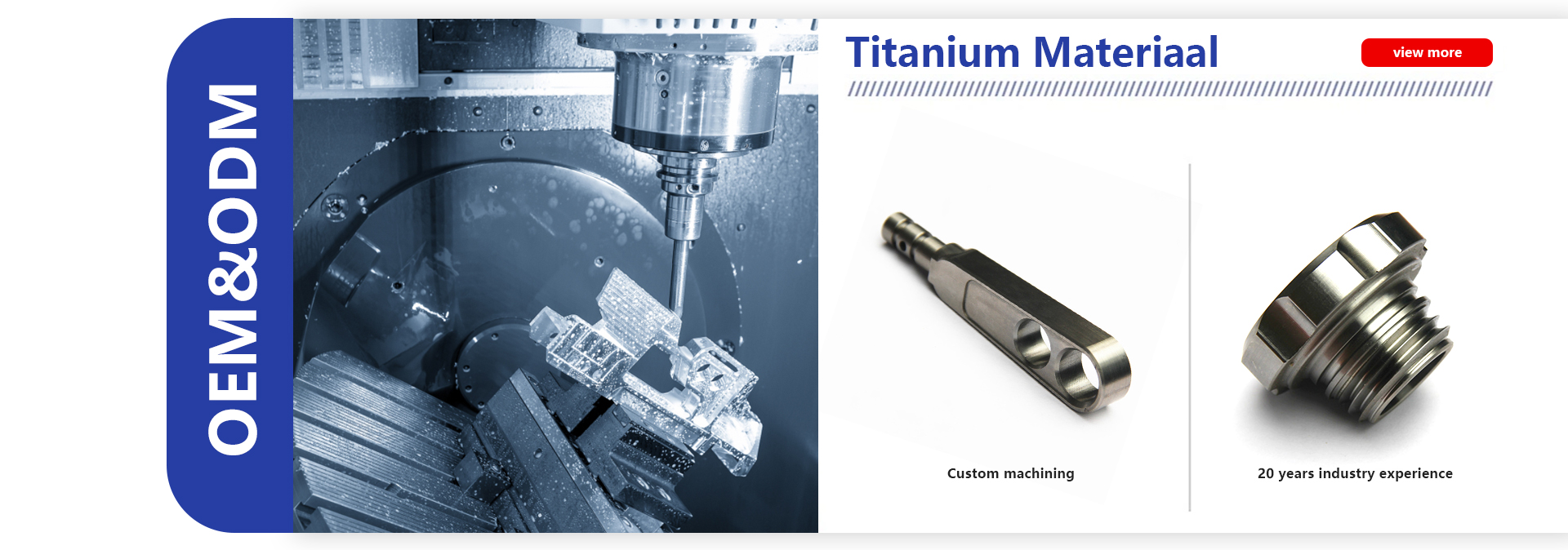
Yes. Custom engineering is a core pillar of our Baoji manufacturing operations. We accept 2D drawings (DWG, DXF, PDF) and 3D models (STEP, IGES, Parasolid). Our mechanical engineers conduct a Design for Manufacturability (DFM) review, examining fillet radii, thread relief grooves, tooling clearances, and surface finish tolerances. We routinely create custom umbrella flanges, drilled lockwire safety holes, internal keyways, and special pitches (e.g., M10x1.0, M12x1.25) with typical prototype tooling times of 10 to 14 days.
What is the difference between Anodizing, Burnt Blue, and PVD finishes?
Anodizing is an electrochemical passivation process that alters the thickness of the transparent surface oxide layer to reflect light into vivid interference colors (gold, purple, cyan, green) without pigments or plating layers. Burnt Blue is an open-atmosphere or furnace thermal oxidation that creates a gradual, iridescent color change popular in performance exhausts. PVD (Physical Vapor Deposition) is a high-vacuum thin-film coating process that bonds vaporized metals (like titanium, carbon, or chromium) to the bolt surface, creating a far harder, scratch-resistant, and chemically inert layer.
What are the minimum order quantities (MOQ) and production lead times?
For standard catalogue metric fasteners in common sizes (DIN 912, DIN 7991, ISO 7380 from M4 to M12), our MOQ is typically 100 to 200 pieces per size, supported by stock inventory ready for express dispatch within 48 hours. Custom CNC machined components or special alloy requirements usually start at 500 to 1,000 units depending on geometry. Mass production runs of 10,000 to 100,000+ units carry an average delivery window of 20 to 30 calendar days, complete with export-grade vacuum or anti-static blister packaging.
Request Our Comprehensive GR5 Fastener Catalog & Technical Manual
Access extensive engineering drawings, complete torque-tension charts, material cert examples, wholesale bulk price matrices, and bespoke OEM manufacturing guidelines.