Featured Titanium Screws, Studs & Engineered Fasteners
Direct factory configurations manufactured under ISO 9001 and aerospace standards from verified Ti-6Al-4V Grade 5 billets.
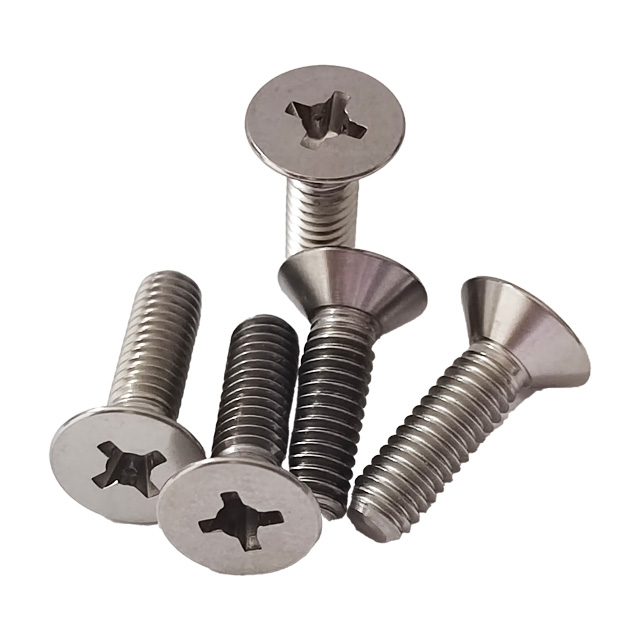
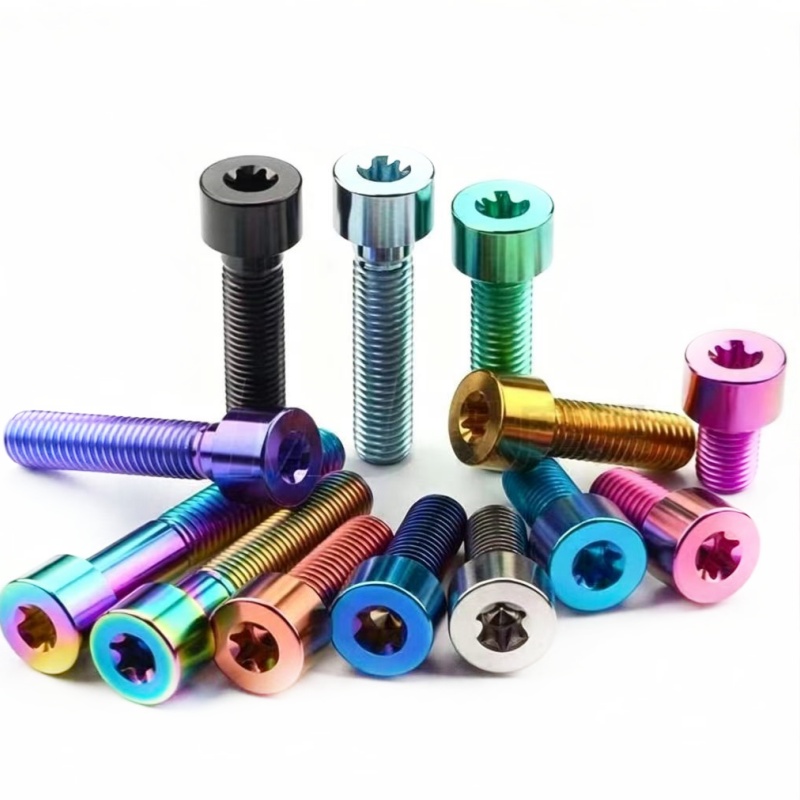
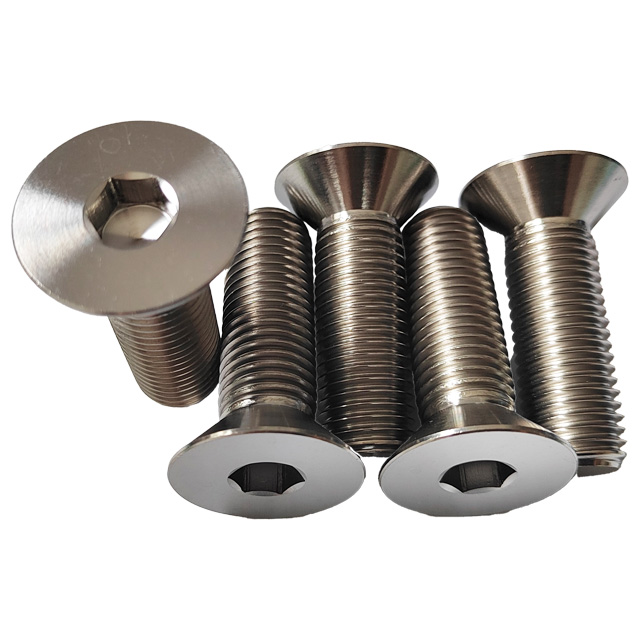
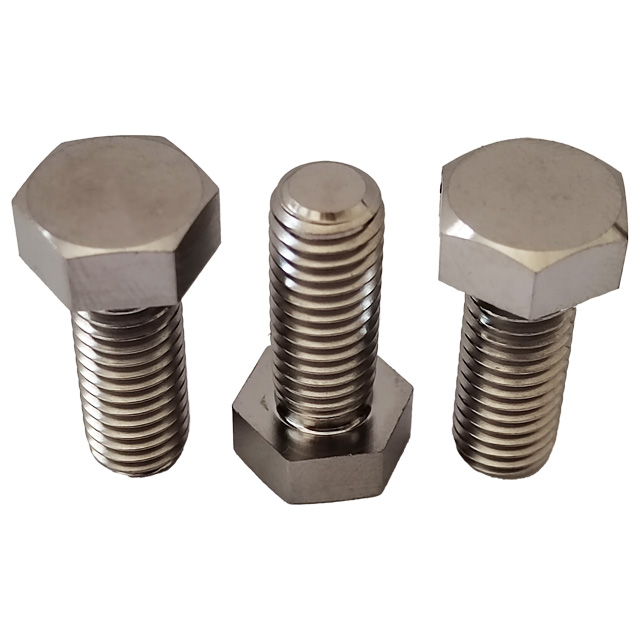
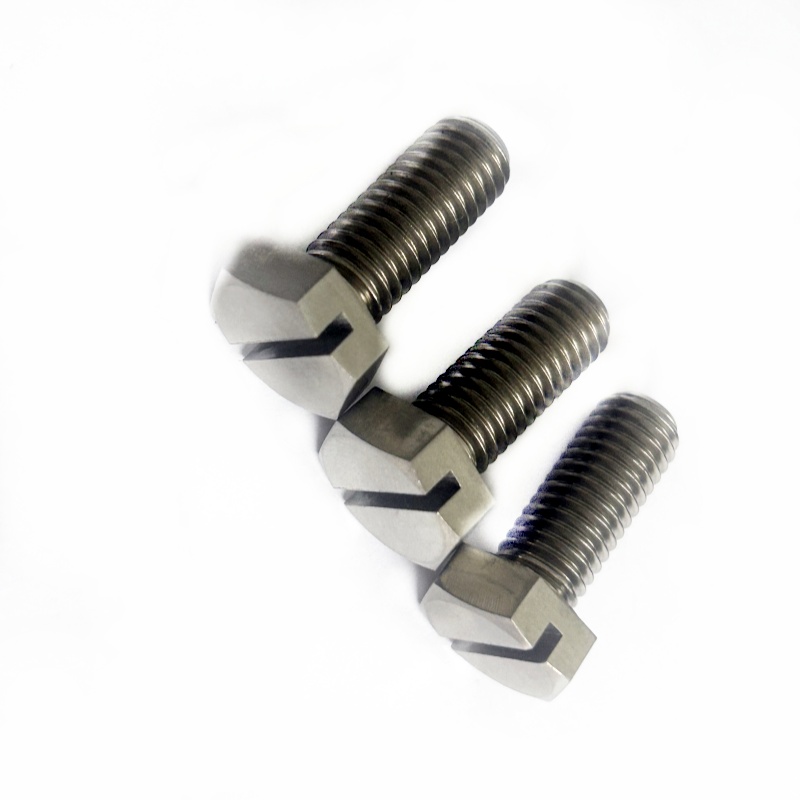
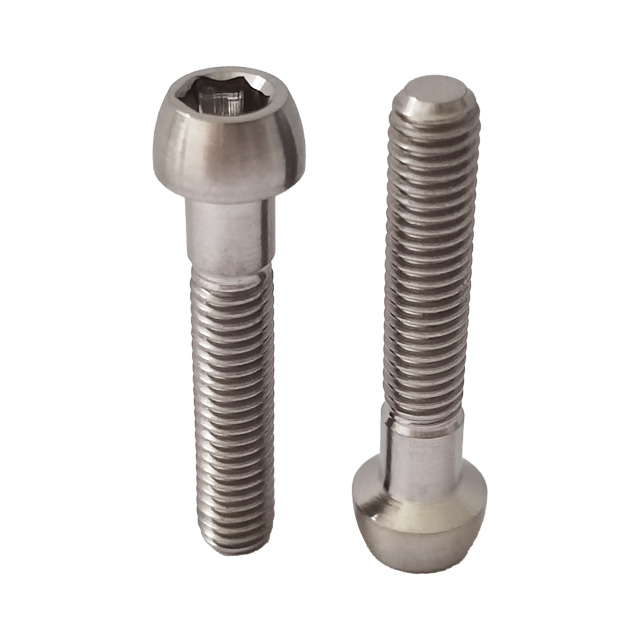
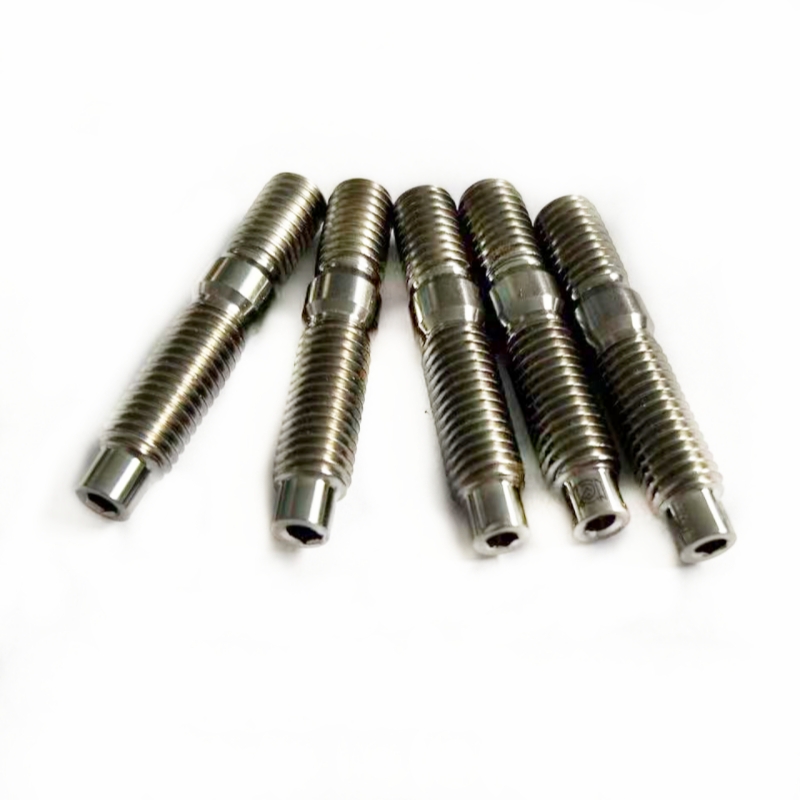
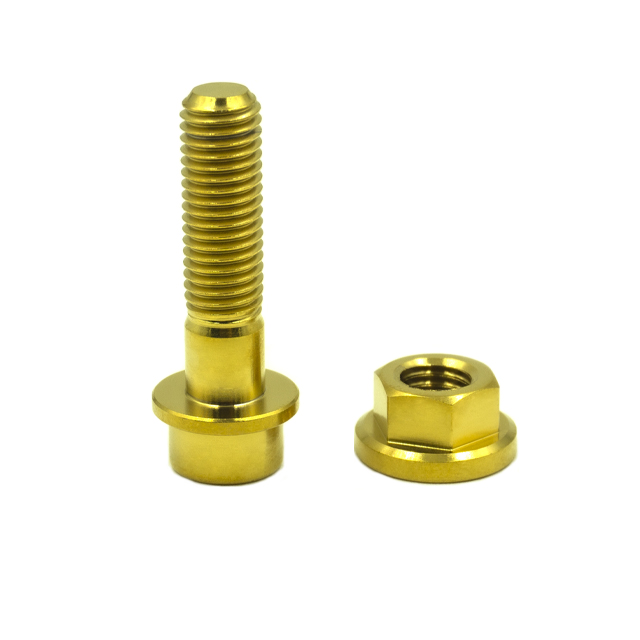
High-Torque Internal Star Drives & Ti-6Al-4V Metallurgy
In modern mechanical design, selecting the optimal fastening architecture is critical when balancing weight reduction, joint integrity, and assembly automation. Fasteners are no longer simple hardware; they represent a fundamental load path where joint relaxation, cyclic fatigue, or stress corrosion cracking can cause system failures. Specifying Titanium Torx Screws (ISO 10664 internal hexalobular drive) manufactured from Grade 5 Titanium (Ti-6Al-4V, UNS R56400 / ASTM B348) offers substantial mechanical and operational advantages over traditional steel, aluminum, or standard hexagonal drive screws.
The physics of the Torx drive system fundamentally changes torque transmission dynamics. Conventional Phillips or slotted drives rely on angled drive walls that generate severe axial separation forces, inherently causing cam-out—where the driver bit slips upward under load, damaging both the fastener head and assembly tooling. While traditional internal hexagonal (Allen) sockets improve upon Phillips drives, they still exhibit a high drive angle of approximately 60°. Under high installation torque, this geometry produces significant radial stress vectors that act outward, bulging the screw head and rounding off internal socket corners.
In contrast, the hexalobular Torx drive profile operates with a driving angle of almost 15°. By aligning torque transfer vectors virtually parallel to the direction of tool rotation, radial spreading forces are minimized. When applied to Grade 5 titanium—a material with a modulus of elasticity of 114 GPa (approximately half that of structural steel at 210 GPa)—the Torx geometry prevents fastener socket wall dilation. This enables robotic torque-to-yield and automated insertion lines to operate at high rotational velocities without thread stripping, drive stripping, or bit wear.
| Material Specification | Density (g/cm³) | Tensile Strength (MPa) | Yield Strength (MPa) | Strength-to-Weight Ratio | Corrosion Rate (Marine/C-Fiber) |
|---|---|---|---|---|---|
| Ti-6Al-4V (Grade 5 Titanium) | 4.43 | 950 – 1050 | 880 – 920 | 214 – 237 kN·m/kg | Negligible (< 0.001 mm/yr) |
| Alloy Steel Class 12.9 (ISO 898-1) | 7.85 | 1220 | 1100 | 155 kN·m/kg | Severe without surface plating |
| Stainless Steel A4-80 (AISI 316) | 7.95 | 800 | 600 | 100 kN·m/kg | Low, prone to crevice attack |
| 7075-T6 Aerospace Aluminum | 2.81 | 570 | 500 | 202 kN·m/kg | High galvanic corrosion rate |
From a metallurgical perspective, Ti-6Al-4V is an alpha-beta dual-phase alloy containing 6% aluminum to stabilize the hexagonal close-packed (α) matrix and 4% vanadium to stabilize the body-centered cubic (β) phase. This crystalline combination provides an exceptional fatigue limit. Navzo utilizes high-speed warm heading and precision thread rolling instead of thread cutting. During cold/warm plastic deformation, continuous titanium grain flow lines follow the thread profile rather than being sheared off as in subtractive CNC turning. Thread-rolled Grade 5 titanium Torx bolts provide up to a 300% improvement in dynamic fatigue cycle life under cyclic mechanical loading.
Why Global OEM Procurement Teams Partner with Navzo
Strategically headquartered in Baoji—China's Titanium Valley—Navzo Precision Titanium combines short raw material supply chains with in-house CNC and cold-forming manufacturing.
Baoji Titanium Hub Proximity
Founded in 2011 in Baoji, Shaanxi, Navzo sits at the center of China's titanium sponge, forging, and bar production cluster. This geographic proximity allows us to source vacuum-arc remelted (VAR) Grade 5 certified bar directly from top-tier mills with complete batch traceability and minimal raw material price premiums.
Integrated Precision Manufacturing
We maintain full control over the complete fastener manufacturing lifecycle: multi-station cold heading, high-speed warm heading, 5-axis Swiss CNC turning, automated thread rolling, vacuum heat treatment, and multi-color anodizing or PVD thin-film coating. This eliminates subcontracting delays and tolerance drift.
Rigorous QA & 3.1 Traceability
Every export production batch is backed by an EN 10204 3.1 Mill Test Certificate verifying chemical composition and physical properties. Fasteners undergo optical sorting machine inspection for 100% thread pitch, concentricity, and socket depth verification, ensuring defect rates below 50 PPM.
≤ 1-Hour RFQ Response
Time-to-market is crucial for global tier-1 and tier-2 manufacturers. Our dedicated engineering sales desk operates with an average response time of under one hour during business windows, offering rapid DFM (Design for Manufacturability) reviews, cost trade-off analyses, and formal 2D/3D quotation files.
Custom OEM/ODM Engineering
Beyond standard ISO 14581, ISO 14579, and DIN 912 standards, Navzo specializes in bespoke engineered titanium hardware. Whether requiring undercut umbrella flange heads, drilled safety-wire shanks, captive washers, or micro-threads down to M1.6, our engineering team turns prototypes around in 3–5 business days.
Proven Export Pedigree (34%+ Reorder)
Ranked among the top bolt suppliers with a 4.9/5 satisfaction index on major international industrial trade portals, Navzo regularly supplies clients across the United States, Germany, the Netherlands, Japan, and South Korea. Our 34%+ verified reorder rate reflects consistent quality and dimensional reliability across long-term contracts.
Global Procurement Trends for Titanium Fasteners (2025–2030)
Procurement managers in motorsport, aerospace, marine, and advanced robotics face shifting supply chain dynamics. The market for lightweight, corrosion-resistant fasteners is transitioning away from ad-hoc secondary machining toward consolidated, direct-from-mill manufacturing partnerships. Several macro trends are shaping procurement strategies through 2030:
1. EV Unsprung Mass Optimization
Next-generation electric hypercars and electric vertical takeoff (eVTOL) aircraft prioritize high-efficiency battery conservation. Replacing suspension, brake rotor (Torx T25/T30), and motor mounting hardware with titanium saves up to 45% of unsprung rotational mass, directly boosting range, handling dynamics, and payload capacity.
2. High-Speed Robotic Insertion
As smart assembly lines transition toward automated multi-axis torque-spindles, fastener drive selection becomes a throughput bottleneck. The industry is standardizing on Torx and Torx Plus designs to eliminate bit-slippage shutdowns, achieve micro-radian angle indexing, and support consistent automated assembly runs.
3. Composite Structure Compatibility
The widespread adoption of carbon fiber reinforced polymers (CFRP) creates severe galvanic corrosion issues with traditional zinc-coated alloy steels. Titanium's open-circuit galvanic potential is practically identical to graphite in carbon composites, making Grade 5 Torx screws the primary choice to prevent joint degradation in marine, aerospace, and defense applications.
Product Engineering & Surface Treatment Developments
Historically, titanium fasteners faced a key operational hurdle: thread galling during dry assembly or high-speed torquing. Titanium forms a spontaneous passivating titanium dioxide (TiO&sub2;) layer. Under extreme sliding contact pressure, this microscopic oxide skin can shear away, allowing bare metal contact that leads to cold-welding and thread seizure.
Navzo has addressed this challenge by integrating modern surface-engineering technologies:
1. Advanced PVD Functional Thin Films: Applying physical vapor deposition (PVD) coatings such as Titanium Nitride (TiN, Gold), Titanium Aluminum Nitride (TiAlN, Charcoal), and Diamond-Like Carbon (DLC, Deep Black) provides a surface hardness exceeding 2500–3200 HV. This hard barrier reduces thread friction coefficients to μ ≤ 0.12, virtually eliminating galling while maintaining standard pre-load torque repeatability.
2. Precision Warm Heading Technology: Forming Grade 5 titanium at temperatures between 650°C and 750°C prevents both grain boundary embrittlement and micro-fissuring around sharp internal star drive corners. This technique delivers clean tool-pocket definition and consistent seating depths for high-speed robotic screwdriving.
3. Weight-Optimized Skeletonized Architecture: Utilizing multi-axis Swiss sliding-head lathes, Navzo manufactures hollow-shank and under-head pocketed titanium Torx fasteners. By machining out unstressed core volumes along neutral mechanical axes, we achieve an extra 10–15% weight reduction while preserving critical cross-sectional shear and tensile strength.
Frequently Asked Questions for Sourcing Titanium Screws
Clear technical answers addressing metallurgy, quality control, galvanic isolation, and order logistics.
Request an Engineering Review & Factory Quote
Connect directly with our engineering sales team in Baoji. Send your 2D CAD prints (PDF, DWG) or 3D models (STEP, IGES) for rapid DFM evaluation, alloy verification, and volume production quotes within one business hour.