Featured GR5 Titanium Bolts, Screws & Flange Nuts
Certified Ti-6Al-4V metric fasteners engineered with cold-rolled microthreads, CNC tolerance controls (±0.01mm), and surface finishes tailored for high-vibration aerospace, racing, and marine applications.
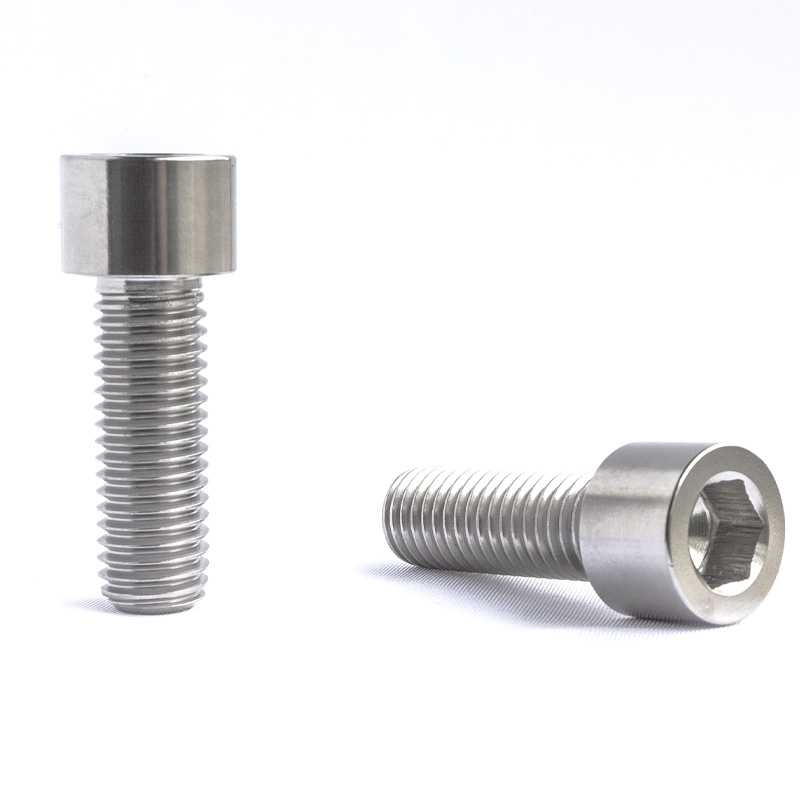
GR5 Titanium Bolts M12*45mm Cylindrical Head Hex Socket Screws
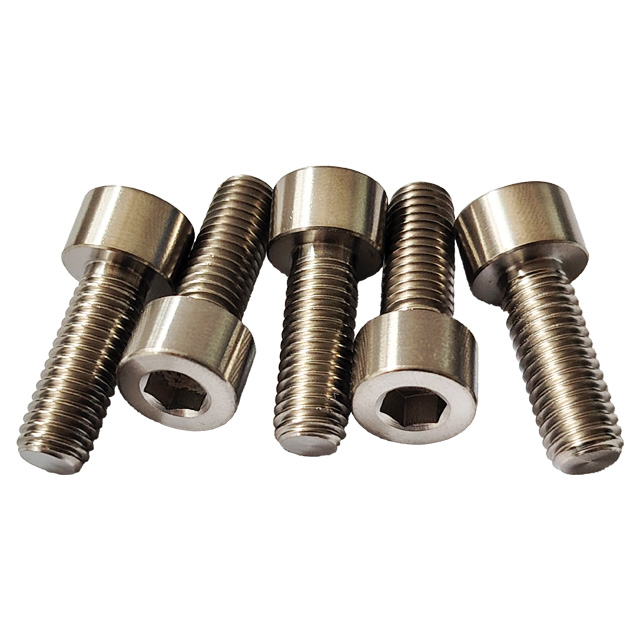
GR5 Titanium Bolts M8*25mm High Strength Hex Socket Cup Head Bolts
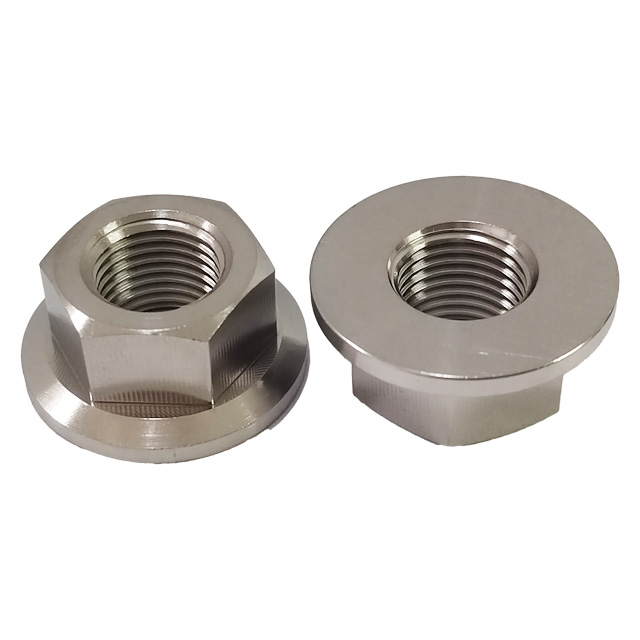
GR5 Titanium Nuts M12*1.5 High Strength Hex Flange Locking Nuts
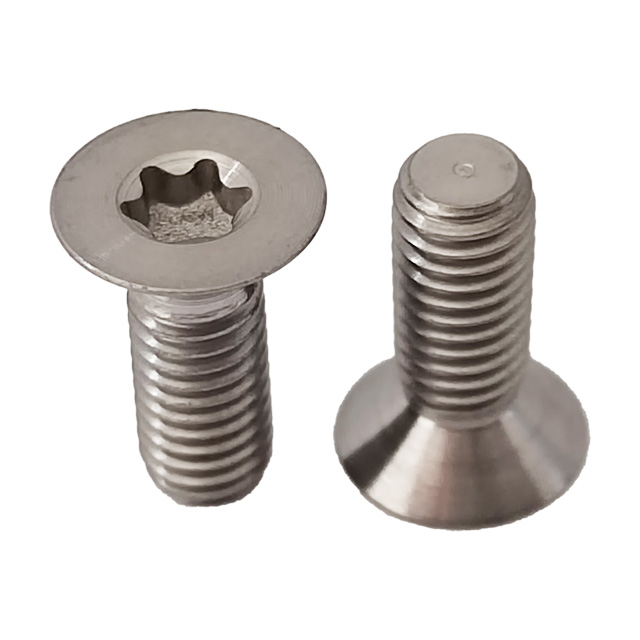
GR5 Titanium Bolts M5*13mm Lightweight Countersunk Torx Bolts
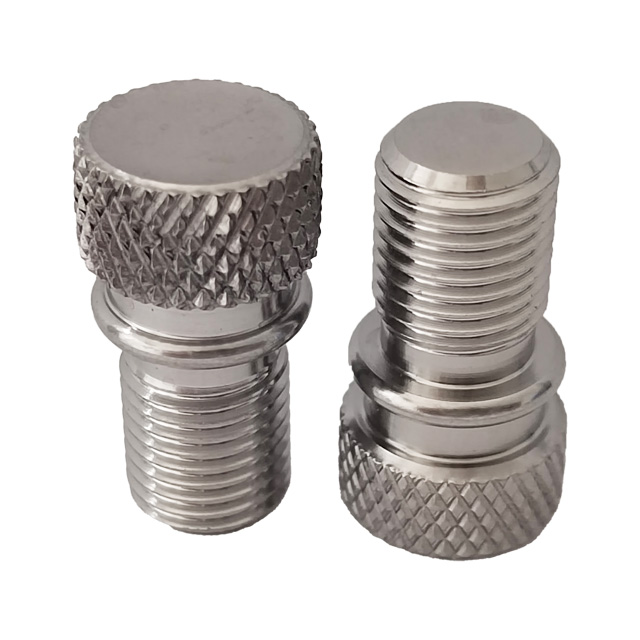
GR5 Titanium Bolts M9*1.0*12mm Cylindrical Knurled Head Bolts
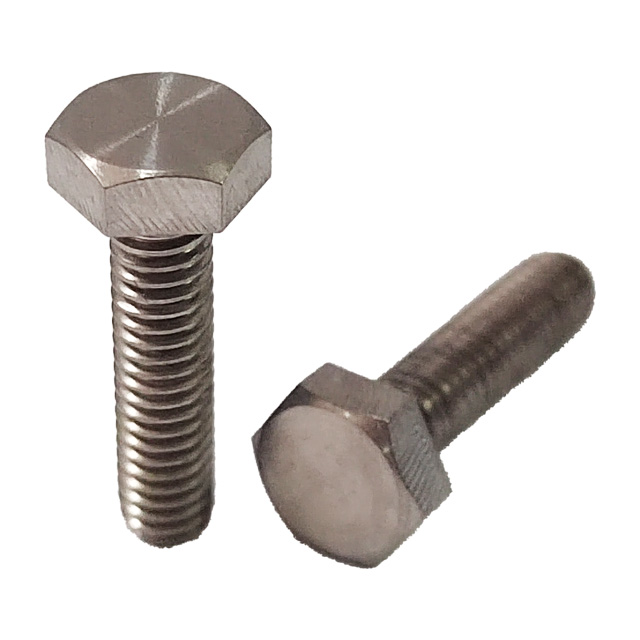
GR5 Titanium Bolts M4*15mm Hexagon Head Full Thread Bolts
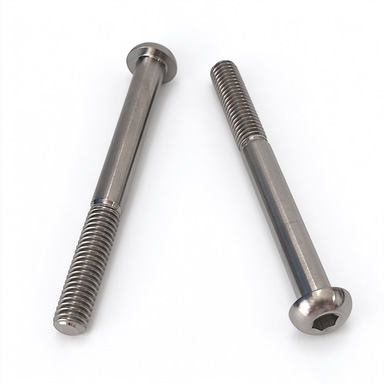
GR5 Titanium Bolts M6*60mm Button Head Semi-Round Socket Screws
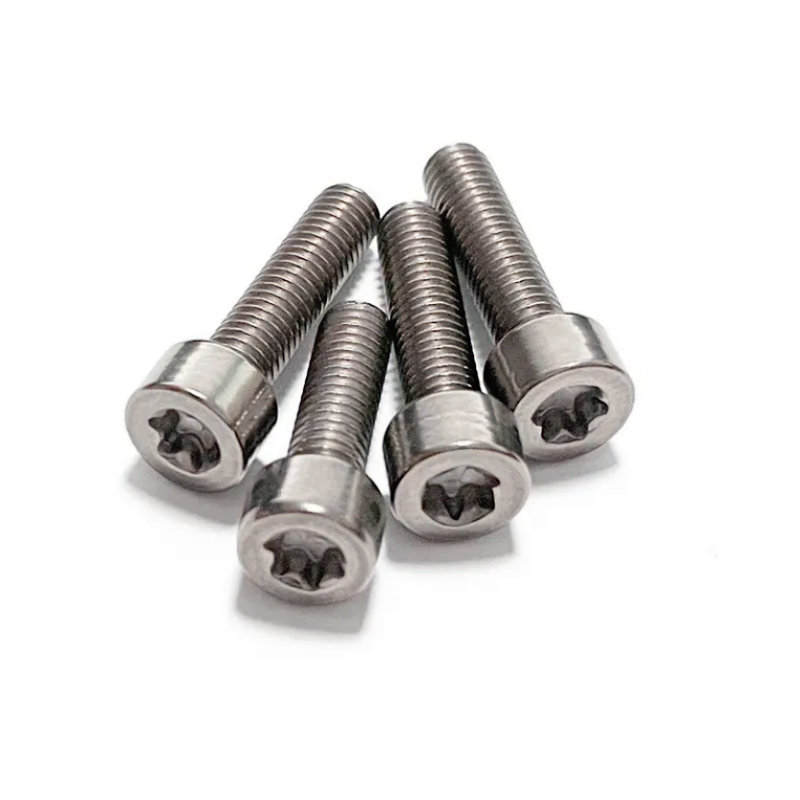
Gr5 Titanium Screws Titanium T30 Torx Bolts for Motorcycle Tuning
Material Mechanical Properties: GR5 Titanium vs. Conventional Alloys
Titanium fasteners achieve unparalleled strength-to-weight ratios in critical structural joints. Review certified baseline laboratory test values complying with ASTM B348, ASTM F468, and ISO 3506 engineering standards.
| Fastener Material | Density (g/cm³) | Yield Strength (MPa) | Tensile Strength (MPa) | Strength-to-Weight Ratio | Corrosion Resistance | Typical Engineering Applications |
|---|---|---|---|---|---|---|
| Grade 5 (Ti-6Al-4V) Titanium | 4.43 | 828 - 910 | 895 - 1050 | 214 kN·m/kg | Immune to chlorides, sea water, and bio-fluids | Aerospace airframes, motorsport suspension, race hubs |
| Grade 2 Commercially Pure Titanium | 4.51 | 275 - 340 | 345 - 480 | 88 kN·m/kg | High chemical and acid immunity | Chemical processing vessels, marine plating, exhaust baffles |
| High Tensile Carbon Steel (Class 10.9) | 7.85 | 900 - 940 | 1000 - 1040 | 132 kN·m/kg | Very poor; requires zinc, nickel, or cadmium plating | Heavy civil engineering, commercial automotive chassis |
| Alloy Steel (Class 12.9) | 7.85 | 1100 | 1220 | 155 kN·m/kg | Prone to stress corrosion cracking & severe rusting | High-load industrial tooling, heavy machine fixtures |
| A2-70 / 304 Stainless Steel | 7.93 | 450 | 700 | 88 kN·m/kg | Moderate; susceptible to crevice & pitting in salt | Architectural fittings, consumer hardware, food machinery |
| A4-80 / 316 Marine Stainless Steel | 8.00 | 600 | 800 | 100 kN·m/kg | Good chloride resistance; prone to thread galling | Marine deck fittings, offshore rig hardware, boat hulls |
Precision Thread Rolling vs. Cut Threads
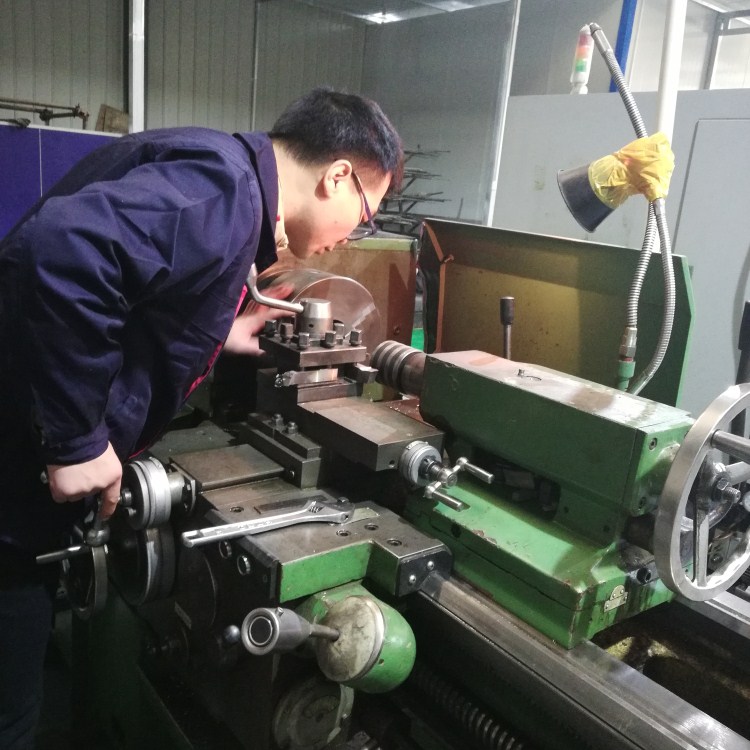
At our Baoji facility, every critical load-bearing bolt is produced using cold thread rolling rather than single-point CNC cutting. Cold deformation maintains uninterrupted metallurgical grain flow along the root and flank of the thread profile.
This critical manufacturing difference provides significant structural advantages for tier-1 engineers and racing mechanics:
-
30% Superior Fatigue Endurance: Continuous grain flow suppresses micro-notch stress concentration at root radii.
-
Work-Hardened Thread Surfaces: Burnished thread flanks resist galling wear and yield smoother torque-tension curves.
-
Tight 6g / 4h Metric Tolerances: Optical sorting guarantees zero lead error across long shank bolts.
Future Titanium Fastener Procurement Trends (2025–2030)
As electrification, aerospace commercialization, and precision robotics evolve, the global supply chain for titanium bolts is undergoing pivotal structural transformations. Procurement teams must adapt to stay ahead.
EV Powertrain & Battery Enclosures
Automotive OEMs are replacing 10.9 steel with Grade 5 titanium bolts in EV battery pack casings and unsprung suspension hubs to reclaim 12–25 kg of chassis weight, directly extending electric driving range.
Closed-Loop Aerospace Scrap Recycling
Rising ESG compliance demands direct traceability of titanium sponge. Factories adopting vacuum arc remelting (VAR) of virgin sponge alongside aerospace scrap briquetting are reducing the carbon footprint per bolt by up to 38%.
Automated 100% Optical Sorting
Manual batch sampling is obsolete. Leading China titanium plants are deploying multi-camera glass rotary sorting platforms running AI edge detection to verify 360-degree thread profiles, socket depth, and head runout at 300 ppm.
Digitized Material Test Reports (MTR)
Enterprise buyers now require QR-coded digital traceability linking every box of bolts to mill heat numbers, chemical spectrograms (H, O, N interstitial controls), and ultrasonic non-destructive testing reports.
Key Technological Innovations Shaping Bolt Manufacturing
Advanced forming methodologies, precision coatings, and automated tooling are overcoming historical barriers in titanium processing, lowering unit costs while elevating cycle fatigue limits.
High-Speed Warm/Cold Heading
Traditionally, titanium fasteners were turned from solid bars on CNC lathes, leading to high scrap rates and interrupted grain patterns. Modern heading machinery preheats Grade 5 wire inductively to 600°C–650°C, forging heads in milliseconds with pristine crystal continuity.
DLC & Multi-Arc PVD Coatings
Physical Vapor Deposition (PVD) has advanced beyond decorative gold or burnt blue. Modern functional PVD coats bolts with Titanium Carbo-Nitride (TiCN) or Diamond-Like Carbon (DLC), dropping the thread friction coefficient to ≤0.10 and eradicating galling in dry assembly conditions.
Controlled Acid Descaling & Degreasing
Titanium readily absorbs hydrogen during chemical acid pickling, inducing severe hydrogen embrittlement under static preloads. Leading China manufacturers utilize dry blast bead finishing followed by ultra-low immersion nitric-hydrofluoric acid balancing and vacuum degassing ovens.
Why Partner with Navzo Precision Titanium?
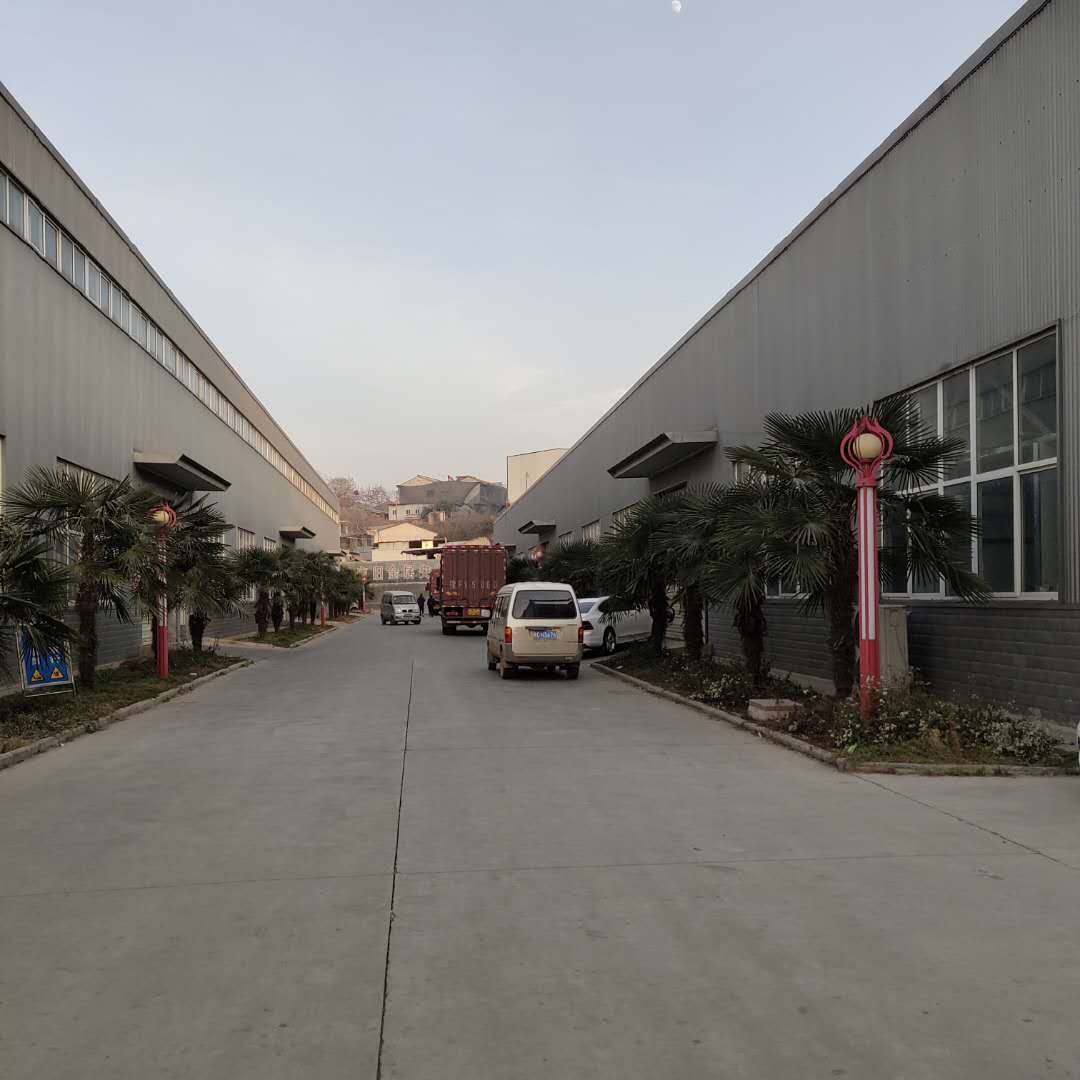
Founded in 2011 on Yucai Road in the High-tech Development Zone of Baoji, China (China's renowned "Titanium Valley"), Navzo Precision Titanium Products Co., Ltd. is an on-site verified producer delivering end-to-end manufacturing for industrial buyers across the USA, Germany, Japan, and the Netherlands.
-
Geographic Raw Material Synergy: Direct proximity to Baoji titanium sponge smelters eliminates intermediary markups and guarantees pure Ti-6Al-4V bar lots with 100% mill certificate integrity.
-
Full-Line Forming Infrastructure: In-house multi-station cold heading, Swiss-type 5-axis CNC turning centers, thread rolling machines, and computerized anodizing vats.
-
Fast OEM Custom Engineering: Send your 2D PDF or 3D STEP/DWG drawings. Our engineering team reviews manufacturability, head geometry, and tolerance stacks with quote replies within 1 hour.
-
34% Buyer Reorder Rate: Trusted supplier ranking in Bolts with a 4.9/5 satisfaction score across demanding motorsport and industrial sectors.
Frequently Asked Questions for Titanium Bolt Sourcing
Direct technical answers addressing friction coefficients, galling mitigation, torque calculations, galvanic isolation, and custom drawing protocols.
Q: How do you prevent thread galling during titanium bolt installation?
Titanium has a thin, passive titanium dioxide (TiO2) film that can shear under friction, causing micro-welding (galling) of mating threads. Galling is prevented by applying an anti-seize paste containing molybdenum disulfide (MoS2), nickel flake, or PTFE-based lubricant. For dry installations, specify functional PVD coatings, copper flash plating, or micro-encapsulated dry lubricants.
Q: Can Grade 5 titanium bolts directly replace Class 10.9 or 12.9 alloy steel bolts?
Yes, in the vast majority of dynamic applications. Ti-6Al-4V has a yield strength of 828–910 MPa, matching Class 10.9 steel (900 MPa) while cutting 44% of the weight. However, titanium's modulus of elasticity is lower (~114 GPa vs ~210 GPa for steel), meaning titanium fasteners will stretch roughly twice as much as steel under identical clamp loads, providing superior preload retention during thermal cycling.
Q: Is galvanic corrosion a risk when bolting titanium into carbon fiber or aluminum?
Against carbon fiber (CFRP), titanium is inert and exhibits almost zero galvanic potential, making titanium fasteners the gold standard for composite aerospace and racing components where steel or aluminum would corrode. When mating titanium into aluminum in saltwater environments, isolate the interface using non-conductive washers or dielectric paste to prevent sacrificial galvanic oxidation of the aluminum base.
Q: How should tightening torque be calculated for Grade 5 titanium bolts?
Tightening torque should be calculated based on targeted proof load using the formula T = K · D · F, where T is torque, K is the nut friction factor, D is nominal bolt diameter, and F is clamp load (typically 65%–75% of yield strength). Because titanium's K-factor varies dramatically (from 0.10 with quality anti-seize to 0.35+ dry), torque specifications must always specify the lubricant state.
Q: What is the difference between Type II Anodizing, Burnt Blue, and PVD?
Standard electrochemical anodizing creates cosmetic color films through light interference with no added pigments. Burnt blue is a thermal oxidation process that creates signature blue-gold gradients for motorsport aesthetics. PVD (Physical Vapor Deposition) deposits a hard metal ceramic film under high vacuum, delivering superior scratch resistance, lower friction, and long-term durability in abrasive environments.
Q: What documentation and quality certificates accompany export shipments?
Every production batch includes an EN 10204 3.1 Material Test Report (MTR) detailing raw material chemical composition (Al, V, Fe, C, N, H, O levels) and mechanical tensile/yield test results. On request, we provide dimensional CMM inspection sheets, optical sorting certificates, and salt spray corrosion test records.
Q: What is the standard minimum order quantity (MOQ) and sample lead time?
Standard catalog bolts (DIN 912, DIN 6923, ISO 7380 in stock sizes M4–M12) have a low MOQ of 100 to 200 pieces per size. Custom OEM/ODM components manufactured to 2D/3D drawings typically require 200–500 pieces depending on complexity, with prototype samples shipped within 7 to 12 working days.
Q: Can you manufacture non-standard heads, special drives, or custom drilled safety wire holes?
Yes. We regularly produce custom titanium fasteners featuring hollow shanks for weight reduction, cross-drilled heads for aviation safety wiring, low-profile umbrella flanges, 12-point double-hex aerospace heads, and internal Plum/Torx drive recesses tailored to tight package constraints.
Partner Directly with Baoji's Premier Titanium Bolt Manufacturer
Cut out intermediary trading markups and secure fully traceable, high-strength Grade 5 titanium bolts engineered to your exact tolerances. Request our comprehensive industrial catalog or send your drawings for immediate engineering review.
Get Catalog