High-Torque Titanium Brake Disc & Rotor Bolts
Manufactured from aerospace-certified Ti-6Al-4V alloy billets with precision cold-formed heads and rolled threads according to ISO 965 and DIN standards. Explore our 8 primary commercial configurations available for custom bulk export.
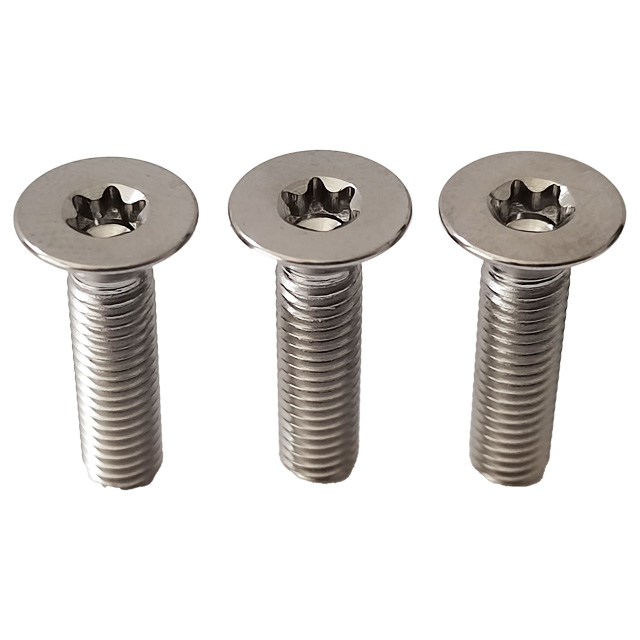
GR5 Titanium Bolts M5*20mm High Quality Countersunk Head Hex Socket Bolts Factory Price Round Head Allen Screws
- Thread: M5 × 0.8P
- Length: 20 mm
- Drive: Hex Allen 3mm
- Tensile: ≥ 950 MPa
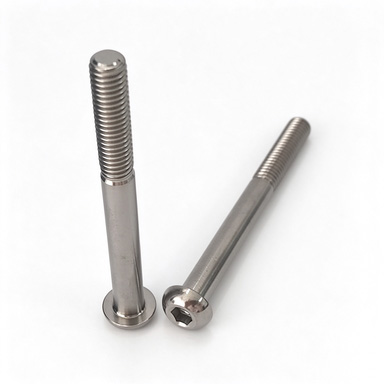
GR5 Titanium Bolts M6*70mm Factory Price Button Head Inner Hex Bolts Lightweight Half-Round Head Hex Socket Screws
- Thread: M6 × 1.0P
- Length: 70 mm
- Head: Half-Round
- Material: Ti-6Al-4V
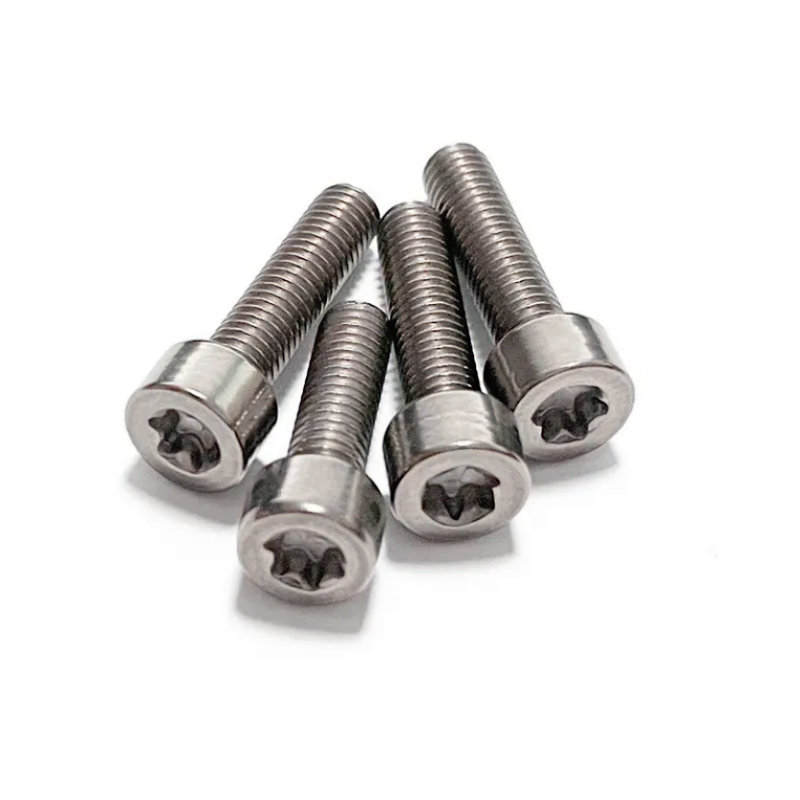
Gr5 Titanium Screws Titanium T30 Torx Bolts for Motorcycle
- Standard: Custom OEM
- Drive: Torx T30 Star
- Application: Brake Rotor
- Fatigue: High Cyclic
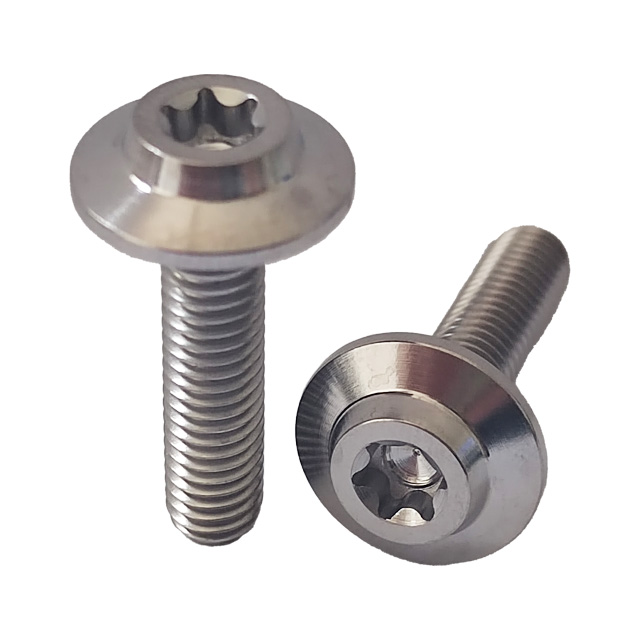
GR5 Titanium Bolts M6*25mm Factory Price Umbrella Flange Head Inner Torx Bolts High Quality Taper Flange Head Inner Plum Screws
- Thread: M6 × 1.0P
- Length: 25 mm
- Flange: Umbrella Wide
- Tolerance: ISO 4h / 6g
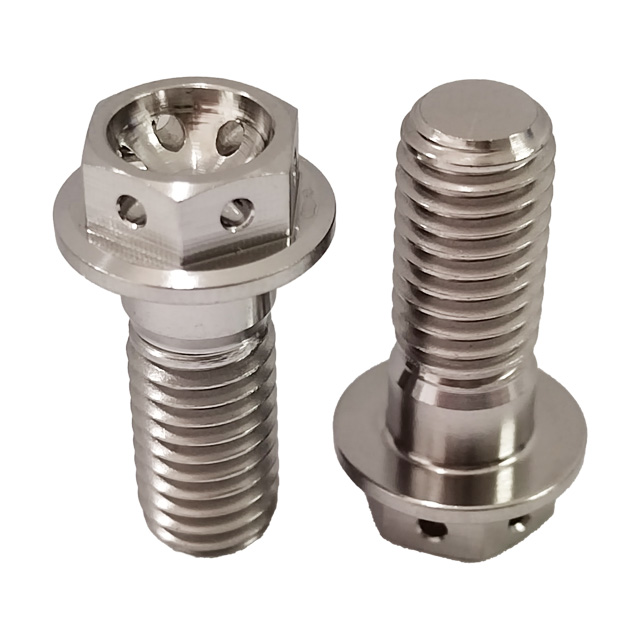
GR5 Titanium Bolts M8*20mm Factory Price Hex Flange Head Drilled Bolts High Quality Flange Head Slotted Screws
- Thread: M8 × 1.25P
- Length: 20 mm
- Feature: Drilled Safety Wire
- Application: Superbike Rotor
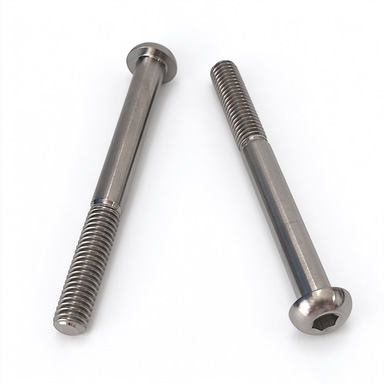
GR5 Titanium Bolts M6*60mm Factory Price Button Head Hex Socket Bolts High Quality Semi-Round Head Allen Screws
- Thread: M6 × 1.0P
- Length: 60 mm
- Drive: Internal Hex 4mm
- Yield: ≥ 828 MPa
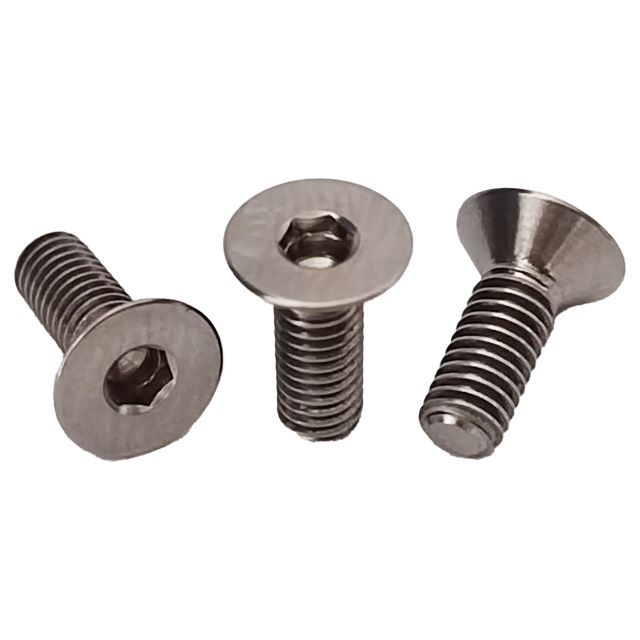
GR5 Titanium Bolts M8*20mm CNC Machined Countersunk Head Hex Socket Bolts Hot Sale Flat Head Allen Screws
- Thread: M8 × 1.25P
- Length: 20 mm
- Process: CNC 5-Axis Lathe
- Finish: Vapor Degreased
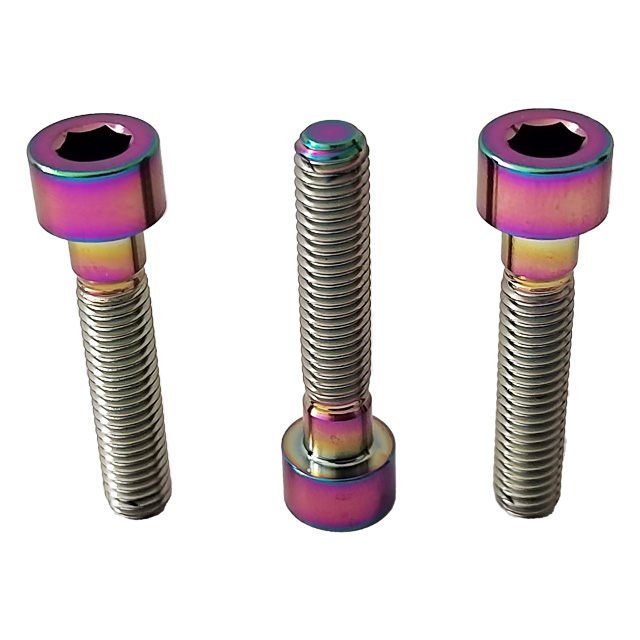
GR5 Titanium Bolts M8*40mm Colored Cylinder Head Hex Socket Bolts Factory Price Round Head Allen Screws
- Thread: M8 × 1.25P
- Length: 40 mm
- Color: Burnt Blue / PVD
- Coating: Hard TiN/TiAlN
The Bi-Metallic Mechanics of Grade 5 Titanium Brake Disc Bolts
In high-performance braking assemblies, disc bolts operate under some of the most unforgiving mechanical and thermodynamic conditions found in motorsport and advanced mobility. Disc rotor bolts do not merely hold the braking surface against the wheel hub; they act as critical shear pins transferring dynamic torsional stopping force during deceleration, all while cycling from ambient temperatures to thermal peaks exceeding 450°C (842°F).
Navzo Precision Titanium Co., Ltd., based in China's industrial epicenter of Baoji, implements cold-heading forming coupled with precision CNC finish-machining and thread rolling. Unlike low-cost cut threads that sever the alloy's crystalline grain lines, rolled threads follow the continuous longitudinal flow lines of the Ti-6Al-4V material, yielding up to a 300% improvement in dynamic fatigue resistance under cyclic track-day and braking vibrations.
| Fastener Material | Density (g/cm³) | Tensile Strength (MPa) | Yield Strength (MPa) | Thermal Expansion (×10⁻⁶/K) | Rotational Inertia Rating |
|---|---|---|---|---|---|
| GR5 Titanium (Ti-6Al-4V) Navzo Standard | 4.43 | 950 – 1050 | 880 – 920 | 8.6 | Optimal (Low Gyroscopic Resistance) |
| Class 10.9 High-Tensile Steel | 7.85 | 1000 – 1040 | 900 – 940 | 11.7 | High (Substantial Gyroscopic Drag) |
| Class 12.9 Alloy Steel | 7.85 | 1220 | 1100 | 11.2 | High (Risk of Hydrogen Embrittlement) |
| A2-70 Austenitic Stainless Steel | 7.93 | 700 | 450 | 16.0 | Severe Risk of Shear Deform at >250°C |
Rotational Inertia Elimination
Every gram eliminated at the rotor circumference decreases the wheel assembly's moment of inertia ($I = mr^2$). Reducing disc bolt weight directly sharpens corner turn-in response, decreases gyroscopic precession on superbikes, and reduces suspension damping workload over rough pavement.
Thermal Expansion Matching
Grade 5 titanium features a coefficient of thermal expansion ($\approx 8.6 \times 10^{-6}/\text{K}$) significantly closer to ceramic composite and cast brake rotors than austenitic stainless steels. This maintains steady fastener preload clamp without loosening during high-heat track cycles.
Immunity to Atmospheric Corrosion
Upon exposure to air, Ti-6Al-4V instantaneously synthesizes a passivating $TiO_2$ ceramic oxide layer. It is impervious to road de-icing salts, acidic environmental moisture, and aggressive synthetic brake fluids (DOT 4/5.1) that pit and corrode plated carbon steel.
Future Procurement Trends in Titanium Disc Fasteners
Strategic analysis for B2B purchasing directors, supply chain leads, and aftermarket engineering brands navigating the 2025–2030 sourcing cycle.
1. Near-Net Cold Heading
Global procurement teams are shifting purchase specifications from 100% subtractive CNC bar turning to cold-heading blanks with rolled threads. Cold heading preserves continuous grain lines, eliminating micro-notch fatigue cracks at the head-to-shank junction while slashing scrap metal waste.
2. PVD Hard Coatings
While electrochemical color anodization remains favored for retail styling, tier-1 racing teams now mandate PVD (Physical Vapor Deposition) Titanium Nitride (TiN) or Diamond-Like Carbon (DLC). These thin films impart surface hardnesses exceeding 2500 HV, eliminating friction-induced galling.
3. Full Lot Traceability
Modern supplier compliance demands more than standard certificates. Western buyers require EN 10204 3.1 Mill Test Reports (MTRs), spectral chemical assays verifying precise Aluminum (5.5–6.75%) and Vanadium (3.5–4.5%) contents, and ultrasonic internal void detection.
4. EV Light-Weighting Needs
Electric mobility powertrains produce immense instant torque, demanding larger rotor diameters that add unsprung mass. To recover lost driving range efficiency, electric motorcycle and EV sports car OEMs are turning to titanium disc fasteners to offset heavier battery curb weights.
Technological Innovations in Titanium Disc Bolt Manufacturing
How state-of-the-art multi-axis CNC machining, ultrasonic thread testing, and automated optical sorting are elevating quality thresholds.
Ultra-Low Profile Torx & Plum Drives
Traditional hex socket recesses frequently strip under the high torque values required for disc bolts. Next-generation production emphasizes precision forged Torx T25/T30 and low-profile umbrella designs that maximize surface contact area and eliminate cam-out during rapid pneumatic tool assembly.
Multi-Hole Safety Wire Machining
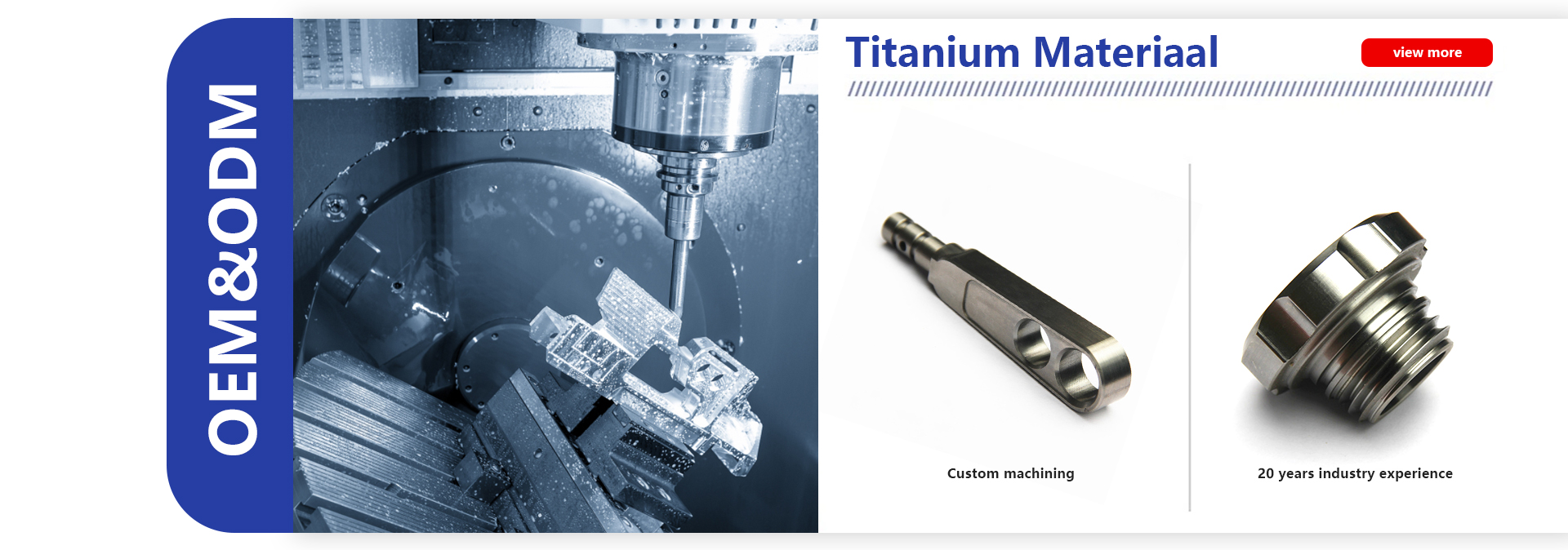
To comply with FIM, AMA, and FIA track technical scrutiny, disc rotor bolts increasingly require radial wire-lock holes drilled directly through the fastener head. Navzo deploys high-speed 5-axis CNC machining stations with precision coolant-fed carbide tooling to drill clean, deburred 1.5mm holes without generating heat-affected zones.
Automated Optical Thread Sorting
Eliminating defect risks in automated assembly lines, our facility integrates 360-degree glass plate optical inspection systems. Every single bolt is dynamically checked at 800 parts per minute for pitch diameter, lead angle deviation, shank straightness, and head concentricity prior to packaging.
Navzo Precision Titanium Co., Ltd.
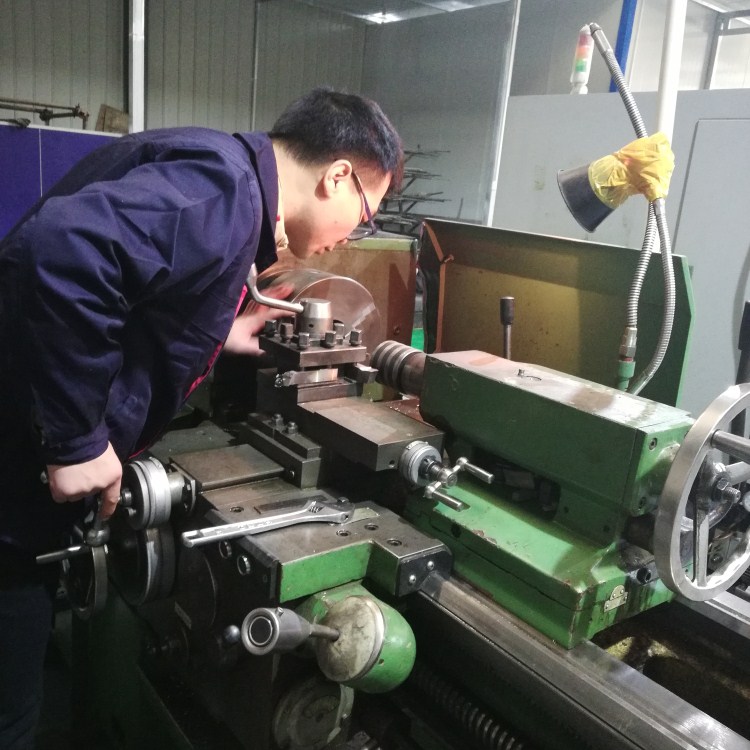
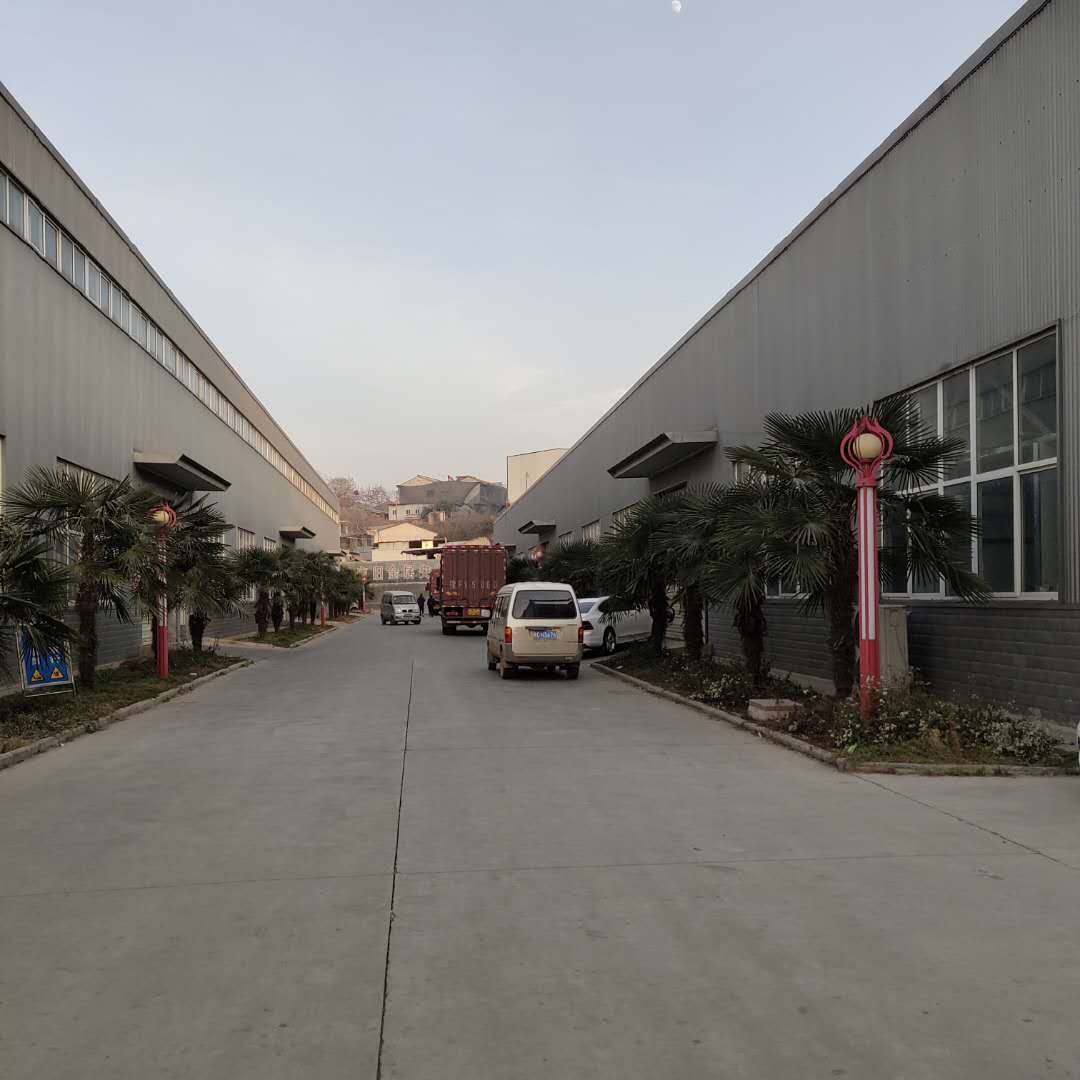
Headquartered on Yucai Road within the High-tech Development Zone of Baoji City, Shaanxi Province — widely recognized as "China Titanium Valley" — Navzo operates an integrated manufacturing ecosystem encompassing titanium sponge melting, ingot forging, bar extrusion, precision CNC machining, and automated surface treatment.
By shortening our raw material supply chain and utilizing Baoji's world-class metallurgical research institutes, we guarantee chemically stable, traceable Ti-6Al-4V fastener stock that complies with rigid international standards including DIN 912, DIN 7991, ISO 7380, and customer-specific CAD/STEP prints.
- ISO 9001:2015 Certified Production
- On-Site Alibaba Verified Manufacturer
- Complete Cold Heading & CNC Cells
- EN 10204 3.1 Mill Test Reports Supplied
- Direct Export to 20+ Global Nations
- Rapid Prototyping & Custom OEM/ODM

Frequently Asked Questions by Industrial Buyers
Essential technical, metallurgical, and logistical clarifications for engineering teams and international purchasing managers.
Why is GR5 (Ti-6Al-4V) mandatory for disc bolts instead of Commercially Pure GR2?
Commercially pure titanium (Grade 2) possesses a minimum yield strength of merely 275 MPa, which is entirely insufficient for the intense cyclic shear forces and clamping preloads exerted by braking calipers. Navzo disc bolts utilize Grade 5 (Ti-6Al-4V), an alpha-beta alloy delivering a minimum yield strength of 828 MPa and ultimate tensile strength exceeding 950 MPa, matching Class 10.9 high-tensile steel while weighing 44% less.
How does Navzo mitigate thread galling during disc bolt installation?
Titanium naturally tends to micro-weld (gall) under extreme thread contact friction, particularly when mated into aluminum wheel hubs. Navzo combats this through two proprietary methods: precision cold-rolling that produces a sub-0.4 Ra mirror thread finish, and offering advanced vacuum PVD physical vapor deposition (TiN or DLC) coatings. We also provide recommended torque specifications and advise using high-temperature nickel or copper-based anti-seize paste during installation.
What are the torque specification guidelines for M6 and M8 titanium disc bolts?
Because titanium has a modulus of elasticity (approx. 114 GPa) roughly half that of carbon steel (210 GPa), titanium fasteners stretch more under equivalent loads. Typically, for M6 Grade 5 bolts dry-fitted into alloy hubs, the recommended torque is 9–11 Nm; for M8 bolts, 22–25 Nm. When using anti-seize lubricant or medium threadlocker, nominal dry torque values must be reduced by 15–20% to avoid over-tensioning.
Can Navzo customize disc bolts based on 2D/3D customer drawings?
Yes. Over 60% of our production volume is OEM/ODM tailored for overseas brands. We accept DWG, PDF, STEP, and IGES formats. Our engineering team conducts a thorough Manufacturability and Tolerance Review (DFM) within 24 hours, evaluating thread relief radii, tool clearances, flange dimensions, and weight-reducing pocket designs prior to tooling setup.
What is your Minimum Order Quantity (MOQ) and sample lead time?
For standard catalogue disc bolt configurations (e.g., M6x20mm, M8x25mm Torx or Hex head), our MOQ begins at 100 to 200 pieces per size with immediate stock dispatch. For bespoke CNC-machined designs or proprietary flange architectures, sample validation batches of 20–50 pieces are completed within 7 to 10 working days, backed by complete dimensional inspection records.
What quality assurance certificates are dispatched with each commercial shipment?
Every lot export includes a comprehensive EN 10204 Type 3.1 Mill Test Certificate tracing chemical composition back to the vacuum arc remelt (VAR) titanium ingot, mechanical yield/tensile/elongation test records, and automated optical dimensional check sheets. Third-party testing via SGS or TÜV is available upon client request.