Precision GR5 Titanium Fasteners & Aerospace Components
Custom cold-headed, hot-forged, and 5-axis CNC-machined titanium hardware manufactured to ASTM B348, AMS 4928, and DIN 912 aerospace structural tolerances.
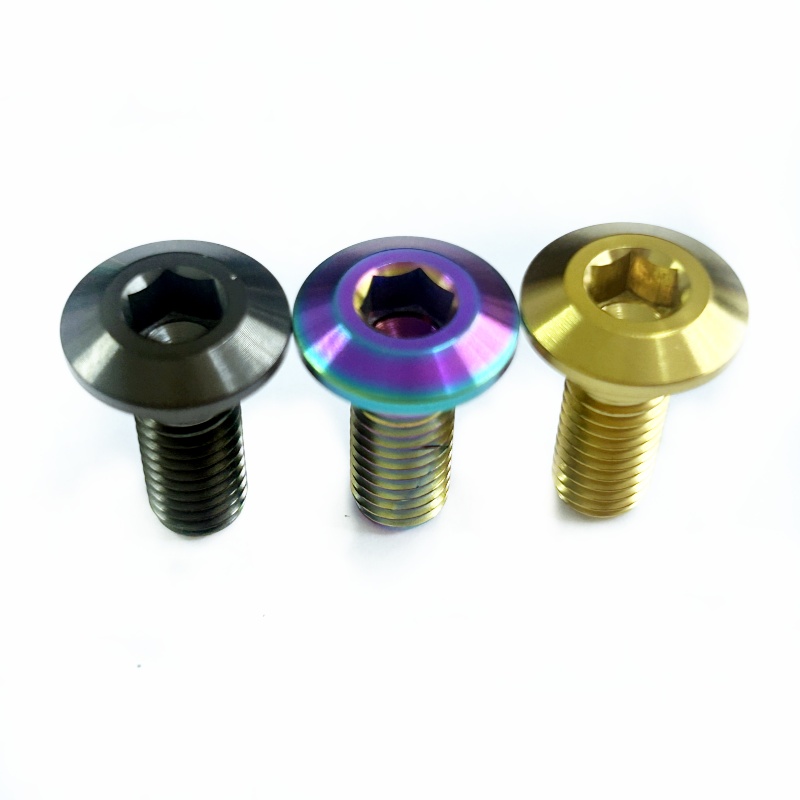
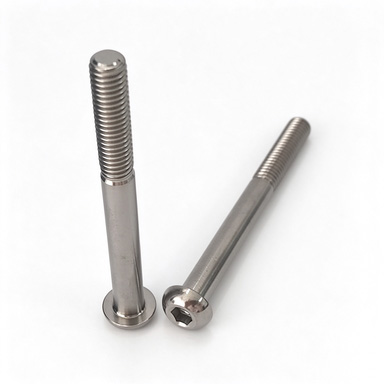
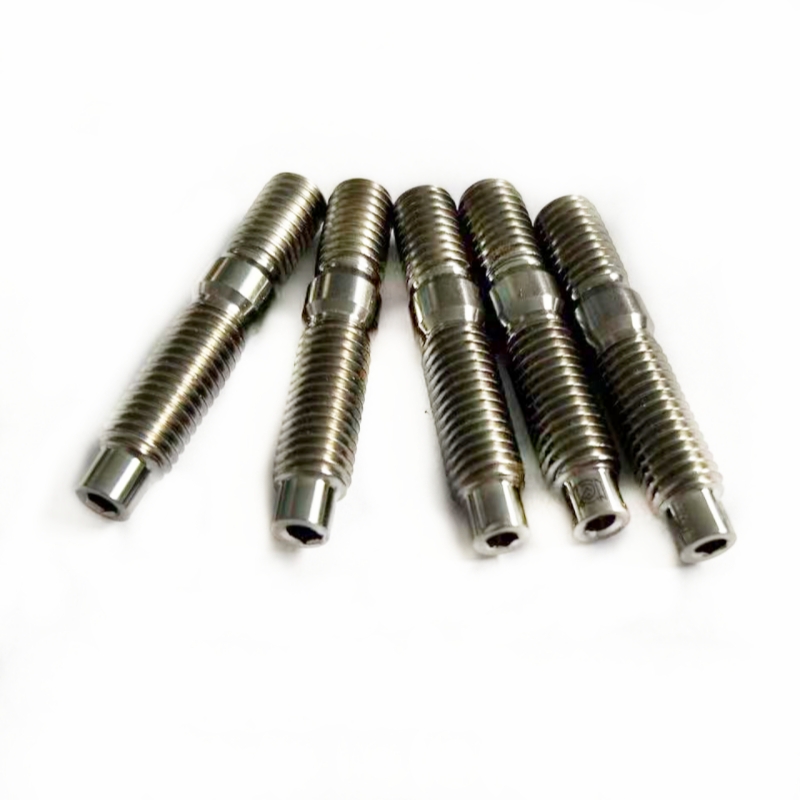
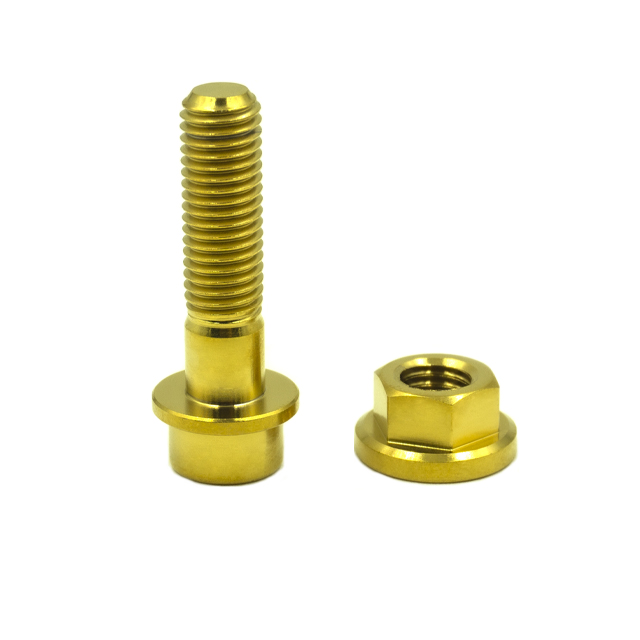
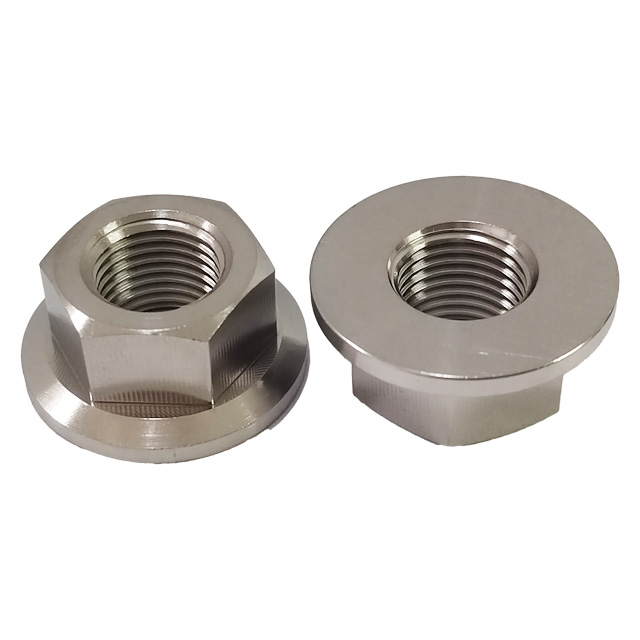
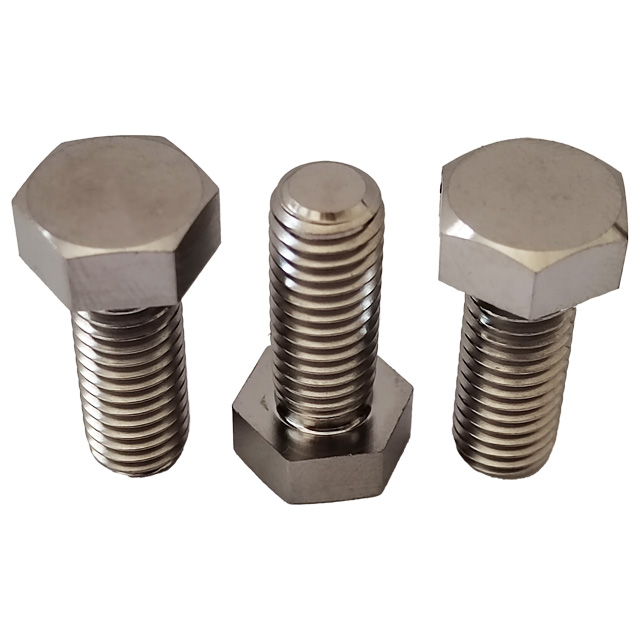
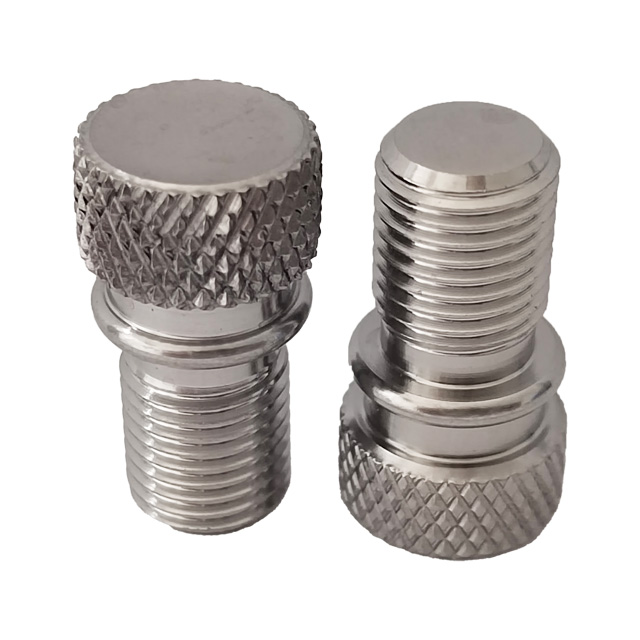
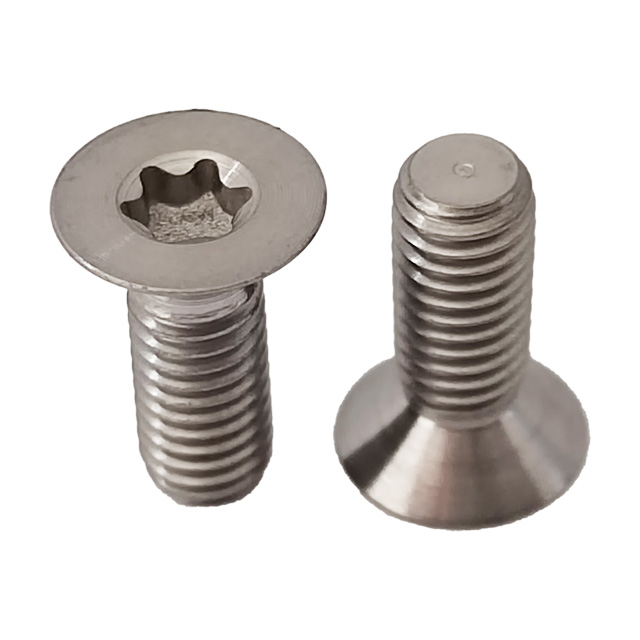
Comparative Metallurgy: Aerospace Grade 5 Titanium vs. Structural Alloys
Comprehensive physical and mechanical properties benchmarked under ASTM F468, AMS 4928, and ISO 3506 flight hardware specifications.
| Alloy Specification | Material Class | Density (g/cm³) | Tensile Strength (MPa) | Yield Strength (MPa) | Fatigue Limit (10⁷ Cycles) | Max Temp Range | Corrosion Resistance |
|---|---|---|---|---|---|---|---|
| Ti-6Al-4V (Grade 5) | Alpha-Beta Titanium | 4.43 | 950 – 1050 | 880 – 920 | 510 MPa | -250°C to +400°C | Immune to Cl⁻ / Marine Pitting |
| Ti-6Al-4V ELI (Grade 23) | High-Purity Damage Tolerant | 4.43 | 860 – 930 | 790 – 830 | 540 MPa (High Fracture K_IC) | Cryogenic to +380°C | Superior Bio & Atmospheric Inertness |
| Inconel 718 (AMS 5662) | Nickel Superalloy | 8.19 | 1240 – 1400 | 1030 – 1170 | 620 MPa | -200°C to +650°C | High Oxidation at Extreme Heat |
| A286 Stainless (ASTM A453) | Iron-Base Austenitic | 7.92 | 900 – 1050 | 650 – 720 | 420 MPa | Cryogenic to +500°C | Moderate (Susceptible to Fretting) |
| 7075-T6 Aerospace Aluminum | Zinc Al-Alloy | 2.81 | 510 – 570 | 430 – 505 | 160 MPa | -50°C to +120°C | Susceptible to SCC in Salt Fog |
Why Global Aerospace & Industrial Tiers Source From Navzo
Strategically situated in Baoji, China's Titanium Valley, controlling 60% of domestic raw ingot smelting, hot rolling, and downstream metallurgical processing chains.
Vacuum Arc Remelted (VAR) Ingot Origin
100% of our billet feed originates from dual-melt or triple-melt vacuum arc remelted stock. We eliminate interstitial interstitial inclusions, ensuring strict grain structure conformity with AMS 4928 and aerospace flight compliance.
Warm Thread Rolling (Grain Continuity)
Unlike machined threads that disrupt metallurgical grain lines, our warm-rolled external threads retain continuous uninterrupted flow paths around roots and crests, tripling the fastener's high-cycle dynamic shear fatigue resistance.
Multi-Axis Swiss CNC Machining Cells
Equipped with high-precision Tsugami and Citizen 5-axis Swiss lathes, Navzo achieves dimensional tolerances down to ±0.005 mm on critical aerospace shank diameters, specialized transition fillets, and custom internal drive pockets.
NDT & Optical Automatic Inspection
Every single batch passes non-destructive testing: Fluorescent Penetrant Inspection (FPI) for micro-crack detection, ultrasonic flaw detection for internal voids, and 360-degree laser thread profile coordinate verification.
Surface Tribology: PVD, Anodizing & MAO
In-house advanced surface treatments including Type II Anti-Galling Anodization (AMS 2488D), PVD TiN/TiAlN vapor deposition for high-wear friction surfaces, and micro-arc oxidation for severe thermal barriers.
EN 10204 3.1 Certified Documentation
Complete regulatory paper trail with chemical spectrometry breakdown, tensile elongation records, double-shear test results, and raw billet heat numbers supplied with every shipment for airworthiness records.
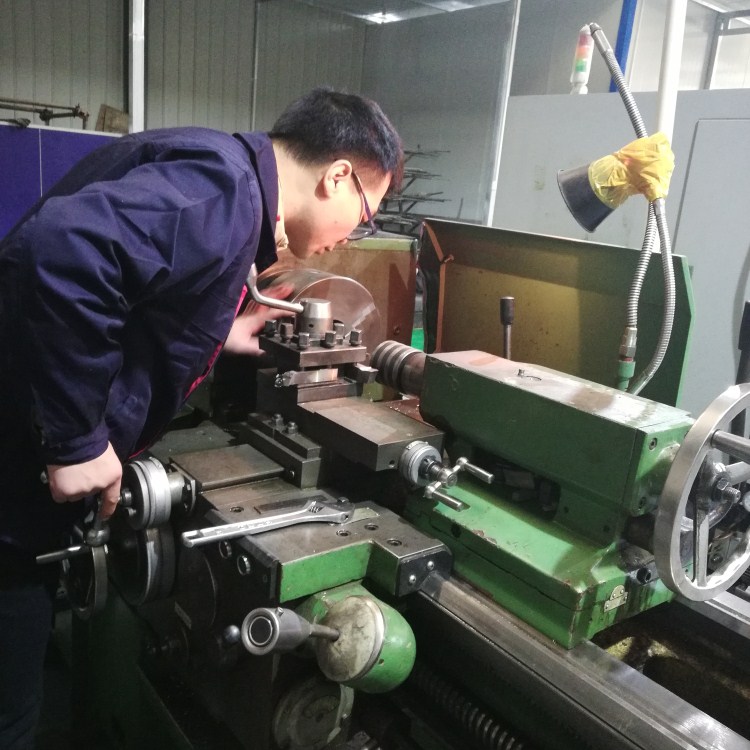
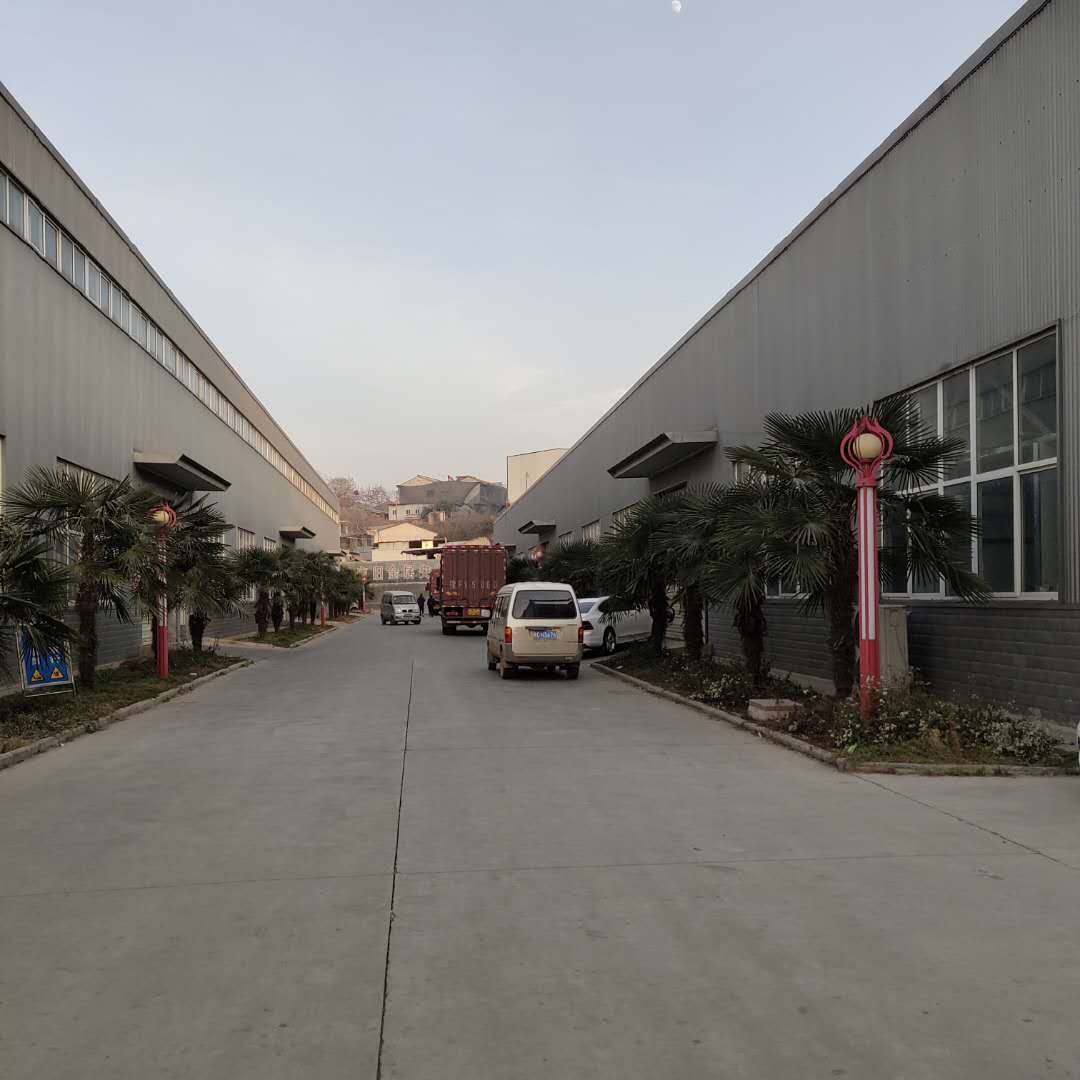
Advanced Manufacturing Power in Baoji Titanium Valley
Operating out of Yucai Road, High-tech Industrial Development Zone, Baoji, Shaanxi, Navzo Precision Titanium Products Co., Ltd. has spent over a decade perfecting the thermomechanical processing of high-strength titanium alloys.
By coupling localized titanium sponge resources with modern German cold-heading presses and Japanese precision CNC centers, we eliminate middle-tier distributor markups, allowing aerospace engineering teams and tier-1 sub-assemblers to acquire true flight-certified hardware at unmatched speed and cost-efficiency.
- AS9100D Traceable Process
- Class 4h/6g Thread Verification
- Dual-Source Raw Billet Supply
- Rapid Prototyping in 5-7 Days
Future Procurement Trends in Aerospace Titanium Fasteners (2025–2035)
Analysis of emerging metallurgical shifts, carbon-composite galvanic integration, digital traceability standards, and weight reduction imperatives shaping next-generation aviation procurement.
Near-Beta & Metastable Titanium Alloys
While Grade 5 (Ti-6Al-4V) remains the workhorse, airframe OEMs are increasingly procuring metastable beta alloys like Ti-5Al-5Mo-5V-3Cr (Ti-5553) and Ti-15V-3Cr-3Al-3Sn for high-load landing gear pins and wing attachment bolts, offering tensile capabilities beyond 1250 MPa while maintaining superior fracture toughness.
CFRP Composite Galvanic Compatibility
The aggressive substitution of aluminum airframes with Carbon-Fiber Reinforced Polymers (CFRP) mandates non-reactive fasteners. Titanium possesses identical galvanic potential to carbon matrixes, eliminating corrosion issues inherent to cadmium-plated steels and driving exponential titanium volume growth.
Digital Product Passports (DPP)
Global aerospace supply chains are migrating from static PDF mill certs to cryptographic Digital Product Passports. Procurement contracts now demand real-time laser marking of 2D data-matrix codes directly on bolt heads, linking to ingot melt chemistry, heat-treat hardness, and torque curves.
Near-Net-Shape Cold Heading
Traditional titanium machining incurs high Buy-to-Fly ratios (often wasting 80% of billet stock). Modern procurement dictates multi-stage cold heading and hot-extrusion techniques, cutting swarf waste by 65%, reducing environmental carbon footprint, and lowering per-unit production costs on high-volume runs.
Manufacturing & Processing Frontiers
Advanced tooling, cryogenic machining, and diamond-like surface finishes elevating performance ceilings.
Supercritical CO₂ & Cryogenic Machining
Navzo utilizes liquid nitrogen and pressurized CO₂ coolant jets directed exactly at the tool-workpiece interface during CNC turning. This prevents titanium work-hardening, preserves sharp cutting edges, and ensures an ultra-smooth, crack-free surface roughness under Ra 0.4 µm.
Anti-Galling Solid Film Lubrication
Titanium threads naturally gall under high friction. We apply inorganic MoS₂ (Molybdenum Disulfide) dry-film coatings and physical vapor deposition DLC (Diamond-Like Carbon), guaranteeing consistent tightening torque-tension relationships without external grease.
High-Speed Laser Profilometry Optical Sorting
To support Tier 1 zero-defect (PPM < 10) mandates, our sorting stations route finished fasteners across dual-angle telecentric lens systems, inspecting head concentricity, root radii, pitch angles, and total runout at speeds exceeding 400 parts per minute.
Frequently Asked Questions by Aerospace & Defense Buyers
Technical guidance covering airworthiness specifications, galling prevention, quality inspection, and custom OEM manufacturing workflows.
Why choose rolled threads over cut/machined threads for aerospace titanium bolts?
Rolled threads are mandatory for flight-critical fasteners under NASM and MIL-STD standards. Thread rolling cold-forms the profile under hydraulic dies, inducing deep compressive residual stresses at the thread root and following uninterrupted grain flow. This yields up to a 300% improvement in dynamic shear fatigue cycle endurance compared to cut threads, which slice through grain structures and create microscopic stress concentrations.
How do you prevent thread galling during high-torque dry assembly?
Titanium forms a tenacious, instantly repairing titanium dioxide (TiO₂) film that exhibits high inter-metallic friction when mating with other titanium or stainless steel components. We solve this by engineering Type II Anodized surfaces (AMS 2488D) or depositing vacuum PVD solid-film dry lubricants like tungsten disulfide (WS₂) or MoS₂. These lower the friction coefficient (K-factor) to a predictable 0.12–0.15 range and completely eliminate cold-welding galling.
What metallurgical certifications accompany export shipments?
Every export consignment includes EN 10204 Type 3.1 inspection certification traceable to the exact raw material ingot melt heat number. Documentation reports exact chemical composition (O, N, H, C, Fe interstitial gases verified via inert gas fusion), tensile test curves (UTS, 0.2% yield, elongation %, reduction of area), microstructure photomicrographs, and 100% thread dimensional pass records.
Is Ti-6Al-4V Grade 5 susceptible to hydrogen embrittlement during pickling or plating?
Titanium alloys have a high affinity for hydrogen at elevated temperatures and in acidic pickling solutions. When interstitial hydrogen exceeds 150 ppm (parts per million), titanium hydrides precipitate along grain boundaries, causing catastrophic delayed brittle failure. Navzo employs vacuum degassing anneals at 650°C–700°C for all aerospace fastener lots, maintaining hydrogen content strictly below 50 ppm, well within AMS 4928 standards.
What are your Minimum Order Quantities (MOQ) and production lead times?
For standard catalog fasteners (DIN 912, DIN 6921, ISO 7380 in standard M3–M16 sizes), our MOQ starts at 100 pieces per specification with immediate dispatch from warehouse stock. For custom OEM/ODM defense or flight parts requiring bespoke tooling, 5-axis CNC machining, or proprietary head geometry, pilot batches of 50–200 pieces are completed within 7 to 10 days, followed by full container capability.
How does titanium perform when paired directly with aluminum structures?
Direct contact between dissimilar metals can induce galvanic corrosion if an electrolyte is present. The galvanic potential difference between titanium (-0.15 V) and structural 7075-T6 aluminum (-0.79 V) requires barrier isolation in marine or humid environments. We engineer aerospace fasteners with specialized insulating anodized coatings, organic resin seals, or specify cadmium/zinc-nickel plated washers to prevent galvanic cell formation.
Accelerate Your Aerospace Fastening Supply Chain
Direct manufacturer pricing, uncompromising aerospace quality assurance, and sub-1-hour engineering quote responses. Connect directly with our Baoji metallurgical design engineers today.
Send an Inquiry