Factory Precision-Engineered Titanium Fasteners
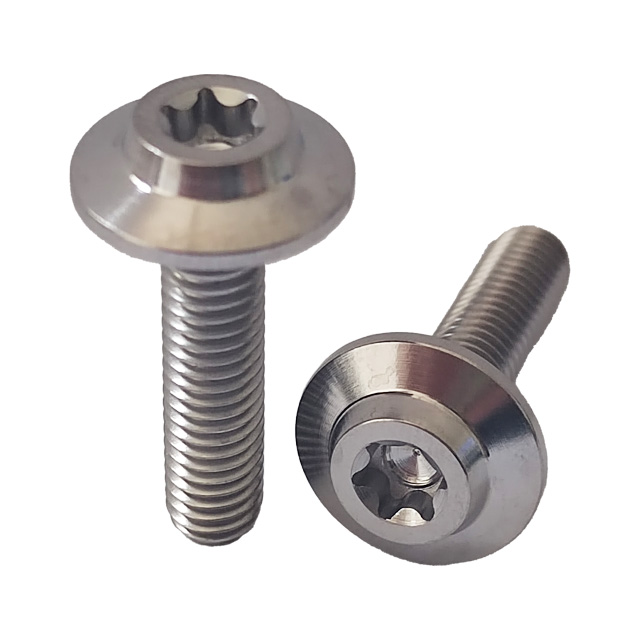
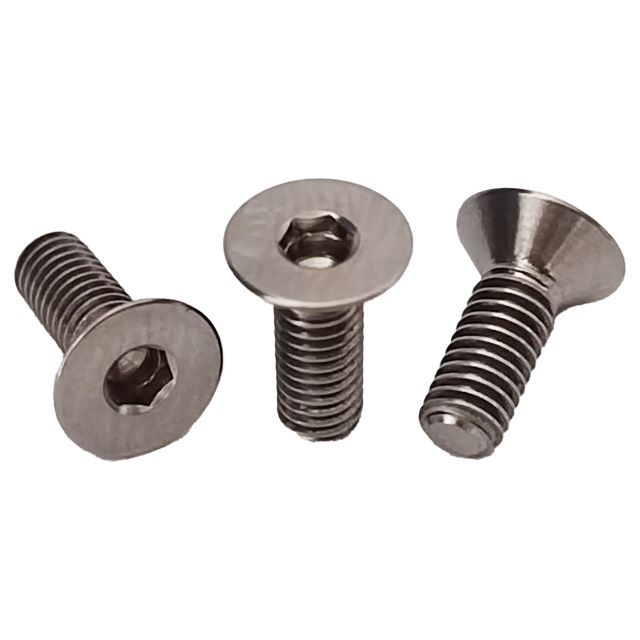
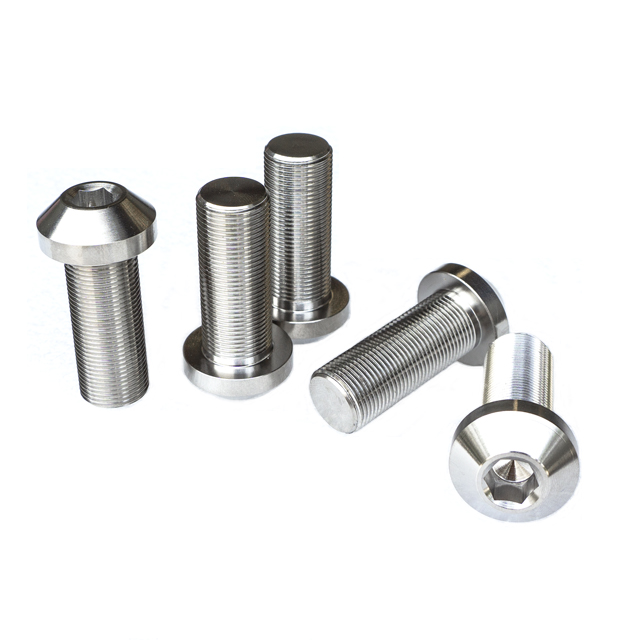
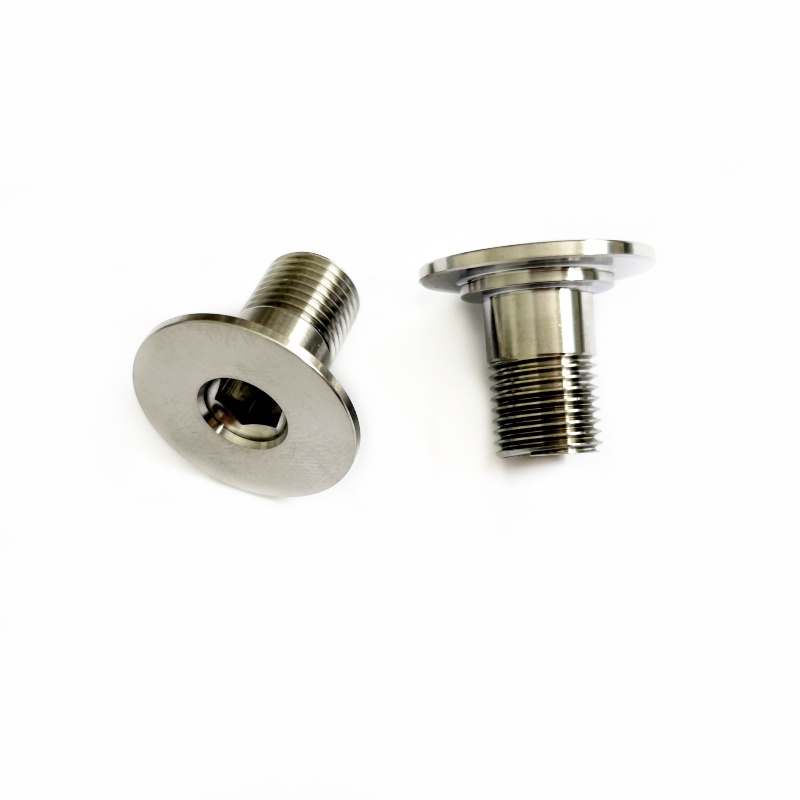
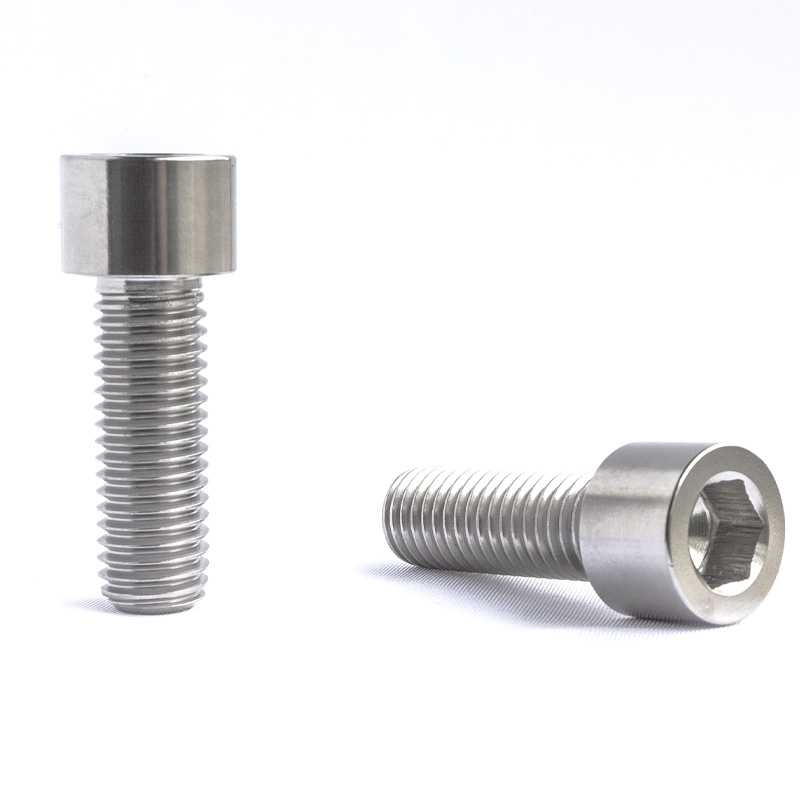
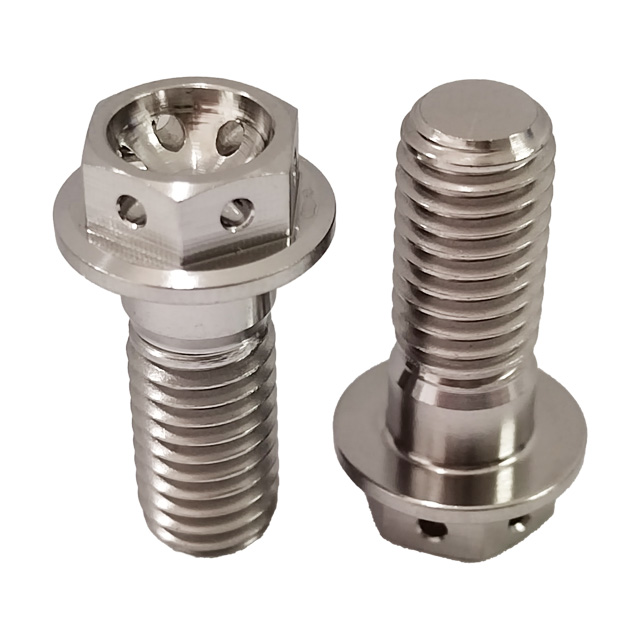
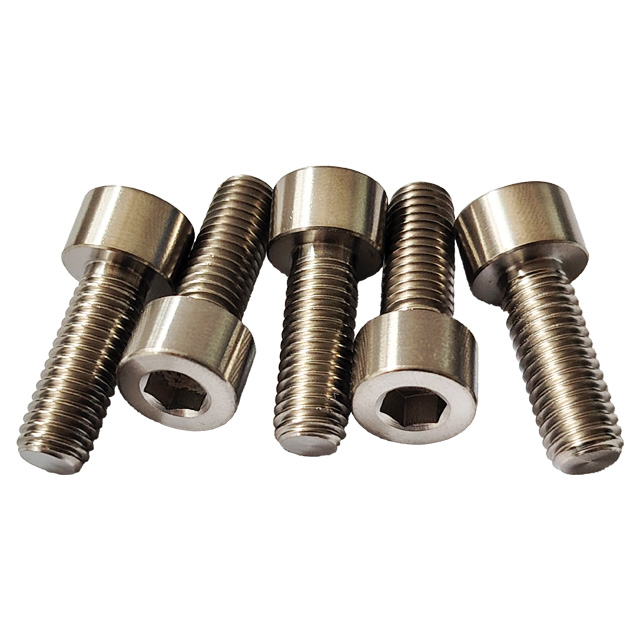
Manufactured from Baoji aerospace-certified Grade 5 (Ti-6Al-4V) titanium bar stock. Every batch is calibrated with thread ring gauges, optical comparators, and complete EN 10204 3.1 chemical inspection certificates.
2011+
Baoji Factory Founded
±0.005mm
CNC Machining Tolerance
920MPa
Average GR5 Tensile Strength
≤1Hour
RFQ Technical Response
Engineering Conformity & CE Certification Architecture for Titanium Dome Nuts
In high-stakes mechanical assemblies, automotive racing powertrains, marine engineering, and subsea robotics, the fastener is never merely a consumable; it is a critical structural node. For international procurement managers, securing CE certified titanium dome nuts (also classified globally under DIN 1587, ISO 8675, or ASME B18.2.2 high-crown acorn configurations) requires deep scrutiny of manufacturer conformity under European Union harmonized standards. While CE marking on standard construction hardware is governed by EU Regulation No 305/2011 (Construction Products Regulation - CPR) and EN 14399 / EN 15048 structural bolting standards, precision titanium dome nuts destined for industrial machinery and pressure-retaining assemblies must comply directly with the Machinery Directive 2006/42/EC and the Pressure Equipment Directive (PED 2014/68/EU, Annex I, Section 4.3).
A legitimate CE-compliant titanium manufacturing factory must establish strict Factory Production Control (FPC). This encompasses spectroscopic melt verification of raw Ti sponge, optical laser sorting for thread pitch consistency (guaranteeing Class 6H or 4H fit tolerances), dynamic proof load testing, and comprehensive microstructural inspection. Without EN 10204 3.1 inspection certification confirming the material's chemical stoichiometry and mechanical yield thresholds, industrial buyers face severe regulatory liability and elevated catastrophic failure risks in service.
PED 2014/68/EU & Machinery Directive
Conformity assessment verification ensuring internal blind dome cavity integrity against pneumatic or fluid pressure up to critical system tolerances.
EN 10204 Type 3.1 Traceability
Every manufacturing batch is chemically quantified via Inductively Coupled Plasma Optical Emission Spectrometry (ICP-OES) with mill heat batch tracing.
ISO 965-1 Class 6H Thread Tolerances
Micron-level thread profile cutting and thread gauge verification preventing microscopic flank stress peaks, cross-threading, and joint loosening.
Metallurgical Selection: Grade 5 (Ti-6Al-4V) vs. Grade 2 Unalloyed Titanium
A frequent engineering pitfall encountered by international sourcing teams is the failure to delineate between commercially pure titanium (Grade 2) and alpha-beta structural alloys (Grade 5, Ti-6Al-4V, UNS R56400). Titanium dome nuts serve a dual mechanical purpose: they clamp the fastened substrate with calibrated preload force while hermetically shielding the external thread projection from ambient corrosive fluids, particulate contamination, and physical impact. Navzo Precision Titanium specializes in manufacturing these high-integrity components from solid mill-annealed Grade 5 bar stock.
Grade 5 titanium features an ultimate tensile strength exceeding 895 MPa (often reaching 950–1000 MPa in cold-drawn, precision-turned fasteners) and a minimum yield strength of 828 MPa. This enables Grade 5 acorn nuts to directly replace Class 8.8 and Class 10.9 steel fasteners while shedding approximately 44% of the joint assembly mass (density: 4.43 g/cm³ versus 7.85 g/cm³ for alloy steel). Conversely, Grade 2 unalloyed titanium (tensile strength ~345 MPa) should strictly be reserved for non-load-bearing architectural or chemical tank immersion scenarios where chemical passivation overrides mechanical shear demands.
| Material Designation | Yield Strength (Rp0.2, MPa) | Tensile Strength (Rm, MPa) | Density (g/cm³) | Elastic Modulus (GPa) | Primary Industrial Vector |
|---|---|---|---|---|---|
| GR5 Titanium (Ti-6Al-4V) | ≥ 828 | ≥ 895 – 1020 | 4.43 | 114 | Aerospace, Racing, High-Stress Marine |
| GR2 Pure Titanium | ≥ 275 | ≥ 345 – 480 | 4.51 | 103 | Chemical Processing, Plating Anodes |
| Stainless Steel A2-70 (AISI 304) | ≥ 450 | ≥ 700 | 7.90 | 193 | General Commercial Fastening |
| Stainless Steel A4-80 (AISI 316) | ≥ 600 | ≥ 800 | 8.00 | 196 | Marine Deck Fittings, Subsea Hardware |
| High-Tensile Alloy Steel 10.9 | ≥ 900 | ≥ 1040 | 7.85 | 210 | Heavy Machinery, Automotive Chassis |
Critical Geometric Design: The DIN 1587 Dome Cavity Engineering
Unlike standard open hex nuts, manufacturing a DIN 1587 titanium dome nut requires balanced CNC toolpath design and precision deep-hole boring. When securing a threaded stud or bolt, the internal blind hole depth (dimension $t$) must maintain adequate clearance for thermal linear expansion of the bolt shank without bottoming out against the apex of the spherical dome. If the bolt shank bottoms out prematurely, torque readings will falsely indicate clamp preload, resulting in catastrophic joint separation under vibrational fatigue.
Furthermore, Navzo's multi-axis Swiss-lathe processing ensures that the internal thread run-out is concentric to the hex flats within ±0.01mm. The spherical dome transition features an unbroken internal radius to disperse residual hoop stresses generated when clamping torque is applied. A precision internal chamfer ($90^\circ$ to $120^\circ$) at the base bearing face guarantees flush contact with hardened titanium or composite washers, eradicating localized edge-loading failures.
Advanced 5-Axis Turning & Thread-Forming Technology
Navzo Precision Titanium combines high-speed Swiss-type automatic lathes with specialized tooling geometries engineered specifically to counter titanium's notorious low thermal conductivity and high chemical affinity for cutting tools.
- Optimized Thread Flank Smoothness: Super-fine internal micro-finishing reduces surface roughness down to Ra 0.4 μm, minimizing thread friction dispersion.
- Severe Galling Prevention: Proprietary anti-galling thread geometries and specialized surface conversion coatings (Micro-Arc Oxidation & PVD).
- Integral Monolithic Structure: 100% turned from single-piece bar stock; zero welding or brazing between the dome crown and hexagonal body.
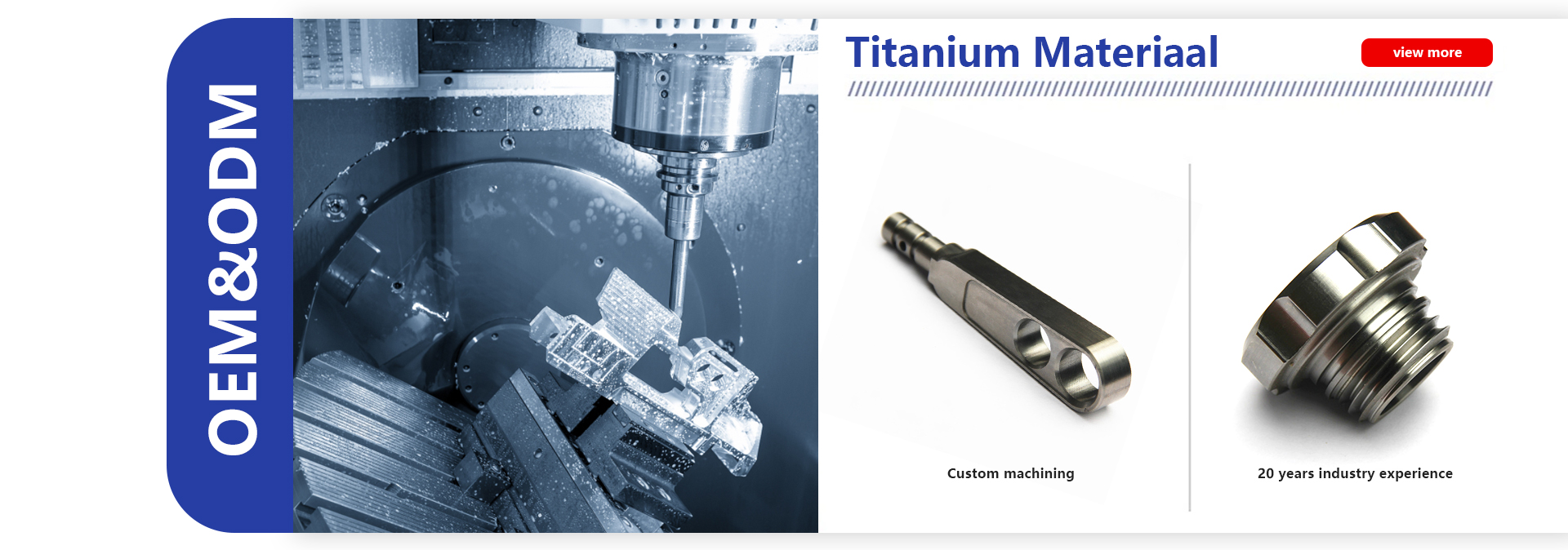
Global Procurement & Technological Trends (2025–2030)
How macroeconomic pressures, supply chain near-shoring, and zero-defect aerospace standards are reshaping the global procurement landscape for CE-certified titanium components.
Consolidation into Raw Material Hubs
Global procurement teams are shifting away from fragmented trading intermediaries toward vertically integrated manufacturers located directly in titanium raw material clusters (such as Baoji, China's Titanium Valley). Direct access to titanium sponge and vacuum arc remelting (VAR) ingots eliminates raw material price gouging and reduces procurement lead times from 16 weeks to under 20 working days.
Automated Vision & Digital Quality Twins
Manual batch sampling is obsolete. The next horizon in CE-certified nut production is 100% automated inline optical vision sorting. High-speed multi-camera optical sorters inspect thread pitch, pitch diameter, internal dome depth, and surface micro-voids at rates exceeding 300 pieces per minute, delivering real-time CPK > 1.67 statistical process control.
Advanced PVD & Tribological Finishes
Beyond traditional cosmetic anodizing, high-load industrial applications are driving demand for functional Physical Vapor Deposition (PVD) coatings. Applying Titanium Carbonitride (TiCN) or Diamond-Like Carbon (DLC) imparts a surface micro-hardness exceeding 2500 HV. This permanently resolves titanium-on-titanium adhesive wear (galling) in high-vibration environments.
Environmental, Social, and Governance (ESG) & Lifecycle Efficiency
With the European Union tightening the Carbon Border Adjustment Mechanism (CBAM) and Corporate Sustainability Due Diligence Directive (CSDDD), tier-1 procurement managers must account for the carbon intensity of fastener production. Titanium manufacturing traditionally produces significant scrap during bar-turning subtractive operations. Leading factories, including Navzo Precision Titanium, have integrated closed-loop swarf recycling programs. Clean Ti-6Al-4V chips generated during Swiss turning are segregated, degreased under vacuum, and re-melted via plasma arc melting for non-critical industrial ingot production, dramatically shrinking the overall lifecycle environmental footprint.
Factory Strengths: Navzo Precision Titanium
Headquartered on Yucai Road in the High-Tech Development Zone of Baoji, Shaanxi, Navzo has delivered precision titanium fasteners and custom CNC components to engineering leaders across North America, Europe, and Asia since 2011.
Baoji Titanium Cluster Synergy
Located in the heart of China's Titanium Valley, Navzo benefits from direct access to certified high-purity Grade 5 and Grade 2 bar stocks, reducing raw material logistics time and guaranteeing fully traceable chemical origins.
Complete In-House CNC Fleet
Equipped with 3-axis, 4-axis, and multi-spindle Swiss CNC turning centers, cold heading lines, automated thread rollers, and micro-hole EDM systems, allowing rapid transitions from prototype batches to 100,000-piece runs.
Rapid RFQ & Engineering Turnaround
Engineering-driven procurement support: 100% response rate with detailed technical quotations, DFM (Design for Manufacturability) analysis, and tooling feedback delivered within 1 business hour.
100% Metrological QC Verification
Every single batch undergoes dimensional inspection with calibrated thread go/no-go gauges, digital video measuring machines (VMM), surface roughness profilometers, and Vickers microhardness indenters.
Specialized Surface Finishing Lab
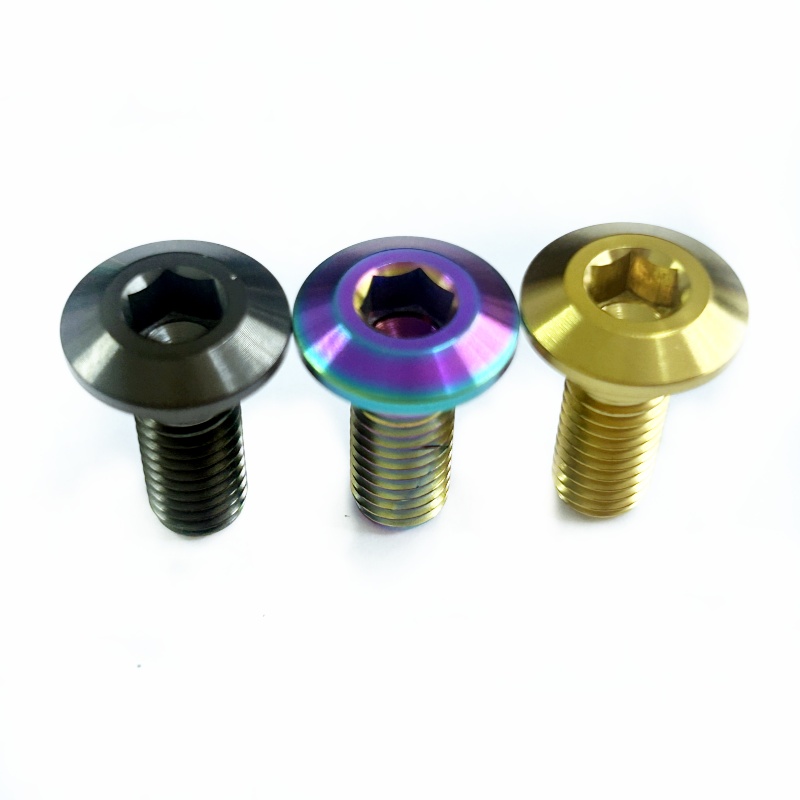
In-house specialized anodizing (burnt blue, gold, purple, green, stealth black), hard PVD vacuum sputtering, mechanical mirror polishing, and glass bead blasting to suit precise aerospace and aesthetic requirements.
Export Compliance & Safe Packaging
Over a decade of continuous export shipments to Germany, the USA, Japan, South Korea, and the Netherlands. Products are packed in protective vacuum-sealed anti-static blister packs to prevent thread dinging in transit.
Manufacturing Infrastructure & Quality Control
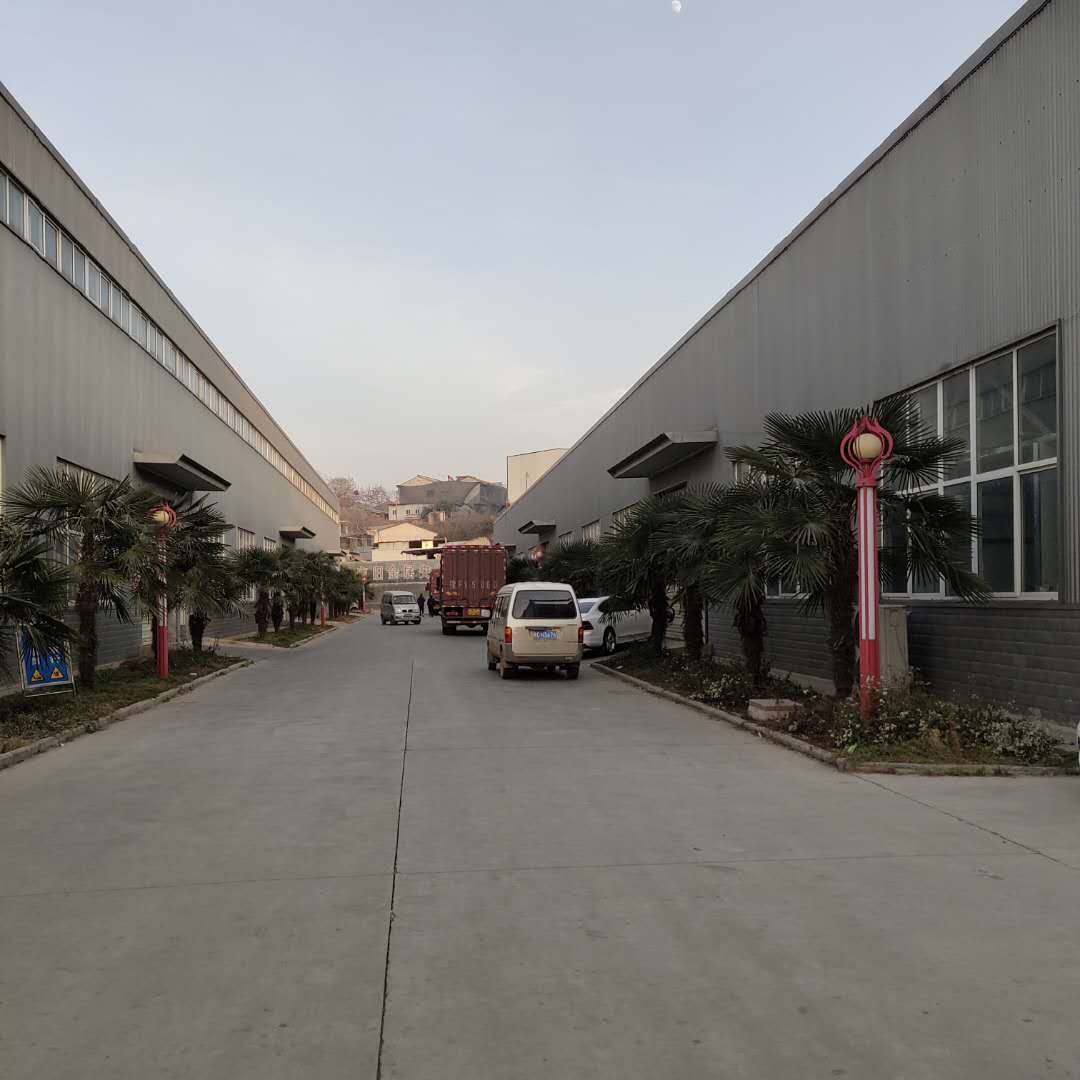
Authentic on-site imagery from Navzo's Baoji production facility and testing center.
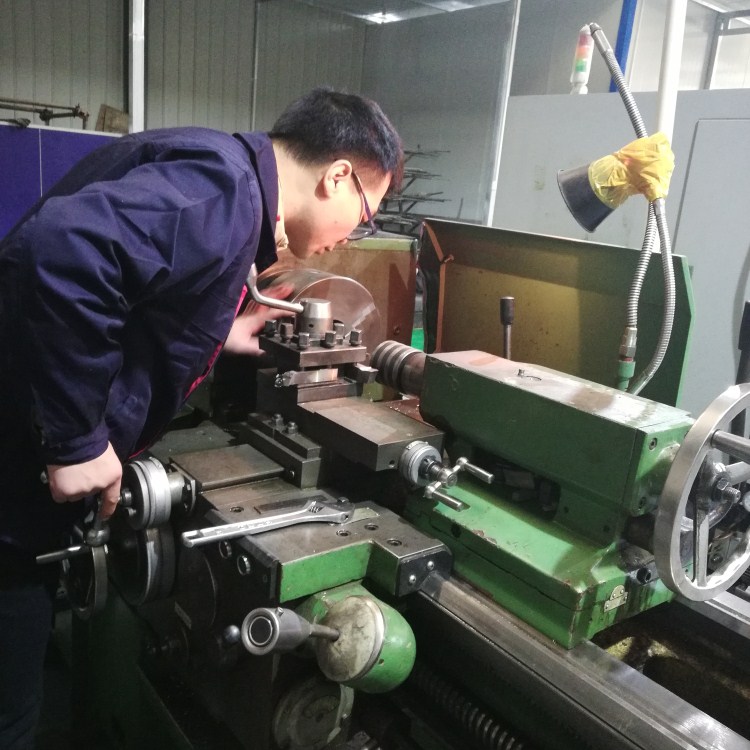
CNC Machining Facility
Multi-axis Swiss precision turning line running continuous production of DIN 1587 dome nut bodies.
Thread & Tolerance Metrology
Precision thread pitch verification and surface roughness testing under temperature-controlled laboratory conditions.
Forming & Secondary Operations
Cold heading lines, thread rolling machines, and specialized ultrasonic cleaning degreasing tanks.
Frequently Asked Procurement & Engineering Questions
Technical guidance compiled by our senior fastener engineers to address the most critical inquiries submitted during supplier qualification audits.
Under the EU regulatory framework, CE compliance for industrial fasteners ensures adherence to the Machinery Directive (2006/42/EC) or Pressure Equipment Directive (PED 2014/68/EU). It certifies that the manufacturer maintains a certified Factory Production Control (FPC) system, fully traceable raw materials under EN 10204 Type 3.1, documented proof-load ratings, and geometric conformity to DIN 1587 / ISO standards without micro-flaws.
Titanium rapidly oxidizes into a microscopic TiO2 film that, under localized frictional contact stress, can break and cause severe adhesive wear (galling). To prevent this, Navzo utilizes high-precision CNC thread cutting with mirror root finishes (Ra ≤ 0.4 μm). We also recommend applying an approved titanium anti-seize paste (MoS2 or nickel-based) or ordering our nuts with PVD or Micro-Arc Oxidation (MAO) conversion coatings that eliminate bare metal-to-metal bonding.
Grade 5 (Ti-6Al-4V) provides a tensile yield strength of 828 MPa, which is roughly three times that of Grade 2 (275 MPa). High-crown dome nuts endure high hoop tension and thread shear forces when torqued into position. Using Grade 2 in structural or dynamic environments can result in thread stripping or deformation of the hex flats under wrench torque. Grade 2 is reserved strictly for light-load, highly corrosive chemical immersion environments.
Standard DIN 1587 defines internal thread depth ($t$) relative to thread nominal diameter ($d$). At Navzo, our precision CNC Swiss lathes control internal depth tolerance within +0.20/-0.00 mm. We recommend an effective thread engagement length of at least 1.2 to 1.5 times the nominal thread diameter to achieve the full tensile capacity of a Grade 5 titanium joint while ensuring adequate expansion clearance.
Titanium is noble on the galvanic series. When coupled with aluminum or plain carbon steel in the presence of an electrolyte, the less noble metal corrodes rapidly. We advise engineering clients to install titanium washers, apply zinc-nickel barrier coatings to adjacent steel members, or specify our PVD ceramic-coated titanium dome nuts to electrically insulate the contact interface.
For standard catalog sizes (M4 through M24 in natural polished or burnt blue finishes), our MOQ is 100 to 200 pieces per size, with stock items shipping within 48 hours. Custom CNC parts manufactured according to customer 2D/3D CAD files (STEP, DWG, PDF) require a prototype batch of 50 to 100 pieces, with production cycle times averaging 15 to 22 business days.
Initiate Your Technical RFQ with Navzo Today
Connect with our technical engineering sales division. Whether you need standard DIN 1587 titanium dome nuts or custom CNC components, our team will review your drawings, tolerances, and specifications, providing a formal quotation within 60 minutes.