Choosing a T25 GR5 titanium brake rotor bolt involves more than matching a tool to a bolt head. T25 identifies the Torx drive size; Grade 5 titanium generally refers to Ti-6Al-4V. Neither detail confirms that a bolt fits a particular rotor or hub. Check the motorcycle or vehicle service manual, then verify thread diameter, pitch, length, shoulder shape, and required head clearance. Small mismatches matter. A bolt that bottoms out before clamping the rotor can feel tight while leaving the joint insecure.
Titanium can offer low weight and strong corrosion resistance, but it is not automatically the best choice for every brake assembly. Confirm that the manufacturer approves the material and fastener specification for your application. Follow the specified tightening procedure and torque value, and account for any thread treatment; lubricant or anti-seize can change clamping force at a given torque. Use a sound T25 bit, fully seated, to reduce the chance of damaging the drive. Then inspect the rotor for even seating and free clearance. No guesswork here. If fitment or torque data is unclear, pause and ask a qualified technician or the fastener supplier. It may seem cautious, but brake hardware deserves that extra check.
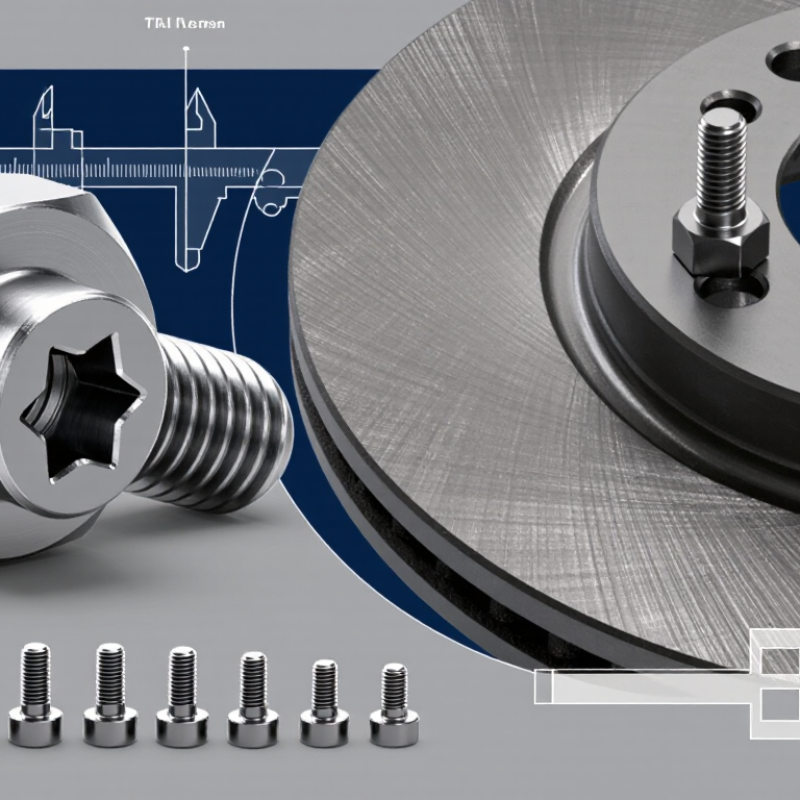
Understand the T25 Drive and Grade 5 Titanium Specifications
T25 describes the screw’s internal hexalobular drive, not its strength or thread size. ISO 10664 defines this drive profile. A clean, fully seated T25 bit should contact the lobes evenly; grit or a worn bit can damage the recess. Small detail. Check that the bolt head clears the rotor and surrounding hardware, too.
Grade 5 titanium is commonly Ti-6Al-4V, but confirm the material certificate rather than relying on appearance. ASTM B348/B348M lists minimum tensile strength of 895 MPa and minimum yield strength of 828 MPa for Grade 5, with 10% minimum elongation. These figures describe specified material properties, not the installed bolt’s guaranteed performance. Titanium is also much lighter than steel, at roughly 4.43 g/cm³, but lightness alone does not make a bolt suitable. Rotor thickness, thread engagement, temperature, and the component maker’s torque specification all matter. Use the specified torque and follow its lubrication instructions; lubricant can change the clamp load produced at the same torque. I have seen people treat a snug T25 fit as proof of compatibility. It isn’t. Verify the thread, length, and material grade before fitting.
How to Choose T25 GR5 Titanium Brake Rotor Bolts — Understand the T25 Drive and Grade 5 Titanium Specifications
| Selection Dimension | What to Check | Why It Matters | Practical Guidance |
|---|---|---|---|
| T25 drive size | T25 is a Torx®-type internal star drive size, not a bolt diameter or thread specification. | A correctly fitting tool helps reduce cam-out and damage to the bolt recess during installation or removal. | Use a clean, undamaged T25 bit that seats fully. Do not assume that every bolt described as “T25” has the same head dimensions or recess depth. |
| Thread diameter and pitch | Confirm the exact thread diameter and pitch required by the rotor and hub. M5 × 0.8 is common in some bicycle rotor applications, but is not universal. | A bolt with the wrong thread can damage the hub or fail to clamp the rotor correctly. | Check the vehicle or component service information, or verify the original bolt. Never select a replacement from drive size alone. |
| Bolt length | Match the specified length and measure it using the convention applicable to the head style; countersunk bolts are generally measured overall, while other head styles are generally measured from under the head. | Too little thread engagement can weaken retention; an excessively long bolt may interfere with nearby components or bottom out. | Compare the replacement with the specified original and confirm that it clears the caliper and other parts through a full wheel rotation. |
| Head and seat style | Check whether the application requires a countersunk, button, or other head, and verify the seat angle and bearing surface. | The wrong head or seat may not sit flush, may concentrate load, or may contact adjacent components. | Use the head style intended for the rotor and hub. Do not substitute a flat-seat bolt for a countersunk seat unless the component instructions allow it. |
| Grade 5 titanium | Grade 5 titanium is the common name for the Ti-6Al-4V alloy, containing principally titanium with aluminum and vanadium alloying additions. | Alloy designation identifies the material family, but does not by itself establish the finished bolt’s strength, dimensions, or suitability for a particular brake assembly. | Look for traceable material and product specifications. Do not treat “Grade 5” as a substitute for application approval or verified fastener properties. |
| Material standard and certification | Check the stated specification, product form, and any required certification; different standards may cover different forms and uses of the alloy. | Material requirements and mechanical-property limits depend on the applicable standard and product condition. | Use documentation that applies to the actual fastener. Do not assume that a titanium alloy designation alone proves compliance with a particular standard. |
| Corrosion and galling | Titanium alloys have good corrosion resistance in many environments, but threaded titanium fasteners can gall or seize, especially when tightened dry or repeatedly assembled. | Seized threads can make removal difficult and may damage the mating component. | Follow the component or fastener maker’s instructions for thread preparation and any approved lubricant. Lubrication changes the torque-to-clamp relationship. |
| Installation torque | Torque depends on the fastener size, thread condition, lubrication, head style, and the rotor and hub design. | A generic torque value may produce insufficient clamping force or overload the bolt or threaded component. | Use the torque specified by the vehicle or component manufacturer for the exact application and installation condition. Do not apply a steel-bolt torque value automatically to a titanium replacement. |
| Thread engagement and condition | Inspect the hub threads and bolt threads for contamination, deformation, corrosion, or damage. | Damaged or contaminated threads can affect tightening and reduce reliable clamping. | Start the bolt by hand and ensure it turns freely before tightening. Replace damaged fasteners and have damaged hub threads assessed appropriately. |
| Final fit and inspection | Confirm that all bolts seat correctly, the rotor is secure, and the assembly has adequate clearance. | Brake components are safety-critical; incorrect fit or loosening can impair braking performance. | Follow the application’s specified tightening sequence and inspection procedure. Recheck the assembly as directed by the component manufacturer. |
Important: T25 describes the drive interface, while Grade 5 describes a titanium alloy. Neither specification alone confirms that a bolt fits a particular rotor or hub. Verify thread, length, head style, material documentation, and installation requirements for the exact application.
FAQS
T25 identifies the Torx drive size. It does not specify thread size, bolt strength, or length.
Check the vehicle service information or a verified original fastener. A thread gauge can confirm diameter and pitch. Never force a bolt.
Measure from beneath the head to the tip, matching the bolt’s head style. Too short may reduce thread engagement; too long may touch nearby parts.
Yes. Compare head diameter and height with the rotor or carrier recess. The T25 bit should seat fully without rocking.
Not automatically. Confirm that the vehicle and rotor instructions allow titanium at that location. Similar appearance is not proof of compatibility.
Only if the installation instructions require it. Lubricant can change clamping force at a given torque. Titanium threads can also gall.
Follow the specified torque and tightening sequence with a calibrated torque wrench. A snug feel is not a measurement.
Make sure the rotor sits flat against the hub, with no grit trapped underneath. Stop if a bolt binds. I might be overlooking a detail, so conflicting instructions deserve a mechanic’s review.
Conclusion
Choosing a T25 GR5 titanium brake rotor bolt starts with understanding both the drive type and the material. T25 refers to the bolt’s star-shaped drive, so confirm that the tool fits securely to reduce the chance of damaging the head during installation. Grade 5 titanium is valued for its strength and corrosion resistance, but material alone does not establish whether a fastener is suitable for a particular brake system.
Check the vehicle and rotor specifications before selecting a bolt. Verify the thread size and pitch, overall length, and head dimensions, including clearance around the rotor and nearby components. Consider the intended use and the fastener’s required strength, then follow the vehicle or component manufacturer’s guidance for bolt type, installation method, and tightening requirements. Matching these details helps ensure the T25 GR5 titanium brake rotor bolt is compatible with the assembly and appropriate for its operating conditions.
